
Understanding Chobok, Jungbok, and Mabok: The Meaning and Traditions of Korea's Three Summer Heat Days
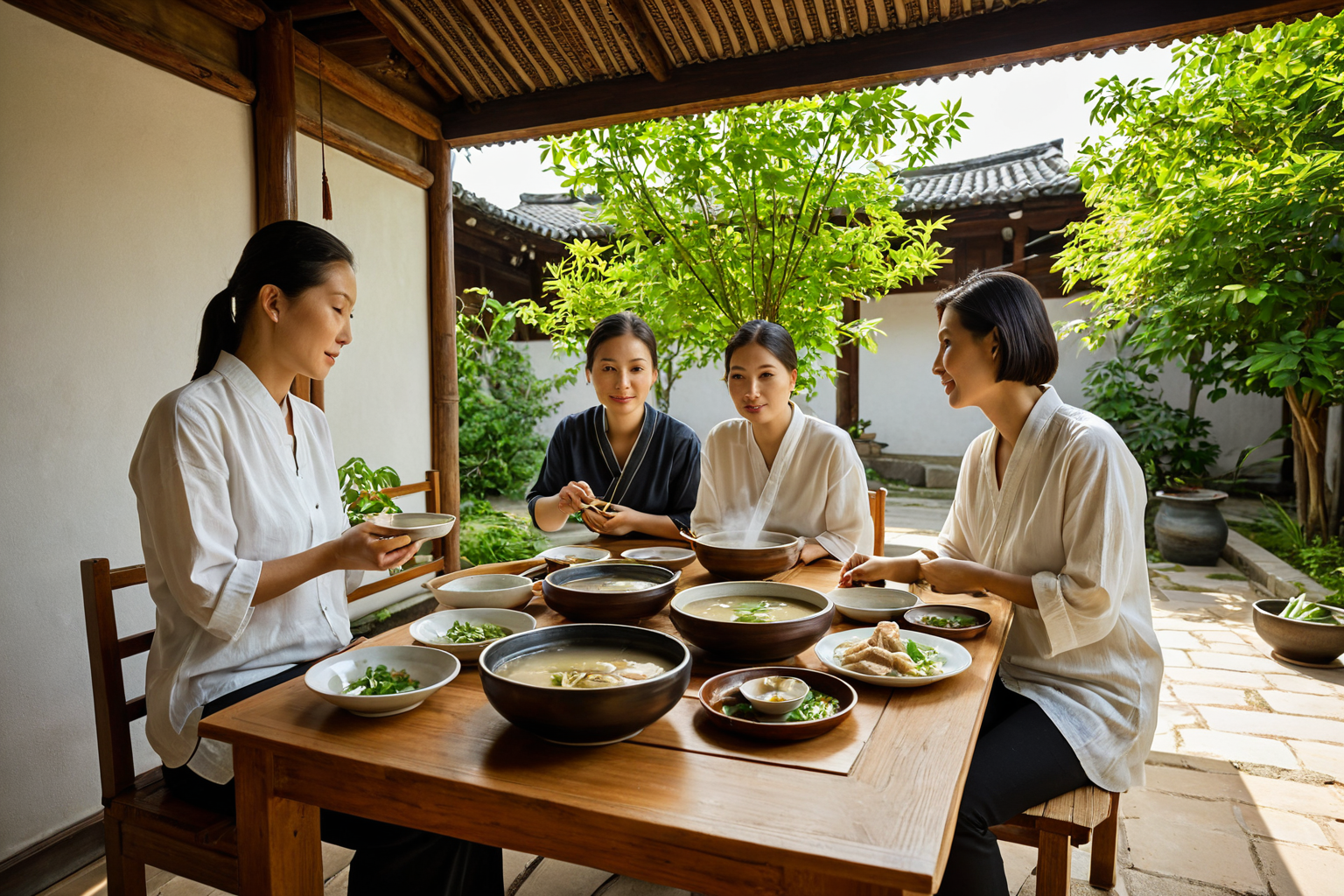
Chobok, Jungbok, and Mabok are the three days of Sanbok (three summer heat periods), related to traditional customs for enduring summer heat. Chobok marks the first day when summer heat begins in earnest, Jungbok represents the hottest period, and Mabok is the last day when the heat starts to subside. These terms originate from the Chinese character '伏 (Bok)', meaning 'to lie prone,' symbolizing the need to lower one's body and be cautious during hot weather.
The Exact Meanings of Chobok, Jungbok, and Mabok
Sanbok refers to the traditional custom for overcoming summer heat, divided into three days: Chobok, Jungbok, and Mabok. Chobok means 'first Bok day,' marking the beginning of the hottest period of summer. Jungbok is the 'second Bok day,' representing peak summer heat, while Mabok is the 'last Bok day' when the heat gradually eases.
The Chinese character '伏 (Bok)' means 'to lie prone,' reflecting the idea that during hot weather, one should lower their body and proceed with caution. Traditionally, people consumed nourishing foods to maintain health throughout the Sanbok period.
The start and end of Sanbok are determined by seasonal changes, and each day has developed specific food traditions. Chobok is associated with samgyetang (ginseng chicken soup), and similar nourishing dishes were commonly eaten during Jungbok and Mabok as well.
Sanbok Periods and Traditional Nourishing Foods
Sanbok refers to the hottest period of summer, during which traditional customs involve consuming nourishing foods to maintain health. Chobok marks the start of summer heat, serving as a time to prepare the body before the intense heat sets in.
Jungbok is the hottest day of the year, when physical exhaustion increases, so it's common to eat ginseng or samgyetang for nourishment. Mabok signifies the period when the heat begins to subside, and many continue consuming nourishing foods for health maintenance.
This tradition is based on the principle of 'heat-for-heat' (이열치열), meaning that eating hot food during hot weather helps expel internal body heat and maintain health.
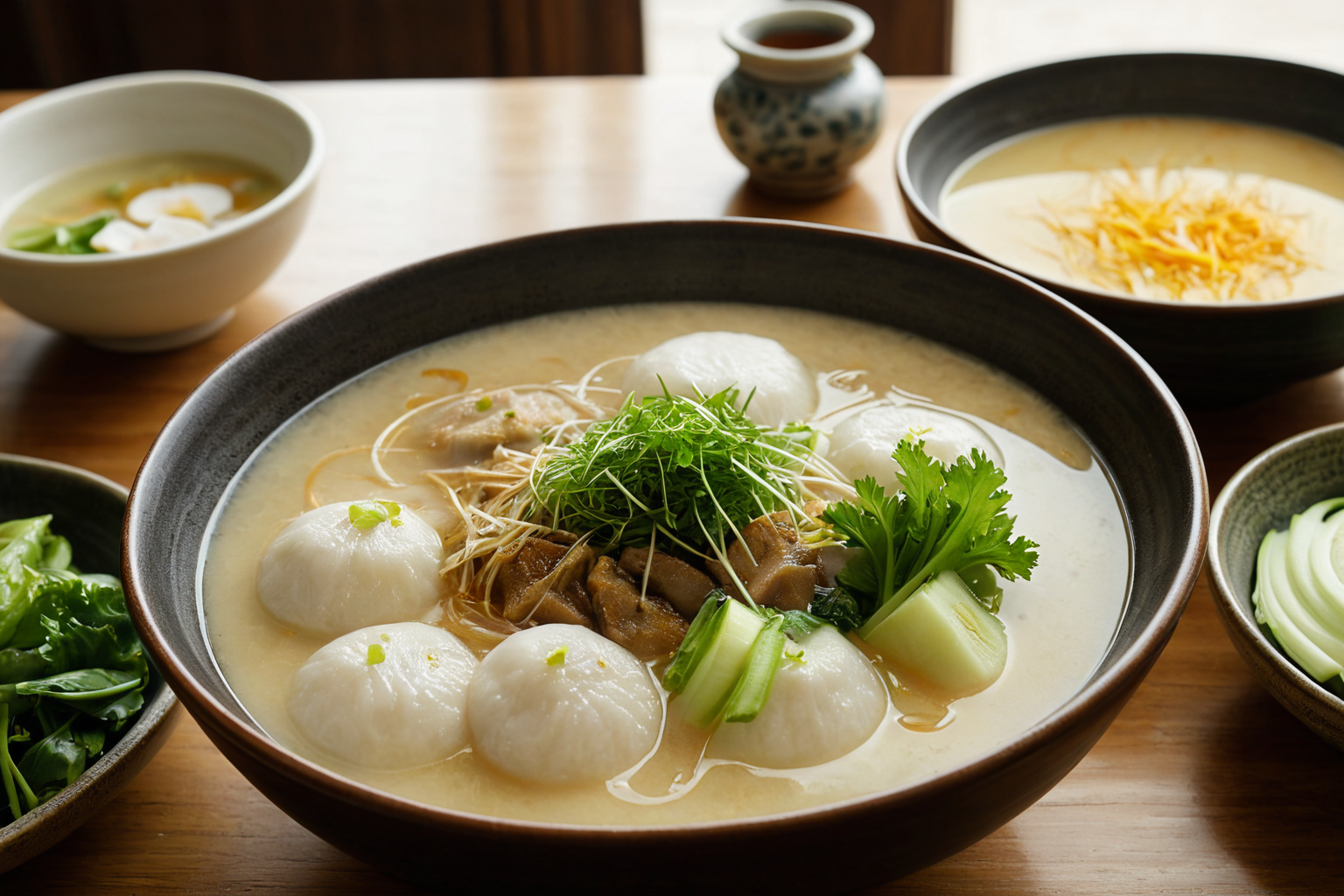
Samgyetang is the most well-known nourishing dish during Sanbok. It's a soup made with chicken and medicinal herbs, known to replenish energy and boost immunity.
Sanbok Dates and 2024 Schedule
The dates for Sanbok vary each year, determined by seasonal changes and weather conditions. In 2024, Chobok falls on July 15, Jungbok on July 23, and Mabok on August 11. For reference, in 2026, the dates are expected to be Chobok on July 22, Jungbok on July 30, and Mabok on August 19.
Sanbok begins with 'Chobok,' the first day when summer heat becomes intense. This is followed by Jungbok and Mabok, each date corresponding to seasonal changes.
The History and Cultural Significance of Sanbok
Sanbok originates from China and has been practiced in Korea for centuries. The term 'Sanbok' (three summer heat periods) comes from dividing the hottest period of summer into three parts.
The tradition dates back to ancient times and was an important seasonal marker during the Joseon Dynasty, influencing farming and daily life significantly.
Sanbok is more than just a division of days; it carries health management and cultural significance. During this time, people traditionally consumed nourishing foods to prepare their bodies.
The concept remains relevant today, with many Koreans continuing the tradition of eating special foods during Sanbok to maintain health. This practice has been passed down through generations.
Sanbok and Health Management
During Sanbok, physical exhaustion increases, so it's common to eat ginseng or samgyetang for nourishment. This follows the 'heat-for-heat' principle: consuming hot food during hot weather helps expel internal body heat and maintain health.
Maintaining hydration is crucial during this period. Drinking plenty of water helps prevent dehydration-related health issues in hot weather.
The traditional practice goes beyond just eating; it emphasizes balancing the body and mind, a concept that remains relevant today as a healthy lifestyle approach.
Sanbok FAQ
When is Chobok? In 2024, Chobok falls on July 15. This marks the beginning of summer heat, when people often start their health routines with samgyetang.
How do Jungbok and Mabok differ? Jungbok represents the hottest day of summer, while Mabok signifies when the heat begins to ease. During Jungbok, people typically eat samgyetang or ginseng, whereas during Mabok, health maintenance continues with nourishing foods.
What food is best during Sanbok? Samgyetang is the most well-known nourishing dish for Sanbok. It helps replenish energy and strengthen immunity.
You can find more articles on this topic in one place.
View Related ArticlesFAQ
When is Chobok?
In 2024, Chobok falls on July 15. This marks the beginning of summer heat when people often start their health routines with samgyetang.
How do Jungbok and Mabok differ?
Jungbok represents the hottest day of summer, while Mabok signifies when the heat begins to ease. During Jungbok, people typically eat samgyetang or ginseng, whereas during Mabok, health maintenance continues with nourishing foods.
What food is best during Sanbok?
Samgyetang is the most well-known nourishing dish for Sanbok. It helps replenish energy and strengthen immunity.
Korean Source
This article is an English localization of a Korean-language report from BlogScore. Original: 초복 중복 말복 뜻 차이와 맞춤법 정리