
Understanding 'Chiha': The Historical Meaning of 'Under Japanese Rule' in Korean History
The term 'chiha' (치하) was historically used to describe Korea's situation under Japanese colonial rule, specifically referring to policies of colonial governance. During this period, some Koreans lost their nationality and names. The recent 2025 IOC recognition of Nam Seung-ryong's Korean name and nationality as a colleague of the late Son Gi-jung has renewed attention to this term, with additional historical context about the Japanese colonial era being added.
The Precise Meaning of 'Chiha'
'Chiha' is derived from the Japanese word 'chika' (治下), meaning 'under governance.' It was used during Japan's colonial period to describe Korea's social conditions under Japanese rule. This term frequently appears in historical materials and research, particularly in reports and publications highlighting Koreans' lives during the 1940s under Japanese colonial rule.
During Japan's colonial occupation (1910-1945), Japan controlled all aspects of Korean society through colonial governance. The phrase 'under Japanese rule' was widely used to describe Koreans' lives and resistance movements. The 2019 publication 'Their Gyeongju, Our Gyeongju: The Life of Koreans Under Colonial Rule' was the first comprehensive work documenting life in Gyeongju during this period, showing how the term was historically applied.
Social and Economic Conditions Under Japanese Rule
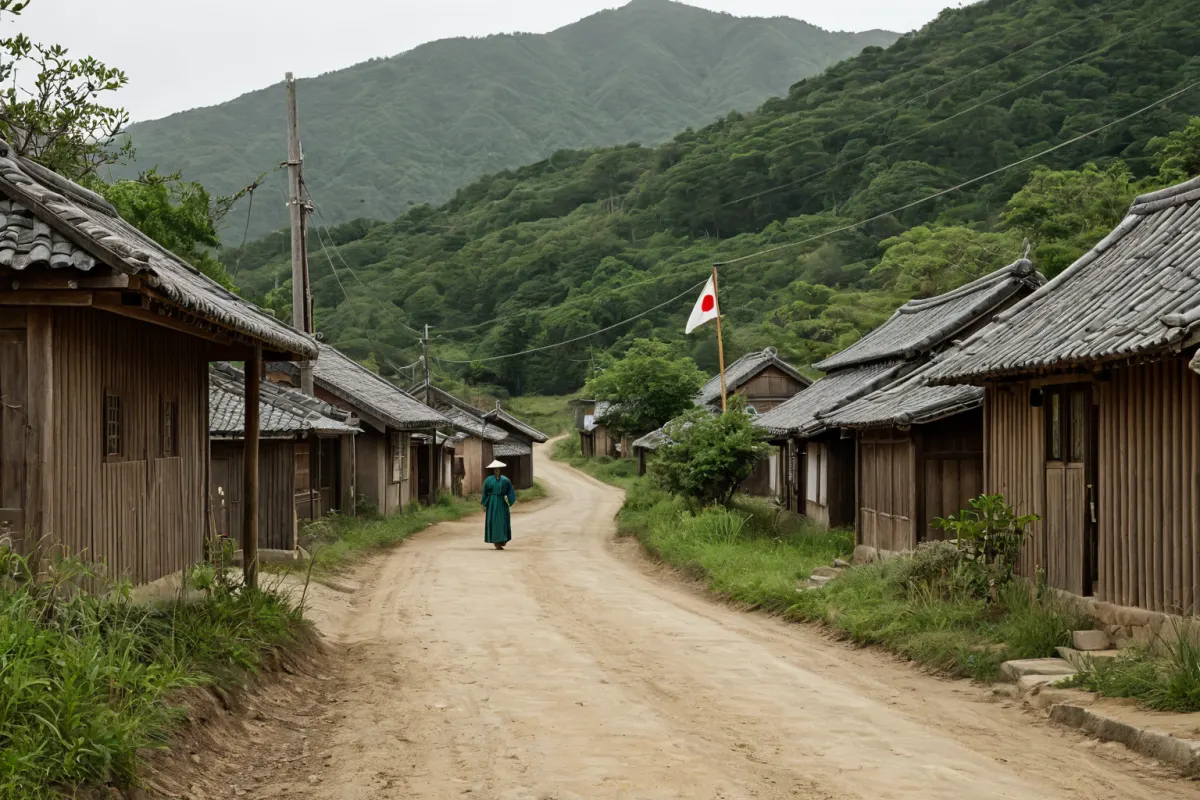
Koreans experienced significant oppression under Japan's colonial governance. The term 'under Japanese rule' succinctly captured this situation, during which Koreans were classified as Japanese citizens, forcing them to lose their names and cultural identity.
A 2018 documentary titled 'Korean Life in the 1940s Under Colonial Rule' highlighted social and economic conditions of that era. This film illustrated Japan's colonial impact on Korean society and how the term 'under Japanese rule' was historically used to describe these circumstances.
On February 21, 2019, a comprehensive report titled 'Gyeongju Society Under Colonial Rule: Life of Gyeongju Citizens During the Japanese Occupation' was released. This report analyzed social conditions in Gyeongju during Japan's colonial period and explained how the term 'under Japanese rule' was used historically.
Connection Between 'Chiha' and Historical Figures/Events
'Under Japanese rule' is more than a historical expression—it connects to real people and events. On August 14, 2025, the IOC recognized Nam Seung-ryong's Korean name and nationality as a colleague of the late Son Gi-jung, with additional historical context about Japan's colonial era being added. This event shows how the term 'under Japanese rule' connects to historical facts.
On April 12, 2017, an event titled 'Protecting Laughter Under Colonial Rule: A Korean Humor Collection Lecture' was held. This event humorously addressed dark history from the colonial period, helping people remember historical facts.
In Japan, a 'Prevention of Chiha Stamp' was sold due to the 'chiha' issue, showing that this term related to historical context remained significant in Japan as well.
Renewed Interest in Historical Context
The 2025 IOC recognition of Nam Seung-ryong's Korean name and nationality shows how historical explanations about the Japanese colonial era continue to influence current times. This event has highlighted the impact of Japan's colonial rule on Koreans' identity and family relationships.
During Japan's colonial period, Koreans were forced to lose their names and nationalities. This was a result of Japan's colonial policies, with 'under Japanese rule' being used to describe this situation.
Research and reports about Korean life in the 1940s under Japanese colonial rule accurately document these historical facts, helping us understand how the term 'under Japanese rule' was historically applied.
The 2019 publication 'Their Gyeongju, Our Gyeongju: The Life of Koreans Under Colonial Rule' is the first comprehensive work documenting life in Gyeongju during this period. On February 21, 2019, a report titled 'Gyeongju Society Under Colonial Rule: Life of Gyeongju Citizens During the Japanese Occupation' was released.
Timeline of Events Related to 'Chiha'
During Japan's colonial period (1910-1945), the term 'under Japanese rule' was widely used to describe historical facts. Reports and publications highlighting Koreans' lives in the 1940s under colonial rule were created, showing how this term accurately captured social conditions at that time.
On April 12, 2017, an event titled 'Protecting Laughter Under Colonial Rule: A Korean Humor Collection Lecture' was held. This event humorously addressed dark history from the colonial period to help people remember historical facts.
In October 2018, a documentary titled 'Korean Life in the 1940s Under Colonial Rule' was produced. This film showed Japan's colonial impact on Korean society and how the term 'under Japanese rule' was historically applied.
On February 21, 2019, a comprehensive report titled 'Gyeongju Society Under Colonial Rule: Life of Gyeongju Citizens During the Japanese Occupation' was released. This report analyzed social conditions in Gyeongju during Japan's colonial period and explained how the term 'under Japanese rule' was historically used.
On August 14, 2025, the IOC recognized Nam Seung-ryong's Korean name and nationality as a colleague of the late Son Gi-jung, with additional historical context about Japan's colonial era being added. This event shows how the term 'under Japanese rule' connects to historical facts.
Key Events Related to 'Chiha'
'Under Japanese rule' was used to describe Koreans' experiences during Japan's colonial period, when Koreans were classified as Japanese citizens and forced to lose their names and culture.
The 2019 publication 'Their Gyeongju, Our Gyeongju: The Life of Koreans Under Colonial Rule' is the first comprehensive work documenting life in Gyeongju during this period, showing how the term was historically applied.
The 2018 documentary 'Korean Life in the 1940s Under Colonial Rule' highlighted social and economic conditions of that era, showing Japan's colonial impact on Korean society and how the term 'under Japanese rule' was historically used.
The April 12, 2017 event titled 'Protecting Laughter Under Colonial Rule: A Korean Humor Collection Lecture' humorously addressed dark history from the colonial period to help people remember historical facts.
On August 14, 2025, the IOC recognized Nam Seung-ryong's Korean name and nationality as a colleague of the late Son Gi-jung, with additional historical context about Japan's colonial era being added. This event shows how the term 'under Japanese rule' connects to historical facts.
Verified Information About 'Chiha'
'Chiha' is derived from the Japanese word 'chika' (治下), meaning 'under governance.' It was used during Japan's colonial period to describe Korea's social conditions under Japanese rule. This term frequently appears in historical materials and research, particularly in reports and publications highlighting Koreans' lives during the 1940s under Japanese colonial rule.
During Japan's colonial occupation (1910-1945), Koreans experienced significant oppression under Japan's colonial governance. During this period, Koreans were classified as Japanese citizens, forcing them to lose their names and cultural identity.
The 2019 publication 'Their Gyeongju, Our Gyeongju: The Life of Koreans Under Colonial Rule' is the first comprehensive work documenting life in Gyeongju during this period, showing how the term was historically applied.
The 2018 documentary 'Korean Life in the 1940s Under Colonial Rule' showed Japan's colonial impact on Korean society and how the term 'under Japanese rule' was historically used.
The April 12, 2017 event titled 'Protecting Laughter Under Colonial Rule: A Korean Humor Collection Lecture' humorously addressed dark history from the colonial period to help people remember historical facts.
Frequently Asked Questions
When did the term 'chiha' begin to be used?
'Chiha' was used during Japan's colonial period (1910-1945) to describe Korea's social conditions under Japanese rule. This term appears frequently in historical materials and research.
What oppression did Koreans experience under 'Japanese rule'?
During Japan's colonial occupation, Koreans experienced significant oppression under Japan's colonial governance. During this period, Koreans were classified as Japanese citizens, forcing them to lose their names and cultural identity.
Why was historical context about the Japanese colonial era added in 2025?
On August 14, 2025, the IOC recognized Nam Seung-ryong's Korean name and nationality as a colleague of the late Son Gi-jung, with additional historical context about Japan's colonial era being added. This event shows how the term 'under Japanese rule' connects to historical facts.
What are key events related to 'chiha'?
Key events include: the 2019 publication 'Their Gyeongju, Our Gyeongju: The Life of Koreans Under Colonial Rule,' the 2018 documentary 'Korean Life in the 1940s Under Colonial Rule,' the April 12, 2017 event 'Protecting Laughter Under Colonial Rule: A Korean Humor Collection Lecture,' and the August 14, 2025 IOC recognition of Nam Seung-ryong's Korean name.
Frequently Asked Questions
'Chiha' is a historical term referring to Korea under Japanese colonial rule, reflecting the oppression and resistance experienced by Koreans during this period. Reports and publications about Korean life in the 1940s under Japanese colonial rule show how the term was historically applied.
The 2019 publication 'Their Gyeongju, Our Gyeongju: The Life of Koreans Under Colonial Rule' is the first comprehensive work documenting life in Gyeongju during this period. The 2018 documentary 'Korean Life in the 1940s Under Colonial Rule' showed Japan's colonial impact on Korean society and how the term was historically used.
The April 12, 2017 event 'Protecting Laughter Under Colonial Rule: A Korean Humor Collection Lecture' humorously addressed dark history from the colonial period to help people remember historical facts. The August 14, 2025 IOC recognition of Nam Seung-ryong's Korean name and nationality as a colleague of the late Son Gi-jung added historical context about Japan's colonial era, showing how the term 'under Japanese rule' connects to historical facts.
Historically, 'chiha' was more than just a phrase—it helped accurately describe the period when Koreans lost their identity and culture. This term preserves historical truth and plays an important role in educating future generations about this era.
You can find similar articles on this topic all in one place.
View Related ArticlesFAQ
When did the term 'chiha' begin to be used?
'Chiha' was used during Japan's colonial period (1910-1945) to describe Korea's social conditions under Japanese rule. This term appears frequently in historical materials and research.
What oppression did Koreans experience under 'Japanese rule'?
During Japan's colonial occupation, Koreans experienced significant oppression under Japan's colonial governance. During this period, Koreans were classified as Japanese citizens, forcing them to lose their names and cultural identity.
Why was historical context about the Japanese colonial era added in 2025?
On August 14, 2025, the IOC recognized Nam Seung-ryong's Korean name and nationality as a colleague of the late Son Gi-jung, with additional historical context about Japan's colonial era being added. This event shows how the term 'under Japanese rule' connects to historical facts.
What are key events related to 'chiha'?
Key events include: the 2019 publication 'Their Gyeongju, Our Gyeongju,' the 2018 documentary 'Korean Life in the 1940s Under Colonial Rule,' the April 12, 2017 event 'Protecting Laughter Under Colonial Rule,' and the August 14, 2025 IOC recognition of Nam Seung-ryong's Korean name.
Korean Source
This article is an English localization of a Korean-language report from BlogScore. Original: 치하 뜻: 일제 강점기 역사에서 '치하'의 정확한 의미