
Understanding Cafe Startup Costs: Key Factors in Rent and Interior Design
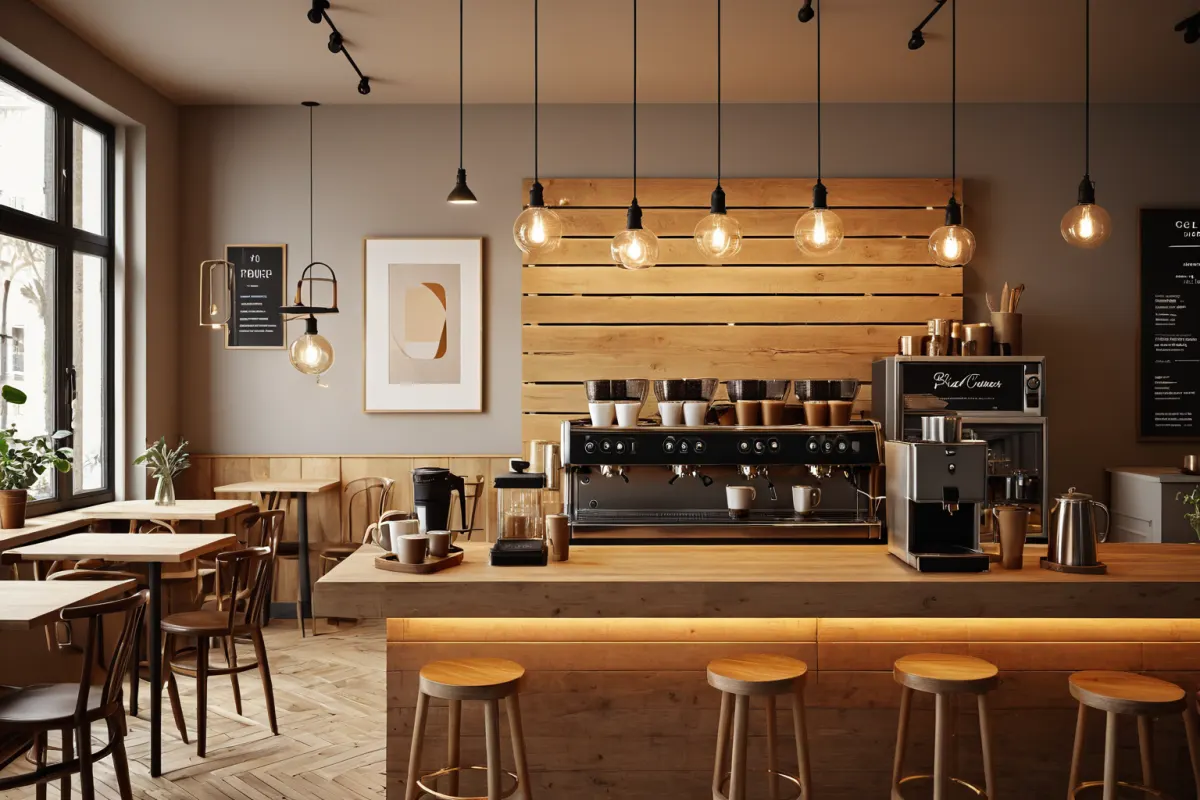
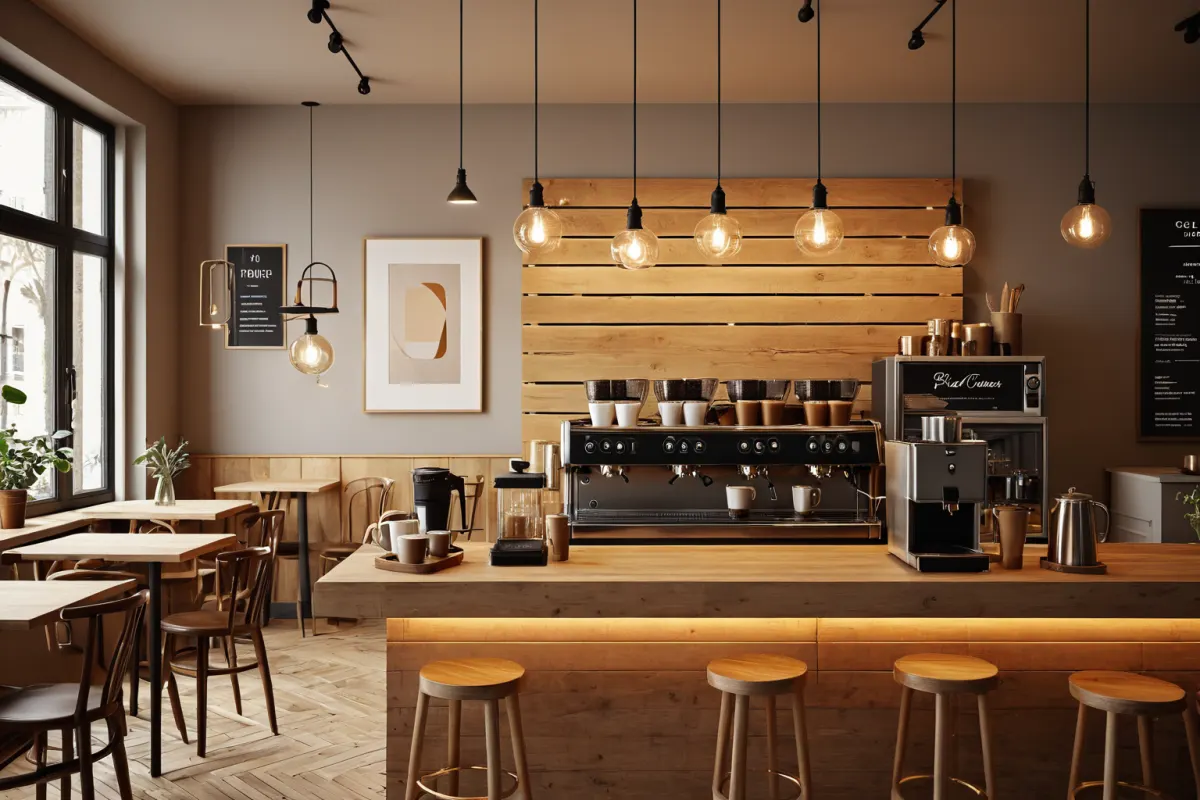
Cafe startup costs are primarily determined by rent and interior design. Even with the same square footage, different business districts can lead to rent differences of several times. Similarly, even with the same concept, initial capital varies significantly based on material and equipment choices. Therefore, when preparing for a cafe startup, it's crucial to first decide "where" and "at what level" you want to start rather than just focusing on "how much."
Simply setting a budget without detailed planning often leads to overlooked expenses. Rent, security deposit, heating/cooling systems, electrical upgrades, signage, furniture, coffee machines, and more all need to be included for an accurate cost estimate. This article will break down the key factors influencing cafe startup costs, focusing on rent and interior design.
Why Rent is the First Factor Impacting Initial Capital
A cafe must cover fixed costs before generating sufficient revenue. High rent creates immediate cash flow pressure before opening and raises the break-even point after opening.
For example, a location with a 30 million won security deposit and 2.5 million won monthly rent versus one with a 15 million won deposit and 1.3 million won rent starts with significantly different initial costs. While the former may have better location advantages, higher fixed costs require a focus on takeout operations or high-turnover menu items. Conversely, the latter has lower monthly costs but might struggle with low foot traffic affecting sales.
Thus, rent isn't simply about finding "the cheapest place." It needs to be evaluated alongside expected revenue and business model. The appropriate rent level varies depending on whether it's a dine-in cafe, delivery/takeout focused, or has high seating capacity.
You can find more articles on similar topics here.
View Related ArticlesHow Right to Use Fees and Security Deposits Increase Perceived Costs
A common oversight when signing the initial contract is the right-to-use fee. If the location has been previously operated as a cafe, it often includes facilities and operational know-how, resulting in transfer costs.
Purchasing an existing cafe or taking over operations can reduce initial construction costs, but if the right-to-use fee is high, it might end up costing more than starting from scratch. For example, properties with good condition ready for immediate operation save on construction costs but reflect the owner's operational value in the price.
Security deposits are also important. While they're refundable, they tie up capital during the startup phase, reducing cash flow flexibility. One reason many entrepreneurs seek cafe startup consulting is to navigate this aspect. Even if contract terms seem favorable, initial funds can become tight due to these factors.
Where Interior Design Costs Exceed Budgets
For cafe startups, interior design should focus on "operational feasibility" rather than just aesthetics. Before considering customer-facing designs, essential elements like plumbing, electrical systems, traffic flow, and storage space need attention.
Even for the same 20-pyeong (approx. 66 sqm) space, open kitchens, wall demolition, floor repairs, and full lighting replacement can quickly increase construction costs. Conversely, preserving existing structures helps reduce expenses. Therefore, interior design estimates should prioritize site conditions over concept.
New entrepreneurs often make decisions based on appealing photos but fail to account for how broader work scope increases costs. Adding a single bar table may require changes in electrical outlet placement and lighting design, while refrigerator or ice machine locations can increase wiring work.
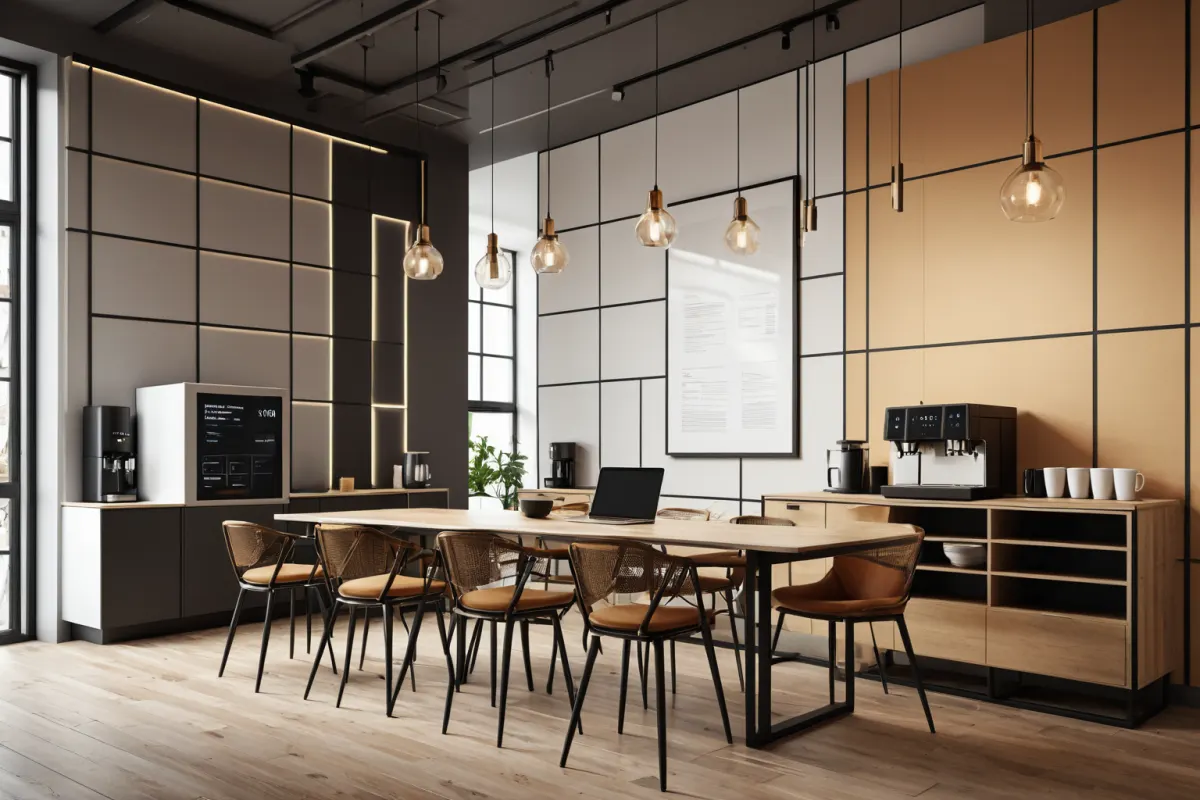
Budget Differences by Space Size
Larger space doesn't necessarily mean higher costs, but as area increases, material and construction scope expand. However, calculating solely based on square meters can lead to missing actual budget requirements.
For example, a small 10-pyeong cafe typically has fewer seats and simpler traffic flow, making cost savings easier. In contrast, spaces over 30 pyeong require planning for seating, storage, photo zones, restrooms, kitchen traffic flow, increasing material and labor costs. Ceiling height, number of windows, and existing facility conditions also influence expenses.
A common approach is to get two types of estimates: "basic" (only essential construction) and "expanded" (adding brand aesthetics or special finishes). This allows for easier budget adjustments.
Why Equipment Costs Can't Be Separated from Interior Design Budget
A cafe isn't complete after interior design. Coffee machines, grinders, refrigerators, ice makers, water purification systems, ovens, and display cases all add significant equipment costs.
Franchise cafes often have set equipment standards from the headquarters, limiting options but reducing trial-and-error in operations. Independent cafes offer more freedom but require careful selection of equipment specifications, demanding more time for comparison and research.
For example, takeout-focused cafes might prioritize equipment investment over seating design, while dessert cafes need more display cases and refrigeration systems, increasing equipment budget. Ultimately, interior design and equipment should be viewed as a single combined budget.
Practical Ways to Reduce Cafe Startup Costs
Choosing cheaper materials just to cut costs isn't recommended. What matters more is maintenance cost rather than visible finishes.
First, maximize existing facilities. Avoid changing plumbing or electrical locations to reduce construction costs. Second, mix ready-made furniture with custom pieces. Third, don't aim for complete completion at opening; instead, add improvements post-opening. Many cafes adjust seating layouts and display methods after initial opening.
Locations already equipped with basic infrastructure can help save on construction costs. However, avoid judging solely by visible aesthetics; check electrical capacity, leaks, drainage, and ventilation conditions thoroughly. A visually appealing interior might hide significant hidden repair costs.
The Proper Order to Set Your Budget
It's easiest to first break down the budget into categories: security deposit, right-to-use fee, interior design, equipment, initial supplies, and contingency fund.
For example, preparing a 15-pyeong cafe involves first setting the security deposit and right-to-use fee, then adding basic interior design, coffee equipment, furniture, and consumables. Without reserving a contingency fund, opening day costs can unexpectedly rise. It's safer to set aside at least part of the estimated cost as emergency funds.
Another important point is not rushing the opening timeline. After signing the lease agreement, construction delays mean monthly rent starts accruing immediately. Longer preparation periods increase fixed cost pressure, so it's crucial to verify available construction time and permit procedures before signing a contract.
Key Questions to Ask During Cafe Startup Consultations
When seeking cafe startup consulting or construction advice, ask specific questions about each item rather than just "how much in total." This helps avoid unexpected additional costs later.
For example, confirm whether electrical upgrades are included, if signage is separate, and if demolition and waste disposal fees are covered. Even with the same estimate, different coverage ranges lead to varying actual expenses. Before signing an interior design contract, always document the scope of work in writing.
Whether franchise or independent, the core principle remains the same: determine your affordable monthly fixed costs and initial investment before designing your space. This leads to more stable operations after opening.
Cafe Startup FAQ
Q1. What's the most realistic item to reduce in cafe startup costs?
Instead of simply lowering rent, reducing interior construction scope by maximizing existing facilities is practical. More demolition and structural changes lead to significantly higher costs.
Q2. Are takeover properties always advantageous?
No. While they save on construction costs due to existing infrastructure, high right-to-use fees can increase initial burden. Both facility condition and potential additional repair costs must be considered together.
Q3. Does franchise cafe startup cost more than independent cafes?
Generally, franchise startups require equipment and interior design choices aligned with headquarters standards, reducing options but making preparation smoother for beginners. Independent cafes offer more freedom but demand more time for equipment selection.
Cafe startups prioritize numerical management over attractive concepts. By viewing rent, right-to-use fees, interior design, and equipment as a single combined budget, entrepreneurs can find realistic solutions. Also, since local rates and contract terms change frequently, it's advisable to verify the latest information before finalizing any agreement.
Continue exploring similar topics.
View Category ArticlesFAQ
What's the most realistic item to reduce in cafe startup costs?
Instead of simply lowering rent, reducing interior construction scope by maximizing existing facilities is practical. More demolition and structural changes lead to significantly higher costs.
Are takeover properties always advantageous?
No. While they save on construction costs due to existing infrastructure, high right-to-use fees can increase initial burden. Both facility condition and potential additional repair costs must be considered together.
Does franchise cafe startup cost more than independent cafes?
Generally, franchise startups require equipment and interior design choices aligned with headquarters standards, reducing options but making preparation smoother for beginners. Independent cafes offer more freedom but demand more time for equipment selection.
Korean Source
This article is an English localization of a Korean-language report from BlogScore. Original: 카페창업 비용을 좌우하는 임대료·인테리어 기준