
Understanding Busan's Severe Drought: Causes and Recent Rainfall Patterns
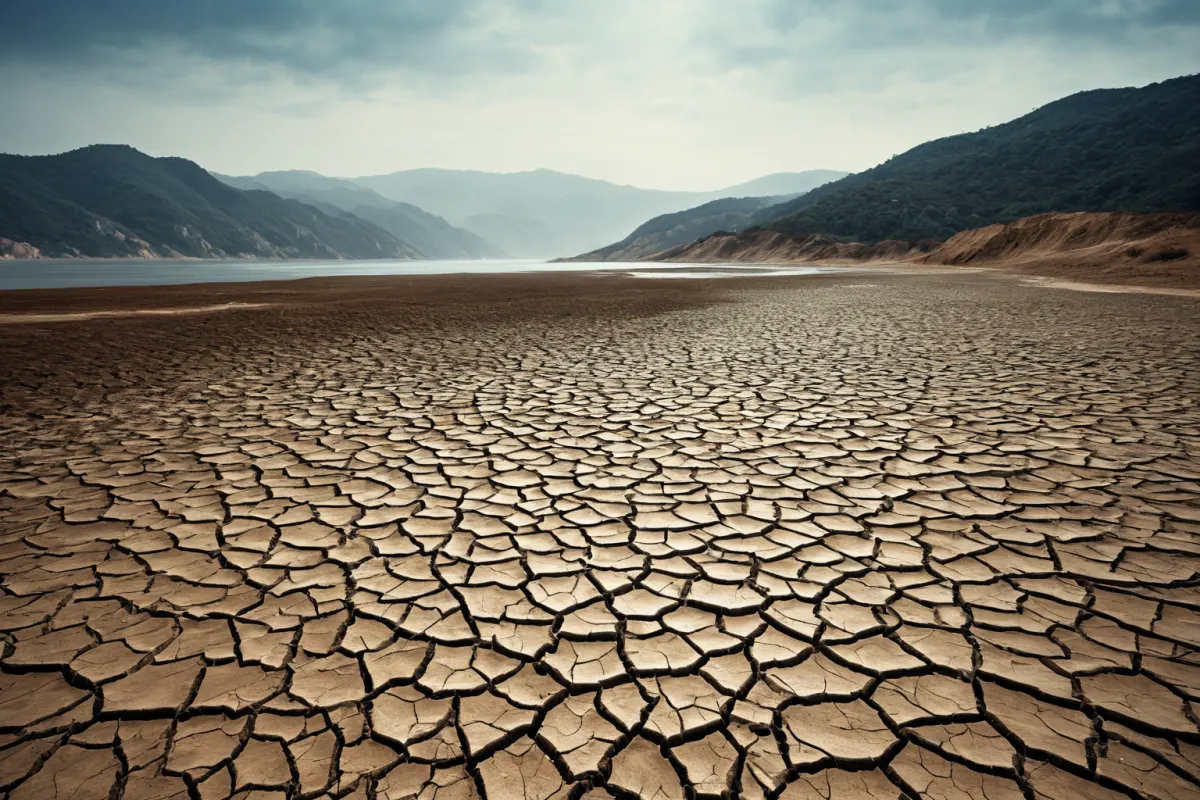
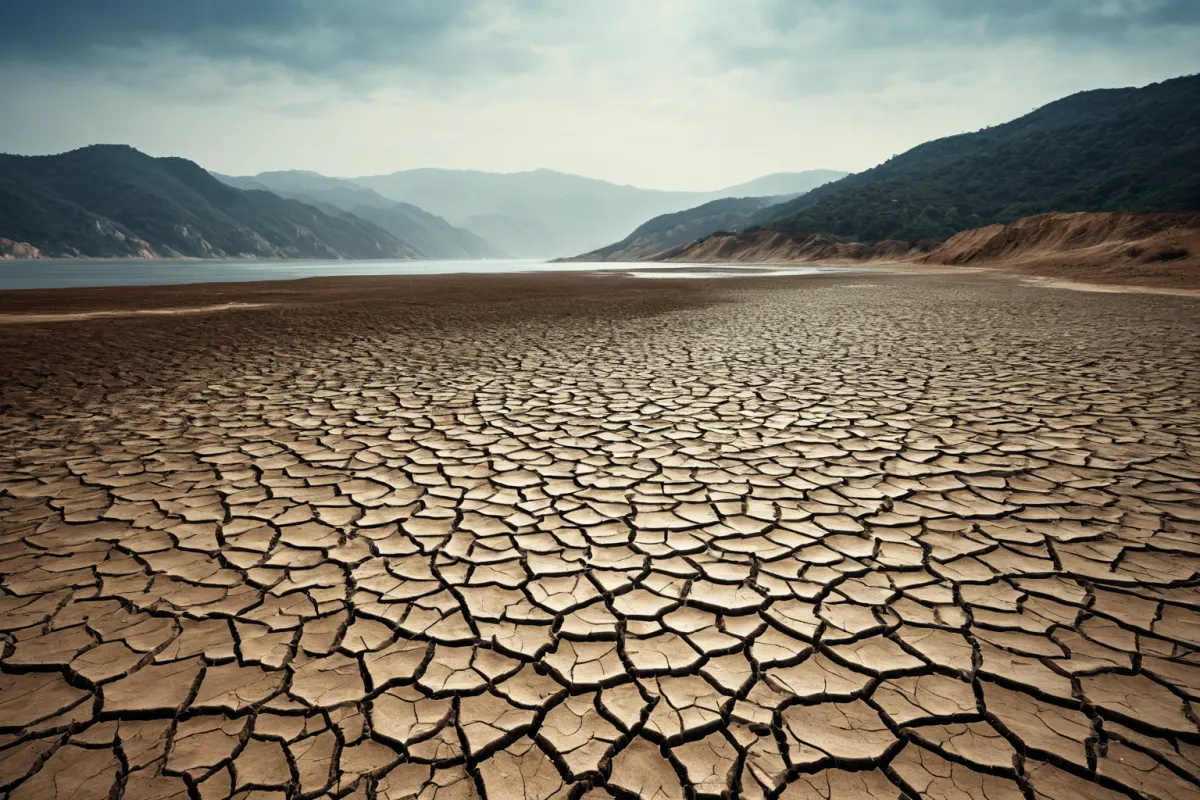
Busan's severe drought is not a problem that can be solved overnight. It occurs when prolonged dry periods affect reservoirs, groundwater, and municipal water supplies simultaneously. Recently, the issue has gone beyond simply "less rain falling"—the irregular timing and distribution of rainfall have intensified what people experience as drought.
Especially in densely populated urban areas like Busan, heavy rain over short periods may not help with water storage, while missing rainfall during critical seasons like spring or early summer can quickly lead to water shortages.
Why Busan Feels the Drought More Acutely
Although Busan is a coastal city where one might expect frequent rain, seasonal variations are significant. Late or short rainy seasons delay reservoir recovery, and extended dry spells rapidly deplete soil moisture.
Urbanization compounds this issue—impervious surfaces like asphalt and concrete prevent water from being absorbed into the ground. Rain falls but quickly runs off, creating a situation where "rain has fallen, yet drought continues."
You can find more articles on similar topics in one place.
View Related ArticlesWhy Recent Rainfall Patterns Matter
When assessing drought, total rainfall alone is insufficient. The same amount of rain spread over several days versus falling all at once has very different effects on water management.
For example, even if monthly rainfall appears similar to historical averages, it might actually fall in extreme intervals with long dry periods in between. This pattern strains agricultural water, municipal supplies, and forest humidity alike.
To understand Busan's drought, it’s important to look at not just the total rainfall but also when and how frequently rain occurs. As localized heavy rains become more intense, this distinction is becoming increasingly significant.
How Drought Intensifies Over Time
Drought typically becomes noticeable in three stages. First, reservoirs and river levels drop slightly; then soil dries out, causing crop damage; finally, municipal water use and city management costs are affected.
In densely populated areas like Busan, early signs of drought can feel immediate. Parks may show dry grass first, forest floor layers become brittle, and some neighborhoods might see early water conservation advisories.
Key Indicators to Monitor
When hearing about drought, it's better to check specific metrics rather than just "it hasn't rained." Key indicators include cumulative rainfall, percentage compared to historical averages, reservoir levels, and days of dry weather.
For instance, low rainfall compared to normal combined with continuously declining reservoir levels suggests high drought risk. Conversely, even with less rain, sufficient stored water might prevent immediate problems.
Here's a simple way to understand these factors:
- Limited rainfall: Actual shortage of rain
- Long dry periods: Extended intervals without rain
- Low reservoir levels: Depleted stored water
- Increased perceived drought: Impact on daily life and agriculture

Common Effects Seen in Busan
Prolonged drought first affects urban green spaces and agricultural areas. Trees and grass dry out faster, while facilities that use large amounts of water must adjust their maintenance schedules.
Another critical concern is increased wildfire risk. Extended dry conditions mean even small sparks can quickly ignite major fires, turning a water shortage into a safety hazard.
In daily life, activities like car washing, landscape maintenance, and outdoor cleaning may see reduced frequency or adjusted timing. These changes often become noticeable in the local atmosphere before they appear in statistics.
Understanding Rainfall Distribution Through Examples
For instance, if 120mm of rain falls over two days in June but remains dry for most of the month, the drought relief effect would be limited. The parched ground cannot absorb heavy downpours effectively, so much of it runs off.
In contrast, spreading that same 120mm over ten days would provide better soil and reservoir recharge. Therefore, when reviewing rainfall data, it’s important to look at both "total volume" and "distribution pattern."
Simple Water-Saving Habits for Daily Life
During drought periods, small daily habits can make a difference rather than large-scale measures. Shortening shower times, reusing water when washing dishes, or watering plants in the morning or evening are practical approaches.
These changes often reduce water usage significantly with minimal inconvenience. Especially for apartment buildings and commercial properties where water use is high, checking for leaks can prevent substantial waste.
For example, switching from leaving a hose running continuously to dampening surfaces once before wiping them down reduces waste dramatically. Such habits are useful even when drought isn't severe.
Key Points to Check When Monitoring Drought
To better understand Busan's drought situation, monitor not just rain forecasts but also rainfall data, reservoir levels, and dry weather warnings. When all three indicators worsen together, the perceived risk becomes much clearer.
Even within Busan, coastal areas, inland regions, and mountainous zones may experience different levels of drought due to varying wind patterns and terrain. What seems relatively moist in one area might be very dry in another.
During periods of high weather variability like now, it's more accurate to look at multi-day trends rather than relying solely on short-term forecasts.
FAQ
Q1. Does rain immediately end Busan's severe drought?
A. Not usually. Short, heavy rainfall often leads to surface runoff without effectively replenishing reservoirs.
Q2. If rainfall matches historical averages, is there no drought?
A. Not necessarily. Poor timing and intervals of rain can still lead to significant dry conditions despite similar total amounts.
Q3. What indicators should I check for drought information?
A. Check cumulative rainfall, percentage compared to historical averages, reservoir levels, and days without rain together. Relying on just one metric may miss the full picture.
Keep in mind that current rainfall and reservoir data change constantly; always refer to the latest available information when making assessments.
Continue exploring similar topics.
View Category ArticlesFAQ
Does rain immediately end Busan's severe drought?
Not usually. Short, heavy rainfall often leads to surface runoff without effectively replenishing reservoirs.
If rainfall matches historical averages, is there no drought?
Not necessarily. Poor timing and intervals of rain can still lead to significant dry conditions despite similar total amounts.
What indicators should I check for drought information?
Check cumulative rainfall, percentage compared to historical averages, reservoir levels, and days without rain together. Relying on just one metric may miss the full picture.
Korean Source
This article is an English localization of a Korean-language report from BlogScore. Original: 부산 심한 가뭄 원인과 최근 강수량 변화