
Understanding Busan's Drought Alert System and How to Respond
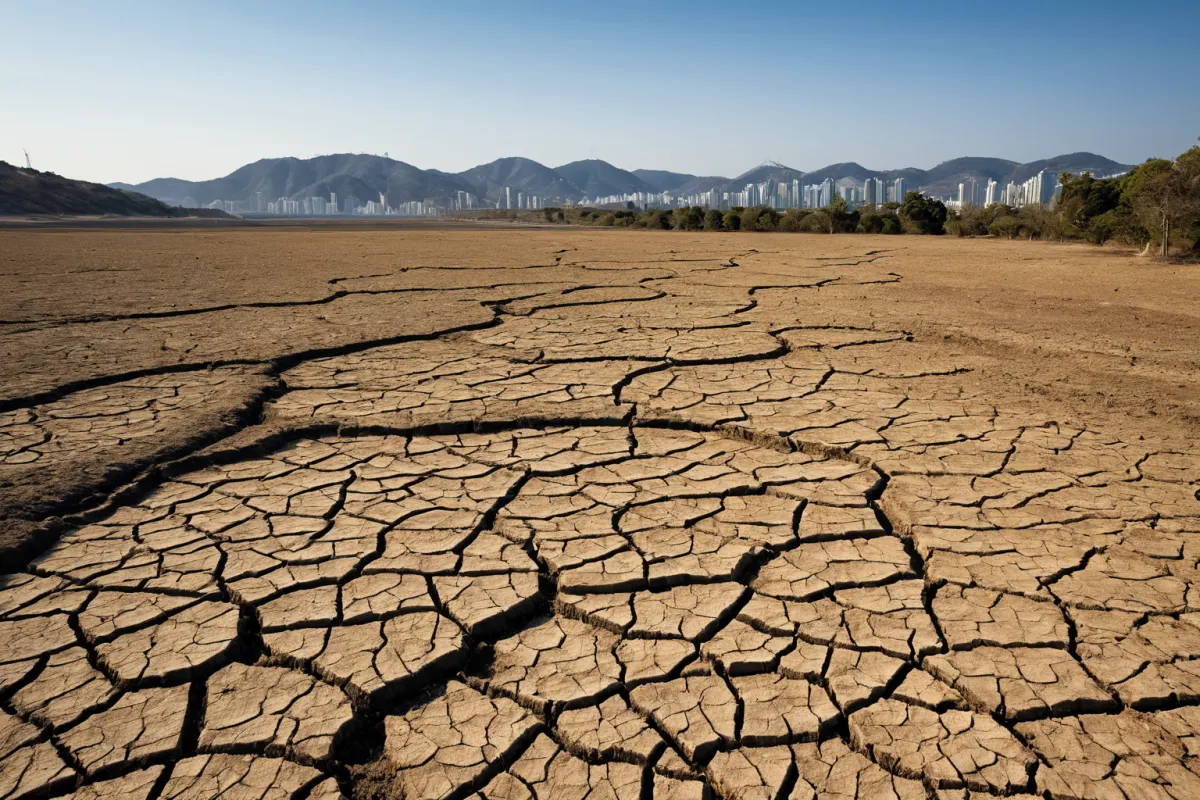
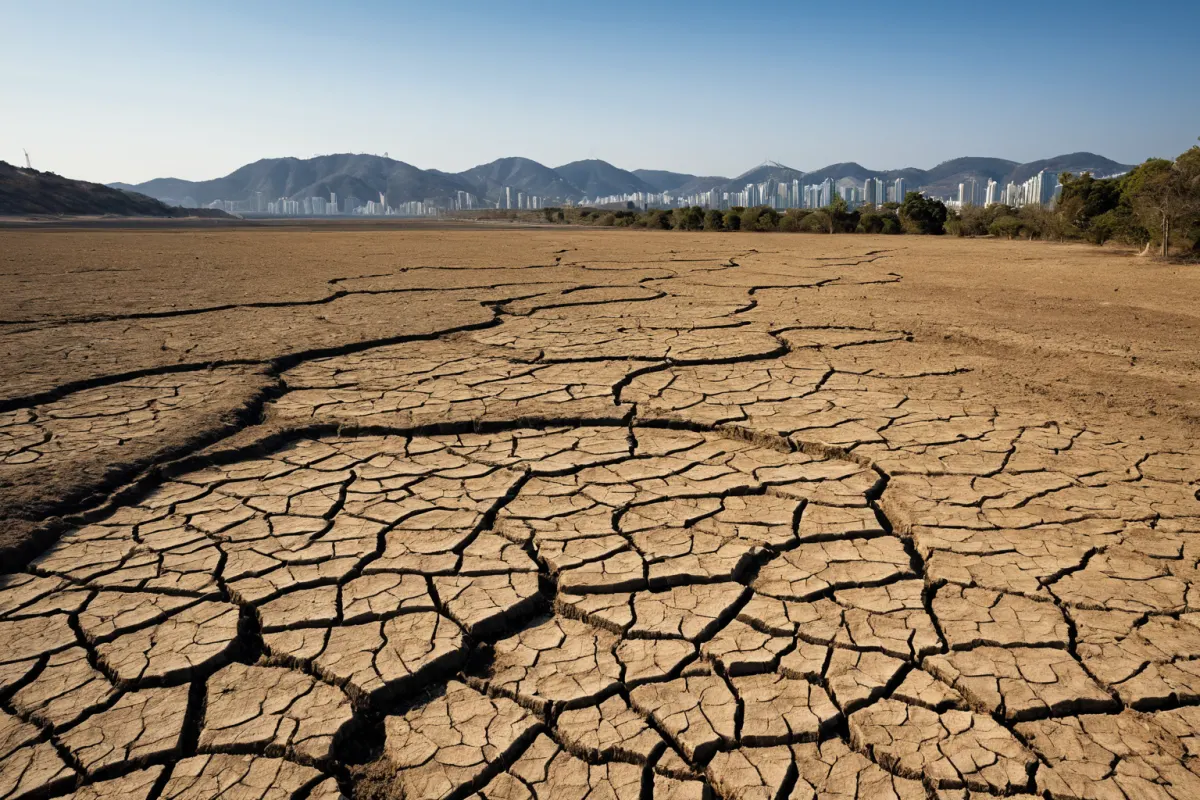
Agricultural drought 'warning' levels have been declared across Busan, Ulsan, Gimhae, and 11 other districts. Nationally, meteorological drought has affected parts of 48 districts, with lower-than-normal reservoir levels at the Nakdong River and Semyeong River dams, indicating a serious situation. Authorities predict less rainfall in August and September, urging citizens to strengthen water conservation efforts and on-site responses.
Busan Drought Warning Criteria
The drought situation in Busan is classified as agricultural drought, with the 'warning' level declared across 11 districts including Busan, Ulsan, and Gimhae. On August 5, Gimhae, Jinju, and Haman were upgraded to the agricultural drought 'warning' level, expanding coverage to all 11 districts in Gyeongsangnam-do (South Gyeongsang Province). This aligns with nationwide meteorological drought affecting parts of 48 districts.
The government has not activated a major disaster response center (중대본), suggesting the situation has not yet met official criteria. According to News1, 'The spread of drought in southern regions has not yet reached the threshold for activating the major disaster response center.'
Drought Situation and National Preparedness
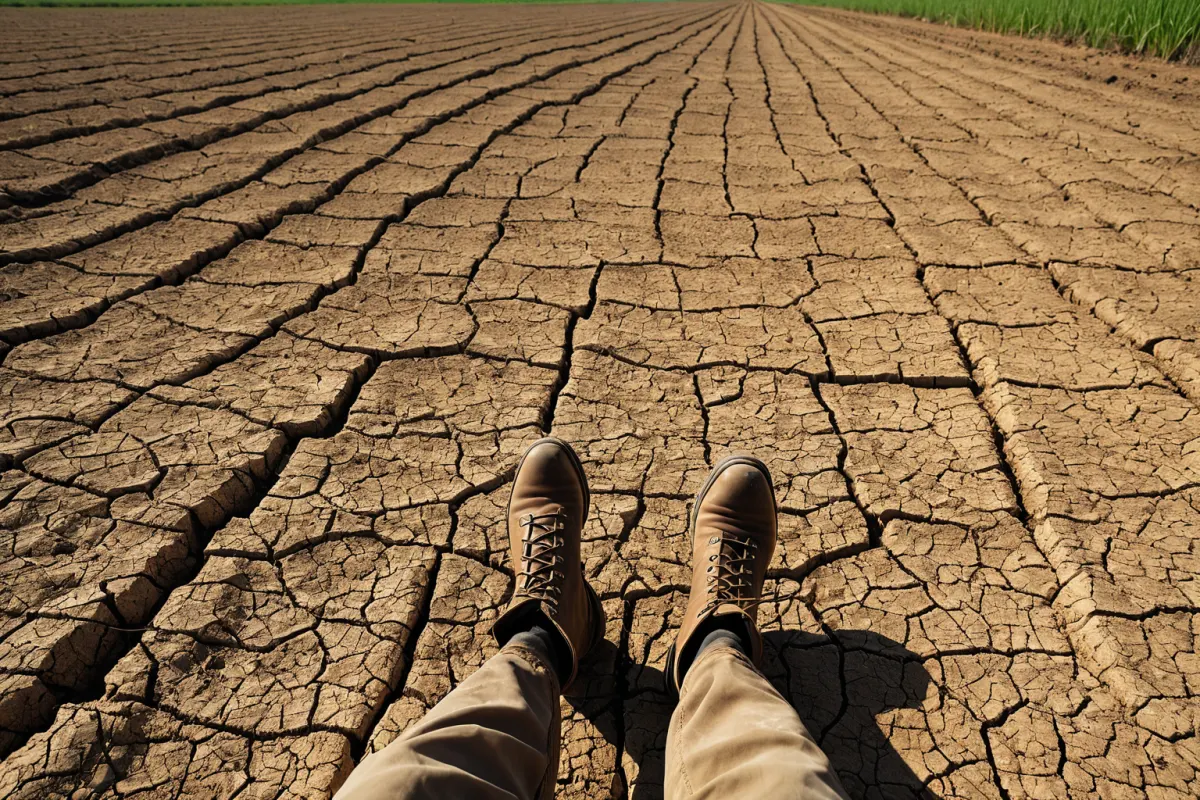
The Busan, Ulsan, and Gimhae areas are classified as experiencing 'severe drought,' likely due to lower-than-normal reservoir levels at the Nakdong River and Semyeong River dams. On August 10, reports indicated a sudden increase in algae blooms at Busan's drinking water sources alongside the drought. Authorities predict less rainfall than usual from August 9 to September.
Nationally, meteorological drought has affected parts of 48 districts, with five districts in Gyeongsangnam-do upgraded to 'serious' level on August 13. This escalation prompted criticism from Millyang City Council regarding the continuation of a water festival amid agricultural losses, highlighting growing concerns among farmers.
Causes and Development of Drought
The drought in Busan has worsened due to heatwaves and reduced rainfall. Southern regions saw rapid temperature increases starting early August, significantly impacting agriculture. Farmers in Busan, Ulsan, and Gimhae are struggling with crop cultivation.
Lower reservoir levels at the Nakdong River and Semyeong River dams have exacerbated drought severity. Reports from August 10 linked algae blooms at Busan's drinking water sources to reduced reservoir levels, underscoring the need for heightened vigilance in water resource management.
The drought situation gradually worsened between August 5 and 13: On August 5, Gimhae, Jinju, and Haman were upgraded to 'warning' level; by August 13, five districts in Gyeongsangnam-do reached the 'serious' level. This reflects intensified local responses despite not meeting national disaster response criteria.
Drought Response and Safety Information
Busan is strengthening water conservation campaigns and on-site responses. Changnyeong County has boosted water-saving awareness and heatwave safety education, while Goseong County has mobilized all resources for drought response.
A brief rain in Gyeongsangnam-do initially raised hopes of drought relief but was followed by flooding, illustrating the extreme weather pattern of alternating droughts and heavy rains.
Millyang City Council criticized a water festival's continuation amid agricultural losses, highlighting growing tensions between local communities and farmers facing significant damage.
Key Information to Verify
The specific numerical thresholds or conditions for the 'warning' drought level in Busan have not been publicly disclosed. Official announcements from government or local authorities do not clearly outline these criteria.
Drought impacts are escalating into agricultural losses and drinking water source issues, requiring comprehensive community responses. Authorities warn of prolonged drought based on August-September rainfall forecasts.
Frequently Asked Questions
What is the criterion for declaring a drought 'warning' in Busan?
The agricultural drought 'warning' level has been declared across 11 districts including Busan, Ulsan, and Gimhae, but specific numerical thresholds or conditions have not been publicly disclosed.
Which areas have been upgraded to the 'serious' drought level?
Five districts in Gyeongsangnam-do were upgraded to the 'serious' drought level on August 13, though specific district names are not clearly listed in available reports.
How is the government responding to the drought situation?
The government has not activated a major disaster response center. Instead, it is warning of prolonged drought based on rainfall forecasts for August-September, while local governments strengthen water conservation campaigns and on-site responses.
How severe are agricultural losses due to drought?
Farmers in Busan, Ulsan, and Gimhae are struggling with crop cultivation. The Millyang City Council criticized a water festival's continuation amid significant agricultural damage, highlighting growing farmer concerns.
What caused the sudden increase in algae blooms at Busan's drinking water sources?
Lower-than-normal reservoir levels at the Nakdong River and Semyeong River dams contributed to increased algae blooms at Busan's drinking water sources, indicating a need for heightened vigilance in water resource management.
Frequently Asked Questions
The drought in Busan and surrounding areas is causing agricultural losses and threatening drinking water sources, requiring community-wide responses. The government has not activated a major disaster response center but warns of prolonged drought based on August-September rainfall forecasts. Citizens are urged to strengthen personal efforts such as water conservation campaigns and on-site responses.
Specific numerical criteria for the drought 'warning' level remain unclear, so monitoring official announcements from government and local authorities is essential. Given the likelihood of recurring extreme weather patterns (droughts alternating with heavy rains), heightened attention and response to water resource management will be necessary.
You can view more articles on similar topics in one place.
View Related ArticlesFAQ
What is the criterion for declaring a drought 'warning' in Busan?
The agricultural drought 'warning' level has been declared across 11 districts including Busan, Ulsan, and Gimhae, but specific numerical thresholds or conditions have not been publicly disclosed.
Which areas have been upgraded to the 'serious' drought level?
Five districts in Gyeongsangnam-do were upgraded to the 'serious' drought level on August 13, though specific district names are not clearly listed in available reports.
How is the government responding to the drought situation?
The government has not activated a major disaster response center. Instead, it is warning of prolonged drought based on rainfall forecasts for August-September, while local governments strengthen water conservation campaigns and on-site responses.
How severe are agricultural losses due to drought?
Farmers in Busan, Ulsan, and Gimhae are struggling with crop cultivation. The Millyang City Council criticized a water festival's continuation amid significant agricultural damage, highlighting growing farmer concerns.
What caused the sudden increase in algae blooms at Busan's drinking water sources?
Lower-than-normal reservoir levels at the Nakdong River and Semyeong River dams contributed to increased algae blooms at Busan's drinking water sources, indicating a need for heightened vigilance in water resource management.
Korean Source
This article is an English localization of a Korean-language report from BlogScore. Original: 부산 가뭄 경계 발령 기준은? 시민이 꼭 알아야 할 대응 방법