
Understanding Ballistic Missile Submarines (SSBNs) vs. SLBMs: A Simple Guide
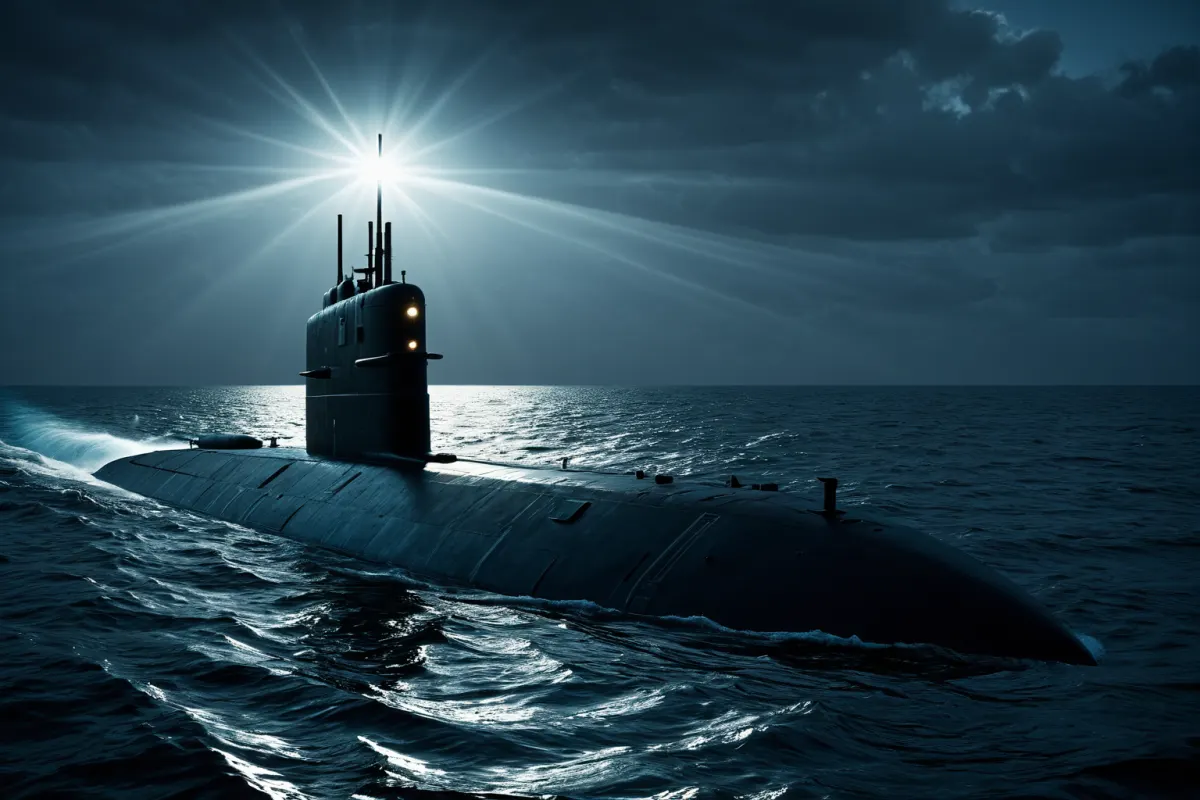
A ballistic missile submarine is literally a submarine that carries ballistic missiles for covert operations, while an SLBM refers to the missile itself launched from such a submarine. In other words, the submarine and the weapon are distinct concepts, which helps avoid confusion.
When searching online, terms like 'missile submarines,' 'nuclear ballistic missile submarines,' or 'submarine-launched ballistic missiles' may appear together, making it seem more complex. However, the core distinction is simple: the submarine is the platform, and the SLBM is the weapon being launched.
The Meaning of Ballistic Missile Submarines
A ballistic missile submarine typically refers to a sub designed to carry multiple ballistic missiles. Hidden deep underwater, it can launch missiles when needed, making it difficult for adversaries to locate them—a key feature of these vessels.
This capability goes beyond merely 'a submarine firing missiles.' It’s tied directly to a nation’s strategic deterrence, which is why such submarines are frequently mentioned in news reports due to their significant military symbolism.
You can find more articles on similar topics here.
View Related ArticlesThe Exact Meaning of SLBM
SLBM stands for Submarine-Launched Ballistic Missile. In Korean, it’s called a submarine-launched ballistic missile.
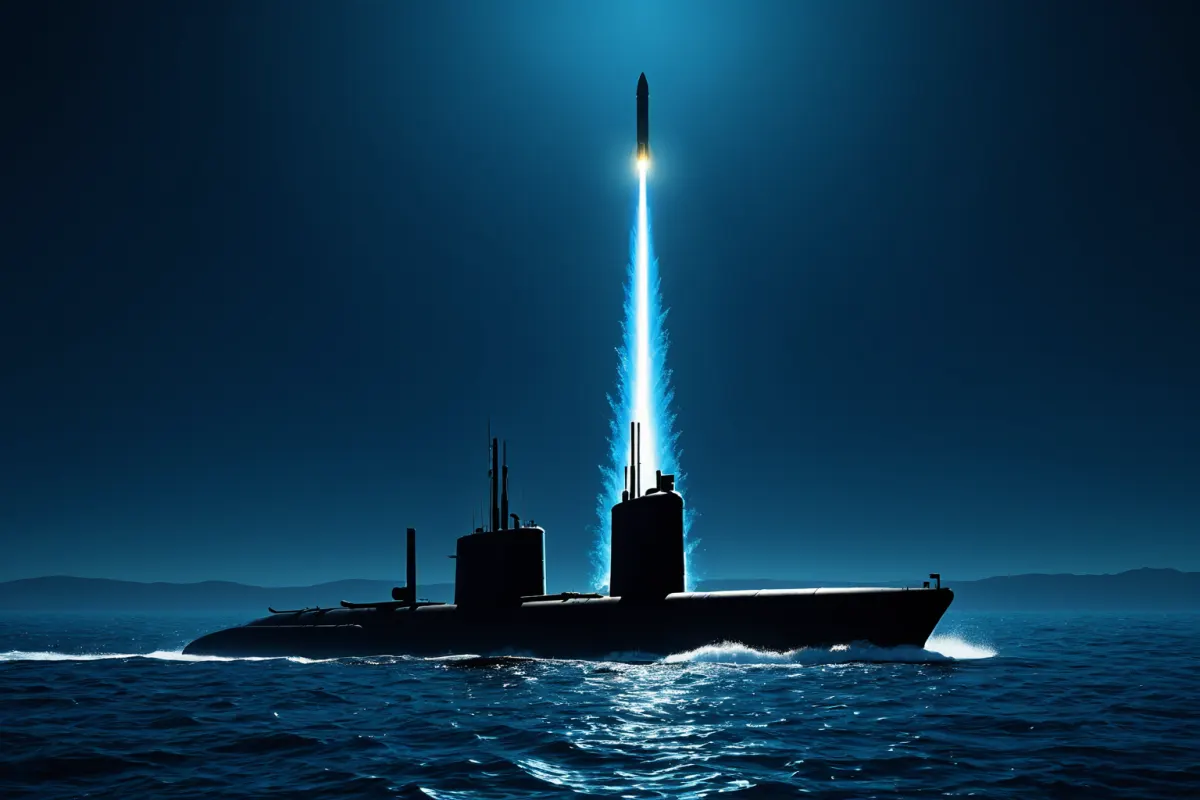
The key point here is that an SLBM refers to the missile itself, not the submarine. Misunderstandings can arise if people refer to 'SLBM submarines,' but strictly speaking, an SLBM is the missile carried by a submarine.
For example, saying 'This submarine operates SLBMs' makes perfect sense. Conversely, stating 'An SLBM submerges underwater' would be incorrect.
Distinguishing Between Ballistic Missile Submarines and SLBMs
The easiest way to differentiate them is by their roles: the submarine handles transport and stealth access, while the SLBM delivers the strike.
To use an analogy, it’s like a truck (the platform) carrying cargo (the missile). A truck alone doesn’t complete transportation, nor does cargo alone allow movement.
In short, a ballistic missile submarine is a 'submarine that carries missiles,' and an SLBM is the 'missile launched from such a submarine.' Keeping this distinction in mind makes related articles or videos much easier to understand.
Difference From Cruise Missile Submarines
When searching, you might also encounter terms like 'cruise missile submarines' alongside ballistic missiles. This is different from SLBMs. Cruise missiles fly at relatively low altitudes following a set course, whereas ballistic missiles follow an arcing trajectory after reaching high altitude before descending toward their target.
Thus, even if the same submarine carries different types of missiles, its role changes based on the missile type. For strategic deterrence purposes, SLBMs are more commonly discussed, while cruise missiles are often compared for specific targeting missions.
Even if search terms include phrases like 'Hyunmu missile submarines,' it’s important to verify what missile system is actually being referred to. Just by name, you might mistakenly assume they’re the same type of weapon.
Why 'Nuclear Missile Submarine' Causes Confusion
The term 'nuclear missile submarine' often appears in everyday articles or comments, but it’s not always accurate. It could refer to either a submarine carrying nuclear weapons or a nuclear-powered submarine—depending on context.
A nuclear-powered submarine uses nuclear propulsion for its engine, while a nuclear-tipped missile refers to the warhead type of the missile. These are entirely different concepts and should not be conflated.
This distinction is especially important in military news, so it’s helpful to keep separate the 'submarine's propulsion method' and the 'missile warhead type.'
Key Operational Points in Real-World Scenarios
The strength of a ballistic missile submarine lies in its stealth. Hidden underwater, it’s difficult for adversaries to detect or neutralize beforehand, making it a critical component of strategic deterrence.
Another key point is survivability. Unlike land-based missile sites that are easier to locate and target, submarines can move while remaining concealed. This difference is why they’re classified as strategic weapons.
For example, when countries announce missile launches, emphasizing 'launched from a submarine' instead of just 'fired a missile' often signals the difficulty in detection and counteraction—a key message for deterrence.
What to Look For in News Articles
When reading related news, it’s helpful to focus on three key points: first, whether the submarine is nuclear-powered or diesel-electric; second, if the missile carried is an SLBM or a cruise missile; third, whether the purpose is deterrence or test launches.
Distinguishing these three elements makes it easier to assess whether a news headline is exaggerated or carries real significance. Additionally, it’s important to note that 'successful launch' and 'operational deployment' represent entirely different levels of capability.
For instance, beginners checking articles should first verify if the submarine itself has changed or if the missile system has been upgraded. This approach reduces confusion caused by similar terminology.
Frequently Asked Questions
Q1: Are ballistic missile submarines and SLBMs the same thing?
No. A ballistic missile submarine is a vessel designed to carry missiles, while an SLBM refers to the missile launched from that submarine.
Q2: Is a 'nuclear missile submarine' the same as a nuclear-powered submarine?
No. Nuclear propulsion relates to how the submarine moves, whereas 'nuclear missile' describes the type of warhead on the missile.
Q3: What's the difference between cruise missiles and SLBMs?
Cruise missiles fly at lower altitudes following a course, while SLBMs follow ballistic trajectories after reaching high altitude before descending toward their target.
Military terminology can seem similar but often hinges on small differences. Keeping in mind that a ballistic missile submarine is the 'platform' and an SLBM is the 'weapon' simplifies most confusion.
Details like specifications or actual deployment may vary by country and announcement timing, so it’s best to check official releases for the latest information.
Continue exploring similar topics.
View Category ArticlesFAQ
Are ballistic missile submarines and SLBMs the same thing?
No. A ballistic missile submarine is a vessel designed to carry missiles, while an SLBM refers to the missile launched from that submarine.
Is a 'nuclear missile submarine' the same as a nuclear-powered submarine?
No. Nuclear propulsion relates to how the submarine moves, whereas 'nuclear missile' describes the type of warhead on the missile.
What's the difference between cruise missiles and SLBMs?
Cruise missiles fly at lower altitudes following a course, while SLBMs follow ballistic trajectories after reaching high altitude before descending toward their target.
Korean Source
This article is an English localization of a Korean-language report from BlogScore. Original: 탄도 미사일 잠수함(BRMM)과 SLBM 차이 쉽게 정리