
Understanding and Addressing the Decline in Hotel Occupancy Rates
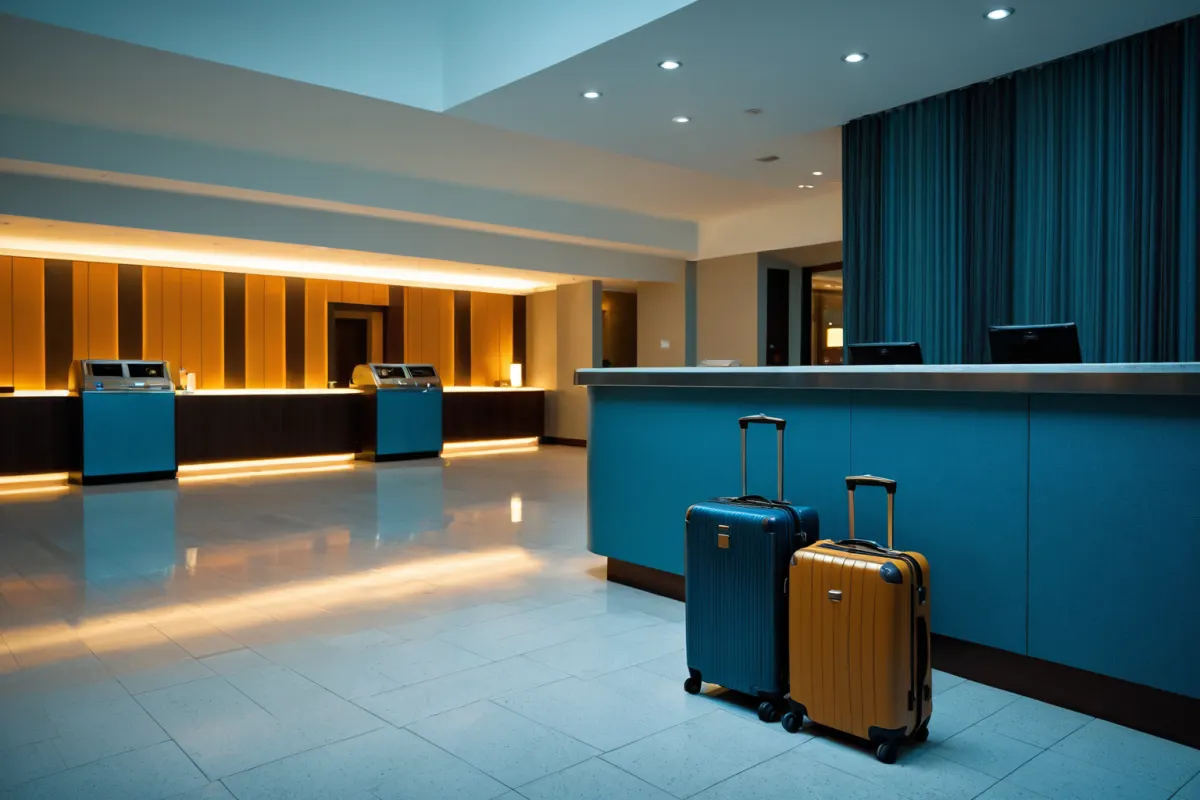
The decline in hotel occupancy is not simply due to reduced travel demand. It's a combination of factors including high reservation channel fees, economic slowdown, shorter travel durations, and uneven regional demand patterns, leading to more empty rooms. Therefore, effective strategies should focus on improving booking conversion rates and increasing repeat visits rather than just lowering prices.
Why Occupancy Declines Are Becoming More Noticeable
The most immediate change hoteliers are experiencing is a polarization between weekends/holiday seasons (which remain busy) versus off-peak periods (which become quiet). Unlike the past when 'just getting bookings' was common, customers now compare multiple platforms before choosing the best option.
This decline isn't solely due to fewer travelers. Within the same region, demand is spreading across large hotels, budget accommodations, private villas, and alternatives like camping or car camping, causing customer traffic to fragment among different options.
You can find similar articles in one place.
View Related ArticlesCore Reasons for Declining Bookings
The first factor is changing consumer spending patterns. As travelers seek to save money, they often reduce or eliminate accommodation costs, opting instead for day trips rather than overnight stays. This makes it difficult for hotels to maintain room rates.
The second factor is how easily customers can compare options now. Guests can instantly evaluate photos, reviews, location, and cancellation policies across platforms. If a property's details are slightly less favorable, they'll quickly switch to another option. A poorly optimized booking page will make occupancy declines more noticeable.
The third factor is regional event scheduling and tourist flow discrepancies. Some areas host festivals or exhibitions without translating into hotel bookings, while others see concentrated demand during specific seasons. This means overall demand might seem strong, but actual room occupancy rates may fall short of expectations.
Why Just Lowering Prices Isn't Enough
Many operators first consider discounts as a solution. However, simply reducing room rates can increase short-term bookings while severely hurting profitability. Fixed costs like labor and maintenance make this approach especially challenging for many properties.
For example, offering 20% off during weekdays in low season might fill rooms, but after deducting cleaning costs and operational expenses, little profit remains. Instead, it's better to clarify 'why choose our property' before adjusting prices.
Properties struggling with occupancy should focus on fundamentals: review management, updated photos, improved check-in convenience, and clear cancellation policies. While customers may seem price-focused, they actually prefer properties with fewer uncertainties.
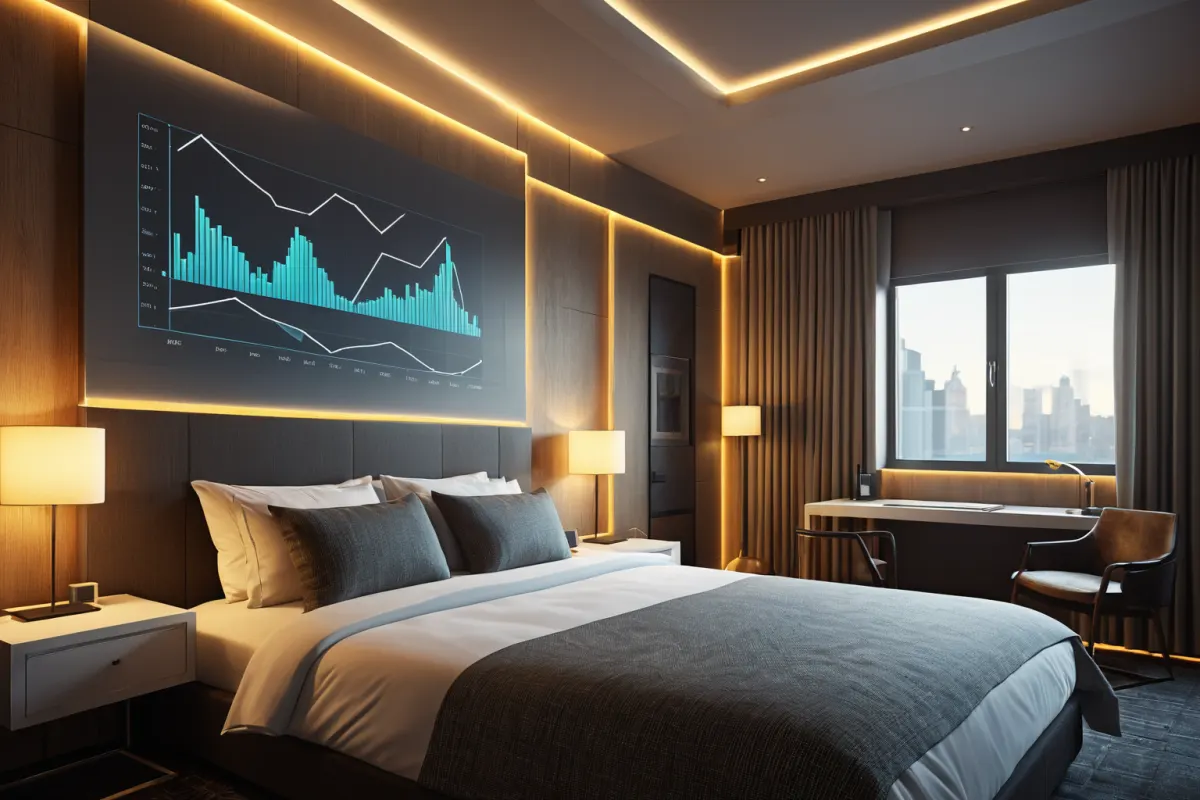
Actionable Strategies for Immediate Implementation
The first step is to examine your booking conversion points. If you're getting high visibility but few bookings, the issue likely lies in your property page rather than advertising. Poorly lit main photos or unclear room benefits can lead to immediate drop-offs after clicking.
For example, family-oriented properties should highlight parking, kitchen facilities, child-friendly layouts, and bathroom conditions rather than just bed images. For couples, emphasize quiet ambiance, views, nearby walking paths, and late check-in options—tailoring content to your target audience improves conversion rates.
The second strategy is diversifying your offerings. Instead of selling just accommodation, bundle breakfast, multi-night discounts, late check-out on weekdays, or local experiences. Different packages create perceived value even for the same room type.
The third approach is building repeat customers. To encourage return visits, ensure a smooth checkout process and avoid overwhelming guests with excessive follow-up messages. Simple thank-you notes and future visit incentives can make a significant difference.
Real-World Examples of Effective Changes
For example, city business hotels often face declining weekday demand. Instead of group discounts, they should emphasize long-stay discounts, quiet work environments, and fast Wi-Fi—factors that matter more to business travelers than price alone.
Conversely, tourist area guesthouses are heavily reliant on weekends. To address this, they should develop weekday-focused content by bundling nearby cafes, walking routes, and local dining information with their accommodation offerings. This transforms simple lodging into a 'reason to stay,' helping alleviate occupancy declines.
A small-scale property owner improved booking conversion rates without lowering prices—by addressing common complaints mentioned in reviews and updating photos and descriptions. While inquiries remained similar, confirmed bookings increased significantly. The key is making the decision easier for guests rather than just making your property more visible.
Considering Broader Industry Trends
The occupancy decline isn't isolated to hotels—it affects restaurants, cafes, experience venues, and transportation services in the area. When hotels are empty, surrounding businesses see shorter customer dwell times and reduced overall spending.
To counter this, some areas now integrate accommodation with tourism rather than treating them separately. By connecting hotel vacancies with local festival schedules, evening activities, or small events to extend stay durations, they enhance the overall visitor experience for the entire region—not just individual properties.
Business owners shouldn't view declining occupancy as simply 'no customers.' Understanding who is leaving, when, and why will reveal improvement opportunities. Reviewing customer feedback, inquiries, and cancellation reasons can provide clear insights into what's needed to improve.
Quick Checklist for Immediate Action
These items are easy to check today:
- Do main photos clearly showcase room benefits?
- Are cancellation policies simple and transparent?
- Is the description tailored to your primary customer group?
- Are reviews being actively managed with recent feedback?
- Do you have dedicated weekday offerings?
Checking just these five items can transform booking flow. Especially photos and descriptions significantly impact decisions—customers often decide within 10 seconds whether to proceed.
FAQ
Q1. Can I immediately tell if declining occupancy is due to economic factors?
A. It's difficult to determine definitively. You need to consider regional event schedules, increased competition from other accommodations, and changes in reservation platforms to accurately identify the root cause.
Q2. What should be addressed first among response strategies?
A. Typically, improving your property page and review management comes before price adjustments. Identify where booking conversions are getting blocked before considering pricing changes.
Q3. Can small-scale properties benefit from these strategies?
A. Absolutely. Small properties often see better results because they can clearly define their target audience and effectively bundle room features with nearby attractions, leading to faster conversion improvements.
The hotel market varies significantly by region, so a single solution won't work everywhere. However, understanding current trends and adjusting your product offerings and presentation methods can help reduce the impact of declining occupancy rates. Since reservation platform policies and local tourism schedules change frequently, it's advisable to regularly review these factors across your active channels.
Continue exploring similar topics.
View Category ArticlesFAQ
Can I immediately tell if declining occupancy is due to economic factors?
It's difficult to determine definitively. You need to consider regional event schedules, increased competition from other accommodations, and changes in reservation platforms to accurately identify the root cause.
What should be addressed first among response strategies?
Typically, improving your property page and review management comes before price adjustments. Identify where booking conversions are getting blocked before considering pricing changes.
Can small-scale properties benefit from these strategies?
Absolutely. Small properties often see better results because they can clearly define their target audience and effectively bundle room features with nearby attractions, leading to faster conversion improvements.
Korean Source
This article is an English localization of a Korean-language report from BlogScore. Original: 숙박객감소 현상이 계속되는 이유와 대응 전략