
Ulsan Paint Factory Fire: Evacuation Procedures and Safety Tips
Evacuation Procedures for Ulsan Paint Factory Fire
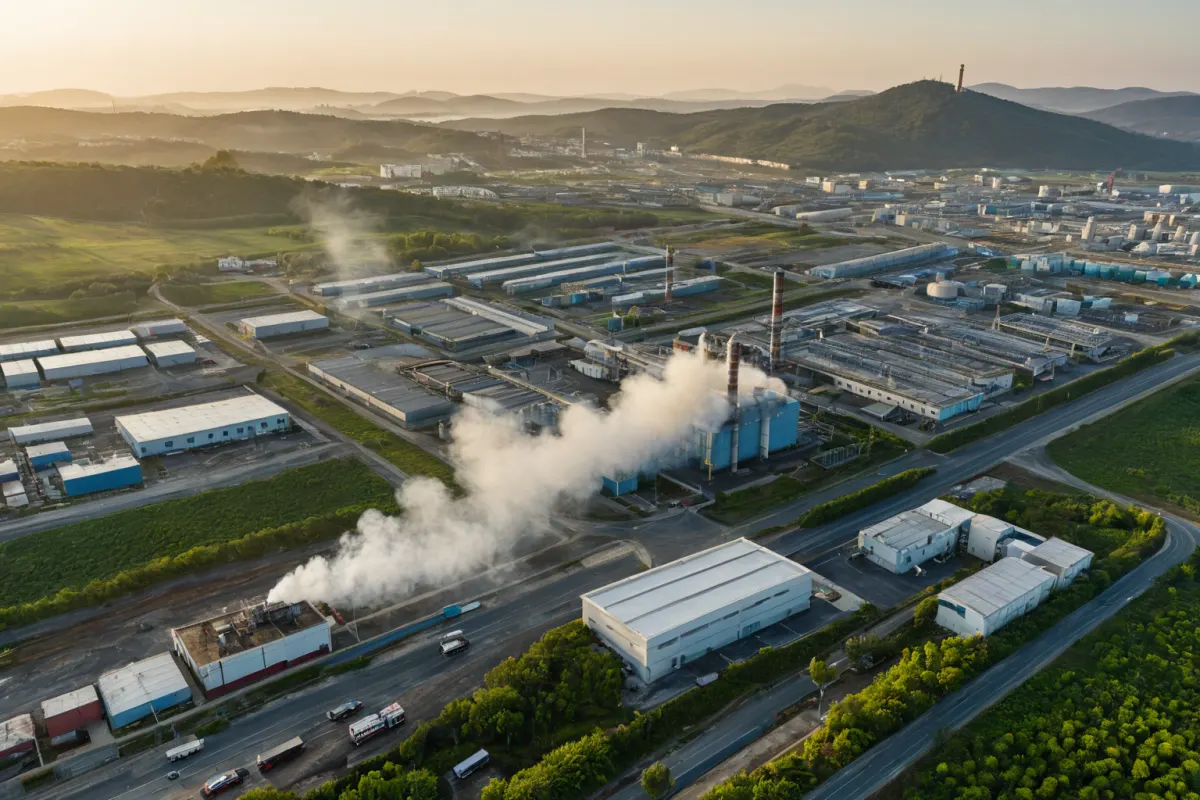
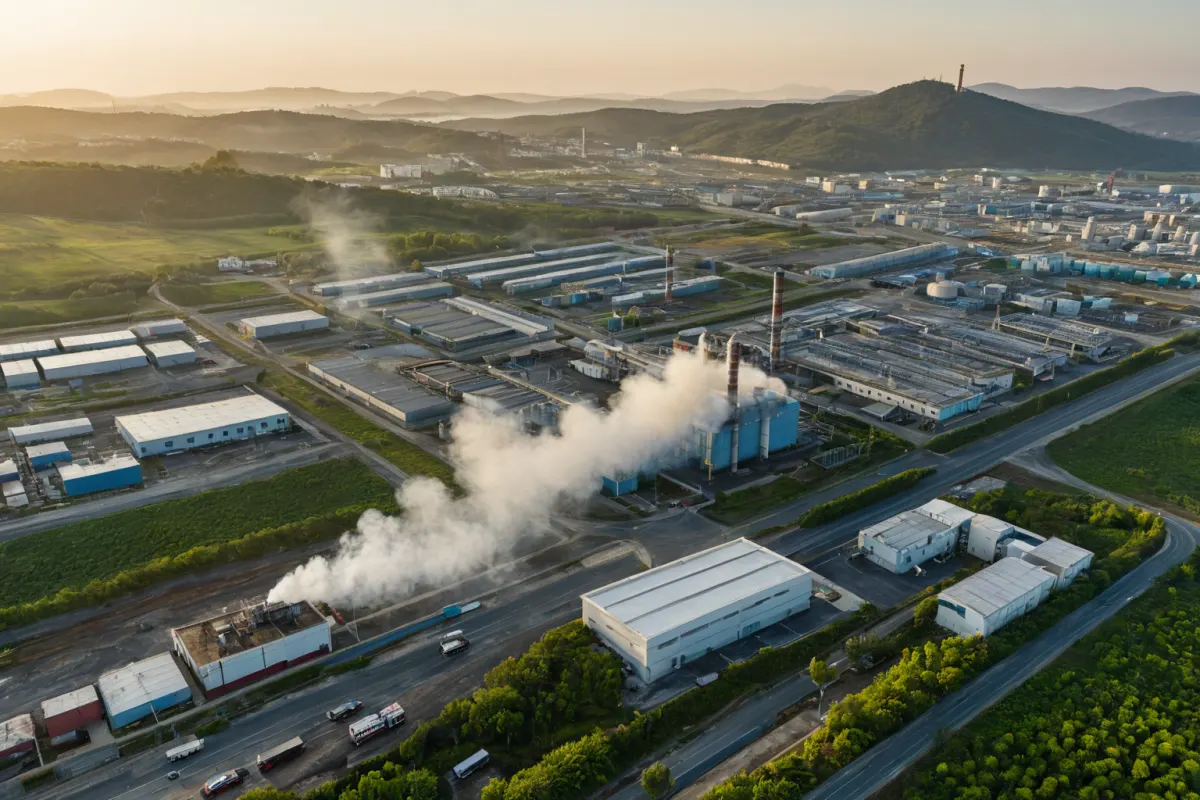
A fire at a paint factory and warehouse in Nam-gu, Ulsan resulted in one fatality and four injuries due to toxic gas emissions, prompting mandatory evacuations. The fire was classified as a level 1 response by firefighters, with challenges from extreme heat delaying extinguishment until it was fully controlled after four hours.
Incident Overview
The fire broke out at 12:42 a.m. on August 3, 2026, at a paint factory and warehouse in Nam-gu, Ulsan. Firefighters immediately activated level 1 response measures, though reports indicated difficulties extinguishing the blaze due to extreme heat. The fire occurred near residential areas, prompting evacuations as thick black smoke covered nearby apartment buildings. This area is known for having a high concentration of small businesses alongside residential spaces, creating vulnerabilities in safety management.
Victims and Response
By 12:57 a.m., one fatality and one severe injury were reported. By 4:51 a.m., the toll had risen to one death and four injuries. The fire was extinguished at 4:51 a.m., four hours after ignition, but concerns about safety management gaps emerged due to the incident’s location near residential zones. Firefighters used toxic gas detection equipment to determine evacuation zones, highlighting shortcomings in routine inspections.
Fire Cause and Additional Risks
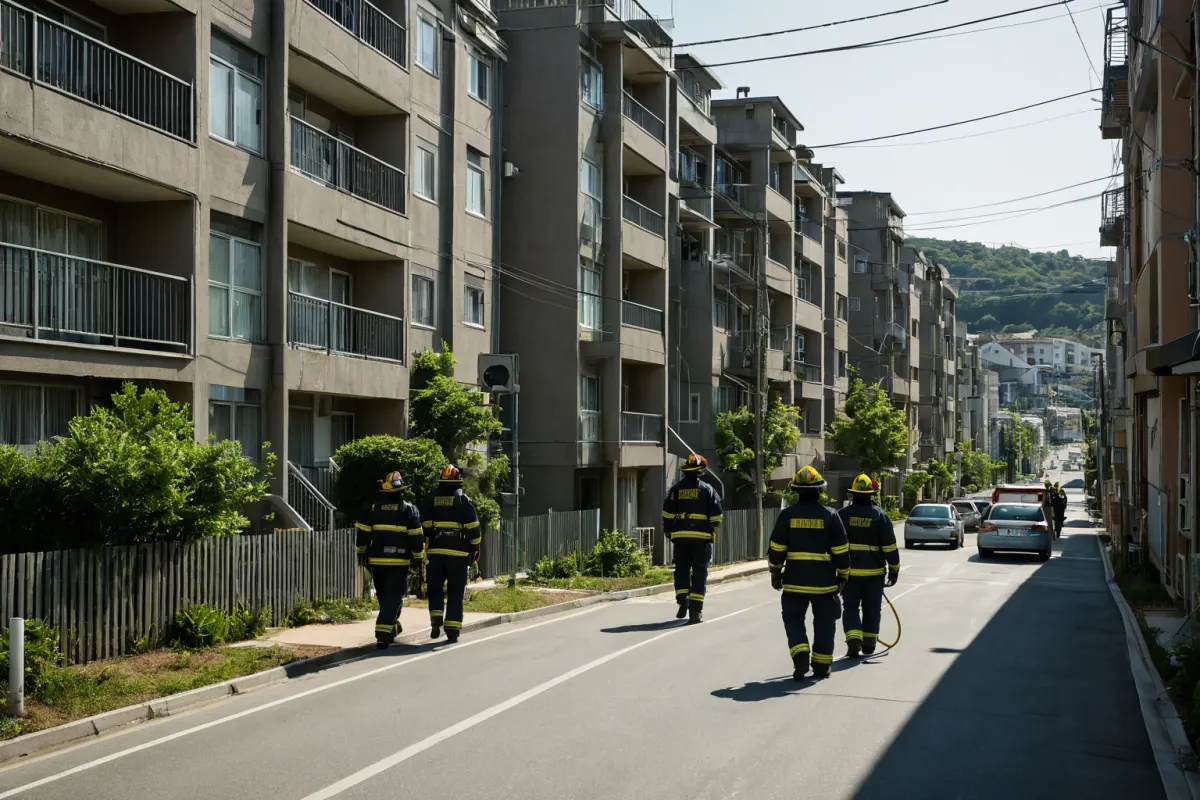
Extreme heat reportedly raised temperatures in chemical storage areas, complicating fire suppression efforts. Toxic gas emissions led to mandatory evacuations as black smoke covered nearby apartment buildings, raising concerns about potential additional harm. The factory stored benzene and toluene, toxic chemicals that can release hazardous gases when burned. This contributed to a near-miss incident where firefighters were not wearing protective suits, risking further injuries.
Safety Management and Prevention Measures
The fire exposed gaps in safety management for factories located near residential areas. The lack of proper safety protocols led to delayed evacuations during toxic gas emissions. Moving forward, stricter safety inspections for factories and warehouses in urban areas are needed, along with improved evacuation procedures for toxic gas incidents. Chemical storage facilities must maintain a minimum 50-meter safe distance from residential zones, and regular fire drills and hazardous material management training should be mandatory.
Key points to remember: 1) Report fires immediately to emergency services; 2) Evacuate to designated shelters during toxic gas events; 3) Monitor temperature levels in warehouses and factories during extreme heat. Chemical storage near residential areas requires proper safety distances and regular inspections.
Incident Details
The Ulsan paint factory fire occurred at 12:42 a.m. on August 3, 2026, with a level 1 emergency response activated. The confirmed casualties were one fatality and four injuries, with the fire extinguished after four hours. Toxic gas emissions prompted mandatory evacuations, as the incident took place near residential areas in Ulsan Nam-gu. Details were confirmed through an official release from Ulsan Nam-gu Office, with ongoing investigations by the Fire Department and Police.
Frequently Asked Questions
What should you do first if a fire breaks out?
If a fire occurs, immediately call 119 (emergency services) and move to the nearest evacuation shelter. During toxic gas incidents, cover your mouth with a mask or cloth and evacuate quickly.
How did toxic gas impact the Ulsan paint factory fire incident?
Toxic gas emissions led to mandatory evacuations as thick black smoke covered nearby apartment buildings, raising concerns about additional harm. Residents had to evacuate urgently due to these conditions.
How did extreme heat affect firefighting efforts?
Extreme heat raised temperatures in chemical storage areas, making fire suppression more difficult and extending response times. This heightened the risk of further damage and injuries.
Post-Incident Discussions
Following the incident, Ulsan City announced comprehensive inspections for chemical storage facilities within urban areas starting August 15, 2026. All factories and warehouses will be required to submit regular safety inspection reports. Additionally, evacuation routes and designated shelters are being established by neighborhood to address delays in evacuations during toxic gas incidents.
The Fire Department plans to implement new guidelines from September 2026, including mandatory protective gear for firefighters during toxic gas events. This aims to prevent further injuries due to the lack of proper equipment observed during the incident.
Residents near the fire site remain concerned about potential health impacts from chemical exposure. Ulsan City Health Center is offering free health screenings, with special support for vulnerable groups like children and elderly residents. These measures aim to address community concerns and ensure long-term health monitoring.
You can find similar articles on this topic in one place.
View Related ArticlesFAQ
What should you do first if a fire breaks out?
If a fire occurs, immediately call 119 (emergency services) and move to the nearest evacuation shelter. During toxic gas incidents, cover your mouth with a mask or cloth and evacuate quickly.
How did toxic gas impact the Ulsan paint factory fire incident?
Toxic gas emissions led to mandatory evacuations as thick black smoke covered nearby apartment buildings, raising concerns about additional harm. Residents had to evacuate urgently due to these conditions.
How did extreme heat affect firefighting efforts?
Extreme heat raised temperatures in chemical storage areas, making fire suppression more difficult and extending response times. This heightened the risk of further damage and injuries.
Korean Source
This article is an English localization of a Korean-language report from BlogScore. Original: 울산 페인트공장 화재 시 대피 절차와 주의 사항