
Ukraine's North Korea POW Exchange Negotiations: Current Status
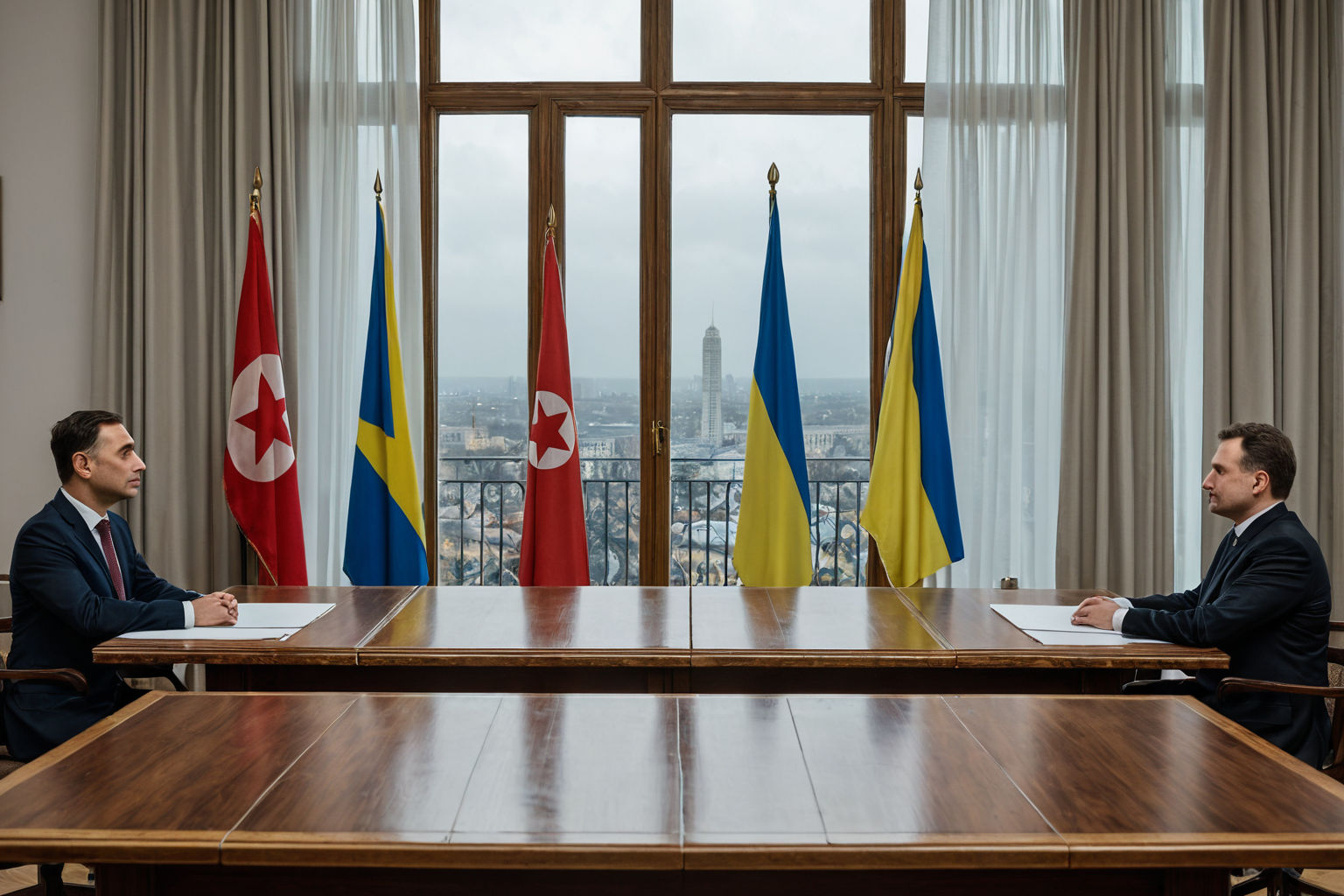
North Korean POW Exchange Negotiations Status
South Korea has confirmed the return of two North Korean soldiers captured in Ukraine, which is effectively finalized. The Ministry of Foreign Affairs stated that necessary consultations are underway and pledged to expedite the exchange process. This marks the first such return after 18 months, appearing to be the result of behind-the-scenes government negotiations.
The Ukrainian government has expressed sensitivity regarding the North Korean POW exchange issue, but President Zelenskyy confirmed that two North Korean soldiers will be sent to South Korea. Russia has twice requested the return of North Korean POWs captured in two separate incidents, though Ukraine has responded sensitively to related matters.
The UN Human Rights Office has stipulated that preventing forced repatriation of North Korean POWs is Ukraine's obligation. This demonstrates Ukraine's adherence to international standards when transferring North Korean POWs to South Korea.
UN Human Rights Office Regulations and International Context
On July 1, 2026, the Ukrainian government reported exclusively that both countries had reached consensus on North Korean POWs traveling to South Korea. This aligns with the UN Human Rights Office's regulations, suggesting that North Korean POWs can move voluntarily to South Korea without forced repatriation.
On July 2, 2026, the Ukrainian government stated its support for transferring North Korean POWs to South Korea, despite Russian overtures. It appears a consensus on 'South Korea-bound' movement has formed, representing a new approach to the issue of North Korean POWs in international society.
According to a September 23, 2026, report by Chosun Ilbo, President Zelenskyy announced that North Korean POWs had moved to South Korea. However, on September 24, 2026, statements from Yoo Yong-won and the government's inability to verify this conflicted with the announcement, highlighting reporting discrepancies and negotiation complexities.
Negotiation Progress and Key Dates
On May 10, 2026, it was reported that Russia had requested twice the return of North Korean POWs. This demonstrates the complexity of international negotiations.
On July 1, 2026, the Ukrainian government officially confirmed that North Korean POWs could move to South Korea. This appears to be the result of behind-the-scenes government negotiations.
On September 23, 2026, President Zelenskyy announced that North Korean POWs had moved to South Korea, but the government claimed it was unable to verify this. This reflects information gaps during the negotiation process.
On September 24, 2026, Yoo Yong-won stated that two North Korean POWs arrived in South Korea after a June agreement on repatriation. This appears to be an official government confirmation.
Response and Safety Information
The Ukrainian government is considering prohibiting forced repatriation of North Korean POWs. This aligns with international human rights standards, ensuring North Korean soldiers can voluntarily move to South Korea.
The South Korean government has expressed difficulty confirming the return of North Korean POWs to South Korea. Some reports suggested that it had been 20 months since North Korean POWs moved to South Korea, but whether actual repatriation occurred remains unclear.
Russia proposed exchanging Ukrainian POWs in return, but negotiations remain delayed. This raises new considerations regarding the roles of North Korea and Russia in international relations.
Information to Verify
The government stated that consultations are underway with relevant countries based on the free will of the parties involved. This implies respect for individual choice during the process of transferring North Korean POWs to South Korea.
North Korea has not issued an official statement, but returns appear to have occurred since mid-month. This suggests additional information is needed regarding the North Korean government's stance.
An analysis also suggested that a $100 million aid package influenced the POW repatriation process. This illustrates the connection between international aid and political negotiations.
Incidents Involving Defectors
Reports emerged of defectors visiting Ukraine to discuss North Korean POWs, later being charged with violating passport laws. This shows that individual activities related to international negotiations can lead to legal issues.
On August 7, 2026, defectors were charged after their visit to Ukraine for discussions about POWs, highlighting how personal actions in international negotiations may face legal restrictions.
Frequently Asked Questions
Has the North Korean POW exchange actually taken place?
On September 24, 2026, the government confirmed that two North Korean soldiers captured in Ukraine had been repatriated to South Korea. This marks the first such return after 18 months and appears to be the result of behind-the-scenes negotiations.
How did the government confirm the North Korean POW exchange?
Yoo Yong-won stated that two North Korean POWs arrived in South Korea following an agreement on repatriation in June. This is considered an official government confirmation.
How are Russia and Ukraine progressing with their negotiations?
Russia has twice requested the return of North Korean POWs captured in separate incidents, but Ukraine has responded sensitively to related matters. Russia proposed exchanging Ukrainian POWs, but negotiations remain delayed.
What is the government's official stance on North Korean POW repatriation?
The Ministry of Foreign Affairs stated that 'necessary consultations are underway' and pledged to expedite the exchange process. This suggests the government is proceeding cautiously with the transfer process.
Frequently Asked Questions
The return of two North Korean soldiers to South Korea has been effectively confirmed. This appears to be the result of international negotiations and adherence to human rights standards. The Ukrainian government is considering a ban on forced repatriation, aligning with UN Human Rights Office regulations.
The government stated that consultations are underway based on the free will of the parties involved, meaning individual choice is respected during the transfer process. Additionally, analysis suggests a $100 million aid package may have influenced the repatriation process.
Reports of defectors being charged after visiting Ukraine to discuss POWs highlight how personal activities related to international negotiations can face legal consequences. This serves as a consideration for future negotiation processes.
The Ukrainian government has expressed sensitivity regarding North Korean POW exchange issues, but President Zelenskyy confirmed the two soldiers would be sent to South Korea. This represents a new approach in international negotiations.
Russia twice requested the return of captured North Korean POWs, but Ukraine has responded sensitively to related matters. This demonstrates the complexity of North Korea and Russia's roles in international relations.
On September 24, 2026, the government confirmed the repatriation of two North Korean soldiers captured in Ukraine. This appears to be the result of international negotiations and adherence to human rights standards. The government is expected to continue relevant negotiations moving forward.

You can view similar articles on this topic in one place.
View Related ArticlesFAQ
Has the North Korean POW exchange actually taken place?
On September 24, 2026, the government confirmed that two North Korean soldiers captured in Ukraine had been repatriated to South Korea. This marks the first such return after 18 months and appears to be the result of behind-the-scenes negotiations.
How did the government confirm the North Korean POW exchange?
Yoo Yong-won stated that two North Korean POWs arrived in South Korea following an agreement on repatriation in June. This is considered an official government confirmation.
How are Russia and Ukraine progressing with their negotiations?
Russia has twice requested the return of North Korean POWs captured in separate incidents, but Ukraine has responded sensitively to related matters. Russia proposed exchanging Ukrainian POWs, but negotiations remain delayed.
What is the government's official stance on North Korean POW repatriation?
The Ministry of Foreign Affairs stated that 'necessary consultations are underway' and pledged to expedite the exchange process. This suggests the government is proceeding cautiously with the transfer process.
Korean Source
This article is an English localization of a Korean-language report from BlogScore. Original: 우크라이나에서 북한 포로 송환 협상의 현재 상황