
Ukraine Bomb Damage Compensation: Eligibility and Application Process
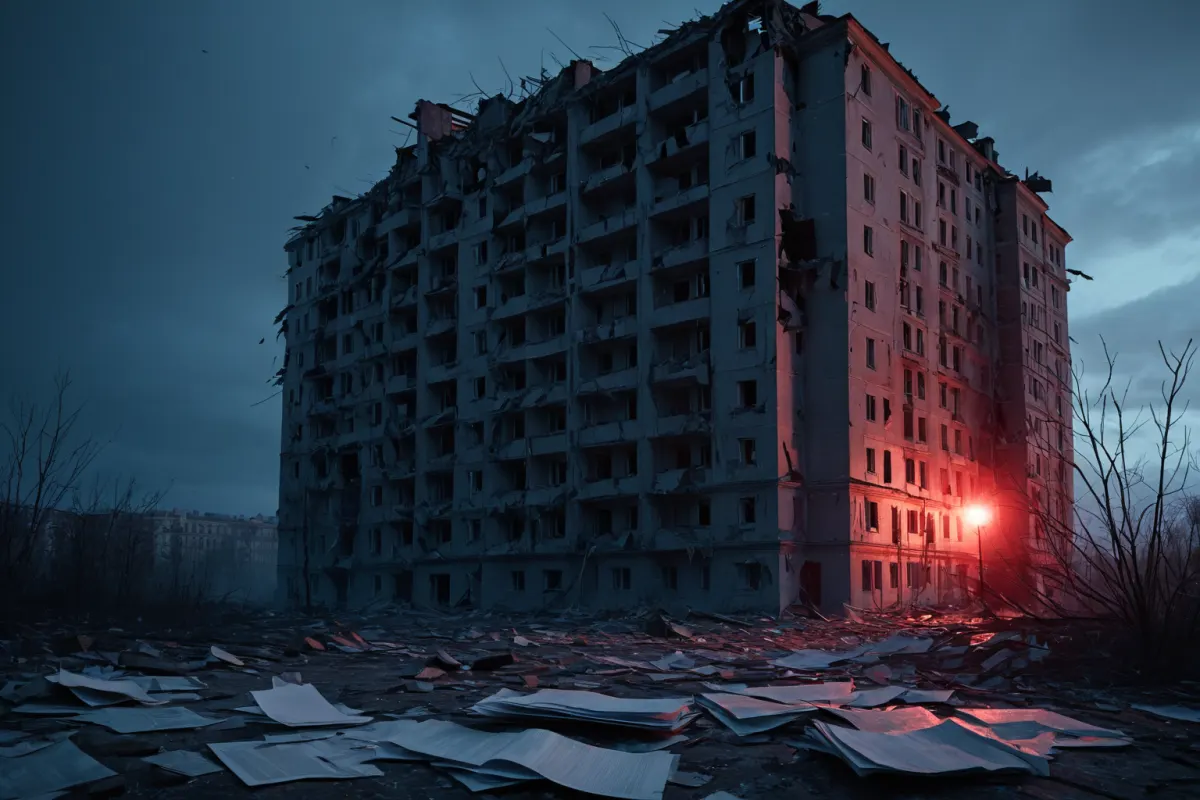
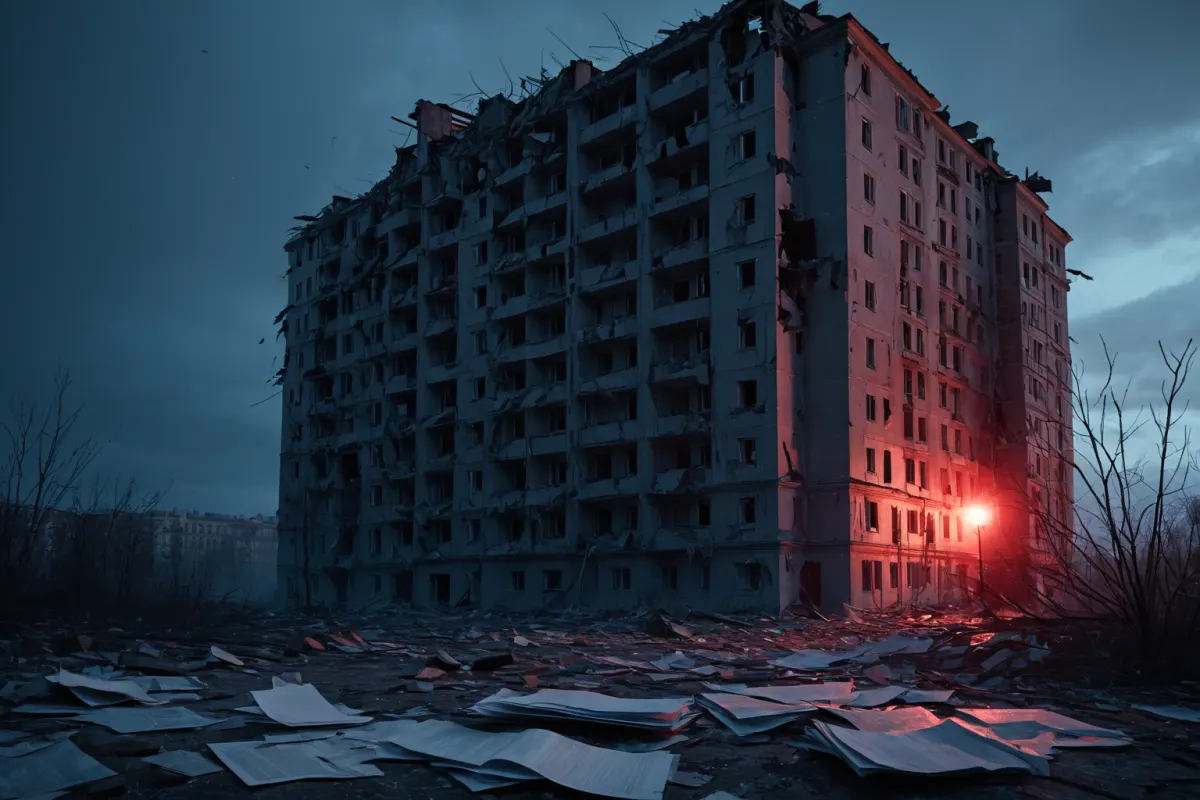
To receive compensation for Ukraine bombing damage, it's essential to understand what kind of damage you've suffered and how that damage is verified. War damage compensation isn't automatically granted based solely on a claim of 'I was affected'—you need proof of the damage, the right applicant, and the proper submission channel.
However, this process differs from typical consumer compensation because it involves different entities: governments, international organizations, insurance companies, and relief programs. Each operates differently, so you can't apply in a one-size-fits-all manner. First, review eligibility criteria, then carefully align your documents and application flow with the specific requirements.
Scope of Ukraine Bomb Damage Compensation
Ukraine bombing damage compensation is typically categorized into four main areas: loss of life, property damage to homes, business disruption, and personal asset damage. If a building was damaged by blast shock, a business facility collapsed, or family members were injured or killed, relevant documentation becomes crucial.
The key point here is that the damage must be verifiable as having occurred due to war or bombing. Supporting evidence like photos, videos, witness statements, medical records, and police or administrative documents can strengthen your case.
For example, if apartment windows and walls were damaged by a bombing blast, gather photos taken immediately after the incident, repair estimates, resident confirmation letters, and official damage registration records from local authorities. Having these materials will make the review process smoother later on.
You can view similar articles all at once.
View Related ArticlesKey Eligibility Criteria for Application
Eligibility depends on who is providing the compensation. Whether it's an international organization program, Ukraine's domestic system, or external aid funds will determine who can apply and how to submit.
Generally, applicants must have been residing or staying in the affected area at the time of damage, actually suffered the damage, and be able to prove it. It varies by program whether property owners alone qualify, or renters and business operators are also eligible—so check each program's specific criteria.
A common misconception is that you can't apply without ownership rights. In reality, residents or tenants who can prove living-related damage may qualify, meaning landlords and tenants might need different documents.
Required Documents
Preparing documentation accounts for about half of the compensation process. You'll need materials showing the damage, identification, and evidence of the extent of loss.
- Copies of passport or ID
- Proof of residence
- Photos and videos of the damaged site
- Medical diagnosis reports or treatment records
- Repair estimates, receipts, or disposal confirmation
- Official damage registration confirmation from local authorities
Photos that include dates and locations are especially helpful. The same photo taken immediately after the incident versus days later can affect credibility, so keeping original files is safer.
In practice, having many documents doesn't always mean an advantage—what matters most is how well they connect to the damage. For instance, if you have medical records but no explanation linking them to the bombing, include a report detailing the incident or police notification as additional evidence.

Basic Application Process Flow
The compensation application process generally follows this sequence: 'Damage registration → Document submission → Fact verification → Review → Decision.' However, some programs require first registering damage with local administrative offices before moving to a central system, while others only accept online applications.
Instead of trying to submit everything perfectly from the start, it's more practical to submit the minimum required documents first and then add supplementary materials later. Submission deadlines and channels can change frequently, so checking current status before submitting is essential.
For example, when applying for home damage compensation, submit photos of the damage, proof of residence, and ownership or rental verification first, followed by repair estimates and detailed loss reports. For business damage claims, additional documents like business registration records and sales data may be required.
Common Reasons for Rejection
The most common reasons for denial include insufficient evidence, mismatched timing of the damage, duplicate applications, or incorrect jurisdiction. Submitting the same claim to multiple channels can lead to issues during review.
If you have photos but lack clear connections to yourself or the incident, or if the damage appears unrelated to bombing (e.g., structural collapse not caused by blast), your application may be put on hold. In such cases, witness statements from neighbors, official damage classifications, and other supporting documents can help resolve this.
In practice, the content of the documents often matters more than their names. Instead of saying 'Family members were injured,' include specific details like when and what treatment was received in medical records. Rather than stating 'Home was damaged,' provide clear evidence of damage extent and repair needs.
How to Easily Prove Damage
The easiest way to prove damage is to document it immediately after the incident. If possible, take photos, videos, and notes on the same day, and collect medical records or receipts right away if seeking treatment.
Keeping brief notes in your phone memo app about 'when, where, what happened, and how' can make writing a statement later much easier. For example: 'March 12, 2025, early morning, window damage at residence in Kyiv, no injuries, repair needed.'
For significant damage, don't try to handle everything alone—seek help from local administrative offices, relief organizations, lawyers, or interpreters. Language barriers can lead to missed submissions, so accurately translating document names and dates is critical.
Why Checking Related Programs Is Important
Ukraine bombing compensation isn't limited to one program. Separate support programs may exist for home repairs, emergency living assistance, medical aid, insurance claims, and international relief efforts.
This means it's crucial to determine where to apply first. Some programs require prior damage registration before other funds are processed, while others operate independently. Choosing the wrong sequence can lead to unnecessary re-submission of documents.
If a family member died or suffered serious injury, more rigorous evidence may be required than for general property damage. In such cases, medical records, official death certificates, and family relationship documentation should be included.
FAQ
Q1. Can foreigners apply for Ukraine bombing damage compensation?
It depends on the program. If you can prove residence and damage, you may qualify, though immigration status and type of damage are often more important than nationality.
Q2. Is a photo alone enough to apply?
No—photos alone usually aren't sufficient. You need additional documentation linking yourself to the location and timing of the incident for a smoother review process.
Q3. Can I submit an application without all documents?
Some programs allow initial submission with basic documents, followed by supplementary materials. However, missing too many items can delay processing, so it's best to prepare core evidence first.
This article provides general information only; actual eligibility and required documents may vary based on current operating programs and announcements. Always verify the latest requirements before applying.
Continue exploring similar topics.
View Category ArticlesFAQ
Can foreigners apply for Ukraine bombing damage compensation?
It depends on the program. If you can prove residence and damage, you may qualify, though immigration status and type of damage are often more important than nationality.
Is a photo alone enough to apply?
No—photos alone usually aren't sufficient. You need additional documentation linking yourself to the location and timing of the incident for a smoother review process.
Can I submit an application without all documents?
Some programs allow initial submission with basic documents, followed by supplementary materials. However, missing too many items can delay processing, so it's best to prepare core evidence first.
Korean Source
This article is an English localization of a Korean-language report from BlogScore. Original: 우크라이나폭탄피해 보상 신청 자격과 절차