
The UK and Democratic Republic of the Congo: Key Issues Through History
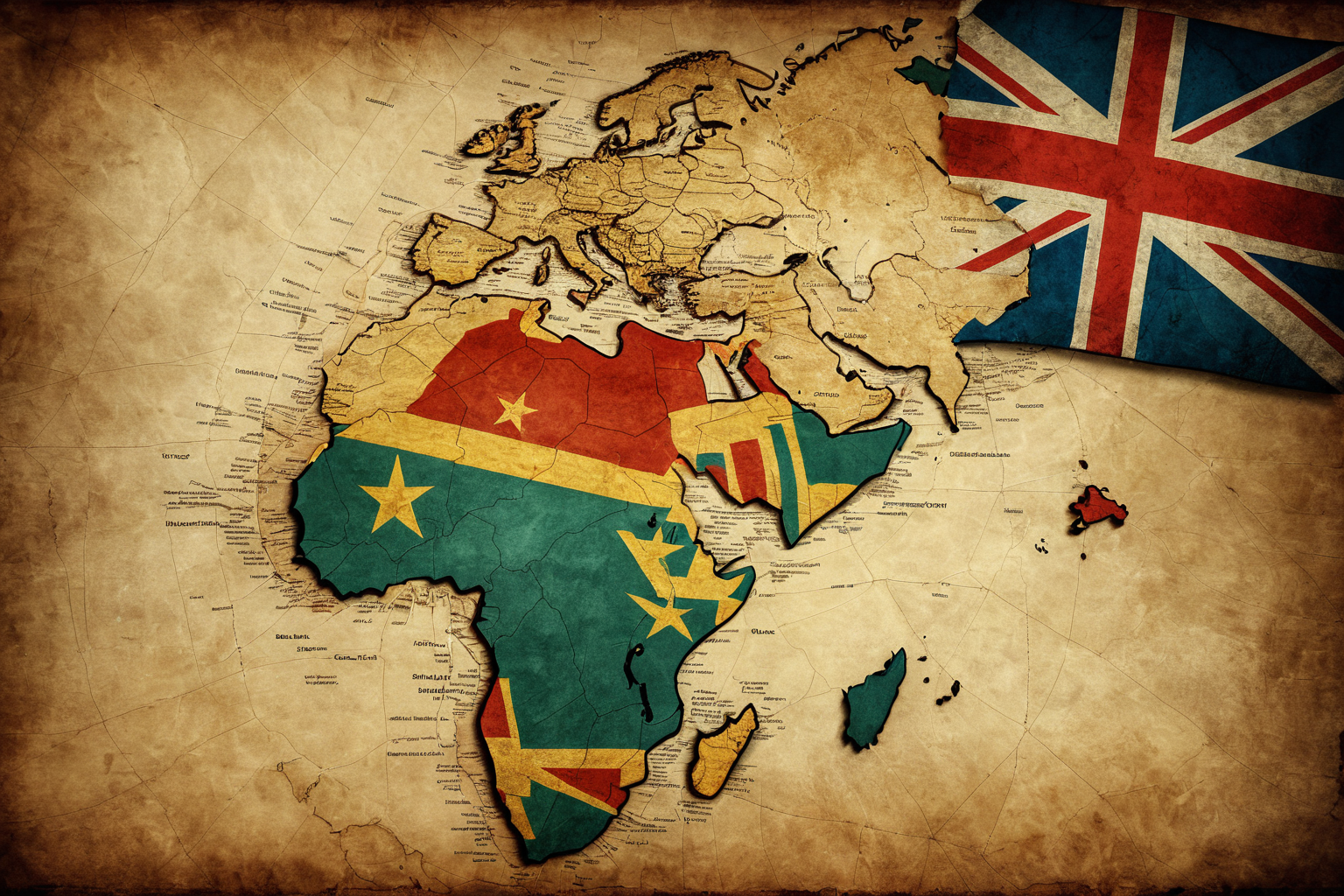
The relationship between the United Kingdom and the Democratic Republic of the Congo (DRC) is complex, intertwining the legacy of colonialism with modern diplomacy. Today, the two nations are connected more through development cooperation, human rights concerns, mineral resources, and security issues than direct conflict.
Many readers searching for this topic likely wonder: 'Why is this relationship still sensitive?' The answer is straightforward: Congo's historical wounds and ongoing resource and security challenges remain unresolved.
Historical Background of Colonialism
To understand the UK-DRC relationship, one must first consider Belgium's colonial era. While Congo was not a direct British colony, Britain played a significant role in shaping international opinion regarding human rights abuses in the region during the late 19th and early 20th centuries.
Particularly shocking to Europe was the violent governance of the Congo Free State period. This sparked strong criticism within Britain, with reformers and journalists highlighting Congo's suffering, which contributed to growing international pressure on European powers regarding their treatment of Africa.
For example, as rubber and ivory extraction expanded through forced labor, British reformers and journalists raised concerns. This movement went beyond mere criticism—it prompted Europe to reconsider how it approached colonialism in Africa.
You can find more articles on similar topics here.
View Related ArticlesPost-Independence Diplomatic Relations
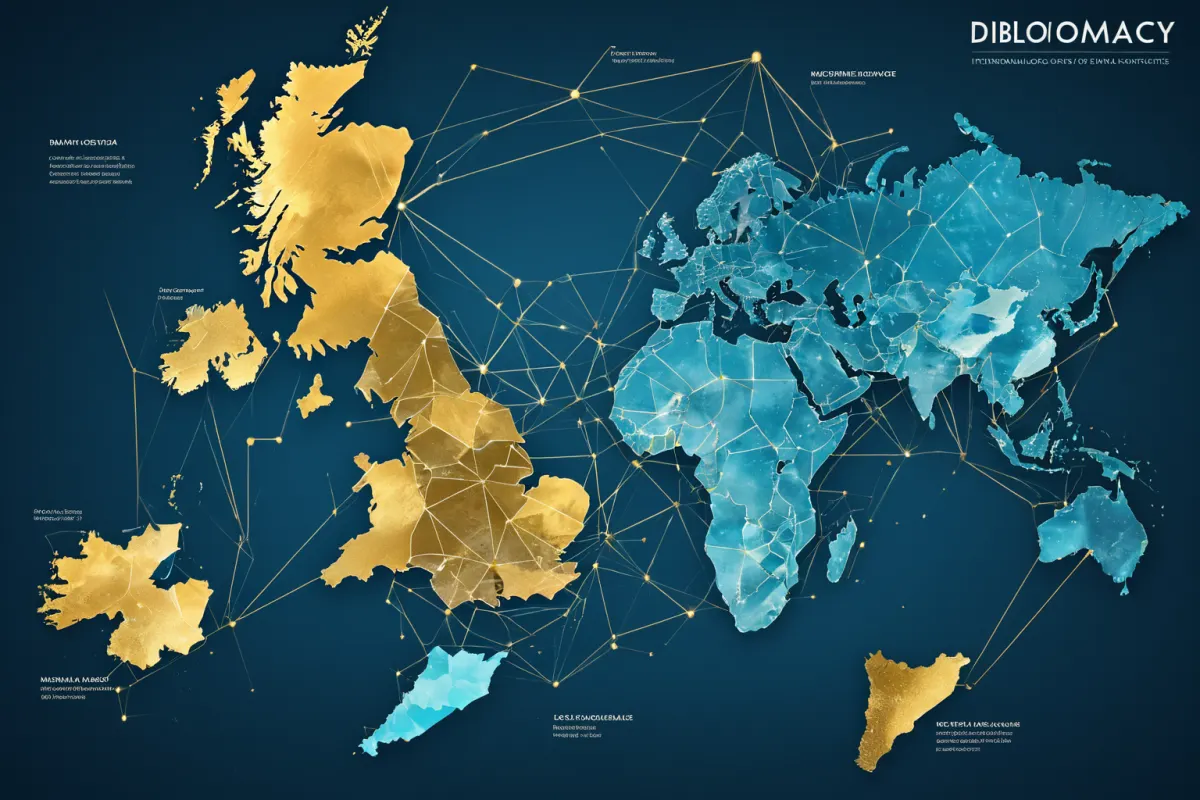
After the DRC gained independence in 1960, the nature of relations shifted. Rather than direct colonial ties, cooperation and tension management within international politics became more important. The UK has maintained diplomatic channels with the Congolese government through embassies and participated in discussions at international organizations.
In the early years after independence, Congo experienced significant political instability and was influenced by major powers during the Cold War. Britain generally avoided direct intervention but supported efforts to stabilize international relations.
A clear continuity from that period to today is evident: UK-DRC relations are closer to a pragmatic 'cooperation when needed' relationship rather than a close alliance. Contacts often occur through UN, international development, refugee, and security forums rather than formal diplomatic meetings or treaties.
Mineral Resources and Global Economic Interests
The DRC's importance in the global community stems from its vast mineral resources. Minerals like cobalt, copper, and tantalum are essential for smartphones, electric vehicle batteries, and industrial equipment. The UK is no exception, viewing Congo as important for supply chain stability.
However, this aspect remains sensitive. Abundant resources don't automatically improve citizens' lives, and illegal mining, armed groups funding, and child labor complicate the situation, creating what's known as the 'resource curse.'
For UK companies or investors, Congo's resources represent both opportunity and risk. They must consider supply chain transparency, ethical sourcing, and conflict mineral management—making this relationship more complex than simple trade.
Human Rights Issues and Public Opinion in the UK
Human rights issues are a constant feature of UK-DRC relations. Armed conflicts in eastern Congo, refugee crises, sexual violence, and child soldiers are frequently covered by British media and civil society organizations.
Public opinion in Britain generally leans toward 'cautious intervention but necessary humanitarian aid.' While government statements tend to be measured, international relief efforts and human rights support continue.
For example, during heightened conflicts in Congo, the UK focuses on embassy safety, humanitarian assistance, and international cooperation. When local conditions are unstable, diplomatic relations may require adjustment.
Current Focus of Cooperation
Today's UK-DRC relationship centers around development, education, health, and security cooperation. International aid and multilateral diplomacy form key pillars. Given the DRC's vast territory and complex civil conflicts, international collaboration is more realistic than unilateral solutions.
The UK frequently proposes or supports cooperation in financial, administrative, and educational areas. The DRC also seeks foreign aid, investment, and technological partnerships to enhance its governance capabilities.
Practical examples include health crisis response, refugee support, and security training—projects that may not be flashy but are vital for maintaining relations.
Misconceptions in UK-DRC Searches
When searching 'UK vs DRC,' many wonder if the two nations have fought a war or experienced significant diplomatic conflict. The reality is more about historical impact and current global issues rather than direct confrontation. In other words, colonial structures from the past continue to influence current resource and human rights challenges.
Another common confusion is that Congo isn't one country. The Democratic Republic of Congo (DRC) and the Republic of Congo are separate nations. When discussing UK relations, it's essential to distinguish between them for accurate understanding.
For instance, news about mineral exports, conflict reports, or humanitarian aid typically refers to the DRC. Given similar names, this distinction is important to avoid confusion.
Core Issues in the Relationship
The essence of this relationship can be summarized in three key points: First, historical memory from colonial times. Second, mineral resources and supply chain issues. Third, human rights and security concerns surrounding conflicts in eastern regions.
These overlapping factors make UK-DRC relations more than just a diplomatic partnership—they position the two nations as an important case study for the international community. One side emphasizes global norms and support, while the other prioritizes sovereignty, development, and stability.
Thus, when examining this relationship, it's more accurate to focus on 'what current issues connect both sides' rather than 'who benefits more.'
FAQ
Q1. Is the UK in a formal alliance with the DRC?
A. No, they do not have a traditional alliance. However, they work together practically on international organizations, development cooperation, and human rights issues.
Q2. Why is the UK interested in Congo's issues?
A. Because resource supply chains, human rights, refugees, and international security are interconnected. For the UK, this is not an unrelated region.
Q3. What should I look for when searching 'UK vs DRC'?
A. To understand fully, consider colonial history, current diplomatic relations, mineral resources, and eastern Congo conflicts together.
Latest diplomatic statements, international sanctions, or aid policies may vary by period, so checking recent news and government announcements is recommended.
Continue exploring similar topics.
View Category ArticlesFAQ
Is the UK in a formal alliance with the DRC?
No, they do not have a traditional alliance. However, they work together practically on international organizations, development cooperation, and human rights issues.
Why is the UK interested in Congo's issues?
Because resource supply chains, human rights, refugees, and international security are interconnected. For the UK, this is not an unrelated region.
What should I look for when searching 'UK vs DRC'?
To understand fully, consider colonial history, current diplomatic relations, mineral resources, and eastern Congo conflicts together.
Korean Source
This article is an English localization of a Korean-language report from BlogScore. Original: 영국과 콩고민주공화국 관계, 역사에서 본 핵심 쟁점