
UFS Exercise: Analyzing the Security Situation with North Korea
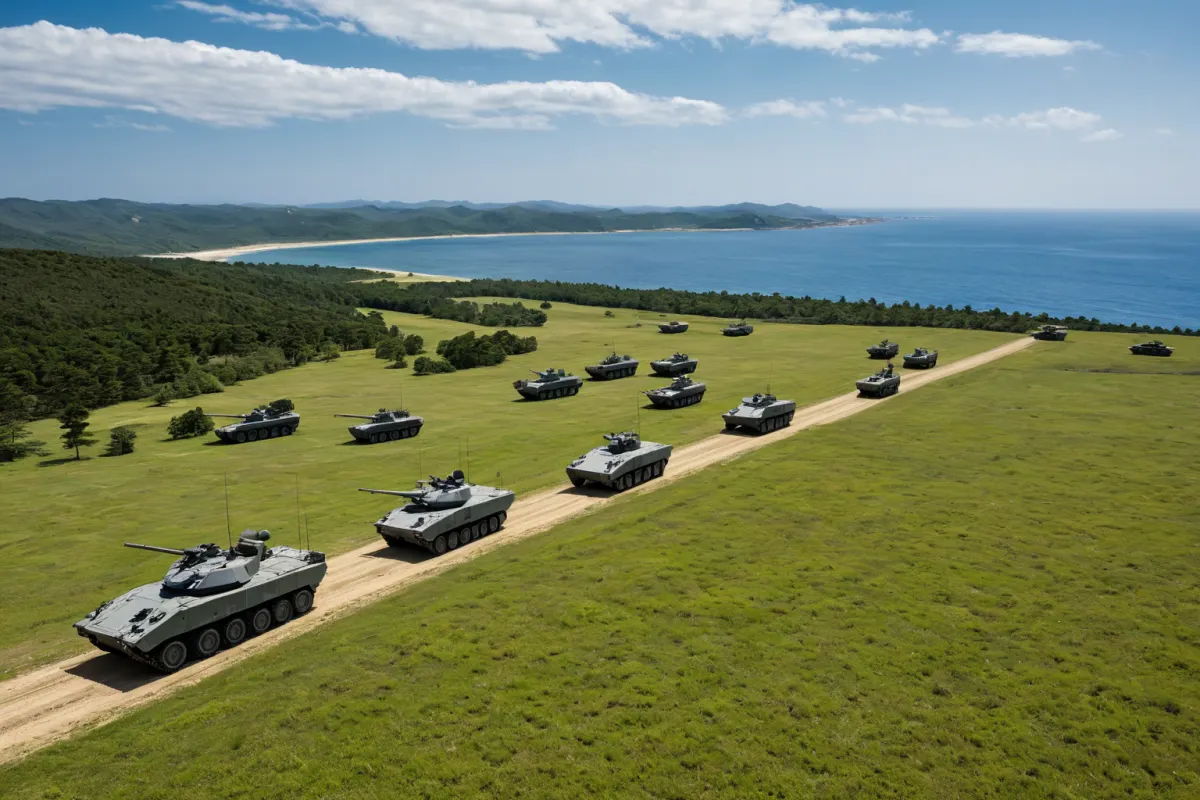
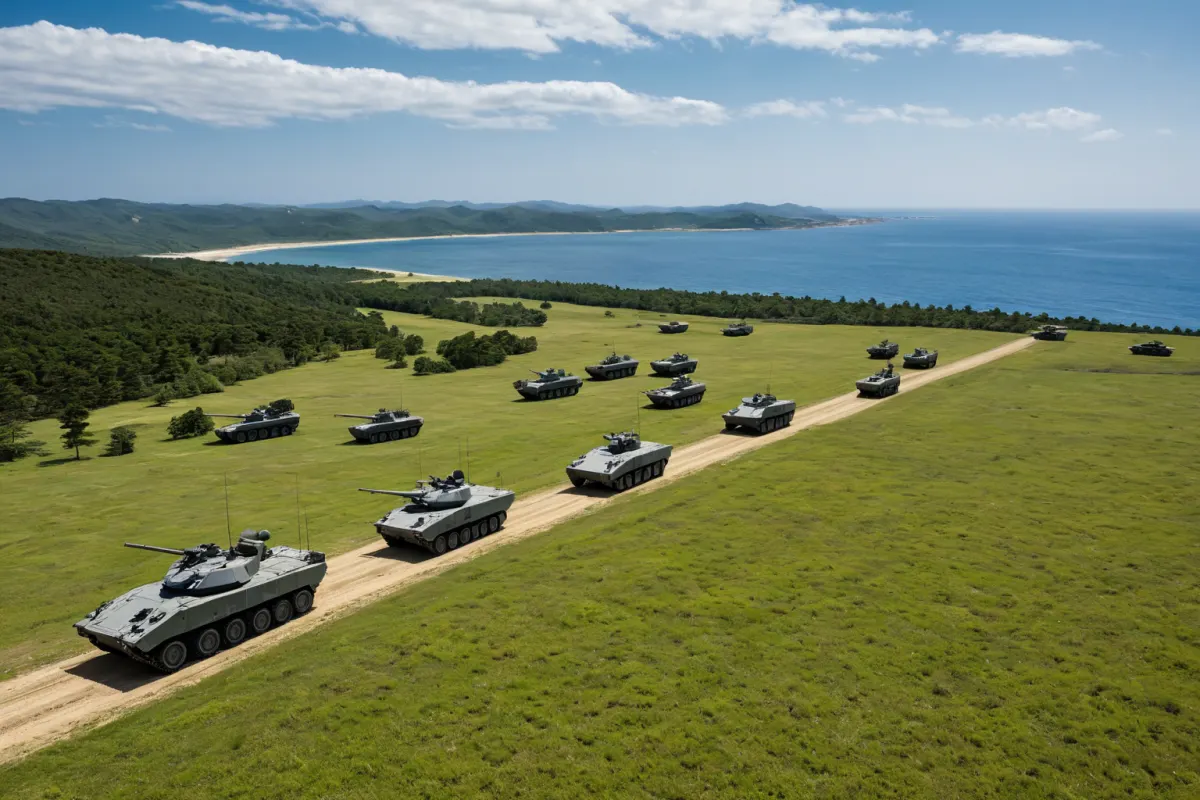
The Ulchi Freedom Shield (UFS) exercise is a U.S.-South Korea joint military drill scheduled to run for two weeks from August 17, 2026. North Korea has resumed ballistic missile launches before and after the training, labeling it as "a confrontational situation of creating an enemy state," warning of "proportional responses based on the intensity of the exercise." The government convened an emergency security situation briefing in response to North Korea's missile provocations, with the Blue House (Cheong Wa Dae) characterizing the actions as a violation of UN Security Council resolutions.
U.S.-South Korea Ulchi Freedom Shield Exercise Schedule and Scale
The 2026 UFS exercise aims to shape Northeast Asian security environment and modernize the U.S.-South Korea alliance. North Korea has continued missile launches before and after the training. On August 11, 2026, the government held an emergency security situation briefing regarding North Korea's missile launch, followed by a ballistic missile test over the East Sea on August 12.
During the 2024 UFS exercise, outdoor maneuver drills were significantly expanded in scale. However, for 2025-2026, the exercises will proceed as usual. FTX (strategic training) is scheduled to be conducted throughout the year on a staggered basis, with the size and schedule of joint military exercises subject to potential changes based on political considerations or public opinion. The significant expansion of outdoor maneuver drills in 2024 was a strategic decision by both nations to enhance military readiness amid increased North Korean missile provocations, seen as a preventive measure considering security uncertainties in Northeast Asia.
While the 2025 UFS exercise schedule was initially planned for the first week of August, reports suggested it could be adjusted due to potential further provocations by North Korea. The 2026 training has been finalized through consultation between the government and U.S. forces, with both nations planning to strengthen real-time information sharing systems during the exercise period to respond swiftly to any North Korean provocations.
North Korea's Missile Provocations and Responses
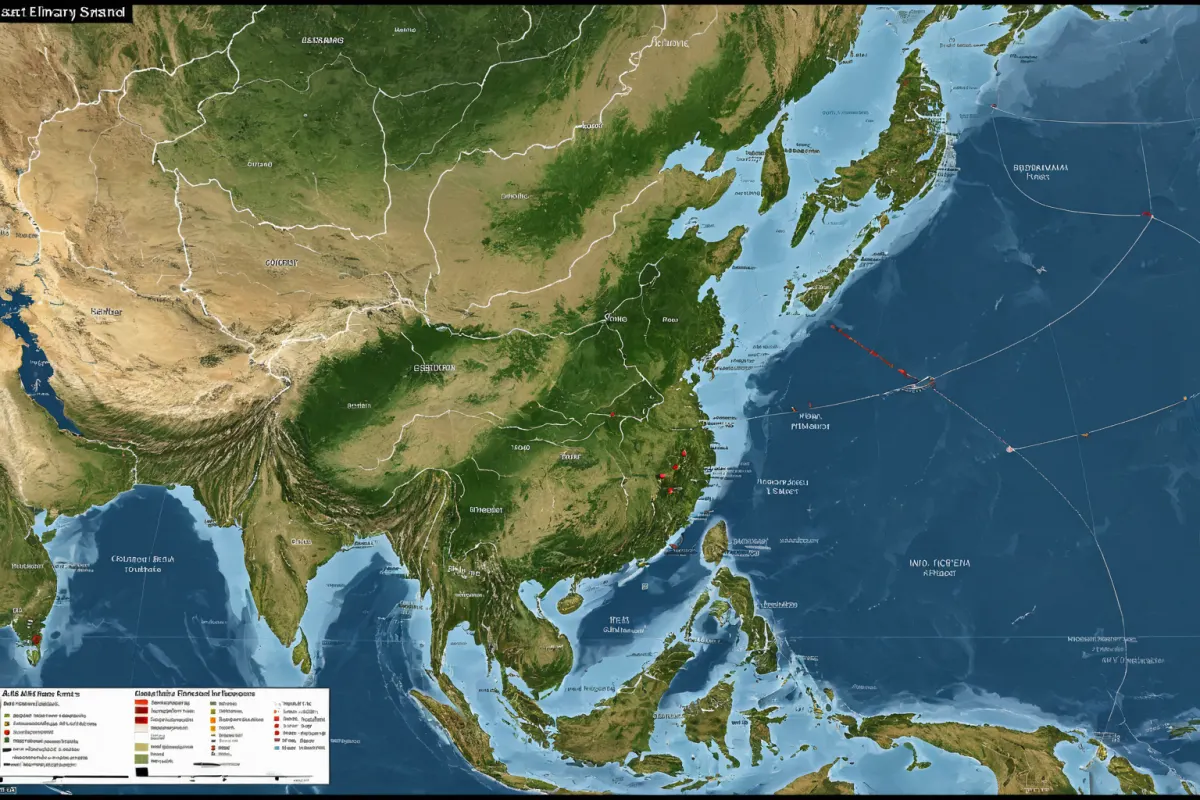
North Korea launched ballistic missiles into the East Sea on August 11 and 12, 2026—the second provocation within six days, with missile flight distances exceeding 700 km. The government urged North Korea to cease provocations and convened an emergency security situation briefing, while the Blue House characterized the actions as a violation of UN Security Council resolutions.
North Korea has labeled the U.S.-South Korea joint exercise "Ulchi Freedom Shield" as a "confrontational situation of creating an enemy state," warning of "proportional responses based on the intensity of the training." It has also claimed its missile launches as exercising its right to self-defense. Such statements by North Korea resemble tactics used in similar situations in 2017 and 2020, aiming simultaneously to pressure the international community.
North Korea's missile launches, which went beyond the East Sea into areas affecting Japanese waters, prompted Japan to seek joint responses with South Korea regarding the U.S.-South Korea exercises and North Korean provocations. Japan is working with the international community to monitor North Korean missile activity and advance discussions on improving Northeast Asian security conditions.
North Korea's Stance and International Reactions
North Korea has stated it will not tolerate the U.S.-South Korea UFS exercise, labeling it as a "confrontational situation of creating an enemy state." This appears to be a strategy by North Korea to heighten military tensions in Northeast Asia. The international community has pointed out that North Korea's missile launches violate UN Security Council resolutions, with both South Korea and the United States working to develop response strategies.
North Korea's missile provocations began on August 11, 2026, followed by a second launch on August 12. This appears to be a strategy by North Korea to escalate tensions before and after the U.S.-South Korea joint exercises. The government has urged an end to these provocations while collaborating with the international community to develop response strategies.
International reactions have been strong, with the UN Security Council issuing statements criticizing North Korea's missile launches. The United States and Japan have held trilateral talks on addressing the North Korean issue through U.S.-South Korea-Japan cooperation, seen as efforts to ease military tensions in Northeast Asia.
Government Response and Security Environment Analysis
The government convened an emergency security situation briefing regarding North Korea's missile launches, urging a cessation of provocations. The Blue House characterized the actions as a violation of UN Security Council resolutions, sharing this with the international community to develop response strategies.
The U.S.-South Korea joint exercise, UFS, is conducted annually. While outdoor maneuver drills were significantly expanded in 2024, they will return to normal scale for 2025-2026. FTX (strategic training) is planned to be conducted throughout the year on a staggered basis, reflecting a strategic approach to modernize the U.S.-South Korea alliance. This reflects the two nations' efforts to strengthen military cooperation systems in response to increased North Korean missile provocations.
The government has strengthened its information collection and analysis systems, building real-time monitoring capabilities for North Korean movements to enable swift responses.
Changes in Security Situation and Future Outlook
By resuming missile launches in response to the UFS exercise, North Korea is further complicating Northeast Asian security conditions. While the U.S.-South Korea alliance plans to maintain the usual schedule and scale of training, it is preparing flexible strategies to respond to potential additional provocations by North Korea.
During future UFS exercises, both nations plan to strengthen real-time information sharing systems to quickly identify and respond to North Korean movements. This strategy reflects lessons learned from North Korea's missile provocations in 2024 and 2025.
The international community has pointed out that North Korea's missile launches violate UN Security Council resolutions, with South Korea and the United States working to develop response strategies. In particular, Japan and South Korea are advancing discussions on enhancing security cooperation in Northeast Asia, laying the groundwork for joint responses to North Korean issues.
Verified Information
The UFS exercise will take place from August 17-30, 2026. North Korea's missile launches occurred on August 11 and 12, 2026, with flight distances exceeding 700 km. The government held an emergency security situation briefing and urged an end to provocations.
North Korea has labeled the U.S.-South Korea joint exercise as a "confrontational situation of creating an enemy state," warning of proportional responses based on training intensity. The Blue House characterized North Korea's missile launches as a violation of UN Security Council resolutions, with the international community collaborating to develop response strategies.
Frequently Asked Questions
The UFS exercise is an annual U.S.-South Korea joint military drill scheduled for two weeks from August 17-30, 2026. North Korea resumed missile launches before and after the training.
North Korea's missile launches occurred on August 11 and 12, 2026, with flight distances exceeding 700 km. The government characterized these as violations of UN Security Council resolutions and urged an end to provocations.
The scale of the U.S.-South Korea joint exercise will follow previous years for 2025-2026, while FTX (strategic training) is scheduled throughout the year on a staggered basis. Flexible response strategies are prepared in anticipation of potential further provocations by North Korea.
You can find similar articles all at once.
View Related ArticlesFAQ
When is the UFS exercise scheduled for 2026?
The Ulchi Freedom Shield (UFS) exercise is scheduled to run from August 17-30, 2026.
What was North Korea's response to the UFS exercise?
North Korea resumed ballistic missile launches on August 11 and 12, 2026, labeling the training as a 'confrontational situation of creating an enemy state' and warning of proportional responses based on training intensity.
How did South Korea respond to North Korea's missile launches?
South Korea convened an emergency security briefing, urged North Korea to cease provocations, and characterized the actions as violations of UN Security Council resolutions.
Korean Source
This article is an English localization of a Korean-language report from BlogScore. Original: 을지 자유의 방패 훈련: 북한과의 안보 상황 분석