
Uchino Airi's Policy Statement: Summary of Recent Political Stance and Reactions
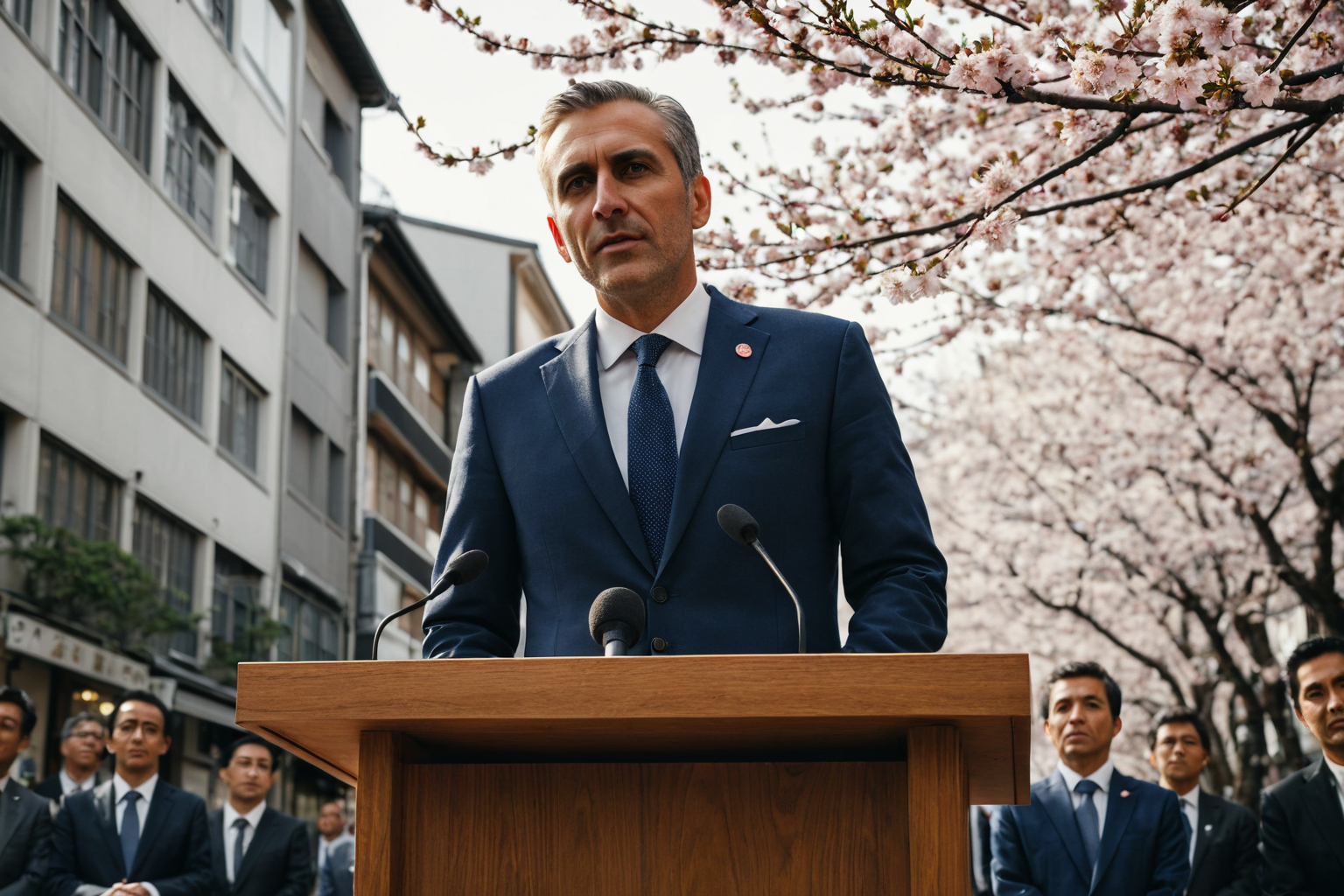
Uchino Airi's Policy Statement: Top Removal Controversy and Candidate's Response
Tokyo gubernatorial candidate Uchino Airi (31) sparked a major controversy on June 29 during her policy statement when she removed her top and said, 'cute and sexy.' The incident caused significant backlash in both Japan and South Korea. After South Korean media reported the event, the candidate expressed embarrassment, stating, 'I'm embarrassed,' and questioned why it was being spread, with major coverage beginning on June 30.
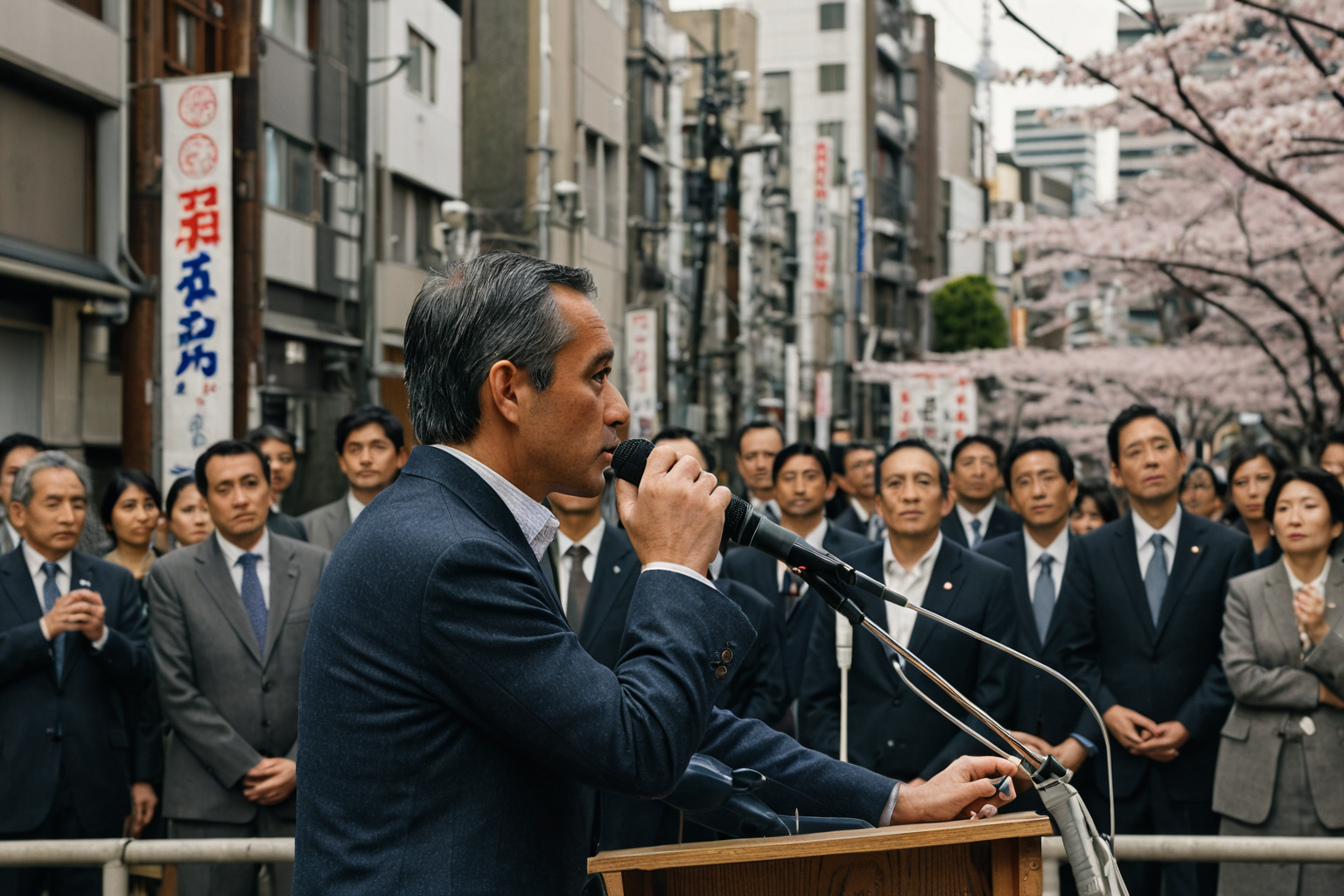
Top Removal During Policy Statement and Remarks
During her policy statement, Uchino Airi removed her top and stated, 'cute and sexy.' The moment was broadcasted publicly. While Japanese media highlighted the 'cuteness' of her remarks, South Korean media criticized the act of removing her top itself.
The act of removing her top during a gubernatorial policy statement is unusual for a candidate, with Japanese media describing it as 'quite shocking.' A female candidate running for Tokyo governor removing her top during a campaign is a stark contrast to typical political conduct.
South Korean Media Coverage and Japanese Candidate's Reaction
South Korean media began reporting on the incident starting June 30, with the candidate stating she was 'embarrassed by coverage in South Korea.' She later questioned why it was being spread, showing a dismissive attitude. Coverage continued until July 4.
Notably, the broadcast of Uchino Airi removing her top during the policy statement led to Japanese reactions emphasizing 'cuteness,' while South Korean media focused on criticizing the act itself. This reflects cultural differences in perception.
The candidate, aged 31, reportedly said, 'Aren't I cute?' after removing her top during the statement. While this was received as 'kawaii' (cute) in Japan, it was criticized in South Korea as a sexually inappropriate act that caused discomfort.
Incident Timeline and Media Coverage
On June 29, Uchino Airi's incident of removing her top during the policy statement, accompanied by her 'cute and sexy' comment, was reported in Japanese media. It began appearing in South Korean media on June 30.
Starting June 30, major South Korean outlets like Munhwa Broadcasting Corporation (MBC), Nate, and News1 covered the incident, highlighting her embarrassment and questioning why it was being spread. Coverage continued until July 4, with the controversy spreading further in Japan as well.
The footage of Uchino Airi removing her top during the policy statement was widely broadcasted, drawing attention as an unusual action for a gubernatorial candidate. While Japanese media emphasized 'cuteness,' South Korean media criticized it as inappropriate conduct.
Cultural Differences and Nature of Controversy
The differing reactions in Japan and South Korea reflect cultural differences. In Japan, expressions emphasizing 'cuteness' are common, and such actions during policy statements may be accepted by some.
Conversely, in South Korea, removing one's top during a formal political event is considered inappropriate. The use of the term 'sexy' was particularly criticized for potentially causing sexual discomfort. This has led to broader discussions about appropriate conduct for politicians.
The act of removing her top and saying 'cute and sexy' was received as 'kawaii' in Japan but criticized as a sexually inappropriate act in South Korea, reflecting cultural differences that extend beyond mere political image concerns.
Candidate's Age and Background
Uchino Airi is 31 years old and one of the candidates running for Tokyo governor. Her decision to remove her top during a policy statement appears to reflect personal style but was criticized as unusual for a political candidate.
The image of a 31-year-old female candidate removing her top during a policy statement was considered unusual even in Japan, with many criticizing it as inappropriate conduct for a politician. While 'cute and sexy' was interpreted as 'kawaii' in Japan, South Korea viewed the expression as sexually inappropriate.
The moment of Uchino Airi removing her top during the policy statement was broadcasted publicly, causing shock even in Japan. Many criticized it as inconsistent with the image expected of a female politician.
Response and Safety Information
The response to Uchino Airi's act of removing her top differed significantly between Japan and South Korea. Japanese media emphasized 'cuteness,' while South Korean media condemned it as causing sexual discomfort.
Removing one's top during a formal political event is considered inappropriate, potentially harming the candidate's political image. In particular, the use of sexually suggestive language has led to further controversy in South Korea.
The act of removing her top and saying 'cute and sexy' during a policy statement was deemed inappropriate for a politician and could be viewed as unsuitable for formal events. This highlights the need for careful political image management.
Verified Information
The candidate's name has been confirmed as Uchino Airi, though some media outlets reported different names. The final results of the Tokyo gubernatorial election and whether she was elected remain unknown.
The policy statement incident involving removing her top and saying 'cute and sexy' was received as 'kawaii' in Japan but criticized as sexually inappropriate in South Korea, reflecting cultural differences.
Her age is confirmed at 31, and the act of removing her top during a policy statement was considered unusual even in Japan, with many viewing it as unsuitable for a political candidate. This highlights the importance of image management in politics.
Frequently Asked Questions
How did reactions to Uchino Airi's top removal during her policy statement differ between Japan and South Korea?
In Japan, responses focused on 'cuteness,' while in South Korea, it was criticized as a sexually inappropriate act causing discomfort.
Is removing one's top during a political event appropriate for a candidate?
No, removing one's top during formal political events is considered inappropriate and requires careful image management.
Has Uchino Airi's age or election outcome been confirmed?
Her age is confirmed at 31, but the final results of the Tokyo gubernatorial election remain unknown.
Frequently Asked Questions
The incident involving Uchino Airi removing her top during a policy statement and saying 'cute and sexy' led to differing reactions in Japan and South Korea. In Japan, it was received as 'kawaii,' while in South Korea, it was criticized for causing sexual discomfort.
Removing one's top during formal political events is considered inappropriate, potentially harming a candidate's image. The use of sexually suggestive language like 'sexy' requires particular caution.
The exact name of the candidate and the final outcome of the Tokyo gubernatorial election remain unconfirmed, but this incident highlights cultural differences in perceptions of appropriate political conduct and the importance of image management for politicians.
Removing her top during a policy statement and saying 'cute and sexy' was interpreted as 'kawaii' in Japan but criticized as sexually inappropriate in South Korea, reflecting how cultural differences influence perceptions of political behavior.
You can view more articles on similar topics at once.
View Related ArticlesFAQ
How did reactions to Uchino Airi's top removal during her policy statement differ between Japan and South Korea?
In Japan, responses focused on 'cuteness,' while in South Korea, it was criticized as a sexually inappropriate act causing discomfort.
Is removing one's top during a political event appropriate for a candidate?
No, removing one's top during formal political events is considered inappropriate and requires careful image management.
Has Uchino Airi's age or election outcome been confirmed?
Her age is confirmed at 31, but the final results of the Tokyo gubernatorial election remain unknown.
Korean Source
This article is an English localization of a Korean-language report from BlogScore. Original: 우치노아이리 정견발표: 일본 정치인의 최근 입장 발표 내용 요약