
Updates on Uchang Konecta Union Conflict and Future Outlook
Current Status of Uchang Konecta Union Conflict
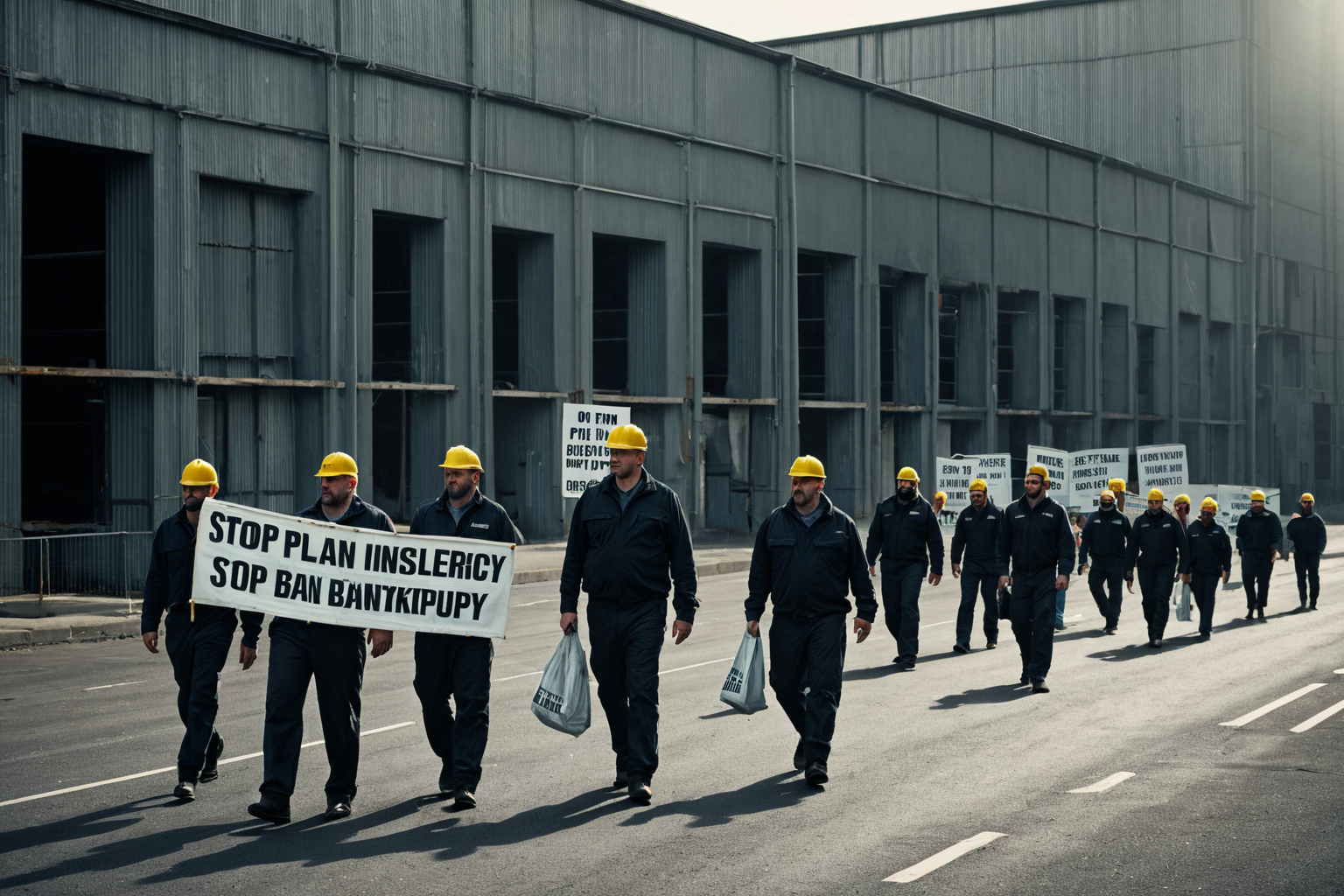
After mass layoffs at Uchang Konecta on February 5, 2026, the laid-off workers have been urging the government and parent company to resolve the issue, alleging 'planned bankruptcy' and 'fake closure'. This situation has persisted for over four months, with workers employing various protest methods including a walking march, hunger strikes, kneeling prostration (oche-toji), and tonsuring (shaving heads) to draw social attention.
Timing of Layoffs and Response
Uchang Konecta announced mass layoffs on February 5, 2026. Prior to this, on January 29, 2026, workers were seen packing their belongings and leaving the workplace. On February 4, after the union was established, layoff notices were issued. The laid-off workers claim 'planned bankruptcy' and demand employment responsibility, suggesting that the parent company and subcontractors are involved in orchestrating a 'fake closure'.
Protest Methods and Social Response
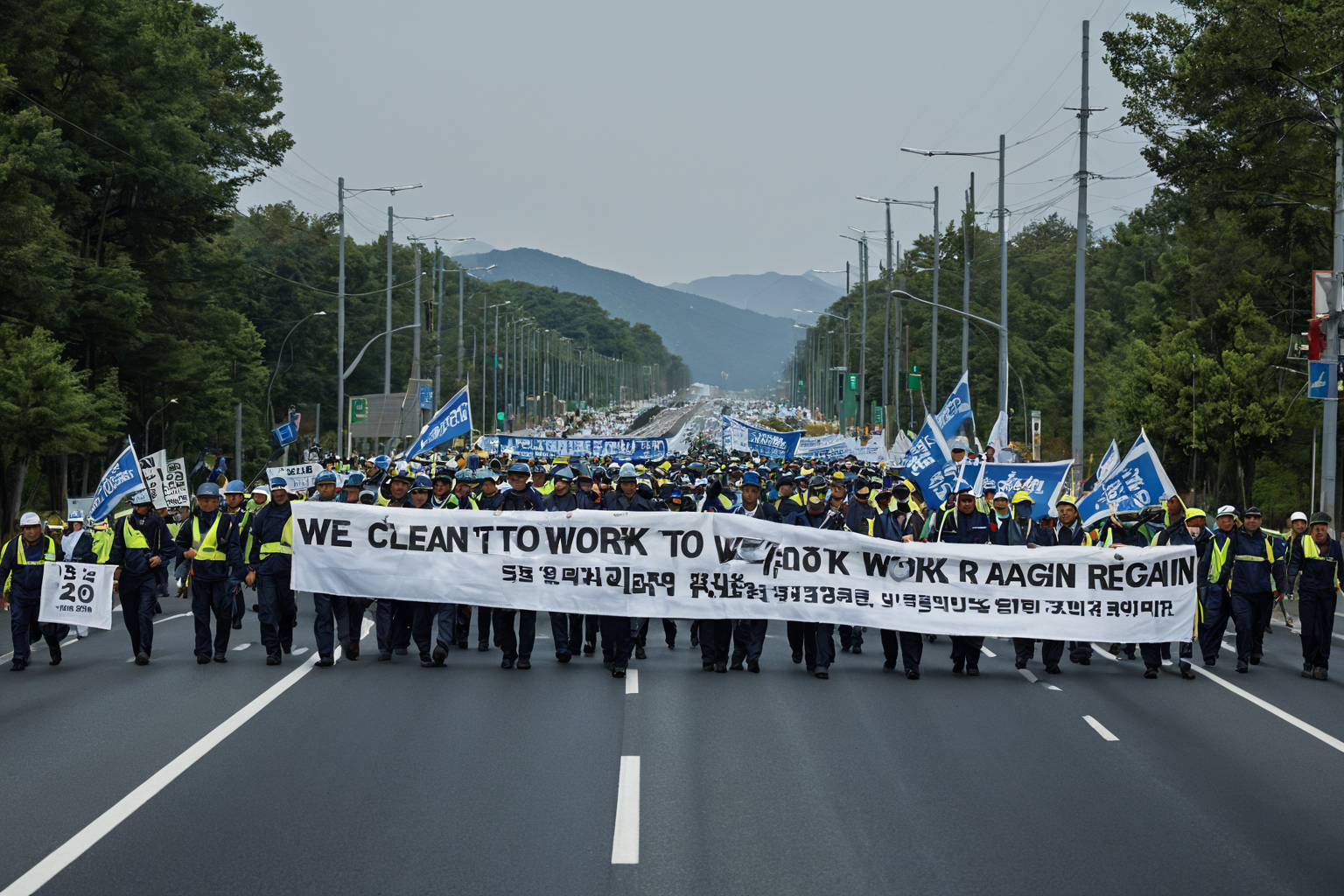
On April 24, workers began a 100km walking march from Cheonan to Seoul, arriving at the Blue House after seven days. On April 27, they expressed their desire to return to work, drawing public attention. On June 10, union members announced a group hunger strike after over 120 days of protest, and on July 16, they began their fourth hunger strike.
On June 5, the Democratic Trade Union Confederation (KCTU) issued a statement urging the government to resolve the layoff issue. On July 3, a 'Condemning Mobeis Capital! Victory for Uchang Konecta Struggle' demonstration was held, emphasizing the need for social dialogue. The workers also visited the Blue House on April 28, 2026, directly requesting resolution from the government.
Notably, on July 21, laid-off workers issued a statement alleging 'fraudulent bankruptcy' and demanding a thorough investigation. This has intensified social debate over corporate financial structure and management practices.
Government and Parent Company Response and Social Discussion
The government and parent company's response to the layoff issue remains vague, though a path for social dialogue between labor, business, and government (the 'social dialogue') has been proposed. On May 15, discussions began on this approach, and on June 12, workers continued their activities urging resolution from the government and Mobeis Capital. The laid-off workers demanded an investigation into alleged 'fraudulent bankruptcy' on July 21.
The government is exploring solutions through social dialogue but has not yet announced specific plans. Meanwhile, media coverage of long-term employment by laid-off workers has drawn attention, particularly the claim that some were laid off just one hour after 20 years of service—a point highlighting a breakdown in trust between workers and employers.
Future Outlook and Key Points to Watch
The future of the Uchang Konecta union conflict depends on whether the government and parent company actively engage in social dialogue. With laid-off workers continuing hunger strikes and walking marches for over four months, a swift resolution is urgent. Additionally, an accurate investigation into the 'fraudulent bankruptcy' claim is necessary, with problem-solving through social dialogue prioritized.
Notably, the claim that workers were laid off one hour after 20 years of service highlights issues around long-term employment and corporate trust—raising questions beyond mere economic concerns to employment stability and social responsibility. The workers' struggle has expanded from individual job security to broader discussions about union roles and corporate social responsibility.
The July 3 demonstration emphasized community solidarity with the message 'Condemning Mobeis Capital! Victory for Uchang Konecta Struggle,' signaling a new direction in labor movements. Key points to watch include whether the government and parent company will pursue solutions through social dialogue, and how an official investigation into the 'fraudulent bankruptcy' claim might impact corporate financial strategies and management practices.
Key Information to Verify
Key details regarding the Uchang Konecta union conflict include: First, mass layoffs occurred on February 5, 2026, with laid-off workers alleging 'planned bankruptcy' and 'fake closure'. Second, workers have used various protest methods including a 100km march, hunger strikes, kneeling prostration (oche-toji), and tonsuring. Third, the KCTU issued a statement urging government action on layoff issues, emphasizing the need for social dialogue.
Laid-off workers have been without jobs for over 140 days, demanding resolution from both the government and Mobeis Capital. This issue directly relates to societal responsibility in guaranteeing basic worker rights and employment stability, making the government's future response crucial. An official investigation into the 'fraudulent bankruptcy' claim could necessitate a deep analysis of corporate financial structures and management practices.
Readers should note that this struggle has provided an opportunity to re-examine employment stability and corporate social responsibility through workers' protests and societal discussions. It is also important to monitor how the government and parent company will address these issues through social dialogue in the coming months.
Frequently Asked Questions
What caused the Uchang Konecta layoff incident?
The mass layoffs at Uchang Konecta occurred on February 5, 2026. Laid-off workers allege 'planned bankruptcy' and 'fake closure', suggesting involvement by the parent company and subcontractors in orchestrating a 'fake closure'.
What protest methods have laid-off workers used?
Laid-off workers have employed various tactics including a 100km walking march, hunger strikes, kneeling prostration (oche-toji), and tonsuring. Specifically, they conducted a seven-day walk from Cheonan to Seoul starting April 24, and began their fourth hunger strike on July 16.
What has been the government and parent company's response?
The government proposed social dialogue between labor, business, and government but has not yet provided specific solutions. The KCTU issued a statement urging resolution of layoff issues, while laid-off workers demand an investigation into alleged 'fraudulent bankruptcy'.
You can view similar articles on this topic in one place.
View Related ArticlesFAQ
What caused the Uchang Konecta layoff incident?
Mass layoffs occurred on February 5, 2026. Workers allege 'planned bankruptcy' and 'fake closure', suggesting involvement by parent company and subcontractors.
What protest methods have laid-off workers used?
They've conducted a 100km walking march from Cheonan to Seoul, hunger strikes (including a fourth on July 16), kneeling prostration (oche-toji), and tonsuring.
What has been the government and parent company's response?
Government proposed social dialogue but no concrete solutions. KCTU urged resolution; workers demand investigation into 'fraudulent bankruptcy'.
Korean Source
This article is an English localization of a Korean-language report from BlogScore. Original: 우창코넥타 노조 갈등 관련 최신 소식과 향후 전망