
The Resolution and Key Issues of the Uchang Konecta Union Conflict
The Start of the Uchang Konecta Union Conflict: Mass Layoffs and Alleged 'Planned Bankruptcy'
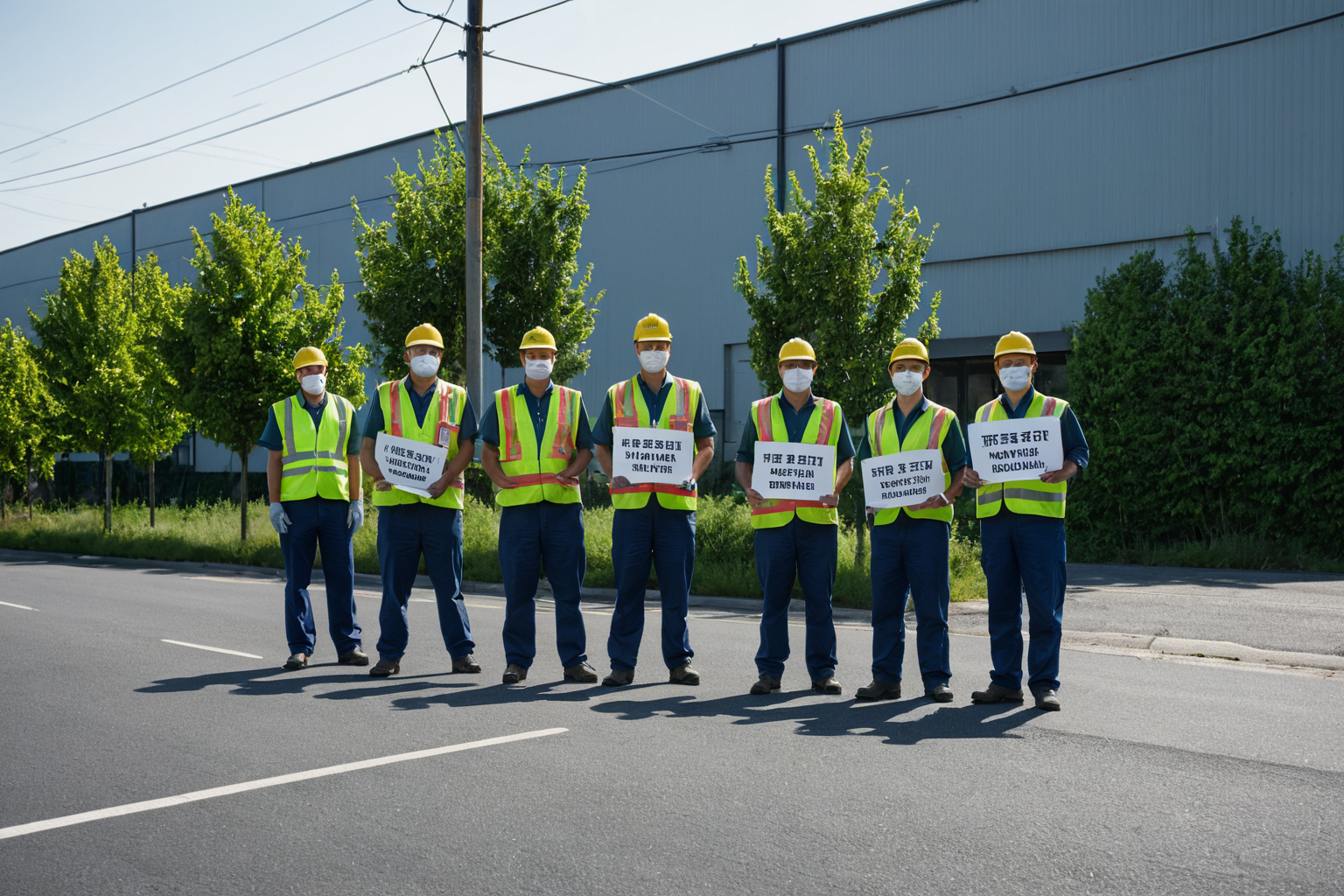
In February 2026, shortly after the union's establishment, workers received layoff notices, sparking allegations of a 'planned bankruptcy.' The company was criticized for abandoning workers while prioritizing equipment relocation. Former employees protested by staging hunger strikes and walking marches demanding their return to work.
The union, alongside the Democratic Trade Union Confederation (KCTU), requested an investigation into the alleged 'planned bankruptcy,' engaging in a 140-day struggle that included visits to the Blue House and a 100km walking march to demand resolution from both government and company officials.
Workers' Struggle: Hunger Strikes and Walking Marches
After 40 days of hunger strikes, union leaders collapsed under the strain as workers continued their extreme protests. On May 21, 2026, the union branch chairman joined an indefinite hunger strike, accusing management of abandoning workers while prioritizing equipment relocation.
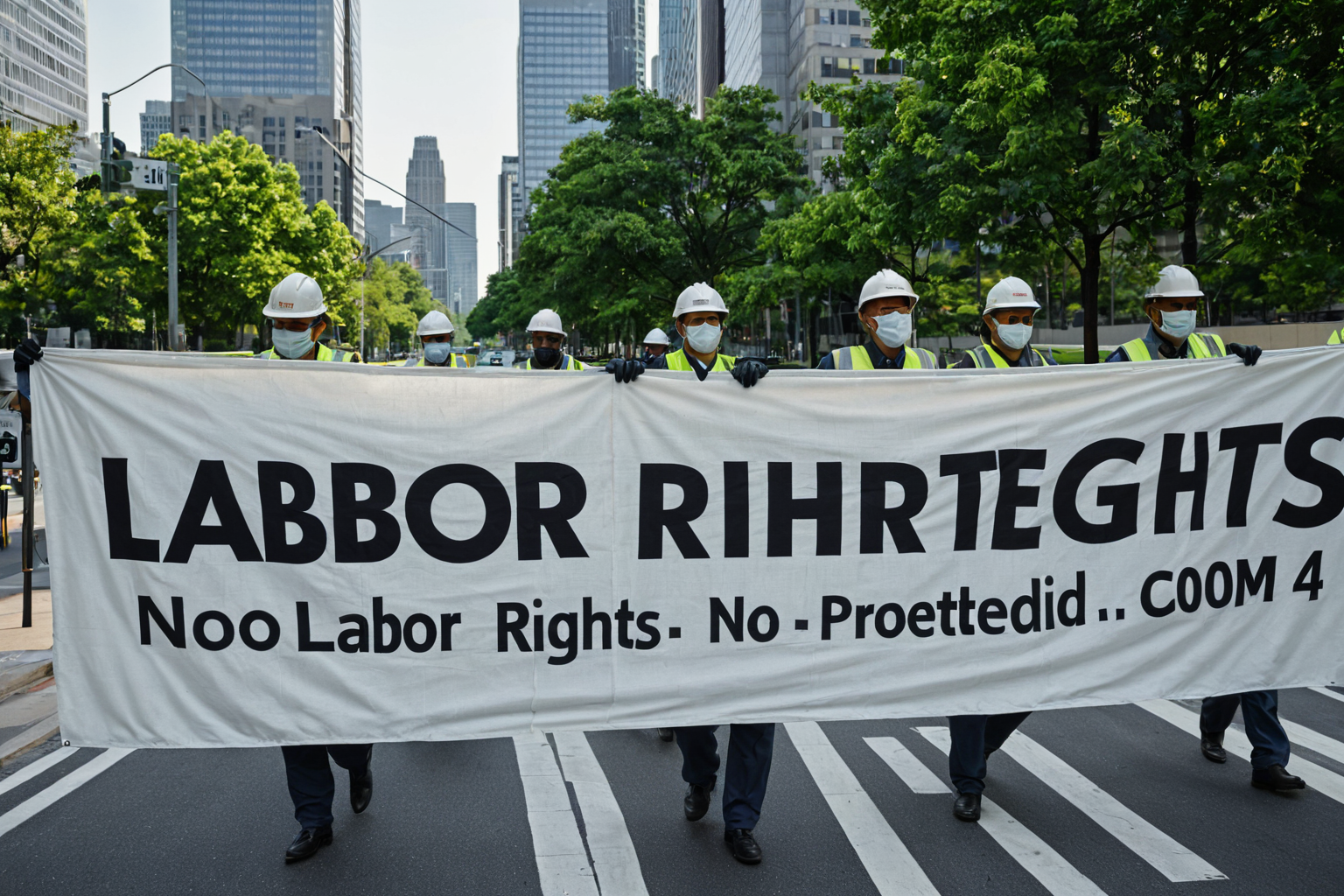
On April 27, 2026, Uchang Konecta workers marched 100km to Seoul in a large-scale demonstration demanding their return to work. The walking march toward the Blue House began on April 24, 2026, and was highlighted during the nationwide labor rally on March 8 International Women's Day.
Political Intervention and Company Defense
The Democratic Party intervened in the Uchang Konecta mass layoff case on July 29, 2026, urging government mediation. The KCTU also held a 'Reclaiming the Stolen Workplace' rally, demanding resolution of the laid-off workplace issue and organizing large demonstrations under slogans like 'Condemn Mobais Capital! Victory for Uchang Konecta Struggle!' during weekly cultural events.
The company defended its actions by claiming the layoffs were part of a 'planned bankruptcy,' countering criticism that it abandoned workers while relocating equipment. On May 21, 2026, the labor-focused publication Labor and World published an article titled 'Abandoned Workers, Only Equipment Relocated' publicly criticizing the company's stance.
Lawsuit for Fraudulent Bankruptcy and Ongoing Struggle
The union filed a lawsuit alleging fraudulent bankruptcy on July 21, 2026, seeking a thorough investigation. This claimed the company staged bankruptcy through deceptive practices rather than poor management to dismiss workers.
During the over 140-day struggle, workers also raised concerns about disciplinary pressure related to annual leave usage and requested special labor inspections. On June 10, 2026, after more than 120 days of protest, union members announced a collective hunger strike; on June 12, they continued their campaign urging the government and Mobais to resolve the issue.
Advancement in Struggle and Current Status
On July 16, 2026, workers began their fourth hunger strike, signaling a potential escalation due to refusal of negotiations with the main contractor (Mobais). The KCTU issued a statement urging government action to resolve laid-off workplace issues, indicating that worker demands are gradually entering policy discussions.
The weekly cultural event held on June 3, 2026, featured chants condemning Mobais capital and demanding victory in the struggle. This demonstrates workers expanding their grievances over corporate management practices into broader public discourse.
Root Cause Investigation: Planned Bankruptcy and Workers' Rights
The core of the Uchang Konecta union conflict centers on allegations of 'planned bankruptcy.' The company claimed it staged bankruptcy through deceptive means rather than poor management to dismiss workers, sparking discussions about labor rights protection and corporate accountability.
Workers began their struggle after being unfairly dismissed two hours before their shift ended—a potential violation of labor law. The company's claim that it 'abandoned workers while relocating equipment' was perceived as dismissing worker demands.
Response and Safety Information: Legal Actions and Social Discourse
The union and KCTU attempted legal action through the fraudulent bankruptcy lawsuit, aiming to publicly criticize the company's poor management and demand government intervention.
The government and Democratic Party sought mediation to foster social discussion. On July 29, 2026, following the Democratic Party's intervention, there was potential for the Uchang Konecta case to escalate into a political debate.
Verified Information: Accurate Fact Check
The conflict has been reported across 38 news articles. Of these, 30 were summarized and analyzed, with key events including:
- February 5, 2026: Mass layoffs at Uchang Konecta
- April 24, 2026: Start of Blue House-bound walking march
- April 27, 2026: Workers marched 100km to Seoul
- May 21, 2026: Union branch chairman joined indefinite hunger strike and accused company of abandoning workers while relocating equipment
- June 3, 2026: Weekly cultural event held with chants condemning Mobais capital
- July 21, 2026: Union filed fraudulent bankruptcy lawsuit
- July 29, 2026: Democratic Party urged government mediation
FAQ Answers
What does 'planned bankruptcy' mean in the Uchang Konecta union conflict?
'Planned bankruptcy' refers to a company fabricating bankruptcy through deceptive practices rather than poor management to dismiss workers. This sparked discussions on labor rights protection and corporate responsibility.
How did workers protest?
Workers used various methods including 40-day hunger strikes, 100km walking marches, visits to the Blue House, and indefinite hunger strikes. Notably, they began their fourth hunger strike on July 16, 2026, intensifying their campaign.
How did the Democratic Party and KCTU respond?
The Democratic Party intervened in the mass layoff case on July 29, 2026, urging government mediation. The KCTU held a 'Reclaiming the Stolen Workplace' rally and weekly cultural events condemning Mobais capital to expand public discourse.
Frequently Asked Questions
The Uchang Konecta union conflict has evolved beyond a mere management issue into deeper discussions about labor rights protection and corporate responsibility. Allegations of 'planned bankruptcy' and the company's claim that it 'abandoned workers while relocating equipment' have heightened public awareness regarding labor law and management transparency.
As protests continue, dialogue between government and business has intensified, with worker demands gradually entering policy discussions. However, many unresolved issues remain, suggesting further legal and social discourse is needed.
The Uchang Konecta case has become a catalyst for raising public awareness about workers' rights and management transparency. Moving forward, both government and businesses must respect workers' rights and ensure transparent management practices.
You can view more articles on similar topics at once.
View Related ArticlesFAQ
What does 'planned bankruptcy' mean in the Uchang Konecta union conflict?
'Planned bankruptcy' refers to a company fabricating bankruptcy through deceptive practices rather than poor management to dismiss workers. This sparked discussions on labor rights protection and corporate responsibility.
How did workers protest?
Workers used various methods including 40-day hunger strikes, 100km walking marches, visits to the Blue House, and indefinite hunger strikes. Notably, they began their fourth hunger strike on July 16, 2026, intensifying their campaign.
How did the Democratic Party and KCTU respond?
The Democratic Party intervened in the mass layoff case on July 29, 2026, urging government mediation. The KCTU held a 'Reclaiming the Stolen Workplace' rally and weekly cultural events condemning Mobais capital to expand public discourse.
Korean Source
This article is an English localization of a Korean-language report from BlogScore. Original: 우창코넥타 노조 갈등 사건의 전말과 주요 쟁점