
Uchang Konecta Union Conflict: Collective Dismissals and Allegations of Planned Bankruptcy
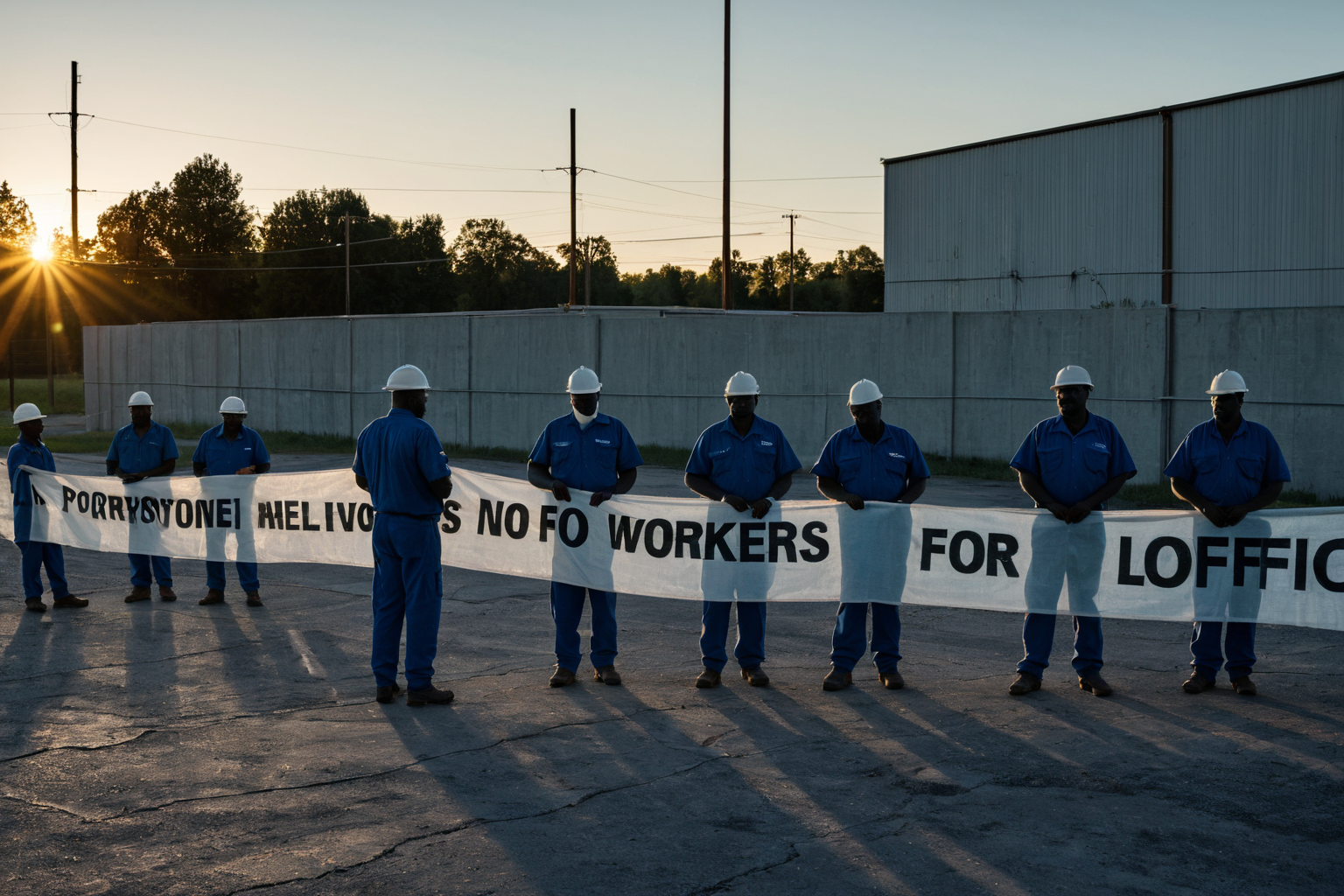
Uchang Konecta Union Conflict: Mass Layoffs and Allegations of Planned Bankruptcy
The Uchang Konecta union conflict, ongoing for four months since the union's establishment, involves mass layoffs with allegations of 'planned bankruptcy' and 'fabricated closure.' Dismissals were announced just two hours before workers finished their shifts, leaving them no time to prepare. Workers have demanded accountability from the government and Mobais (the parent company) through visits to the Blue House, walking protests, and hunger strikes lasting over 100 days.
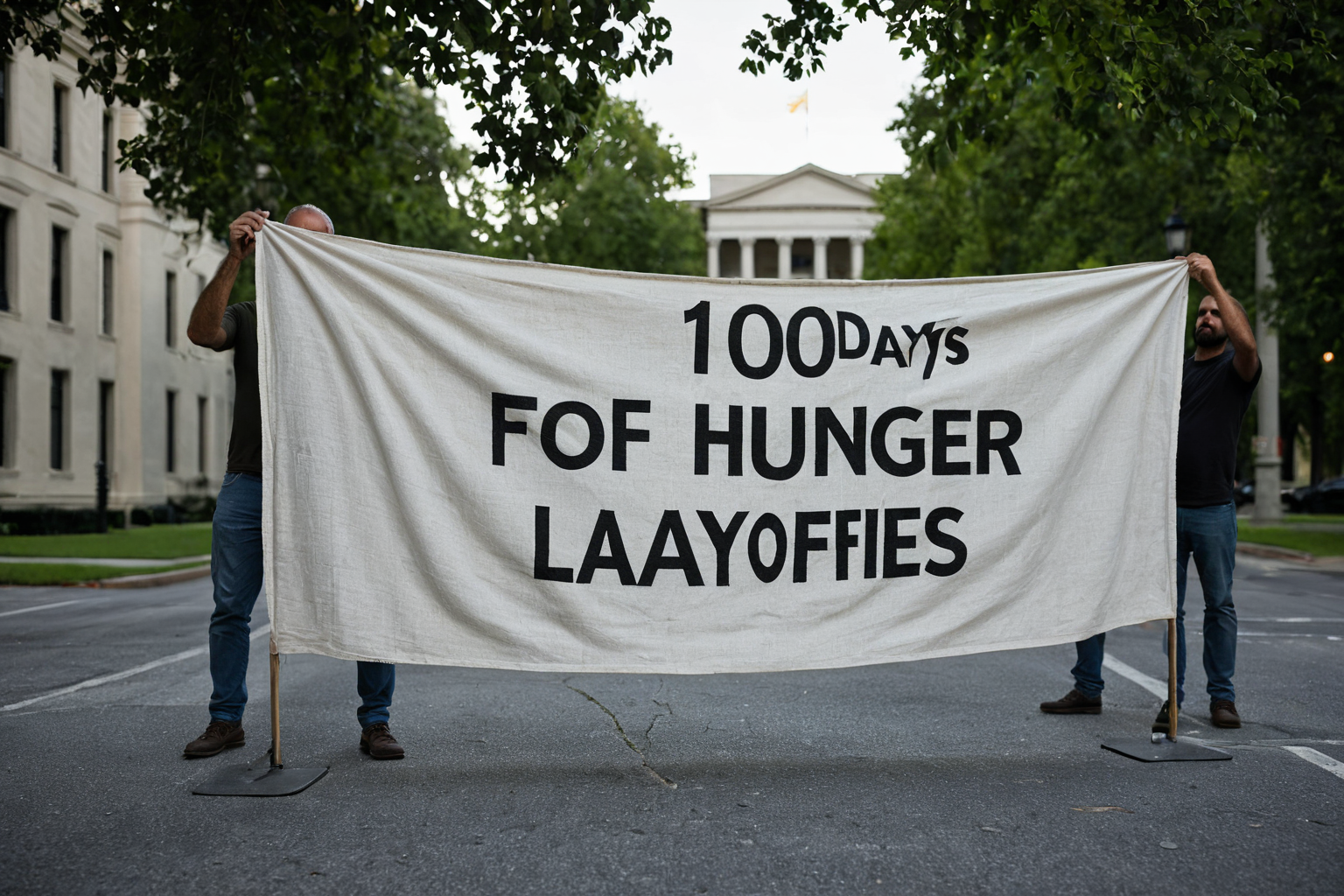
Timing and Method of Mass Layoffs
The mass layoffs began in February 2026, four months after the union was formed. Dismissals were announced two hours before the end of shifts, a method criticized as unreasonable and illegal by some reports, preventing workers from preparing for the sudden change.
Workers' Specific Forms of Protest
Workers have held protests including visits to the Blue House, walking marches from Cheonan to Seoul, and hunger strikes lasting over 100 days. On April 28, 2026, workers visited the Blue House to request re-employment, with reports highlighting their claim of losing '30 years at the same workplace.' The walking protest began on April 22, 2026. Hunger strikes have continued for over 100 days; on May 21, 2026, Union Chairman Kim Kwang-su ended his 25th day of hunger strike due to health deterioration, and by July 16, workers had begun their fourth hunger strike, aligning with a nationwide labor union general strike.
Investigating the 'Planned Bankruptcy' and 'Fabricated Closure' Allegations
The allegations of 'planned bankruptcy' and 'fabricated closure' emerged after Uchang Konecta announced mass layoffs shortly after forming the union. On February 4, 2026, the company's dismissal notice sparked debate over alleged planned bankruptcy. By February 14, workers were publicly stating they had lost their '30-year workplace,' intensifying the controversy. Allegations of a 'fabricated closure' involving the parent company and subcontractors have been raised but remain unverified.
Claim: Workers Abandoned While Equipment Secured
The union claims the company abandoned workers while securing equipment. On May 21, 2026, reports mentioned this claim alongside Chairman Kim Kwang-su's hunger strike cessation due to health issues, suggesting the company prioritized protecting machinery over employees during bankruptcy proceedings.
Government and Societal Response
The Democratic Party has intervened in the Uchang Konecta mass layoff case, urging protection of workers' rights. On July 15, 2026, it was confirmed that the Korean Confederation of Trade Unions (KCTU) designated this case as a workplace for a general strike. The Cheonan Democratic Groups Alliance demanded resolution and raised concerns about neutrality during election periods in their briefing room, though details remain unconfirmed.
Employee Treatment During Corporate Restructuring or Bankruptcy: Homeplus Example
Similar to the Uchang Konecta case, employees at companies like Homeplus have faced 'hidden' treatment during restructuring or bankruptcy processes. On July 23, 2026, reports highlighted this issue in the context of workers demanding accountability for employment responsibilities. This reflects a structural problem where workers are marginalized during corporate bankruptcy procedures.
Long-Term Struggle by Uchang Konecta Workers
Workers have continued hunger strikes and demands for government and Mobais to resolve the issue over 140 days since losing their jobs. On March 20, 2026, workers dismissed two hours before shift end began collective hunger strikes; by May 21, the union chairman joined an indefinite hunger strike, extending the protest. On June 17, 2026, reports confirmed workers were on their 28th day of hunger strike.
Demands for Mobais to Halt Fabricated Bankruptcy Procedures
Uchang Konecta workers are demanding Mobais halt fabricated bankruptcy procedures and assume employment responsibility. On January 29, 2026, reports mentioned this demand, followed by a walking protest from Cheonan to the Blue House. By July 16, 2026, workers began their fourth hunger strike to reiterate these demands.
Worker Criticism: 'Workers Abandoned While Production Continues'
Workers criticize that 'only workers are abandoned while production continues.' On July 22, 2026, a report featured a 'food show' at the hunger strike site, emphasizing worker suffering amid employment issues. The core criticism is that production continues, but workers are left behind.
On July 23, 2026, reports reiterated how employees at Homeplus and Uchang Konecta face 'hidden' treatment during restructuring or bankruptcy processes, highlighting a structural issue.
Unconfirmed Information
Some details about the Uchang Konecta union conflict remain unverified. Allegations of 'fabricated closure' and claims by Cheonan Democratic Groups Alliance are still in the reporting stage, requiring further verification. It is also unclear whether Mobais has halted its fabricated bankruptcy procedures.
Frequently Asked Questions
What does 'planned bankruptcy' mean in the Uchang Konecta union conflict?
'Planned bankruptcy' refers to a situation where a company allegedly uses bankruptcy proceedings to dismiss workers while protecting equipment, suspected of being intentionally orchestrated.
What forms of protest are workers using?
Workers are protesting through visits to the Blue House, walking marches, and hunger strikes lasting over 100 days.
How are employees treated during corporate restructuring or bankruptcy processes at companies like Homeplus and Uchang Konecta?
During restructuring or bankruptcy, employees often face 'hidden' treatment, with their concerns overlooked in the process.
Frequently Asked Questions
The Uchang Konecta union conflict is not merely a layoff issue but highlights structural problems where workers are marginalized during corporate bankruptcy procedures. Allegations of 'planned bankruptcy' and 'fabricated closure' have been raised by workers, though verification remains needed. Workers' demands through protests at the Blue House, walking marches, and hunger strikes (over 100 days) have placed this issue at the center of public debate. Further information will be monitored as the workers seek resolution to their concerns.
You can view similar articles on this topic in one place.
View Related ArticlesFAQ
What does 'planned bankruptcy' mean in the Uchang Konecta union conflict?
'Planned bankruptcy' refers to a situation where a company allegedly uses bankruptcy proceedings to dismiss workers while protecting equipment, suspected of being intentionally orchestrated.
What forms of protest are workers using?
Workers are protesting through visits to the Blue House, walking marches, and hunger strikes lasting over 100 days.
How are employees treated during corporate restructuring or bankruptcy processes at companies like Homeplus and Uchang Konecta?
During restructuring or bankruptcy, employees often face 'hidden' treatment, with their concerns overlooked in the process.
Korean Source
This article is an English localization of a Korean-language report from BlogScore. Original: 우창코넥타 노조 갈등 관련 최신 보도와 분석