
Understanding the Uchang Konecta Union Conflict: Causes and Strategies for Resolution
The Root Causes of the Uchang Konecta Union Conflict
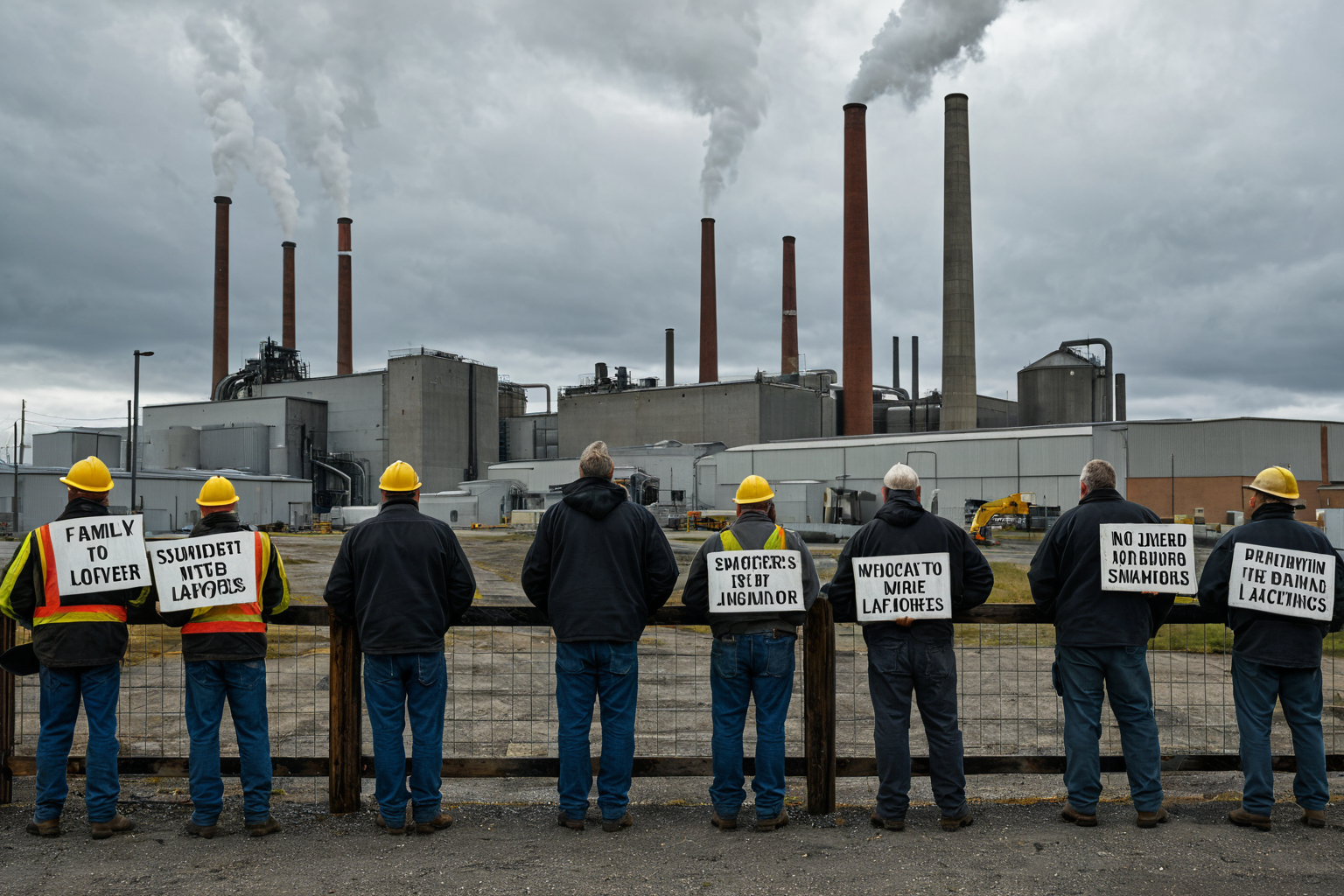
The Uchang Konecta union conflict began when workers were abruptly notified of collective layoffs two hours before their shift ended, following the establishment of the union. Workers, who had spent 20-30 years at the company, criticized this 'unprecedented' procedure as they lost their workplace suddenly, with many stating that even family members were unaware of the decision. The company has not provided a clear explanation regarding allegations of planned bankruptcy and instead failed to disclose the reasons for the layoffs.
Workers' Struggle Timeline
Following the initial news coverage of the collective layoff dispute on January 29, 2026, workers continued their protest on the streets for 100 days, even during May Day (Labor Day) in 2026. The backlash over being notified two hours before leaving work intensified, leading to a general strike organized by the Democratic Trade Union Confederation (민주노총) on July 15.
On July 21, as part of commemorating 100 days of hunger strikes, workers filed a lawsuit alleging 'fraudulent bankruptcy' and joined an indefinite hunger strike. The protest at the Blue House (Cheong Wa Dae) reached its 24th day, with workers demanding fair resolution under the slogan 'Workers are abandoned while production continues,' urging the government to act fairly.
Company Allegations and Worker Claims
Uchang Konecta is suspected of attempting to dismantle the union through a 'fake closure' using its parent company and subcontractors. The company claims chronic losses leading to bankruptcy, ignoring demands for business continuation and job retention.
Workers began an indefinite hunger strike at Cheong Wa Dae following their layoff, with the Democratic Trade Union Confederation organizing a general strike on July 15. On February 4, 2026—just after the union was established—the 'planned bankruptcy' suspicion came under scrutiny due to the layoff notice.
The timing of the layoff notification (two hours before shift end) and the sudden dismissal of workers with over 30 years of service have been central to worker claims. The phrase 'Lost workplace after 140 days' was used to convey their message to the government and the parent company, Mobes (모베이스).
Escalation of Conflict and Response Strategies
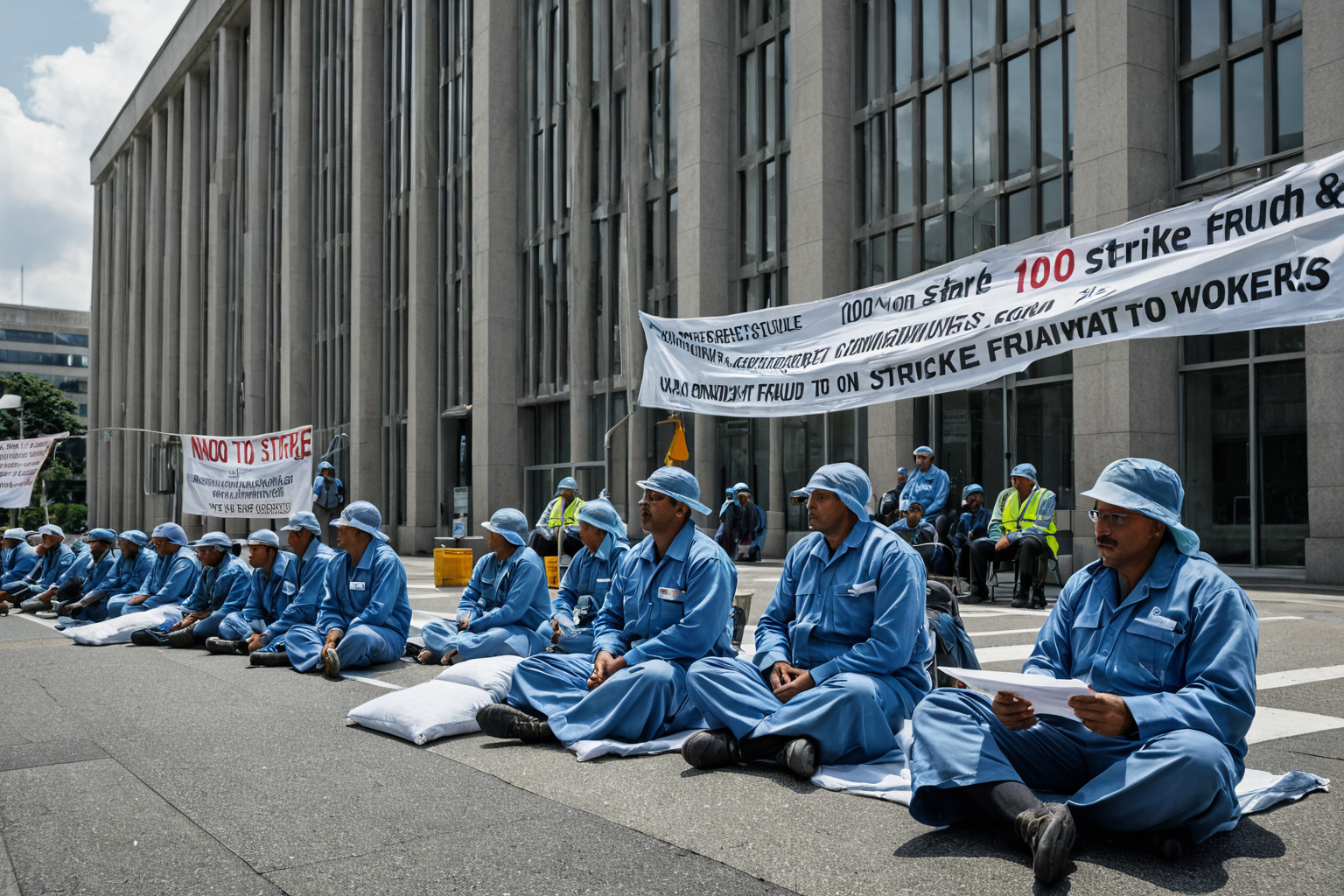
After over 120 days of protest, workers announced a collective hunger strike by union members and the branch chairman joined an indefinite hunger strike. On May 21, the branch chairman began his indefinite hunger strike, and on June 10, media reported that the protest had lasted more than 120 days.
On day 91 after being laid off, workers marched to Cheong Wa Dae, emphasizing the 'unprecedented' nature of the layoff procedure with the statement 'Even families didn't know.' Workers countered the company's claim of chronic losses by suspecting that the company was attempting a 'fake closure' using its parent company and subcontractors.
On August 10, Min Byung-deok, Chairman of the Democratic Yeongdeungpo Labor Committee, met with workers to attempt dialogue, but the situation remains unresolved. Through press conferences, they demanded resolution of the 'planned bankruptcy and collective layoff' issue, urging fair treatment from both government and company.
Worker Claims and Government Role
Workers accused the company of attempting to dismantle the union through a 'fake closure' using its parent company and subcontractors. This suspicion intensified after the planned bankruptcy allegation emerged, bringing attention to the responsibility of the main contractor (원청).
On May 1 Labor Day, workers continued their protest for the 100th day on the streets, and by day 91 post-layoff, they marched to Cheong Wa Dae. The phrase 'Even families didn't know' highlighted both the unreasonable nature of the layoff procedure and distrust in company processes.
Workers demanded that the government demonstrate fairness and common sense with the slogan 'Workers are abandoned while production continues,' criticizing companies for continuing operations without workers. This message underscored their call for corporate accountability.
Response Strategies and Future Outlook
Through hunger strikes and lawsuits, workers condemned what they called fraudulent bankruptcy by the company and demanded job retention and business continuation. After filing a lawsuit on July 21 alleging 'fraudulent bankruptcy,' they requested serious investigation.
As the struggle continued for an extended period, the Democratic Trade Union Confederation organized general strikes, while hunger strikes at Cheong Wa Dae persisted. Workers countered the company's claim of chronic losses by raising suspicions of a 'fake closure' using the parent company and subcontractors.
The government needs to handle this situation fairly. The company must clearly explain the reasons for layoffs, and respond appropriately to workers' demands. It is necessary to verify whether the company's claim of chronic losses is true and consider issues related to main contractor responsibility as well.
Key Information to Verify
The Uchang Konecta union conflict began with news coverage of a collective layoff dispute on January 29, 2026. The 'planned bankruptcy' suspicion came under scrutiny on February 4, 2026, after the union was established and layoffs were announced.
Workers continued their protest for 100 days on May Day (Labor Day), and by day 91 post-layoff, they marched to Cheong Wa Dae. A general strike led by the Democratic Trade Union Confederation took place on July 15, with news of a hunger strike anniversary and 'fraudulent bankruptcy' lawsuit filed on July 21.
Workers emphasized the sudden loss of their workplace after 20-30 years of service and criticized the company for not providing clear explanations regarding planned bankruptcy allegations. The suspicion that the company was attempting to dismantle the union through a 'fake closure' using its parent company and subcontractors also emerged.
Frequently Asked Questions
What caused the Uchang Konecta union conflict?
The conflict began with collective layoffs announced two hours before workers' shift ended after the union was established. Workers, who had worked at the company for 20-30 years, lost their workplace suddenly and criticized the 'unprecedented' procedure as even family members were unaware of the decision.
What actions did workers take?
Workers organized a general strike on July 15 led by the Democratic Trade Union Confederation, conducted hunger strikes at Cheong Wa Dae, and filed a lawsuit alleging 'fraudulent bankruptcy.' The branch chairman joined an indefinite hunger strike, and union members announced plans for collective hunger strikes.
What was the company's stance?
The company did not provide clear explanations regarding allegations of planned bankruptcy but claimed chronic losses leading to bankruptcy. It failed to respond to workers' demands for business continuation and job retention.
Frequently Asked Questions
The Uchang Konecta union conflict represents a significant case addressing worker rights and corporate responsibility. The company must clearly explain the reasons for layoffs, and the government must handle the situation fairly to foster social consensus.
Workers criticized the 'unprecedented' layoff procedure ('Even families didn't know') while refuting the company's claim of chronic losses. Suspicions about a 'fake closure' using the parent company and subcontractors emerged, bringing attention to main contractor responsibility issues.
As the struggle continued for an extended period, general strikes led by the Democratic Trade Union Confederation and hunger strikes at Cheong Wa Dae persisted. Workers demanded fair treatment from the government with the slogan 'Workers are abandoned while production continues,' and also pursued legal action through a fraudulent bankruptcy lawsuit.
This case highlights the need for improved employer-employee relations and social consensus on resolving such conflicts. Companies should provide clear explanations about layoffs, and the government should mediate fairly to resolve disputes.
You can view similar articles on this topic in one place.
View Related ArticlesFAQ
What caused the Uchang Konecta union conflict?
The conflict began with collective layoffs announced two hours before workers' shift ended after the union was established. Workers, who had worked at the company for 20-30 years, lost their workplace suddenly and criticized the 'unprecedented' procedure as even family members were unaware of the decision.
What actions did workers take?
Workers organized a general strike on July 15 led by the Democratic Trade Union Confederation, conducted hunger strikes at Cheong Wa Dae, and filed a lawsuit alleging 'fraudulent bankruptcy.' The branch chairman joined an indefinite hunger strike, and union members announced plans for collective hunger strikes.
What was the company's stance?
The company did not provide clear explanations regarding allegations of planned bankruptcy but claimed chronic losses leading to bankruptcy. It failed to respond to workers' demands for business continuation and job retention.
Korean Source
This article is an English localization of a Korean-language report from BlogScore. Original: 우창코넥타 노조 갈등의 원인과 대응 전략