
Uchang Konecta Collective Layoffs: A Guide to Legal Actions for Affected Workers
Overview of the Uchang Konecta Collective Layoff Crisis
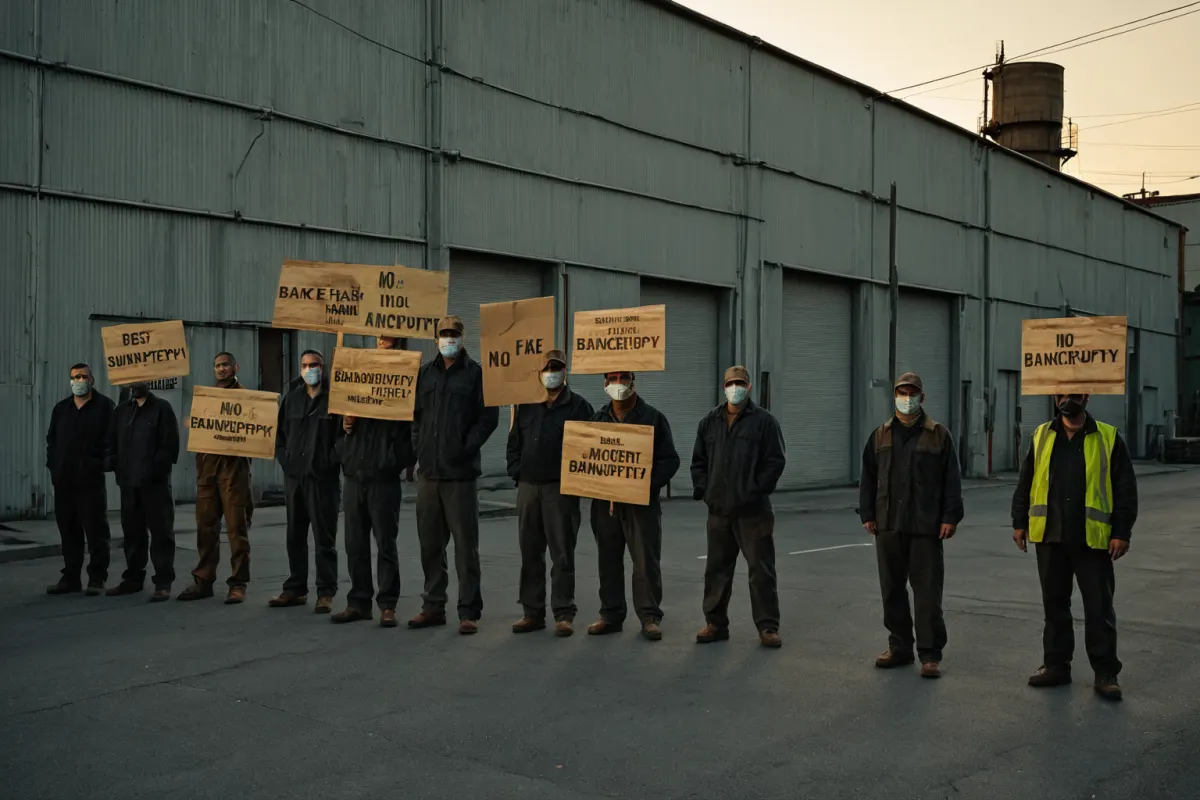
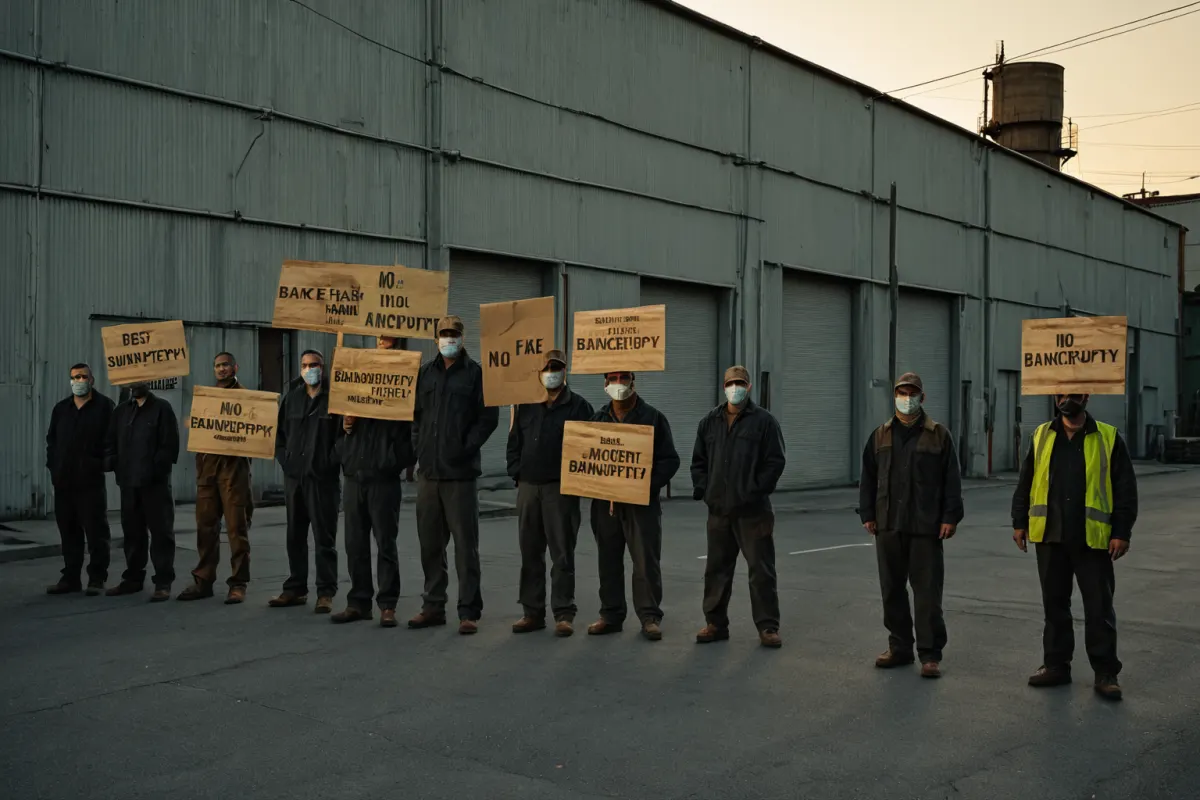
The Uchang Konecta collective layoff crisis, which began in January 2026, has seen workers fighting for their right to survive. As of May 1, 2026, the situation has persisted for 100 days, with allegations of planned bankruptcy leading workers to engage in hunger strikes, protests outside Cheong Wa Dae (the presidential office), and other forms of protest including self-mutilation and tonsure. The crisis gained momentum following a January 26 press conference addressing 'fake bankruptcy' concerns, and received significant public attention after MBC's 'Investigation 60 Minutes' covered the story on July 10. Reports about the layoffs also emerged on May 21 and 26, with workers criticizing the company for prioritizing equipment over employees.
Collective Layoffs and Allegations of Planned Bankruptcy
Uchang Konecta began collective layoffs in January 2026, telling workers to pack their belongings and leave within an hour. This has led to suspicions of planned bankruptcy, with workers calling it a 'fake bankruptcy.' A press conference on January 26 addressed these concerns, marking the start of the crisis. Additional reports followed on February 5 and 26, particularly highlighting allegations that the company had 'planned for bankruptcy and then backed out.' Evidence suggesting planned bankruptcy includes claims that Uchang Konecta attempted large-scale asset transfers or improper financial maneuvers before filing for bankruptcy, leaving workers unemployed.
Workers' Responses
Workers have responded with hunger strikes, protests outside Cheong Wa Dae, self-mutilation, and tonsure. Kim Kwang-soo, a committee chairman, ended his 25-day hunger strike on May 22 but resumed the struggle afterward. On July 18, over 1,000 workers gathered in front of Cheong Wa Dae to demand their right to survival, drawing significant public attention. Workers have also criticized the company for prioritizing equipment over employees, arguing that the company preserved assets while abandoning workers. While a group hunger strike was announced on June 10, it did not materialize as planned.
Preparing Legal Actions
The Democratic Yulguro Committee and the union are preparing legal actions to address the planned bankruptcy and collective layoffs. On August 10, they held a press conference together to call for resolution, with Lee Hwa-yeong's former deputy mayor wife, Baek Jeong-hwa, in attendance—a move that drew political attention. The Democratic Yulguro Committee is condemning Mobais (likely a typo or misstatement) for avoiding responsibility and preparing guidelines for legal procedures. After the August 10 press conference, they continued to advocate for resolution and prepare related documents.
Current Status of the Uchang Konecta Collective Layoff Crisis
As of May 1, 2026, the crisis has been ongoing for 100 days. MBC's 'Investigation 60 Minutes' covered it on July 10. Workers have continued their struggle in Suwon (a city near Seoul), with workers criticizing the company for prioritizing equipment over employees. A report about the layoffs appeared on May 21, sparking public interest. Additionally, Min Byung-deok, a committee chairman, met with workers to discuss resolution, indicating efforts to address the issue through political dialogue alongside legal action.

Detailed Guide to Legal Procedures for Collective Layoff Victims
Victims of collective layoffs can first seek consultation at the Ministry of Employment and Labor. The ministry provides guidance on laws related to preventing and responding to collective layoffs, supporting litigation or mediation processes. Specifically, after submitting a collective layoff report, workers can request mediation through the labor committee, with the ministry mediating the process. Additionally, victims can file a lawsuit in court claiming the layoffs are invalid. Required documents include collective layoff notices, employment contracts, and pay records. The Ministry of Employment and Labor offers detailed guidelines for these procedures, allowing victims to protect their rights.
How to Verify Planned Bankruptcy
The presence of planned bankruptcy can be determined by analyzing court bankruptcy filings and the company's financial status. Workers are consulting with experts alongside the Democratic Yulguro Committee to prepare relevant documents. Specifically, it is important to check whether the company attempted large-scale asset transfers or improper financial maneuvers before filing for bankruptcy. Comparing when workers were laid off with changes in the company's financial health can help determine if bankruptcy was planned. The Democratic Yulguro Committee supports this analysis and works with experts to prepare relevant documents.
Procedures to Protect Workers' Rights
Victims of collective layoffs can submit a collective layoff report to the Ministry of Employment and Labor, enabling them to request mediation through the labor committee. They can also file a lawsuit in court claiming the layoffs are invalid. The key step is preparing documents: the ministry provides documentation related to the reporting process, while the labor committee handles mediation procedures. Court litigation requires more complex steps but is effective for claiming layoff invalidity. Victims can use these procedures to protect their rights.
Response Strategies and Important Notes
Workers are using civil actions like hunger strikes and protests to draw public attention, collaborating with the Democratic Yulguro Committee. However, legal processes should be pursued promptly, requiring careful document preparation. Crucially, essential documents such as collective layoff notices and employment contracts must be kept securely. It is recommended to consult the Ministry of Employment and Labor for accurate procedures and seek support from the Democratic Yulguro Committee. Combining legal actions with civil protests can lead to effective solutions.
Key Information to Verify
The Uchang Konecta collective layoff crisis has been ongoing since January 2026, with 100 days having passed as of August 10, 2026. The crisis involves allegations of planned bankruptcy, with the Democratic Yulguro Committee and union working together to respond. Additional information can be found through the Ministry of Employment and Labor and the Democratic Yulguro Committee, both offering consultation services for collective layoff victims. Notably, the press conference on August 10 was a key turning point in efforts to resolve the crisis.
Frequently Asked Questions
How can collective layoff victims take legal action?
They can consult with the Ministry of Employment and Labor, submit a collective layoff report, and request mediation through the labor committee. They can also file a lawsuit in court claiming the layoffs are invalid.
How can planned bankruptcy be verified?
By analyzing court bankruptcy filings and company financial status, with guidance from the Democratic Yulguro Committee and experts.
How long will the collective layoff crisis continue?
This depends on how the case is resolved. As of August 10, 2026, it has been ongoing for 100 days. The Democratic Yulguro Committee and union are urging resolution through legal action.
You can find similar articles on this topic in one place.
View Related ArticlesFAQ
How can collective layoff victims take legal action?
They can consult with the Ministry of Employment and Labor, submit a collective layoff report, and request mediation through the labor committee. They can also file a lawsuit in court claiming the layoffs are invalid.
How can planned bankruptcy be verified?
By analyzing court bankruptcy filings and company financial status, with guidance from the Democratic Yulguro Committee and experts.
How long will the collective layoff crisis continue?
This depends on how the case is resolved. As of August 10, 2026, it has been ongoing for 100 days.
Korean Source
This article is an English localization of a Korean-language report from BlogScore. Original: 우창코넥타 집단해고 피해자, 법적 대응 절차 가이드