
Uchang Konecta Collective Layoff Crisis: Employee Impact and Response Strategies
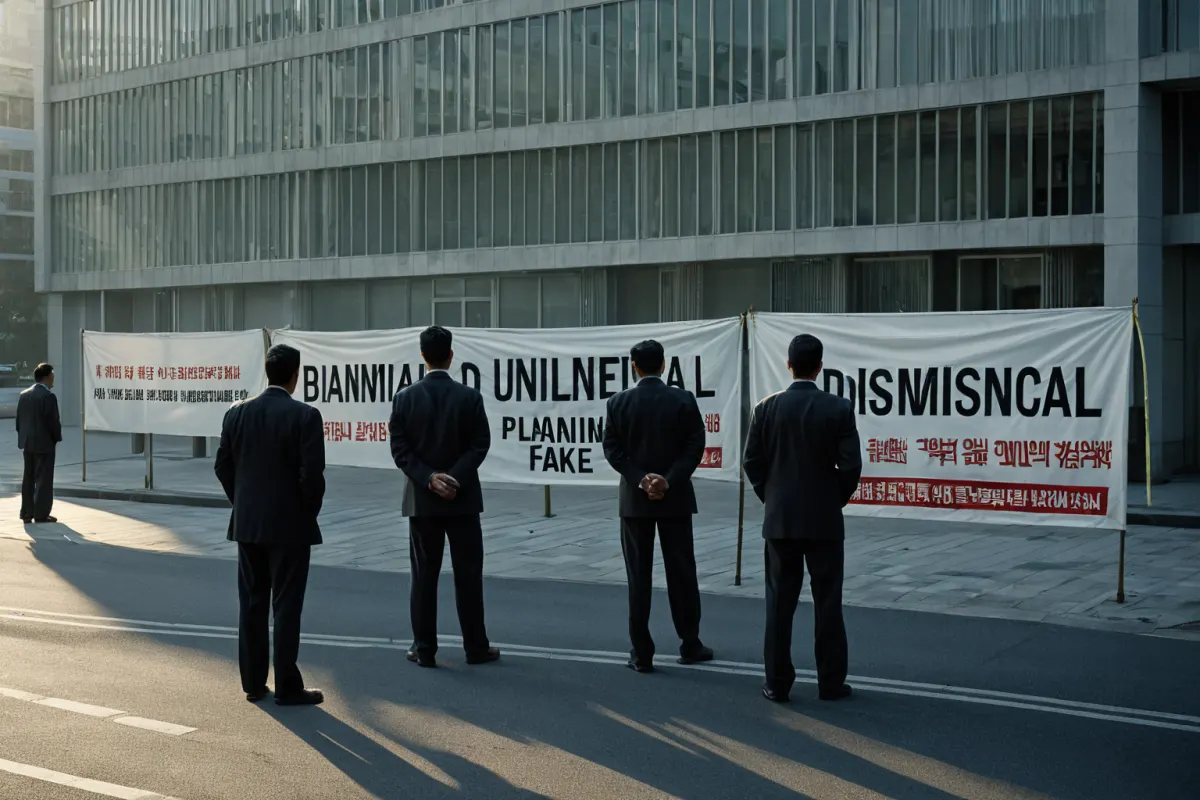
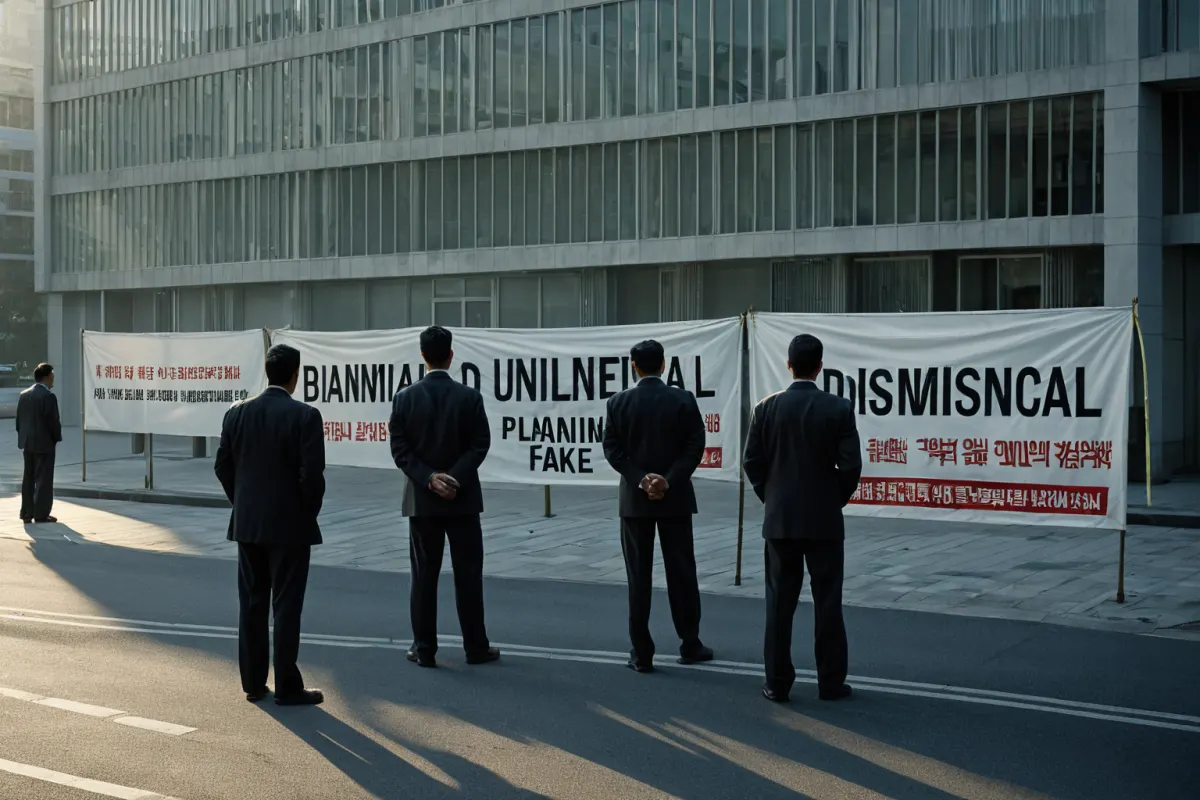
Overview of the Uchang Konecta Collective Layoff Crisis
In February 2026, Uchang Konecta unilaterally laid off employees following union formation, citing 'planned bankruptcy.' The termination notices were delivered just two hours before the end of workday, prompting workers to demand employer accountability through legal channels.
Layoff Process and Employee Impact
Uchang Konecta implemented unilateral layoffs after union establishment under the pretext of 'planned bankruptcy.' Employees received termination notices two hours before their shift ended—a rare practice in the industry. Many employees were abruptly removed from their local communities where they had built family and social lives, with some reporting that even family members were unaware of the layoffs until after the fact.
Timeline of Events: Sustained Struggle
On February 4, 2026, Uchang Konecta's union held a press conference condemning 'unilateral closure and collective layoffs without negotiation.' The following day (February 5), employees received termination notices two hours before their shift ended, raising suspicions of premeditated bankruptcy. On February 26, the Progressive Party organized mass membership to strengthen solidarity with workers. On March 18, a prostration protest was held in front of the Blue House (Cheong Wa Dae).
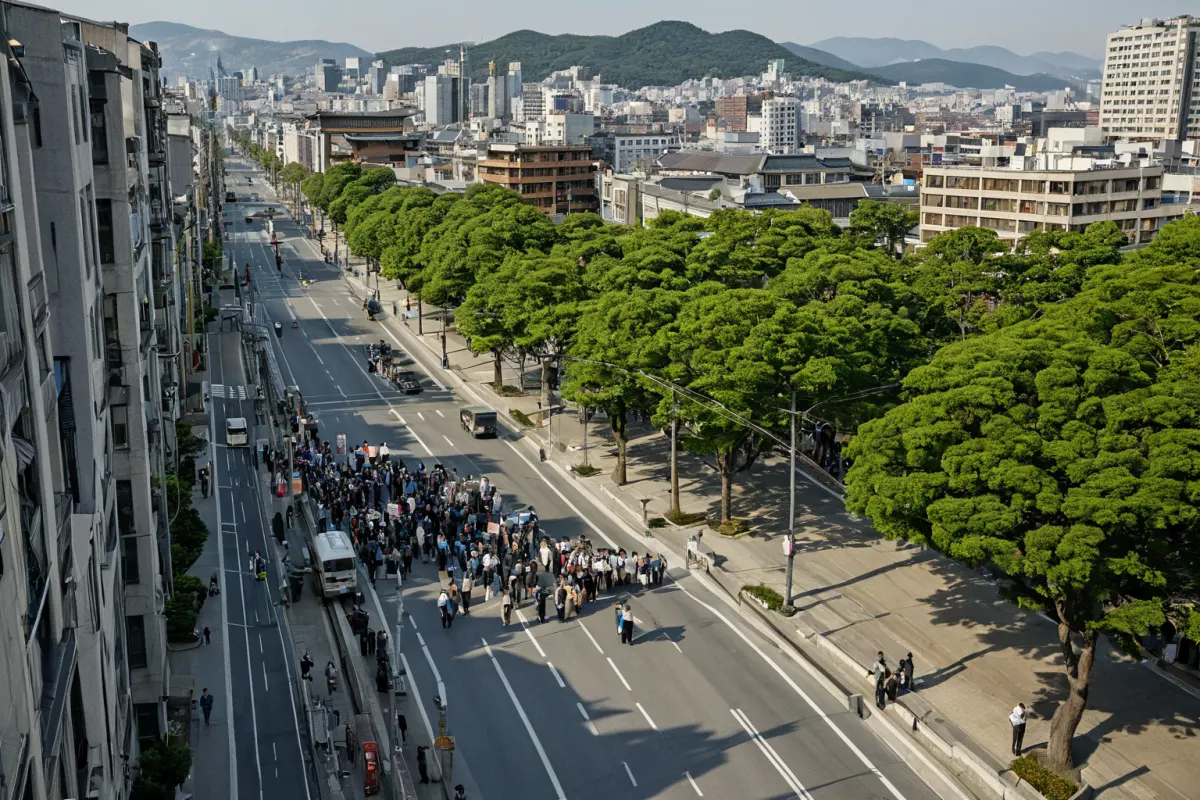
On April 22, marking day 91 since layoffs began, a walking march reached the Blue House to highlight the 'planned bankruptcy' allegations. According to a May 21 report by Kyunghyang Shinmun, protests continued in front of the Blue House. A May 26 report by Maeil Labor News confirmed the crisis had persisted for four months.
Allegations of Planned Bankruptcy and Corporate Evasion
While Uchang Konecta cited 'planned bankruptcy' as justification, workers labeled it a 'fake bankruptcy,' accusing the company of evading responsibility. On August 10, the Democratic Yulguro Committee and Uchang Konecta union held a press conference demanding resolution to the 'planned bankruptcy and collective layoffs crisis' while condemning corporate evasion.
Workers are demanding employment accountability from Mobais (the company name), with citizens' groups organizing prostration protests and walking marches in front of the Blue House. This reflects criticism that the company premeditated its bankruptcy process before unilaterally terminating employees—a social call for labor rights protection.
Response Strategies and Civic Solidarity
Multiple phases of response have been implemented regarding Uchang Konecta's collective layoffs. On February 26, 2026, the Progressive Party organized mass membership to unite with workers, while the Democratic Party began engaging in the issue. Collaborating with the Democratic Yulguro Committee, civic groups held press conferences and sustained protests.
Workers have drawn public attention through prostration protests and walking marches at the Blue House, which are viewed as grassroots labor rights advocacy efforts. This demonstrates how workers can mobilize civil society and political alliances to counter unilateral corporate decisions on employment.
Investigation into Causes and Verification Process
The core issue in the Uchang Konecta layoffs is the 'planned bankruptcy' allegation. Workers claim the company premeditated its bankruptcy process before unilaterally terminating employees without negotiation—a move seen as ignoring employee employment rights and evading legal responsibility.
At a press conference on August 10, 2026, the Democratic Yulguro Committee and union emphasized demands for resolving the 'planned bankruptcy and collective layoffs crisis' while condemning corporate evasion. This was viewed as the company bypassing legal procedures to exclude employees, failing in social responsibility.
Employee Response Information
Laid-off employees face employment insecurity due to what they term a 'fake bankruptcy.' They are demanding employer accountability through unions and civic solidarity, pursuing legal action and public advocacy. This represents a strategic approach to labor rights protection against corporate unilateral layoffs.
Workers have drawn social attention through prostration protests and walking marches at the Blue House while seeking political resolution with involvement from Democratic Party and Progressive Party. This case demonstrates that companies cannot unilaterally decide on employment issues, raising societal awareness about labor rights protection.
Information to Verify and Considerations
The Uchang Konecta collective layoff crisis is deeply tied to the 'planned bankruptcy' allegation. It remains critical to verify whether the company premeditated its bankruptcy process and implemented unilateral layoffs without negotiation—a key step in clarifying legal accountability.
Workers demanding employment responsibility from Mobais underscores corporate social responsibility. If a company excludes employees through bankruptcy procedures rather than negotiating layoffs, it may face legal consequences.
Frequently Asked Questions
In the Uchang Konecta collective layoff crisis, the company claimed 'planned bankruptcy,' but workers dispute this as a 'fake bankruptcy,' suggesting the company premeditated its bankruptcy process to exclude employees.
Termination notices were delivered two hours before work ended—a practice criticized for denying employees sufficient time to respond. The unilateral layoffs have sparked societal discussions about labor rights protection.
Workers organized prostration protests and walking marches at the Blue House, seeking political resolution with involvement from Democratic Party and Progressive Party. This case demonstrates that companies cannot unilaterally decide on employment issues, raising awareness about labor rights protection.
Frequently Asked Questions
The Uchang Konecta collective layoff crisis reveals a breakdown in trust between workers and the company over responsibility evasion. The termination process and 'planned bankruptcy' allegations highlight that companies cannot unilaterally decide on employee employment, contributing to heightened societal awareness about labor rights.
Workers are demanding employment accountability from Mobais while organizing prostration protests and walking marches at the Blue House through civic solidarity. This represents a response strategy against corporate unilateral layoffs, viewed as social advocacy for labor rights protection.
Unilateral corporate decisions on employee employment without negotiation appear aimed at avoiding legal responsibility—a case prompting societal discussions and policy improvements. The Uchang Konecta collective layoff crisis has contributed to raising awareness about labor rights protection in society.
You can view more articles on similar topics at once.
View Related ArticlesFAQ
What is the main issue with Uchang Konecta's layoffs?
The company cited 'planned bankruptcy' as justification, but workers dispute this claim, calling it a 'fake bankruptcy' and alleging premeditated job cuts without negotiation.
How did employees respond to the layoffs?
Employees organized prostration protests and walking marches at the Blue House, sought political support from Democratic and Progressive parties, and demanded employer accountability through legal channels.
Korean Source
This article is an English localization of a Korean-language report from BlogScore. Original: 우창코넥타 집단해고 사태, 직원들 피해 상황과 대응 방안