
UAE's Trade Suspension with Iran: Key Implications and Future Outlook
UAE's Decision to Suspend Trade with Iran
The United Arab Emirates (UAE) has suspended all trade and financial transactions with Iran. This move appears to be a direct response to Iran's resumption of missile launches, influenced by pressure from the Trump administration. The blockade of the Strait of Hormuz has led to rising global oil prices, highlighting an increased 'risk premium' in oil markets and heightened market volatility.
Strategic Background Behind UAE's Decision
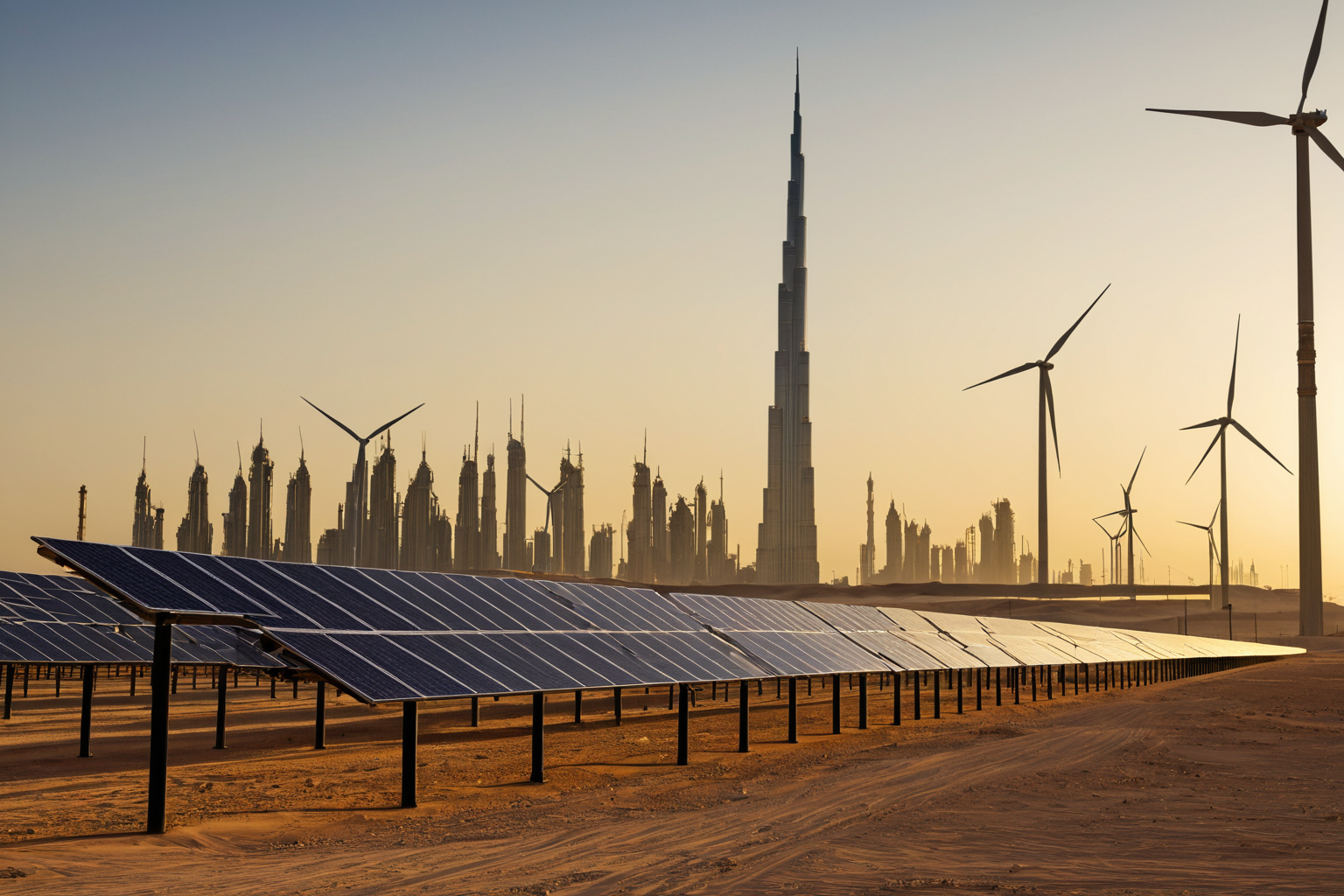
The UAE announced the suspension of trade and financial ties with Iran, reportedly under pressure from the Trump administration. By withdrawing from OPEC, the UAE aims to navigate a new phase in Middle Eastern strategic competition between the U.S. and China. The country has also raised its clean energy target to 35%, aiming to reduce oil dependence through solar power and ESS (Energy Storage System) technologies.
Strait of Hormuz Blockade and Global Oil Price Fluctuations
The UAE's decision has intensified the blockade of the Strait of Hormuz, contributing to rising global oil prices. This has brought attention to the 'risk premium' in oil markets, causing fluctuations across global markets. The suspension of trade with Iran following Iran's resumption of missile launches directly impacts the transportation of international oil through the Strait of Hormuz.
Impact on K-Beauty and K-Biotech Exports
K-beauty and K-biotech sectors have suffered a significant blow, losing an estimated 110 billion won in exports due to the trade suspension with the UAE. The Trade Association has activated an emergency task force to manage business losses. This reflects how South Korea-UAE economic cooperation has been heavily concentrated in these two sectors.
U.S. Support for Iran Strikes and Special Privileges
The UAE appears to have received unprecedented privileges by supporting U.S. military action against Iran. The announcement of OPEC withdrawal has caused fractures among oil-producing nations, impacting global energy markets. South Korea is currently building an investment cooperation platform with the UAE and revising its K-nuclear export system, while also analyzing changes in freight markets and import-export policies.
Timeline of UAE's Trade Suspension Decision
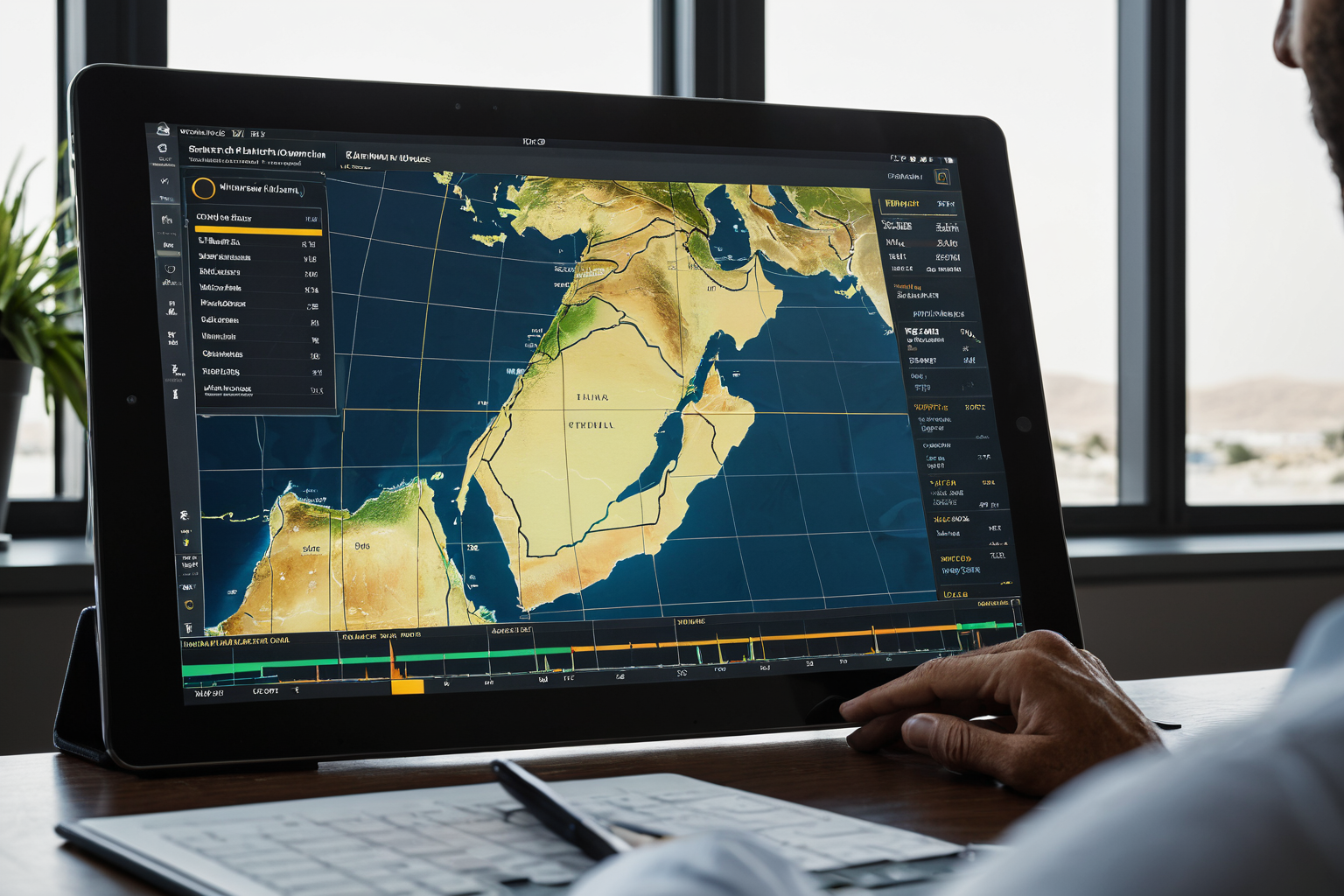
On August 19, 2026, the UAE announced a complete suspension of trade and financial transactions with Iran. This decision followed Iran's resumption of missile launches and was reportedly influenced by pressure from the Trump administration. On August 18, 2026, international oil prices rose due to the Strait of Hormuz blockade, highlighting an increased 'risk premium' in oil markets.
OPEC Withdrawal and Middle East Strategy
On May 3, 2026, the UAE announced its withdrawal from OPEC as part of a strategic response to shifting U.S.-China competition in the Middle East. The country has raised its clean energy target to 35%, aiming to reduce oil dependency through solar power and ESS technologies. This reflects both a shift in energy policy and a new position within the broader geopolitical landscape.
South Korea-UAE Cooperation and K-Nuclear Exports
On February 2, 2023, 'Team Korea' led efforts to establish an investment cooperation platform with the UAE. On May 15, 2026, the government decided to comprehensively revise South Korea's K-nuclear export system. This is part of a broader effort to secure global market competitiveness for Korean nuclear technology through UAE collaboration.
Impact on India-Middle East Logistics
The UAE's ban on trade with Iran has disrupted maritime logistics between India and the Middle East. This directly affects oil transportation through the Strait of Hormuz, leading to changes or delays in shipping routes between India and the Middle East.
UAE's Trade Suspension and U.S. Pressure
The Trump administration warned of unprecedented sanctions against Iran, prompting the UAE to comply. This appears to be a strategic move to secure special privileges related to U.S. support for military action against Iran. Some analysts suggest this could have even greater economic consequences than U.S. sanctions.
Response Strategies and Economic Impact
To minimize economic impacts from the trade suspension with Iran, the UAE is pursuing a new energy policy by raising clean energy targets and withdrawing from OPEC. South Korea-UAE cooperation is evolving through investment platforms to offset losses in K-beauty and K-biotech exports.
Information to Verify
Further verification is needed on whether the UAE's decision to suspend trade with Iran was directly influenced by Trump administration pressure, and if U.S. support for military action against Iran led to special privileges. Additionally, confirmation of the 110 billion won export loss in K-beauty and biotech sectors and the effectiveness of the Trade Association's emergency task force is required.
Frequently Asked Questions
What prompted the UAE's decision to suspend trade with Iran?
The UAE suspended trade with Iran as a response to Iran's resumption of missile launches, influenced by pressure from the Trump administration. The blockade of the Strait of Hormuz and rising oil prices have also contributed.
Why did the UAE withdraw from OPEC?
The UAE withdrew from OPEC to navigate a new phase in U.S.-China strategic competition in the Middle East. It has raised its clean energy target to 35% and is reducing oil dependence through solar power and ESS technologies.
How is South Korea-UAE cooperation responding?
South Korea and the UAE are establishing an investment cooperation platform and revising K-nuclear export systems. The Trade Association has activated an emergency task force to manage export losses in K-beauty and biotech sectors.
Frequently Asked Questions
The UAE's suspension of trade with Iran, prompted by Iran's missile launches and U.S. pressure, has led to rising oil prices and a 'risk premium' in global markets. South Korea's K-beauty and biotech sectors have suffered an estimated 110 billion won in export losses, managed through an emergency task force. South Korea-UAE cooperation is progressing via investment platforms and nuclear export system revisions, while the UAE's OPEC withdrawal reflects its strategic response to U.S.-China competition in the Middle East.
You can view similar articles all at once.
View Related ArticlesFAQ
What prompted the UAE's decision to suspend trade with Iran?
The UAE suspended trade with Iran as a response to Iran's resumption of missile launches, influenced by pressure from the Trump administration. The blockade of the Strait of Hormuz and rising oil prices have also contributed.
Why did the UAE withdraw from OPEC?
The UAE withdrew from OPEC to navigate a new phase in U.S.-China strategic competition in the Middle East. It has raised its clean energy target to 35% and is reducing oil dependence through solar power and ESS technologies.
How is South Korea-UAE cooperation responding?
South Korea and the UAE are establishing an investment cooperation platform and revising K-nuclear export systems. The Trade Association has activated an emergency task force to manage export losses in K-beauty and biotech sectors.
Korean Source
This article is an English localization of a Korean-language report from BlogScore. Original: UAE 교역 중단 사태의 시사점과 향후 전망