
Typhoon No. 16 Current Location and Path Forecast: How to Check Evacuation Orders
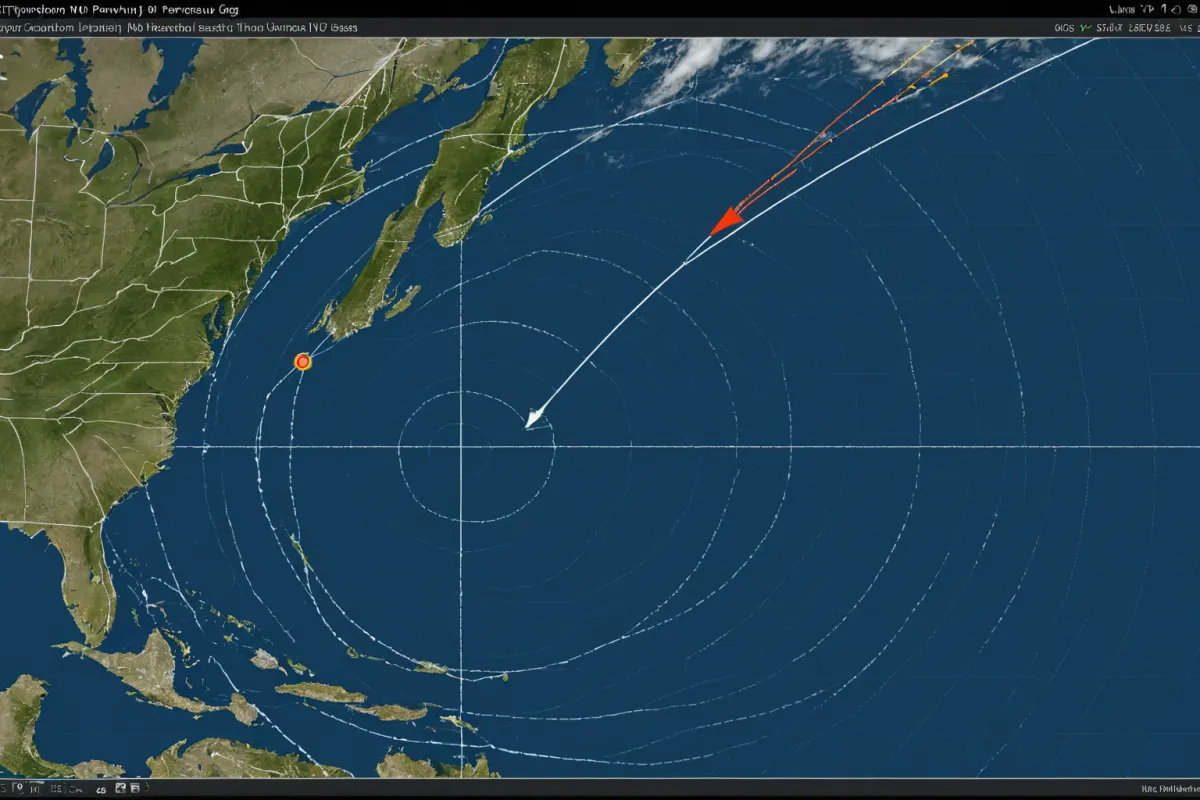
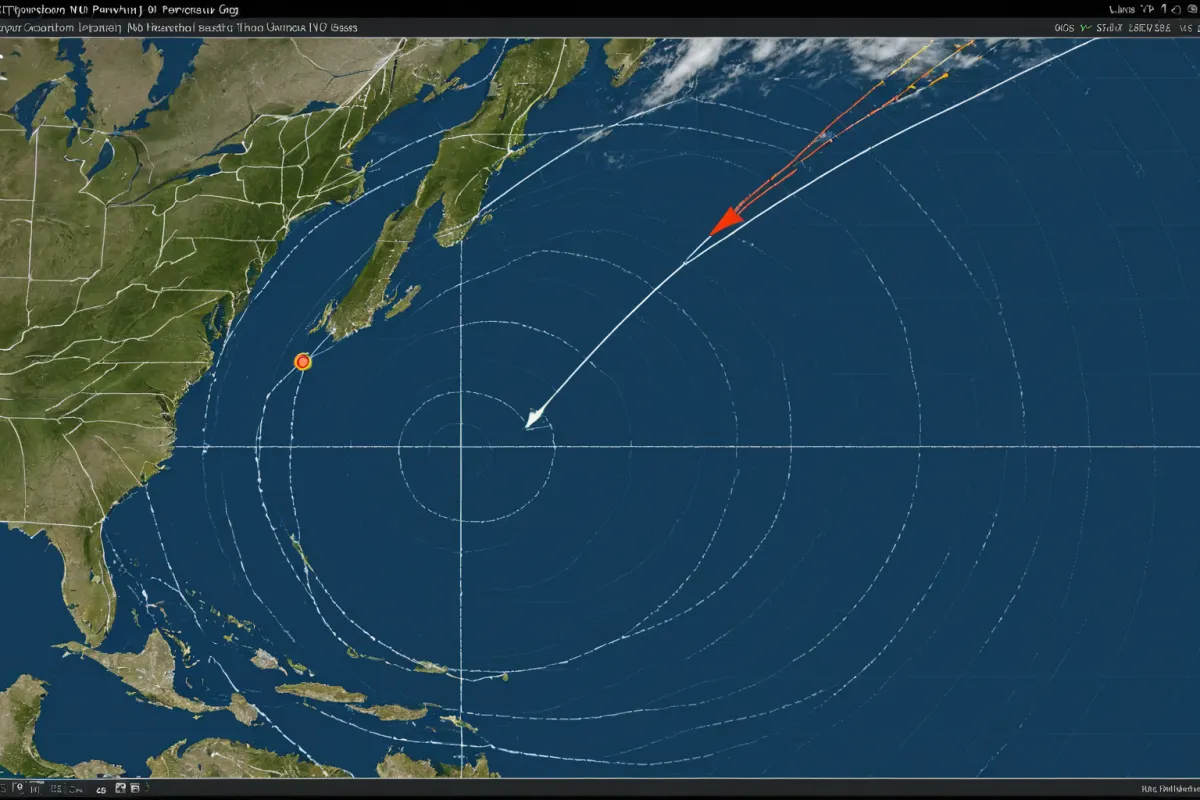
Typhoon No. 16 Current Location and Path Forecast
Typhoon No. 16 'Pakhar' formed in the waters northeast of Guam and is moving northeast, with expectations that it will weaken into a tropical depression within 24 hours. Meanwhile, Typhoons No. 13 'Dolphin' and No. 15 'Chanhom' are also being monitored. 'Chanhom' has passed through Japan and moved into the East Sea but is not expected to directly affect the Korean Peninsula.
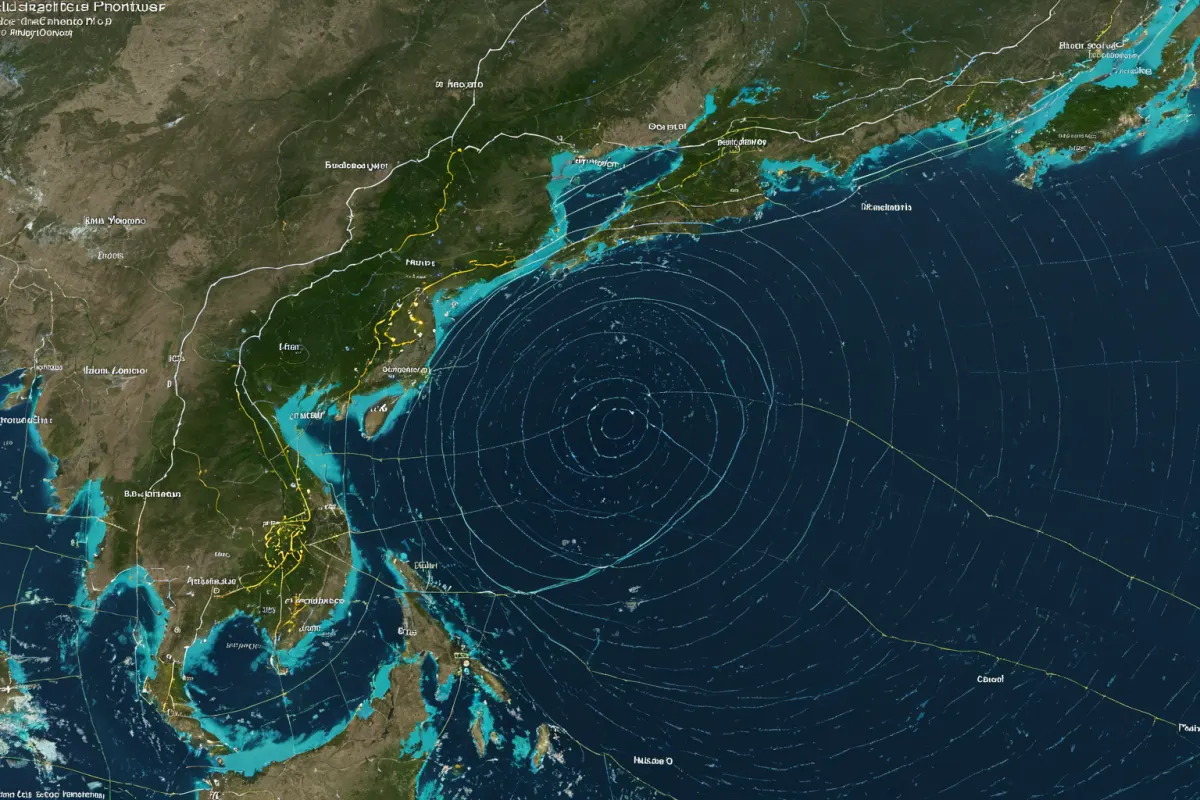
Simultaneous Typhoon Monitoring
Typhoon No. 16 'Pakhar' is moving north alongside Typhoons No. 13 'Dolphin' and No. 15 'Chanhom'. While 'Chanhom' has passed through Japan and entered the East Sea, it is not expected to directly impact the Korean Peninsula. This simultaneous occurrence of multiple typhoons during the 2026 season is somewhat unusual.
The concurrent appearance of typhoons often occurs when ocean temperatures and atmospheric conditions reach a certain level, particularly in the Northwest Pacific region where typhoons tend to concentrate between August and September. Typhoon No. 13 'Dolphin' is currently weakening near Japan's islands, while Typhoon No. 15 'Chanhom' has passed through mainland Japan and is moving into the East Sea, expected to bring rain to Gangwon Province's coastline.
Current Path and Weakening Forecast
Typhoon 'Pakhar' formed northeast of Guam on August 9 and began moving northeast starting August 10. As of August 11, it is forecast to weaken into a tropical depression within 24 hours. This weakening occurs as typhoons transition to tropical low-pressure systems, typically when approaching land or encountering cooler ocean surface temperatures. As of August 12, 'Pakhar' is moving toward the area approximately 2,250 km northeast of Guam.
The weakening process generally happens as a typhoon shifts into a tropical low-pressure system, which occurs when it moves closer to land or encounters cooler ocean surface temperatures. For 'Pakhar,' its northeastern path has led it through areas with gradually cooling ocean temperatures, making the weakening forecast possible. The Korea Meteorological Administration (KMA) is monitoring the typhoon's path and intensity changes in real-time, providing up-to-date information.
Potential Impact on the Korean Peninsula
While Typhoon No. 16 'Pakhar' will not directly impact the Korean Peninsula, Typhoon No. 15 'Chanhom,' after passing through Japan and entering the East Sea, is expected to bring rain to Gangwon's east coast. As of August 12, coastal areas along the East Sea are forecasted to experience rain until the day after tomorrow, while inland regions will see showers starting tomorrow through the day after tomorrow. This indicates that even areas not directly affected by typhoons may experience temporary rainfall.
The KMA is analyzing how 'Chanhom,' as it moves from Japan into the East Sea, affects Korea's weather patterns. Specifically, Gangwon coastal areas are expected to see brief but heavy rain, which could occur alongside higher humidity levels—requiring attention. Meanwhile, inland showers are expected to be short-lived, typically ending within 2–3 hours.
Meanwhile, Typhoon No. 17 'Nangka' has already formed as of August 12, though it is not yet affecting the Korean Peninsula.
How to Check Evacuation Orders
Evacuation orders can be checked through local meteorological administration websites, the 1365 Public Safety Alert service, and municipal social media channels. The KMA website provides real-time updates on typhoon locations and paths. The 1365 Public Safety Alert sends rapid evacuation notices nationwide via SMS. Municipal social media accounts offer localized details tailored to specific areas, especially important for tourist destinations or regions with scheduled large events.
When an evacuation order is issued, it's recommended to check the 'Typhoon Warnings' or 'Evacuation Guidance' sections on the KMA website. The 1365 Public Safety Alert delivers messages via SMS and can be received through a smartphone app. Municipal social media accounts vary by region, so checking the official website of the relevant city or county is the most accurate way to get details.
Key Typhoon Updates
Among recent reports on the 2026 typhoon season, Typhoon No. 17 'Nangka' has formed and was confirmed as of August 12. However, it is not yet affecting the Korean Peninsula. Some coverage also mentioned predictions for the 2025 typhoon season, but these are unrelated to current conditions.
The KMA provides regular updates on typhoon activity throughout the season. The peak period for typhoon activity in the Northwest Pacific region is expected between mid-August and early September, with increased frequency during this time. Staying informed about typhoon-related information is advisable.
Historical Context
Typhoon 'Pakhar' formed northeast of Guam on August 9 and has been moving northeast since then. It is relatively uncommon for a typhoon not to directly impact the Korean Peninsula, which typically happens when a typhoon's path shifts due to low-pressure systems over land or sea.
Historically, Typhoon No. 16 'Miriam' in 2018 directly affected the peninsula, but recent years have seen most typhoons moving northeast and minimizing impact on Korea. This trend is analyzed as a result of climate change and changes in ocean surface temperatures.
Preparedness and Safety Information
Even though Typhoon No. 16 'Pakhar' won't directly affect the peninsula, temporary rainfall may occur along the east coast and inland areas. Therefore, drivers should exercise caution during rain to prevent traffic accidents, and outdoor activities should be avoided in regions with shower forecasts.
Specifically, Typhoon No. 15 'Chanhom,' after passing through Japan and moving into the East Sea, is expected to bring rain to Gangwon's east coast. This could influence Korea's weather patterns, making it important to regularly check updates from local meteorological offices.
The KMA regularly updates safety information related to typhoons, including warnings about flooding or landslides caused by heavy rainfall. These alerts can be accessed via the KMA website and the 1365 Public Safety Alert service.
Key Information to Monitor
Typhoon-related information should be monitored in real-time through the KMA website and the 1365 Public Safety Alert. Evacuation orders vary by region, so checking municipal social media channels for detailed local updates is recommended.
Frequently Asked Questions
Will Typhoon No. 16 'Pakhar' affect South Korea?
Typhoon 'Pakhar' formed northeast of Guam and is moving northeast, with expectations it will weaken into a tropical depression within 24 hours. Therefore, direct impact on the Korean Peninsula is unlikely.
Where is Typhoon No. 16 currently located?
As of August 12, 'Pakhar' is approaching the area approximately 2,250 km northeast of Guam.
How can I check evacuation orders?
Evacuation orders can be checked through local meteorological administration websites, the 1365 Public Safety Alert service, and municipal social media channels.
You can view more articles on similar topics at once.
View Related ArticlesFAQ
Will Typhoon No. 16 'Pakhar' affect South Korea?
Typhoon 'Pakhar' formed northeast of Guam and is moving northeast, with expectations it will weaken into a tropical depression within 24 hours. Therefore, direct impact on the Korean Peninsula is unlikely.
Where is Typhoon No. 16 currently located?
As of August 12, 'Pakhar' is approaching the area approximately 2,250 km northeast of Guam.
How can I check evacuation orders?
Evacuation orders can be checked through local meteorological administration websites, the 1365 Public Safety Alert service, and municipal social media channels.
Korean Source
This article is an English localization of a Korean-language report from BlogScore. Original: 16호 태풍 현재 위치와 진로 예보, 대피 명령 확인 방법