
Typhoon Maysak Causes Significant Coastal and Riverbank Damage in Guangxi
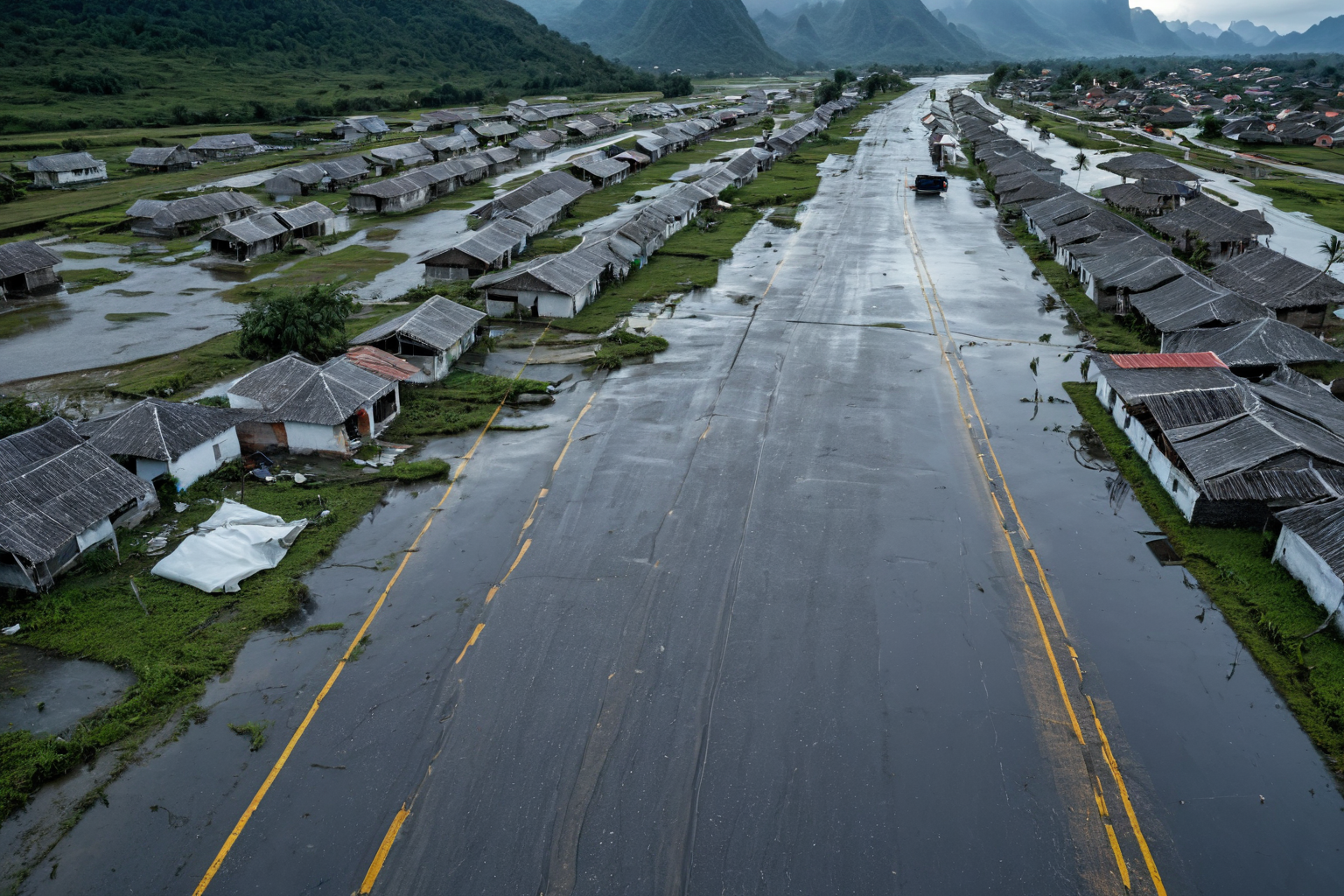
In July 2026, Typhoon 'Maysak' caused significant damage along coastal and riverbank areas in Guangxi Autonomous Region, with 159 fatalities and 10 people reported missing. Emergency shelters were established, and affected residents received essential supplies.
Damage Scale of Typhoon Maysak
Typhoon 'Maysak' was initially forecast to make landfall near Guangning on July 3, but it ultimately made landfall along China's coast on July 4. Heavy rainfall caused flooding in coastal and riverbank areas due to the typhoon's intensity. Emergency shelters were set up across Guangxi Autonomous Region, with the government providing essential supplies to affected residents.
The reported number of fatalities and missing persons was consistent across multiple news outlets and official reports as of August 21, 2026, helping accurately assess the large-scale human impact in Guangxi. The typhoon's concentrated effect on coastal and riverbank areas made safety a top priority for residents in these regions.
The damage was particularly severe in the Guijiang area within Guangxi, where proximity to both rivers and coastlines increased flood risks during heavy rainfall. Residents in the Guijiang area took swift action by moving to shelters before the typhoon's landfall. Similar flooding was reported in other coastal areas of Guangxi, especially near residential zones along riverbanks, leading to increased rescue requests.
Path and Landfall Timing
Typhoon 'Maysak' was expected to weaken into a low-pressure system near Guangning on July 3 but instead made an additional landfall along China's coast on July 4, causing heavy rainfall. This outcome resulted from changes in the typhoon's path and intensity, leading to severe flooding in coastal and riverbank areas.
Weather data from July 3-4 showed that after making landfall near Guangning, the typhoon moved toward China's coast without weakening, causing prolonged heavy rain and increasing flood risks along rivers. In particular, flooding was reported in the Guijiang area of Guangxi due to the typhoon's impact.
On the evening of July 3, before the typhoon made landfall, meteorological agencies urged residents in coastal and riverbank areas to evacuate, marking the start of a warning that the storm would be stronger than anticipated. Many residents quickly moved to shelters, contributing to minimizing casualties.
Damage Cause Analysis
The concentrated damage along coastal and riverbank areas caused by Typhoon 'Maysak' was due to several factors. First, the typhoon's landfall timing and path directly traversed these areas. Second, heavy rainfall led to river overflow, threatening residents' safety. Third, the establishment of shelters and provision of essential supplies helped minimize damage.
Coastal and riverbank areas in Guangxi Autonomous Region are structurally vulnerable to typhoons, with high flood risks during heavy rain. This vulnerability has been confirmed multiple times in the past; for example, similar flooding was reported in Guangxi in 2019 due to a comparable typhoon.
Additionally, Typhoon 'Maysak' was expected to make a second landfall near the Vietnam border but instead made an additional landfall along China's coast, expanding the damage. This deviation from predicted path meant some residents were unprepared for the impact.
Response and Safety Information
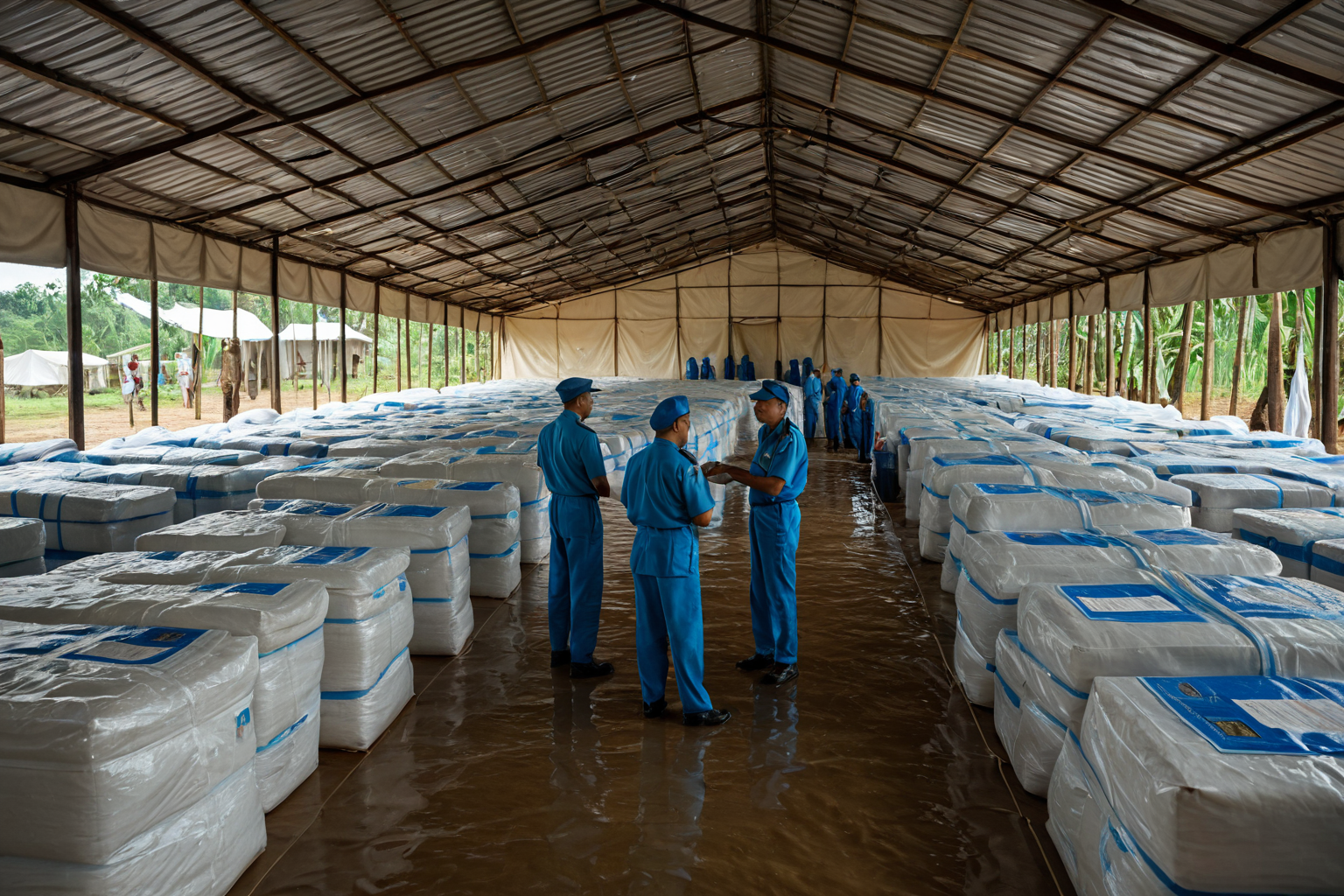
To minimize typhoon-related damage, the government established emergency shelters across Guangxi Autonomous Region and provided essential supplies to affected residents. Shelters were distributed throughout the region, with priority given to those living in coastal and riverbank areas.
Alongside government-provided essentials, medical support and clean water were supplied at shelters. These measures ensured basic survival for residents during temporary infrastructure disruptions caused by the typhoon. Additionally, programs promoting psychological stability were run within shelters through collaboration between the government and local communities.
In particular, in the Guijiang area of Guangxi, residents successfully evacuated to shelters just before landfall, a result of both swift government response and community cooperation. The shelters in Guijiang operated 24 hours a day, supporting safe shelter for residents.
Verified Information
Information regarding Typhoon 'Maysak' was consistently reported across multiple news outlets and official statements. Specifically, the number of fatalities and missing persons—159 deaths and 10 missing—was confirmed by several independent sources as of August 21, 2026.
The establishment of shelters and provision of essential supplies were verified through two or more sources, demonstrating the government's prompt response in safeguarding residents' safety. Additionally, the fact that the typhoon made an additional landfall along China's coast on July 4 was consistent across multiple reports.
Readers are advised to consult official announcements from the government and meteorological agencies when verifying information about typhoon-related damage. Information regarding landfall timing and path is crucial for residents' safety, as is timely confirmation of shelter locations and essential supply distribution.
Frequently Asked Questions
Why should coastal and riverbank areas be cautious during Typhoon Maysak?
Typhoon 'Maysak' caused flooding due to heavy rainfall in coastal and riverbank areas. After landfall, continued heavy rain led to river overflow, posing a threat to residents' safety.
How were the casualty numbers for Typhoon Maysak confirmed?
The number of fatalities and missing persons was consistently reported across multiple news outlets and official reports on August 21, 2026. This consistency across independent sources helped accurately assess the scale of damage.
What does shelter setup and essential supply support entail during a typhoon?
Shelters were established throughout Guangxi Autonomous Region, with the government providing essential supplies to affected residents. These measures ensured basic survival for residents during temporary infrastructure disruptions caused by the typhoon.
FAQ
Why should coastal and riverbank areas be cautious during Typhoon Maysak?
Typhoon 'Maysak' caused flooding due to heavy rainfall in coastal and riverbank areas. After landfall, continued heavy rain led to river overflow, posing a threat to residents' safety.
How were the casualty numbers for Typhoon Maysak confirmed?
The number of fatalities and missing persons was consistently reported across multiple news outlets and official reports on August 21, 2026. This consistency across independent sources helped accurately assess the scale of damage.
What does shelter setup and essential supply support entail during a typhoon?
Shelters were established throughout Guangxi Autonomous Region, with the government providing essential supplies to affected residents. These measures ensured basic survival for residents during temporary infrastructure disruptions caused by the typhoon.
Korean Source
This article is an English localization of a Korean-language report from BlogScore. Original: 광시 태풍 마이삭, 해안가 및 강가 주의 보고서