
Typhoon Chanhom Path and Safety Measures: Latest Updates
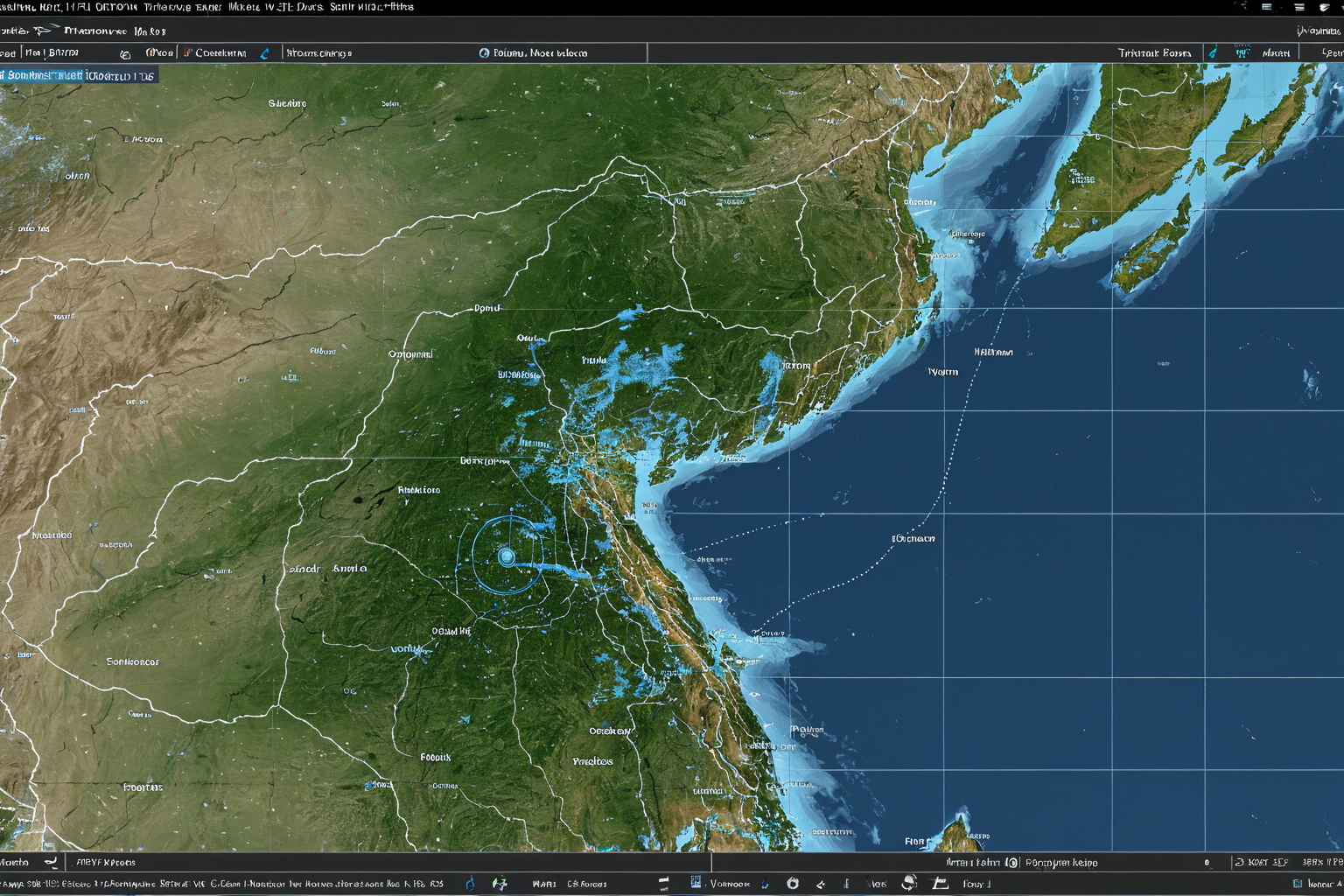
Projected Path of Typhoon Chanhom
The Korea Meteorological Administration (KMA) is tracking the movement of Typhoon Chanhom, which is gradually moving toward northern regions of the Korean Peninsula. According to current data, it is expected to extend from the southern coastal areas to Gangwon and Gyeongsang provinces. Satellite observations confirm that Chanhom formed as a low-pressure system moving northwestward from near Okinawa, Japan.
The KMA monitors its progress using hourly updated satellite images and radar data. Forecasts indicate strong winds and rain starting this afternoon through early tomorrow morning, with high flood risks in mountainous areas due to heavy downpours. The KMA has activated continuous alert systems to keep residents informed.
Chanhom is expected to move at an average speed of 15 km/h, which is relatively slow. This provides sufficient time for regional response efforts. However, the KMA emphasizes that Chanhom will bring strong winds and significant rainfall, with over 300mm of rain anticipated in southern regions.

Safety Measures for Typhoon Chanhom
As Chanhom approaches the Korean Peninsula, it's important to review key response measures. The government is using disaster alert systems to inform residents of risk levels by region, helping them prepare for evacuation. The KMA also provides continuous updates on forecasts.
Travel plans should be adjusted or postponed due to potential disruptions in transportation and airport operations. Flights may experience delays or cancellations, so checking airline information before departure is essential. The KMA refreshes its forecasts every three hours, making it crucial to stay updated on traffic conditions.
To minimize impact, the government has prepared evacuation centers in schools, community centers, and public facilities across regions. Special attention is given to vulnerable groups such as children and elderly residents. Residents should also be cautious about electrical and gas systems during rain, avoiding use of exposed wires or appliances for safety.
Latest Weather Forecasts
According to the KMA, Chanhom's central pressure is 980 hPa, indicating a strong storm. However, the KMA predicts no major damage before it directly affects the Korean Peninsula. The agency shares real-time updates with residents based on these forecasts.
Forecast details may vary by region; for example, southern areas expect heavy rain while northern regions are likely to be less affected. The KMA offers tailored response strategies considering such regional differences.
Chanhom's Development
Chanhom has developed over the sea near Japan and is moving toward the Korean Peninsula. The KMA is closely monitoring its interaction with a low-pressure system from the Atlantic, which could further intensify Chanhom's strength.
Current data shows that Chanhom brings strong winds and heavy rain, particularly in southern regions where over 300mm of rainfall is expected. This poses risks to crops and roads, prompting collaboration between agricultural departments and transportation authorities.
Cause of Typhoon Formation
Meteorologists point to rising sea surface temperatures as a key factor in Chanhom's formation. Increased ocean heat energy due to recent temperature rises has contributed to the intensification of this low-pressure system. Additionally, higher atmospheric moisture levels have led to stronger storms.
The KMA continues monitoring these conditions and plans to incorporate findings into future forecasts. Researchers are analyzing Chanhom’s development to improve storm prediction accuracy in the future.
Response and Safety Information
Residents should limit outdoor activities as Chanhom approaches, avoiding dangerous areas especially in mountainous regions where landslide risks are high. The KMA may issue special alerts for such areas based on current conditions.
Be cautious with electrical and gas systems during rain; avoid using exposed wires or appliances. Evacuation centers are operating at community centers and schools—check local resources. Vulnerable groups like children and elderly should have pre-established evacuation plans, including communication methods with family members.
Key Information to Monitor
Residents can check Chanhom’s latest movement and forecasts on the KMA website or mobile app. Real-time alerts through local disaster management systems are recommended for immediate updates. The KMA refreshes its forecasts every three hours, so regularly checking is vital.
Preparation is especially critical for vulnerable groups like children and elderly. Residents should familiarize themselves with evacuation routes and locations of shelters in advance, along with having emergency contact information ready.
Frequently Asked Questions
Q: What impact will Typhoon Chanhom have when it reaches the Korean Peninsula?
Chanhom brings strong winds and rain, potentially causing delays or cancellations in road traffic and flights. Mountainous areas face higher risks of flooding and landslides, requiring residents to prepare for evacuation.
Q: Where can I check Typhoon Chanhom forecasts?
The KMA website, mobile app, or local disaster management systems provide the latest updates. Forecasts are updated every three hours, so regular checks are recommended for real-time information.
Q: What is the most important measure to take in response to Typhoon Chanhom?
Preparation and staying informed with real-time updates are crucial. For vulnerable groups, having pre-identified evacuation centers and household emergency plans is essential.
You can find more articles on similar topics in one place.
View Related ArticlesFAQ
What impact will Typhoon Chanhom have when it reaches the Korean Peninsula?
Chanhom brings strong winds and rain, potentially causing delays or cancellations in road traffic and flights. Mountainous areas face higher risks of flooding and landslides, requiring residents to prepare for evacuation.
Where can I check Typhoon Chanhom forecasts?
The KMA website, mobile app, or local disaster management systems provide the latest updates. Forecasts are updated every three hours, so regular checks are recommended for real-time information.
What is the most important measure to take in response to Typhoon Chanhom?
Preparation and staying informed with real-time updates are crucial. For vulnerable groups, having pre-identified evacuation centers and household emergency plans is essential.
Korean Source
This article is an English localization of a Korean-language report from BlogScore. Original: 사풍 찬홈 예상 경로 및 대응 방법: 오늘 최신 정보