
The Truth Behind the U.S. Drone Misidentification Incident: Diplomatic Tensions and International Law Interpretations
Key Facts of the U.S. Drone Misidentification Incident
The misidentification incident occurred due to a missed report by South Korean military personnel regarding a U.S. drone flight plan. The Joint Chiefs of Staff stated that while the U.S. military provided a text notification the previous day, the South Korean operational staff failed to relay it, leading to the U.S. drone being mistaken for a North Korean aircraft. As a result, the commander of the 1st Corps was placed on administrative leave, highlighting structural issues in information sharing within U.S.-South Korea military cooperation and differences in international law interpretations.
Incident Timeline
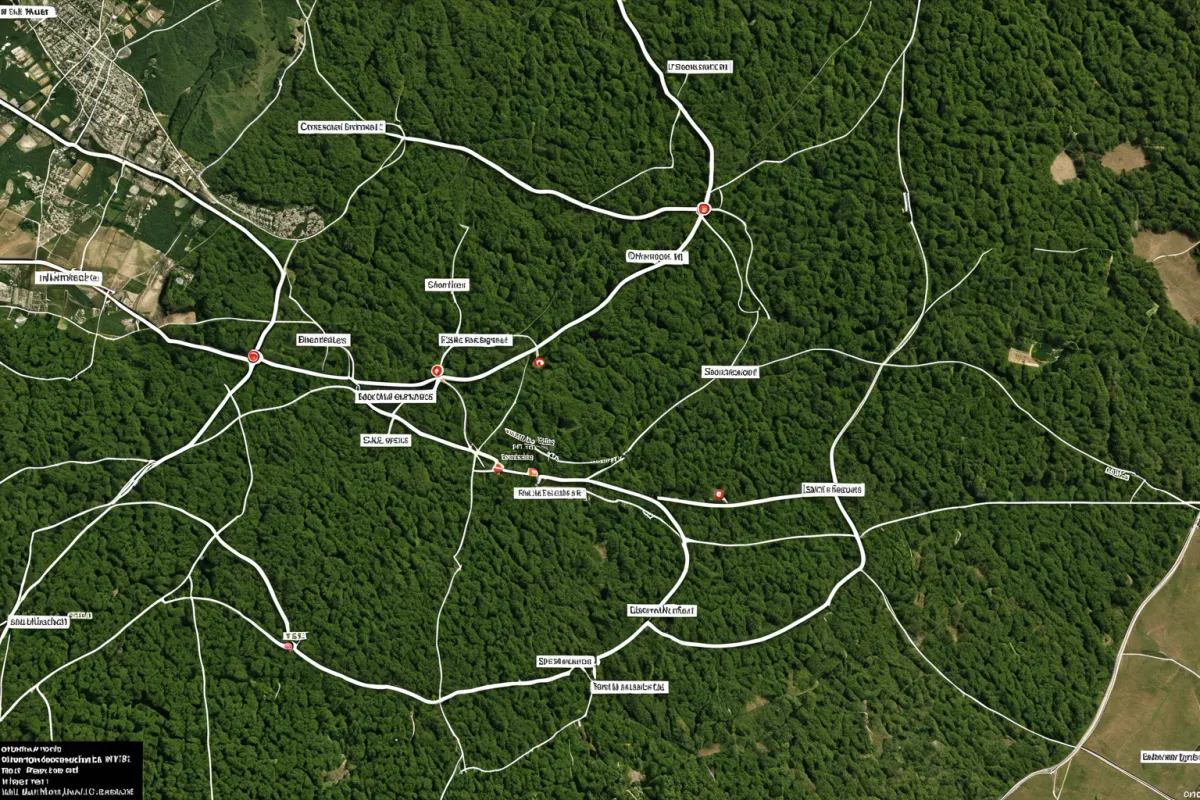
The incident occurred on July 31, 2026, in northern Gyeonggi Province when a U.S. drone flight plan was not properly communicated to South Korean forces, causing the drone to be misidentified as a North Korean aircraft. The Joint Chiefs of Staff explained that while the U.S. military sent a text notification about the drone operation the day before, South Korean personnel failed to report it, triggering an alert situation. This case has drawn attention as an example of structural problems in the information-sharing system between U.S. and South Korea military cooperation.
On August 1, 2026, the Ministry of National Defense placed the commander of the 1st Corps on administrative leave following an investigation into the responsible personnel. The Joint Chiefs of Staff officially announced on August 3 that the misidentification incident was caused by a 'missed text notification and report,' emphasizing that this revealed structural issues in information sharing within U.S.-South Korea military cooperation.
Root Cause Analysis
The direct cause of the incident was that while the U.S. military provided advance notice via text about the drone flight plan, South Korean personnel failed to report it. The Joint Chiefs of Staff stated that 'while the U.S. military sent a text notification the previous day, our military's operational staff missed reporting it, leading to the misidentification.' This case highlights shortcomings in the information-sharing procedures within U.S.-South Korea military cooperation.
Additionally, it was noted that the U.S. military mistakenly sent the flight plan via text to the 'wrong unit,' contributing to the error. This suggests that unconventional communication methods outside standard channels also played a role in the issue. According to reports by Asia Daily and Daejeon Daily, structural problems in information sharing within U.S.-South Korea military cooperation have repeatedly occurred.
The Ministry of National Defense stated that the 1st Corps commander was placed on administrative leave due to 'not having live ammunition loaded,' but this is interpreted as being related to the responsibility for the missed report by personnel. On July 31, 2026, when the incident occurred, the 1st Corps had approved drone flights above the designated altitude, though normal procedures were delayed.
Interestingly, while the U.S. military mistakenly identified an allied drone as enemy aircraft during this incident, the 1st Corps claimed they took proper measures due to a drone flying above the approved altitude. This conflicting report was highlighted in Asia Daily and Daejeon Daily on August 2 and 3.
Response and Safety Measures
Following the incident, U.S. and South Korean forces initiated discussions to improve information-sharing systems. The Joint Chiefs of Staff announced that they would strengthen reporting procedures between personnel and develop countermeasures against unconventional communication methods used by the U.S. military. This is considered a first step toward structurally resolving information-sharing issues within U.S.-South Korea military cooperation.
The Ministry of National Defense will conduct further investigations into the 1st Corps commander who was placed on administrative leave, aiming to clarify responsibility for the missed report by personnel. This could become an opportunity for more structural improvements in the information-sharing system within U.S.-South Korea military cooperation.
Both countries have agreed to reorganize information-sharing procedures during military operations and strengthen real-time response systems as a result of this incident. This is expected to contribute to building trust and resolving differences in international law interpretations within U.S.-South Korea military cooperation.
Key Information to Verify
The fact that the U.S. military sent the flight plan via text to the 'wrong unit' during this incident is noteworthy. This highlights communication methods and information-sharing system issues in U.S.-South Korea military cooperation, triggering debates over differences in international law interpretations.
The Joint Chiefs of Staff's announcement regarding the misidentification due to a 'missed text notification and report' serves as an exemplary case demonstrating structural problems in information sharing within U.S.-South Korea military cooperation. According to Asia Daily and Daejeon Daily, such structural issues have repeatedly occurred in U.S.-South Korea military cooperation.
The Ministry of National Defense's decision to place the 1st Corps commander on administrative leave due to 'not having live ammunition loaded' has been noted as an example emphasizing the importance of information sharing and real-time response systems during military operations. This is expected to become a turning point for U.S.-South Korea countries to build trust and resolve differences in international law interpretations within military cooperation.
Frequently Asked Questions
Was there an error in the process of notifying South Korean forces about the U.S. drone flight plan?
The U.S. military provided advance notice via text, but the incident occurred because South Korean personnel failed to report it.
Why was the 1st Corps commander placed on administrative leave?
The decision was made due to responsibility related to the missed report by personnel, with reports suggesting he issued flight orders while 'not having live ammunition loaded.'
How will this incident affect U.S.-South Korea military cooperation?
The incident exposed structural issues in information sharing, requiring improved systems for trust-building and resolving differences in international law interpretations within future U.S.-South Korea military cooperation.
Frequently Asked Questions
The misidentification of a U.S. drone by South Korean forces has revealed structural problems in the information-sharing process between the two allies, causing diplomatic tensions and raising questions about differences in international law interpretations. The Joint Chiefs of Staff is working to improve information-sharing procedures by strengthening reporting protocols between personnel and developing countermeasures against unconventional communication methods used by the U.S. military.
This incident serves as a reminder that even minor errors like missed reports can lead to major incidents, highlighting the importance of system improvements for building trust in future U.S.-South Korea military cooperation.
On August 3, 2026, the Joint Chiefs of Staff's official announcement regarding the 'missed text notification and report' emphasized the need for structural improvements in information sharing within U.S.-South Korea military cooperation to prevent similar incidents in the future.
You can find more articles on this topic together.
View Related ArticlesFAQ
Was there an error in the process of notifying South Korean forces about the U.S. drone flight plan?
The U.S. military provided advance notice via text, but the incident occurred because South Korean personnel failed to report it.
Why was the 1st Corps commander placed on administrative leave?
The decision was made due to responsibility related to the missed report by personnel, with reports suggesting he issued flight orders while 'not having live ammunition loaded.'
How will this incident affect U.S.-South Korea military cooperation?
The incident exposed structural issues in information sharing, requiring improved systems for trust-building and resolving differences in international law interpretations within future U.S.-South Korea military cooperation.
Korean Source
This article is an English localization of a Korean-language report from BlogScore. Original: 미 무인기 오인 사건의 진실: 외교적 갈등과 국제법 해석