
The Truth Behind the Humidifier Disinfectant Incident: A Victim's Perspective
Death of Victim Leader Seo Young-cheol
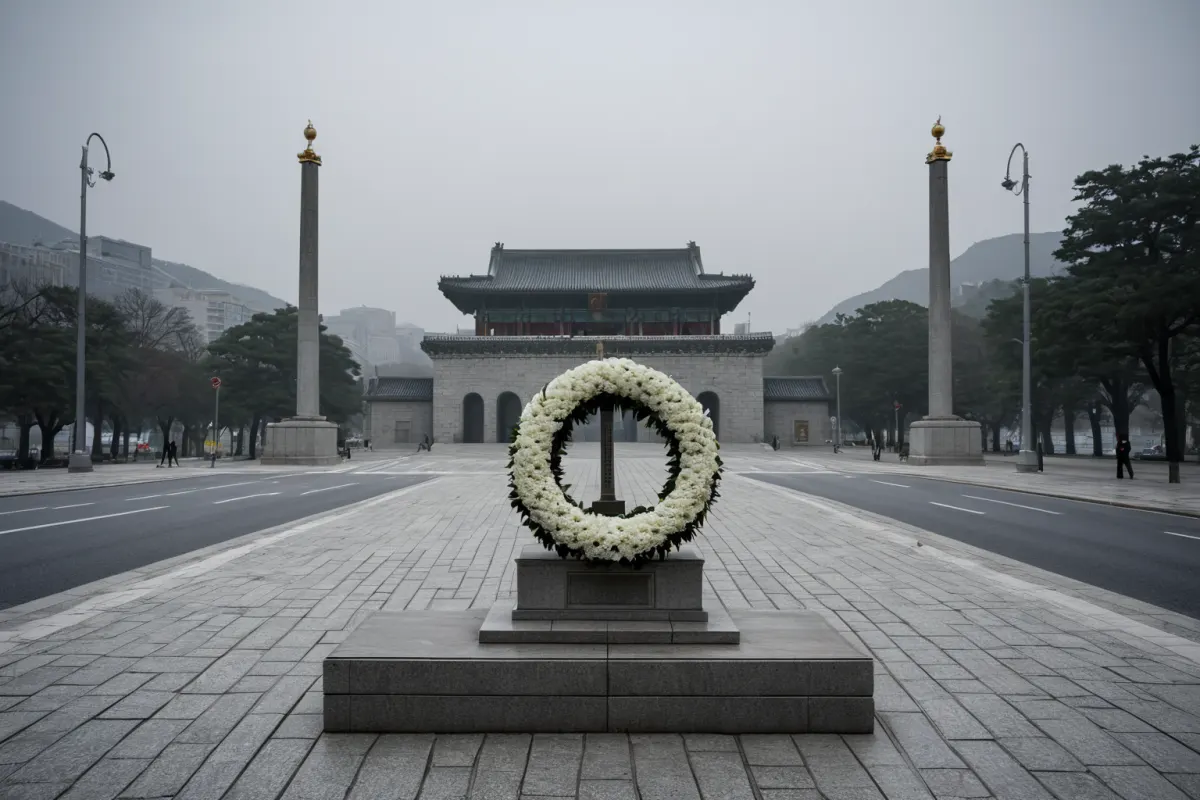
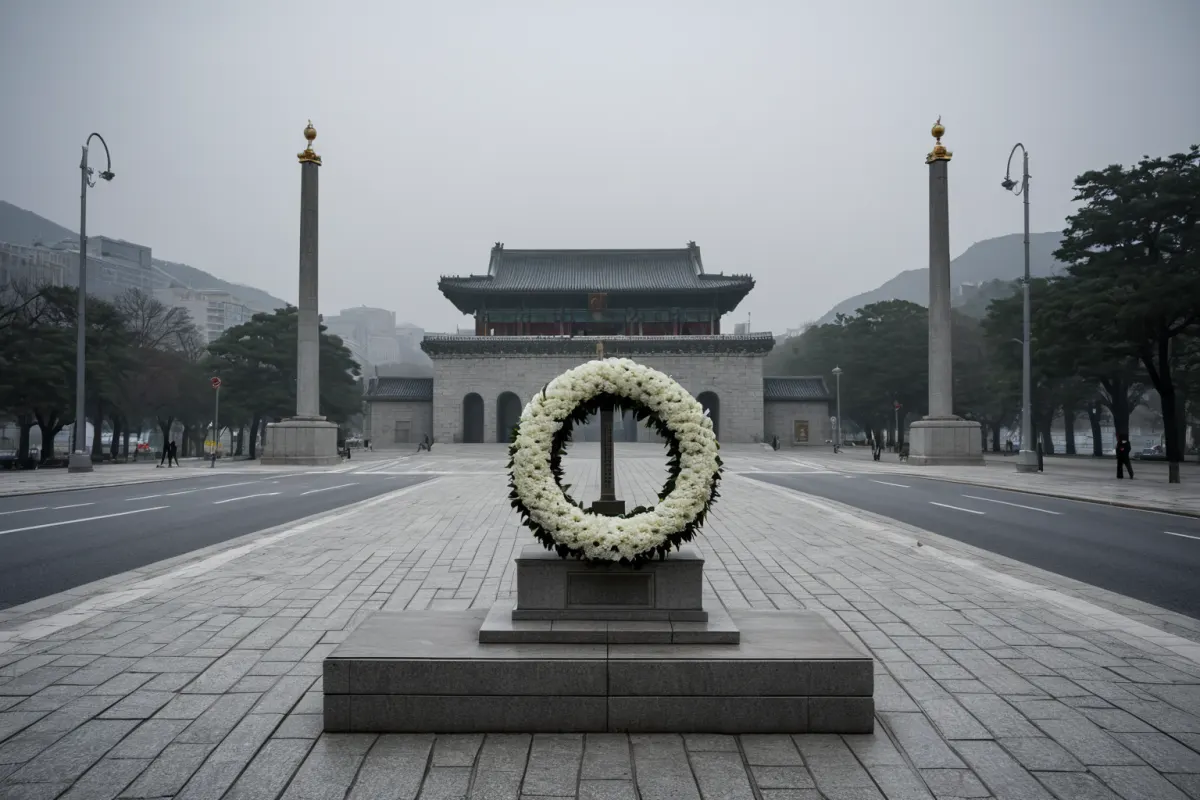
Seo Young-cheol, leader of the Humidifier Disinfectant Victims' Alliance, passed away on August 12, 2026. He was the 1,422nd recognized victim to receive compensation. Living with severe disabilities requiring an oxygen generator and wheelchair, he persistently advocated for accountability throughout his life. Rather than holding a funeral, Seo requested continued protest and vigil at Gwanghwamun Square, where victims demand government transparency and full compensation.
Seoul City and the Victims' Alliance are in conflict over setting up a memorial space at Gwanghwamun. After Seoul City refused to allow the memorial on August 16, 2026, victims planned an anti-government rally for August 17, signaling further protests.
Historical Background and Scale of the Humidifier Disinfectant Incident
The humidifier disinfectant incident began in 2011 when it was revealed that products manufactured by Aekyung Industry contained harmful chemicals. Even after this discovery, unapproved disinfectants continued to be sold, and similar hazardous components were later detected in imported household cleaners. On July 28, 2016, media reported the sale of unapproved products; on March 19, 2019, tests found CMIT/MIT chemicals in imported cleaning products.
On May 17, 2021, research confirmed that 'PHMG-P' component caused asthma symptoms, further validating the dangers of these disinfectants and heightening victims' concerns.
Government and Corporate Responsibility Avoidance
The incident worsened due to government and corporate responsibility avoidance and fraudulent testing. On April 27, 2016, media reported that inter-departmental blame-shifting contributed to the tragedy's escalation. On September 28, 2017, a university professor was convicted for manipulating test results through improper requests from companies.
On August 30, 2024, victims filed a police report against the 2011 Ministry of Health and Welfare minister for concealing information about the incident. This represents a critical step in proving government concealment since the early stages, with ongoing investigations.
Ongoing Demands and Government Response Through 2024
Humidifier disinfectant victims have consistently demanded truth and compensation from the government since 2011. By 2018, there were 6,040 victims with 1,335 deaths reported. However, due to government and corporate avoidance of responsibility, resolution has been delayed, continuing through 2024.
After Seo Young-cheol's passing on August 12, 2026, victims continued their vigil at Gwanghwamun demanding truth and full compensation. The conflict with Seoul City over setting up a memorial space highlights government avoidance of responsibility and lack of victim protection.
Investigation into the Cause
The incident is attributed to corporate and governmental negligence regarding safety standards. After 2011 revelations about humidifier disinfectant dangers, delayed responses led to tragedy. Public awareness grew through parliamentary inquiries and civic groups, strengthening victims' demands.
On July 23, 2019, the case was officially closed after an eight-year investigation. However, due to government and corporate responsibility avoidance, resolution remained incomplete, with victims still demanding full compensation.
Response and Safety Information
Following the incident, government strengthened safety inspections of related products, but hazardous chemicals continue to appear in commercial products. The March 2019 detection of CMIT/MIT in imported household cleaners reaffirmed these ongoing concerns.
Through 2024 and beyond, victims' demands have continued, with the government considering additional measures. However, full compensation and truth-seeking remain unfulfilled, as victims continue to prepare for further protests.
Key Facts to Verify
The confirmed scale of the humidifier disinfectant incident as of 2018 was 6,040 victims with 1,335 deaths. However, additional fatalities have occurred through August 2026, bringing the number of recognized compensation recipients to 1,422.
Specific examples of government and corporate responsibility avoidance include the April 27, 2016 'Humidifier Disinfectant Murder' inter-departmental blame-shifting report and the September 28, 2017 university professor's guilty verdict for fraudulent testing. These cases are cited as key factors in escalating the tragedy.
Frequently Asked Questions
How did the humidifier disinfectant incident occur?
The harmful nature of chemicals in products manufactured by Aekyung Industry was revealed in 2011. Unapproved products continued to be sold afterward, and similar hazardous components were later detected in imported household cleaners.
What responsibility avoidance did government and corporations engage in?
Examples include the April 27, 2016 'Humidifier Disinfectant Murder' inter-departmental blame-shifting report and the September 28, 2017 conviction of a university professor for fraudulent testing. These cases are cited as evidence of government and corporate concealment and avoidance of responsibility.
What demands are humidifier disinfectant victims currently making?
Victims continue to hold vigils at Gwanghwamun demanding truth and full compensation. After Seo Young-cheol's passing on August 12, 2026, conflict with Seoul City over memorial space installation has intensified.
Frequently Asked Questions
The humidifier disinfectant incident is a large-scale social tragedy that began in 2011 due to corporate and governmental negligence. Decades later, victims continue protests at Gwanghwamun demanding government truth-seeking and compensation. Seo Young-cheol's passing emphasizes the ongoing nature of this case while highlighting criticism of government and corporate responsibility avoidance.
Hazardous chemicals from humidifier disinfectants continue to be detected in commercial products, with victims' demands persisting. The government must take further action to achieve full compensation and truth-seeking for all victims.
You can view similar articles on this topic together.
View Related ArticlesFAQ
How did the humidifier disinfectant incident occur?
The harmful nature of chemicals in products manufactured by Aekyung Industry was revealed in 2011. Unapproved products continued to be sold afterward, and similar hazardous components were later detected in imported household cleaners.
What responsibility avoidance did government and corporations engage in?
Examples include the April 27, 2016 'Humidifier Disinfectant Murder' inter-departmental blame-shifting report and the September 28, 2017 conviction of a university professor for fraudulent testing. These cases are cited as evidence of government and corporate concealment and avoidance of responsibility.
What demands are humidifier disinfectant victims currently making?
Victims continue to hold vigils at Gwanghwamun demanding truth and full compensation. After Seo Young-cheol's passing on August 12, 2026, conflict with Seoul City over memorial space installation has intensified.
Korean Source
This article is an English localization of a Korean-language report from BlogScore. Original: 가습기 살균제 사건의 진실: 피해자와 함께하는 정리