
Trump's Military Presence Policy: Key Details and Expected Outcomes
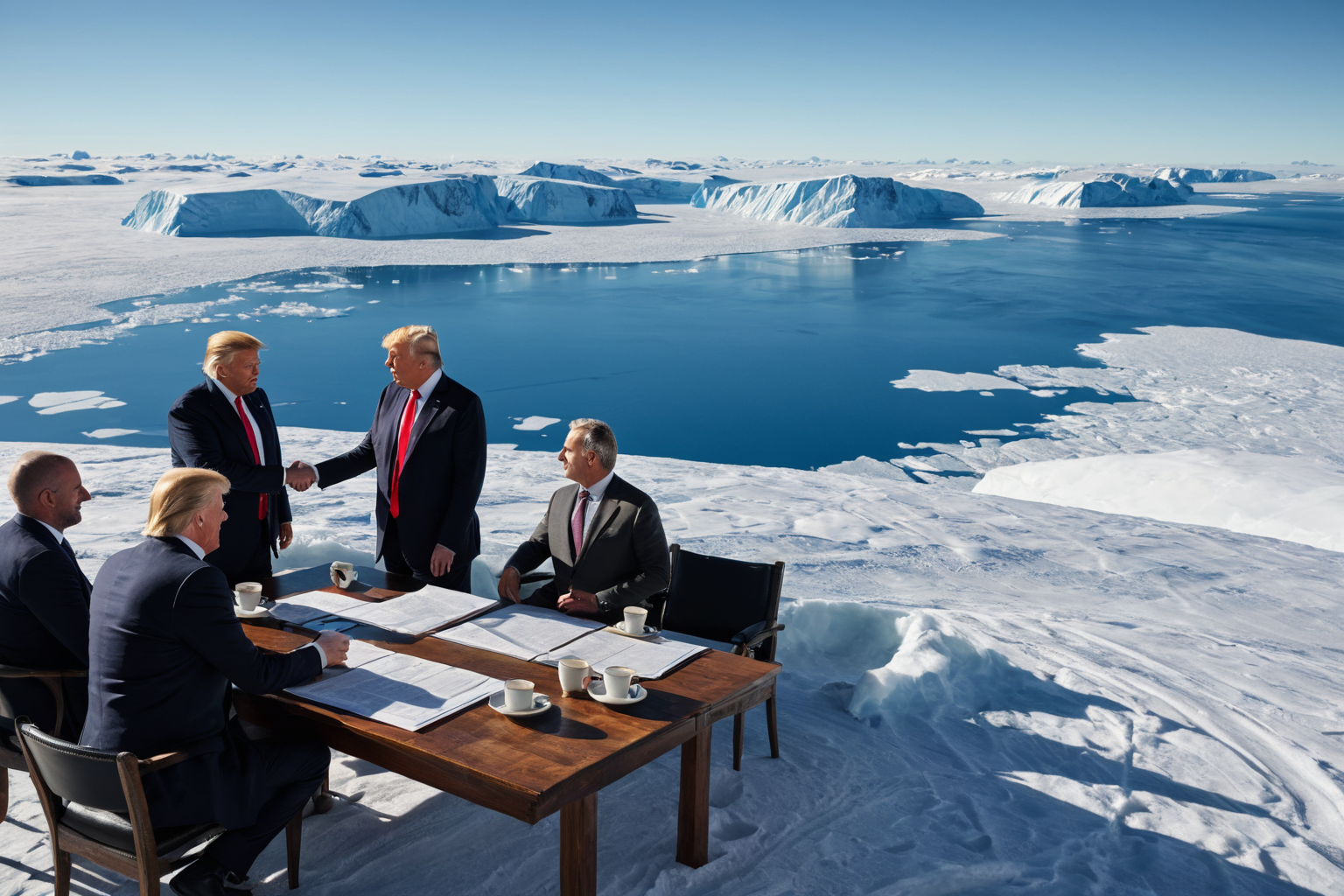
Core Elements of Trump Administration's Military Presence Policy
The Trump administration is advancing policies to strengthen military presence in Greenland, Germany, and U.S. forces stationed in South Korea. This reflects an apparent effort by the United States to reestablish alliance relationships on a 'transactional' basis.
Agreement to Strengthen U.S. Military Presence in Greenland
The Trump administration has reached an agreement with Denmark regarding strengthened U.S. military presence in Greenland. This would secure permanent security control over Greenland for the United States. Reports indicate this agreement resulted from negotiations with Denmark, with the focus on military control rather than territorial ownership.
Denmark has responded to Trump's 'scrutiny' by deciding to deploy conscripts to Greenland. This signifies strengthened military cooperation with the U.S., interpreted as an effort by Denmark to protect Greenland's sovereignty.
Legislation Limiting Reduction of U.S. Forces in South Korea Passes
The U.S. House passed a defense authorization bill (NDAA) that strengthens provisions limiting reductions of U.S. forces in South Korea. The bill passed the House on July 23, 2026. While the South Korean government denies discussions about reducing troop levels, the U.S. House has codified this stance into law.
The legislation focuses on preventing military drawdowns and is related to the Trump administration's 'transactional security approach.' Some reports suggest ongoing discussions about reducing U.S. forces in South Korea, though the South Korean government denies this.
Reviewing Reduction of U.S. Forces in Germany
The Trump administration is reviewing potential reductions of up to 5,000 troops stationed in Germany. In response, Germany has decided to increase its defense budget by 28% next year.
Germany's defense spending increase is interpreted as a direct response to the U.S. review of military drawdowns. Changes in U.S. European security policy are expected to reshape the European security landscape.
Discussing Reduction of U.S. Forces in the Middle East
According to CNN, the U.S. is considering reducing its military presence in the Middle East following the Iran conflict, which could represent the largest change since 9/11. This signals a potential realignment of U.S. Middle Eastern policy.
The Trump administration's 'transactional security approach' has increased uncertainty among allies. This reflects an apparent effort by the U.S. to reestablish alliance relationships as commercial transactions rather than simple protection agreements.
Key Event Timeline
May 29, 2026: Draft legislation related to strengthening military presence was submitted. July 23, 2026: The U.S. House passed the National Defense Authorization Act (NDAA), strengthening provisions limiting reductions of U.S. forces in South Korea.
September 18, 2026: Trump announced an agreement with Denmark and Greenland to strengthen military presence. September 19, 2026: Trump formally finalized the 'acquisition' of Greenland and the military presence strengthening agreement.
April 30, 2026: Trump announced he was reviewing potential reductions of U.S. forces in Germany. May 3, 2026: Trump mentioned possible cuts of over 5,000 troops for U.S. forces in Germany.
Interpreting the Trump Administration's 'Transactional Security Approach'
The Trump administration appears to be reestablishing alliance relationships as economic transactions. This is evident in agreements regarding Greenland, legislation limiting troop reductions in South Korea, and reviews of military presence in Germany.
The administration's 'transactional security approach' reflects a strategy aiming for allies to bear greater military burdens. This represents an attempt by the U.S. to reestablish alliance relationships as commercial transactions rather than simple protection agreements.
Allied Responses
Denmark deployed conscripts to Greenland to protect sovereignty. Germany increased its defense budget by 28% next year in response to potential military reductions.
The South Korean government denies discussions about reducing U.S. forces, though the U.S. House passed legislation limiting such reductions. This reflects growing uncertainty between South Korea and the U.S.
Discussions on reducing U.S. military presence in the Middle East are ongoing following the Iran conflict, potentially representing the largest change since 9/11. This signals a realignment of U.S. Middle Eastern policy, emphasizing the need for allies to adapt to new security environments.

Key Facts Verification
The agreement strengthening U.S. military presence in Greenland resulted from negotiations with Denmark, focusing on military control rather than territorial ownership. This was confirmed by reports published September 18-19, 2026.
The provision limiting reductions of U.S. forces in South Korea was codified into law through the National Defense Authorization Act (NDAA) passed by the U.S. House on July 23, 2026. While the South Korean government denies discussions about reductions, the U.S. has maintained its position.
The review of potential military reductions in Germany was announced by Trump on April 30, 2026, prompting Germany to decide on a 28% increase in next year's defense budget. This represents a direct response to changes in U.S. European security policy.
Changes in the Trump Administration's Security Policy
The Trump administration's policies for strengthening military presence are centered around Greenland, Germany, and U.S. forces in South Korea. This reflects an apparent effort by the United States to reestablish alliance relationships on a 'transactional' basis.
The U.S. aims to secure permanent security control over Greenland through negotiations with Denmark. The legislation limiting troop reductions in South Korea was passed by the U.S. House, while the South Korean government denies any discussions about such reductions.
Germany has increased its defense budget by 28% next year in response to the Trump administration's review of potential military drawdowns, signaling a reshaping of the European security landscape. Discussions on reducing U.S. military presence in the Middle East are ongoing following the Iran conflict, indicating a realignment of U.S. Middle Eastern policy.
Information to Verify
It is necessary to confirm whether the Greenland agreement resulted from negotiations with Denmark. Some reports mention simultaneous large-scale drawdowns across European regions, but this remains unverified.
The South Korean government's position on discussions about reducing U.S. forces should be clarified precisely. The tension between the U.S. House legislation and the South Korean government's denial is noteworthy.
It should be confirmed whether Germany's defense spending increase was a direct response to the Trump administration's review of military drawdowns or influenced by other factors. This is important for understanding the reshaping of European security dynamics.
Frequently Asked Questions
Why did the Trump administration sign an agreement to strengthen U.S. military presence in Greenland?
The Trump administration sought to secure permanent security control over Greenland. This resulted from negotiations with Denmark, with the focus on military control rather than territorial ownership.
Why was legislation limiting reductions of U.S. forces in South Korea passed?
The U.S. House strengthened provisions preventing troop reductions through the National Defense Authorization Act (NDAA). While the South Korean government denies discussions about reducing troops, the U.S. has codified this stance into law.
What is the impact of the Trump administration's 'transactional security approach' on allies?
The Trump administration's 'transactional security approach' has increased uncertainty among allies. This reflects an apparent effort by the U.S. to reestablish alliance relationships as commercial transactions rather than simple protection agreements.
Frequently Asked Questions
Trump's military presence policy is centered around Greenland, Germany, and U.S. forces in South Korea, reflecting a shift toward a transactional approach to alliances. The Greenland agreement resulted from negotiations with Denmark, focusing on military control rather than territorial ownership.
The legislation limiting troop reductions in South Korea was passed by the U.S. House but denied by the South Korean government. Germany increased its defense budget by 28% next year in response to potential military drawdowns. Discussions on reducing U.S. forces in the Middle East are ongoing following the Iran conflict, signaling a realignment of U.S. Middle Eastern policy.
Increased uncertainty among allies due to Trump's 'transactional security approach' reflects changing dynamics in U.S.-alliance relationships. Future responses from allies will be important to monitor.
You can view similar articles on this topic all at once.
View Related ArticlesFAQ
Why did the Trump administration sign an agreement to strengthen U.S. military presence in Greenland?
The Trump administration sought to secure permanent security control over Greenland. This resulted from negotiations with Denmark, with the focus on military control rather than territorial ownership.
Why was legislation limiting reductions of U.S. forces in South Korea passed?
The U.S. House strengthened provisions preventing troop reductions through the National Defense Authorization Act (NDAA). While the South Korean government denies discussions about reducing troops, the U.S. has codified this stance into law.
What is the impact of the Trump administration's 'transactional security approach' on allies?
The Trump administration's 'transactional security approach' has increased uncertainty among allies. This reflects an apparent effort by the U.S. to reestablish alliance relationships as commercial transactions rather than simple protection agreements.
Korean Source
This article is an English localization of a Korean-language report from BlogScore. Original: 트럼프 주둔 강화 정책의 핵심 내용과 예상 효과