
Trump's Territorial Declaration and Its Real Impact on International Relations
International Reactions to Trump's Territorial Declaration
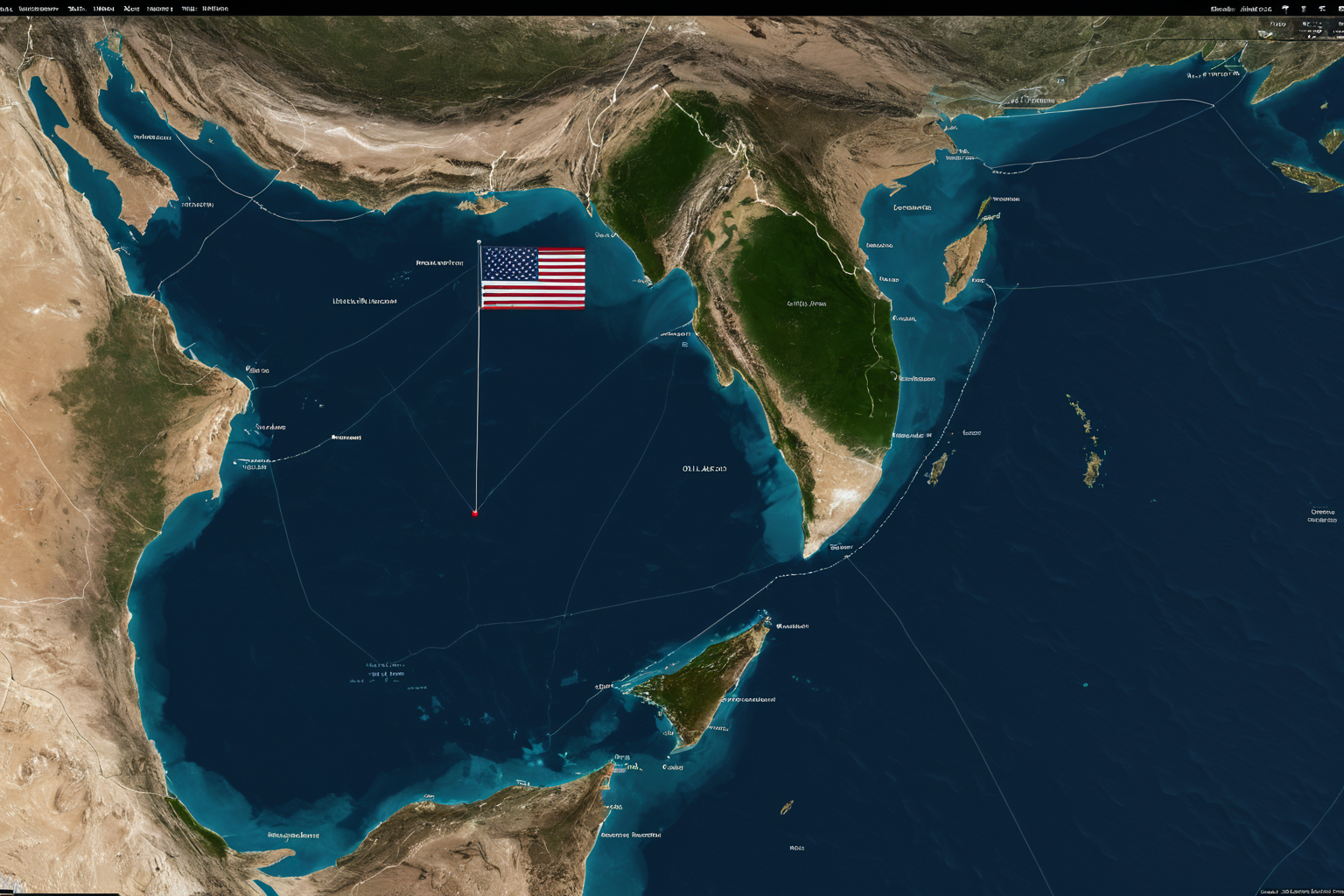
In mid-August 2026, former U.S. President Donald Trump declared the Strait of Hormuz as U.S. territory, signaling a refusal to engage in dialogue with Iran. Although this statement holds no legal force, it directly impacted Middle Eastern geopolitics and global energy markets.
The Strait of Hormuz is a critical shipping lane for energy transport between the Middle East, Europe, and Asia, with roughly 20 million barrels of oil passing through daily. Trump claimed the strait was 'already owned by the U.S.' as part of a political message to intensify the blockade on Iran. However, the international community criticized the declaration as an act that escalates tensions without legal basis.
Strategic Importance of the Strait of Hormuz
The Strait of Hormuz serves as a vital global energy corridor, with surrounding control held by Iran, the United Arab Emirates, and Oman. Following Trump's announcement on August 15, 2026, international oil prices rose by 3%, reflecting increased market volatility.
Iran strongly condemned the declaration as an 'irresponsible act' by the U.S., while Middle Eastern nations also expressed caution toward American involvement. Notably, Oman reportedly prepared diplomatic responses after media coverage suggested Trump's statement included a warning to Oman.
Trump's Strategy to Intensify Iran's Blockade
Alongside his declaration of the Strait of Hormuz as U.S. territory, Trump rejected extending a ceasefire agreement (MOU) with Iran, aiming to further pressure Iran's economy. He officially stated that 'Iran must follow U.S. policy, and there is no negotiation.'
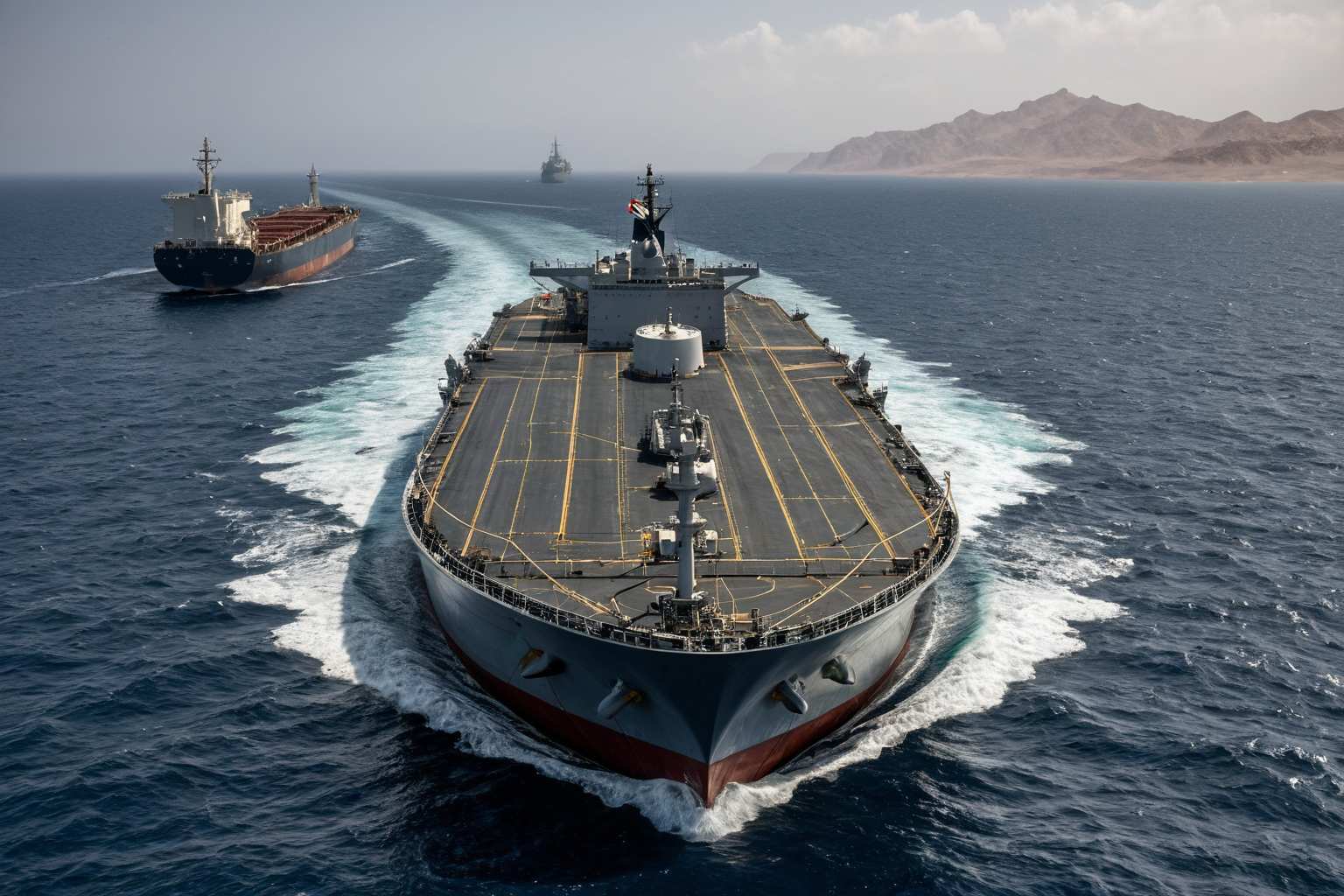
After the August 15 announcement, Iran sought to strengthen cooperation with Middle Eastern nations to expand its influence in global energy markets. Meanwhile, the U.S. concentrated military presence around the Strait of Hormuz to preempt Iranian responses.
International Market and Political Context
The declaration reflects shifting dynamics in Middle Eastern geopolitics and global energy supply chains as of 2026. With Iran expanding its influence in the region amid deteriorating relations with the U.S., Trump's statement appears to be a political move to intensify sanctions against Iran.
Trump's hardline stance on Iran is an extension of his policy since the 2018 U.S. withdrawal from the Iran nuclear deal. However, this declaration crossed international legal boundaries, drawing increased backlash from Western nations.
Rising Tensions in the Middle East and Responses
Following Trump's declaration, military tensions rose across the Middle East. Iran reinforced its maritime borders to worsen relations with the U.S., while Oman expressed concerns about American involvement.
China and India, recognizing the Strait of Hormuz as a critical energy corridor, adopted cautious approaches toward the situation. Both nations are strengthening economic ties with Iran amid concerns over U.S. interference.
Market Volatility and Economic Impact
The declaration caused international oil prices to rise, increasing energy import costs for Asian nations. According to reports on August 18, 2026, Japan and South Korea are preparing additional negotiations to secure the stability of the Strait of Hormuz.
Iran's energy exports have already declined significantly due to U.S. sanctions, but Trump's remarks are expected to deepen economic tensions between Iran and Middle Eastern nations. Additionally, energy cooperation between Europe and the U.S. may become more unstable.
Trump's Credibility and International Relations
Although Trump's declaration lacks legal validity, it sent a strong political message. However, this came amid declining credibility following past policy failures, particularly his inadequate response to the Ukraine war.
The statement drew criticism for undermining respect for international law, further complicating Middle Eastern dynamics. It also risks weakening relations between the U.S. and Europe.
Key Points of Trump's Declaration
Trump's declaration that the Strait of Hormuz is U.S. territory was announced on August 15, 2026, based on news media and social media reports. While legally invalid, it served as a political message, offering insight into potential reactions from Iran and Middle Eastern nations.
The statement was made via Twitter and official statements on August 15, 2026. Iran's Foreign Ministry labeled it an 'irresponsible act by the U.S.', while Oman stated it would maintain neutrality amid concerns over American involvement.
International Response to Trump's Declaration
Following the declaration, the European Union issued a statement criticizing U.S. actions, and China proposed additional negotiations to stabilize Middle Eastern energy supply chains. Iran has sought to strengthen its position in global energy markets amid worsening relations with the U.S.
China and India are reinforcing cooperation with Middle Eastern nations to ensure Strait of Hormuz stability while expanding economic ties with Iran. The U.S., meanwhile, maintains its sanctions policy on Iran while increasing military presence in the region.
Frequently Asked Questions
Why is the Strait of Hormuz important?
The Strait of Hormuz is a critical shipping lane for energy transport between the Middle East, Europe, and Asia, with roughly 20 million barrels of oil passing through daily.
Is Trump's declaration legally valid?
No. Trump's declaration of the Strait of Hormuz as U.S. territory has no legal validity and is considered a politically charged statement that could worsen relations with Middle Eastern nations.
What economic impacts have resulted from the declaration?
Rising international oil prices, increased energy import costs for Asian countries, and heightened instability in Middle Eastern geopolitics.
Frequently Asked Questions
Trump's declaration of the Strait of Hormuz as U.S. territory, while lacking legal force, sent a strong political message that escalated tensions in the Middle East and contributed to global energy market volatility. This move could worsen U.S.-Iran relations and deepen instability in international energy markets.
Nations like China, India, and Europe are seeking cooperative approaches to manage Middle Eastern stability, but U.S. involvement is adding complexity. This situation will likely remain a significant case study in international politics and economics moving forward.
You can explore more articles on similar topics.
View Related ArticlesFAQ
Why is the Strait of Hormuz important?
The Strait of Hormuz is a critical shipping lane for energy transport between the Middle East, Europe, and Asia, with roughly 20 million barrels of oil passing through daily.
Is Trump's declaration legally valid?
No. Trump's declaration of the Strait of Hormuz as U.S. territory has no legal validity and is considered a politically charged statement that could worsen relations with Middle Eastern nations.
What economic impacts have resulted from the declaration?
Rising international oil prices, increased energy import costs for Asian countries, and heightened instability in Middle Eastern geopolitics.
Korean Source
This article is an English localization of a Korean-language report from BlogScore. Original: 트럼프 영토 선언이 국제 관계에 미친 실질적 변화