
Trump's Push to Strengthen U.S. Troop Presence: South Korea's Response and Strategy
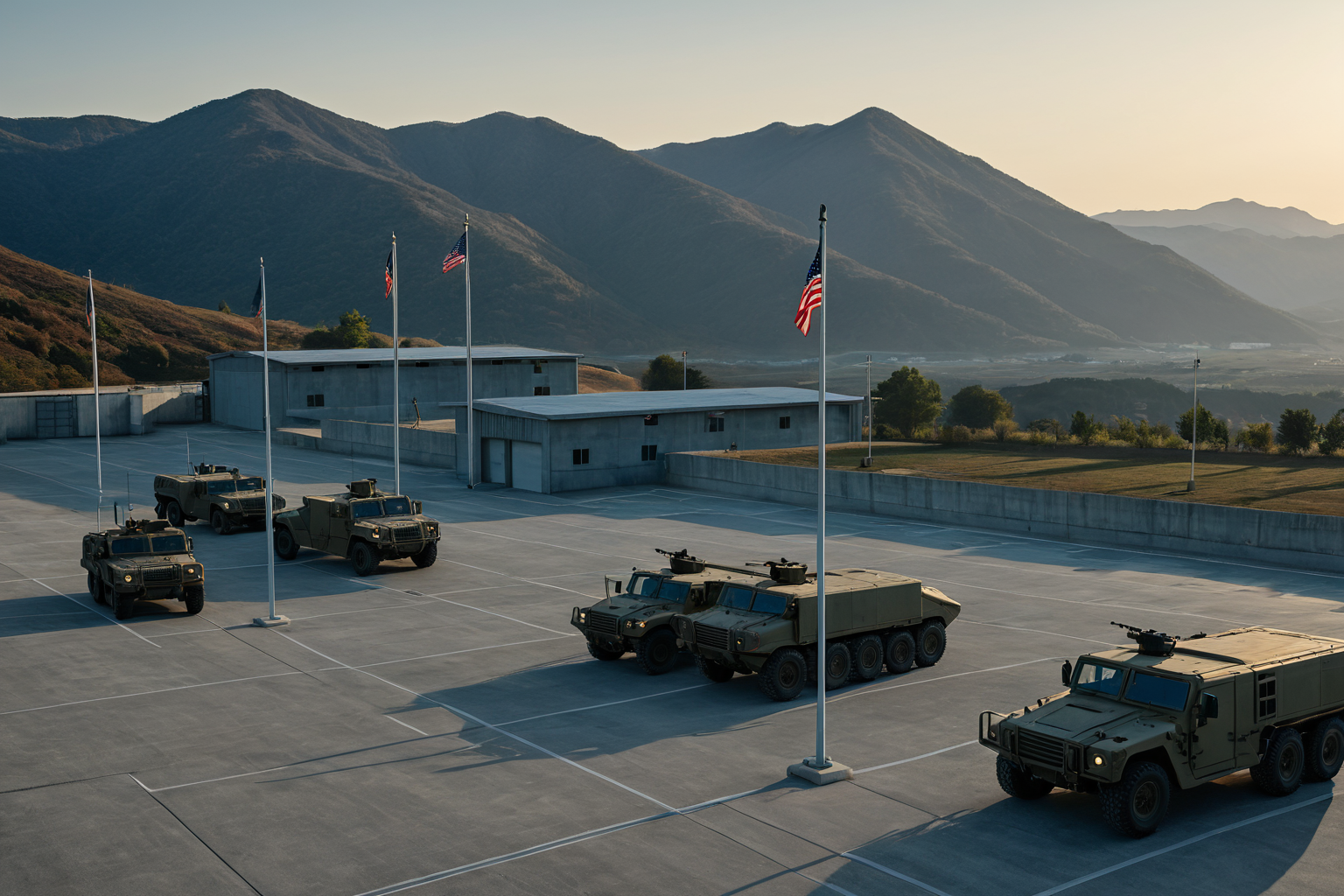
Trump's U.S. Troop Presence Strengthening: South Korea's Current Situation and Response
The Trump administration has announced a global review of U.S. troop deployments, considering cuts to troops in Germany, but the South Korean government has officially denied any discussions about reducing U.S. forces in South Korea. While the U.S. prioritizes Taiwan defense and demands increased South Korean defense spending, it is also shifting primary responsibility for deterring North Korea onto Seoul as part of ongoing efforts to reshape U.S.-South Korea relations.
South Korean Government's Official Stance
The Ministry of Defense and military have officially stated that no discussions about reducing U.S. forces in South Korea are underway. Following President Trump's announcement on April 30, 2026, regarding potential cuts to U.S. troops in Germany, the Ministry clarified that 'there has been no discussion or related talks between South Korea and the U.S. concerning a reduction of U.S. troops in South Korea.' This came amid concerns that the focus might shift to South Korea next, but the government denied such speculation.
The Trump administration's declaration of global troop realignment, including 'new isolationism,' was confirmed on December 7, 2025. Subsequently, the U.S. has intensified demands for increased defense spending from South Korea while strengthening its Taiwan-centered Indo-Pacific strategy.
Shifts in Trump Administration Strategy
The Trump administration has been reviewing potential cuts to U.S. troops stationed in Germany, increasing pressure on Germany, and on January 24, 2026, the new U.S. defense strategy designated South Korea as primarily responsible for deterring North Korea. This places South Korea in a position where it must respond independently to North Korean threats.
The U.S. has also intensified pressure to deploy troops in the Strait of Hormuz, making comments like 'we've protected you,' part of a broader policy of shifting defense burdens onto allies, which could affect South Korea as well.
The Trump administration is prioritizing Taiwan defense and strengthening its Indo-Pacific strategy. After President Trump's remarks on March 17, 2026, urging allies to deploy troops in the Strait of Hormuz, the U.S. Department of Defense initiated a comprehensive review of all European troop deployments, advancing Trump's NATO strategy.
Possibility of Maintaining Current U.S. Troop Levels
According to Japanese media reports, Trump is including South Korea as a 'model ally' while excluding Japan, suggesting South Korea may maintain its current troop levels, whereas Japan faces pressure to increase defense spending.
U.S. experts predict the Trump administration will opt for maintaining U.S. troops in South Korea rather than reducing them. A September 22, 2025, report by U.S. experts analyzed the likelihood of maintaining current troop levels, aligning with the Trump administration's strategic approach.
The Trump administration's consideration of cutting troops in Germany is seen as a move that could impact U.S.-South Korea relations, prompting urgent analysis for South Korea to develop pragmatic strategies. On April 7, 2026, JoongAng Ilbo highlighted the need for South Korea to establish an existential strategy amid uncertainty about U.S. influence following the Iran war.
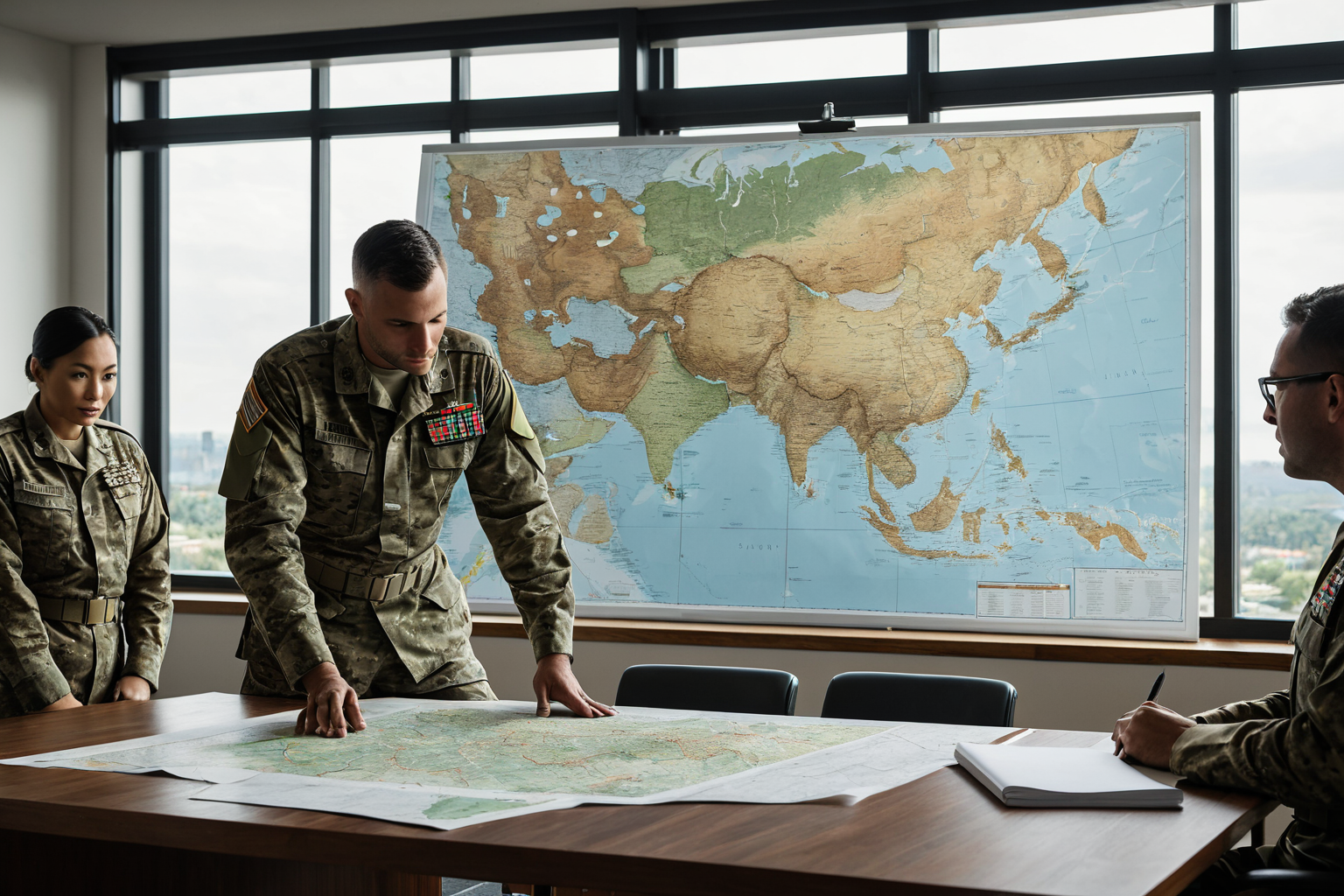
South Korea's Defense Spending Increase and North Korean Deterrence Responsibility
The U.S. is demanding increased defense spending from South Korea as part of its Taiwan-focused Indo-Pacific strategy. This trend is expected to intensify under Trump's second term. The U.S. Department of Defense has assigned primary responsibility for deterring North Korea to South Korea, raising concerns about potential complications in the transfer of operational control and denuclearization negotiations.
To respond to these demands, South Korea is considering strengthening its own defensive capabilities. This is essential as it assumes primary responsibility for deterring North Korea while navigating complex challenges related to the transfer of operational control and denuclearization talks.
Need for Rebuilding U.S.-South Korea Relations
The Trump administration's troop realignment marks a turning point in U.S.-South Korea alliance. A report from the Congressional Research Service on May 14, 2026, noted that the U.S.-South Korea alliance has reached a pivotal moment, reflecting changes in U.S. policy to prioritize Taiwan defense while shifting defense burdens onto South Korea.
Amid concerns about declining U.S. influence following the Iran war, JoongAng Ilbo emphasized the urgent need for South Korea to develop an existential strategy. This highlights the necessity for South Korea to restructure its relationship with the U.S., moving beyond simple increases in defense spending to redefine mutual roles and responsibilities.
South Korea's Response Strategy
Maintaining current U.S. troop levels, coupled with increased defense spending and strengthening self-reliant defensive capabilities, forms South Korea's core strategy. To deter North Korea, South Korea must enhance its own military capacity, which can both respond to U.S. demands for higher defense spending while laying the groundwork for a renewed U.S.-South Korea relationship.
While the South Korean government has officially denied any discussions about reducing U.S. troop levels, strategic shifts by the Trump administration may necessitate further responses. This requires balancing the strengthening of South Korea's independent defense capabilities with maintaining cooperative relations with the U.S.
Key Information to Verify
The Trump administration's global troop realignment could potentially expand from Germany to other regions, but South Korea has confirmed no discussions about reducing its forces. This stance provides a crucial foundation for maintaining cooperation with the U.S.
Under Trump's second term, there is an expectation of intensified pressure to counter China and increase defense spending. This may complicate U.S.-South Korea relations further as South Korea faces demands for higher defense spending and the transfer of primary responsibility for deterring North Korea.
Frequently Asked Questions
Is there a possibility that the Trump administration will discuss reducing U.S. troops in South Korea?
The Ministry of Defense and military have officially stated that no discussions about reducing U.S. forces in South Korea are taking place. While the Trump administration has reviewed potential cuts to German troops, it has not initiated any discussion regarding a reduction of U.S. troops in South Korea.
What impact would shifting primary responsibility for deterring North Korea to South Korea have?
Assigning primary responsibility for deterring North Korea to South Korea could complicate the transfer of operational control and denuclearization negotiations. This necessitates increased defense spending from South Korea, alongside strengthening self-reliant defensive capabilities.
Should South Korea support Taiwan's defense?
The U.S. prioritizes Taiwan defense as part of its Indo-Pacific strategy. However, South Korea's primary focus remains on deterring North Korea and ensuring stability on the Korean Peninsula; supporting Taiwan is not a direct responsibility for South Korea.
Frequently Asked Questions
The Trump administration's troop realignment could bring significant changes to U.S.-South Korea relations. However, South Korea has officially denied any discussions about reducing its forces, providing an important foundation for maintaining the alliance. South Korea must balance increased defense spending with strengthening self-reliant defensive capabilities to shoulder the responsibility of deterring North Korea while preserving a cooperative relationship with the U.S.
Amid declining U.S. influence following the Iran war, it is urgent for South Korea to develop an existential strategy. Rebuilding U.S.-South Korea relations must go beyond simple defense spending increases and involve redefining mutual roles and responsibilities.
You can explore similar articles on this topic in one place.
View Related ArticlesFAQ
Is there a possibility that the Trump administration will discuss reducing U.S. troops in South Korea?
The Ministry of Defense and military have officially stated that no discussions about reducing U.S. forces in South Korea are taking place.
What impact would shifting primary responsibility for deterring North Korea to South Korea have?
Assigning primary responsibility for deterring North Korea to South Korea could complicate the transfer of operational control and denuclearization negotiations, necessitating increased defense spending and self-reliant capabilities.
Should South Korea support Taiwan's defense?
The U.S. prioritizes Taiwan defense as part of its Indo-Pacific strategy; however, South Korea's primary focus remains on deterring North Korea and ensuring stability on the Korean Peninsula.
Korean Source
This article is an English localization of a Korean-language report from BlogScore. Original: 트럼프 미군 주둔 강화, 한국의 대응 방안과 전략