
Trump's Military Posture Expansion and Its Impact on Korean Peninsula Security
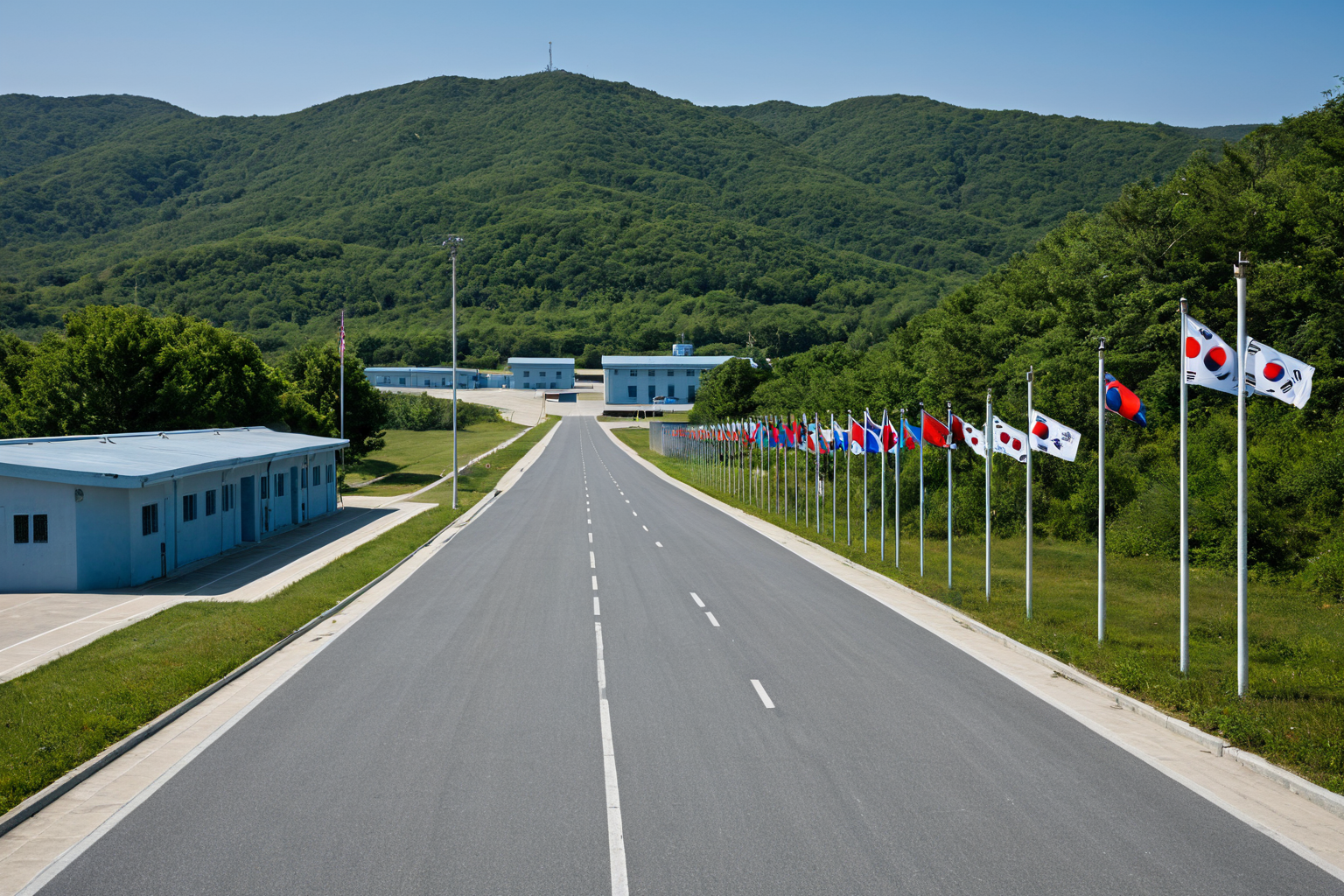
Trump Administration and U.S. Troops in South Korea: Current Status and Outlook
The Trump administration has stated it will maintain current troop levels in South Korea through legislation, while also seeking greater strategic flexibility to counter China. Following agreements with Denmark and Greenland on expanding military presence, the Trump administration is reviewing measures that could directly impact Korean Peninsula security alongside strengthening military support for allies.
Legislation to Maintain Current U.S. Troop Levels in South Korea
The U.S. government announced on December 18, 2025, that it will legally maintain current troop levels in South Korea. This is expected to contribute to resolving the issue of defense cost-sharing between the two countries. However, the Trump administration appears likely to seek enhanced roles for U.S. forces in South Korea as part of efforts to counter China, which could directly affect regional security.
Trump's Agreements on Expanding Military Presence in Denmark and Greenland
On September 18, 2026, Trump announced agreements with Denmark and Greenland to expand U.S. military presence there. This decision reflects the strategic importance of the Arctic region, as the U.S. aims to intensify competition with China through Greenland. Meanwhile, the Trump administration is also considering reducing U.S. troops in Germany by over 5,000 personnel.
Turning Point for U.S.-South Korea Alliance: Congressional Research Service Report
A report from the U.S. Congressional Research Service on May 14, 2026, stated that the U.S.-South Korea alliance has reached a turning point due to the Trump administration's transactional approach to security. While the South Korean government officially denied any discussions about reducing troops, the U.S. is requesting greater strategic flexibility for U.S. forces in South Korea.
Reduction of U.S. Troops in Germany and Relocation to Poland
The Trump administration has mentioned the possibility of reducing U.S. troops stationed in Germany by over 5,000 personnel. This would change Europe's security structure, with potential relocation of withdrawn forces to Poland. However, this shift appears to have limited direct connection to the Korean Peninsula.
Changes in U.S.-China Security Documents
On December 8, 2025, the U.S. and China jointly issued a security document that omitted 'denuclearization of North Korea.' This suggests potential shifts in policy toward North Korea, indicating evolving international approaches to the nuclear issue.
Trump's Transactional Security Approach and Alliance Uncertainty
The Trump administration is pressuring allies to provide military support for conflicts while urging 'loyalty,' applying diplomatic pressure. This stems from Trump's transactional security approach, increasing uncertainty in alliance relations. Although the U.S.-South Korea alliance is expected to continue due to historical ties and strategic necessity, South Korea has emphasized there are no discussions about reducing troop levels.
Korean Peninsula Security and Trump Policies
The Trump administration's policy of expanding military presence aims to simultaneously counter China and pressure allies, potentially directly affecting Korean Peninsula security. However, the South Korean government is reinforcing defense policy foundations through legislation maintaining current troop levels, which could positively impact regional stability.

Trump Administration and U.S. Troops in South Korea: Key Facts and Outlook
The Trump administration plans to strengthen Korean Peninsula security through legislation maintaining current troop levels. The law announced on December 18, 2025, guarantees current troop status while creating a foundation for greater strategic flexibility to counter China. However, Trump's policies could also influence efforts to resolve the North Korean nuclear issue.
Trump's International Policies and U.S.-South Korea Alliance
The Trump administration has agreed on expanding military presence in Denmark and Greenland while considering reducing troops in Germany. This reflects a shift in U.S. strategic direction, with complex implications for the U.S.-South Korea alliance. South Korea has stated there are no discussions about troop reductions, but the transactional security approach increases uncertainty in alliance relations.
Changes in U.S.-China Policy Toward North Korea
The omission of 'denuclearization of North Korea' from a joint U.S.-China security document signals potential policy shifts. This reflects evolving international approaches to the nuclear issue, which could impact long-term peace processes on the Korean Peninsula.
Trump Administration's Posture Policy and European Security
The Trump administration is reviewing reducing U.S. troops in Germany while suggesting possible relocation of withdrawn forces to Poland. This foreshadows changes in Europe's security structure, with limited direct connection to the Korean Peninsula. However, shifts in U.S. strategic direction could impact both Europe and Asia.
South Korea's Response
The South Korean government has officially stated there are no discussions about reducing troop levels. This aims to alleviate concerns regarding Trump's expansion policies while focusing on maintaining Peninsula security. Additionally, the government is strengthening defense policy foundations through legislation maintaining current troop levels.
Trump's Transactional Security Approach and Alliance Relations
The Trump administration pressures allies to provide military support for conflicts while demanding 'loyalty,' applying diplomatic pressure. This stems from Trump's transactional security approach, increasing uncertainty in alliance relations. However, the U.S.-South Korea alliance is expected to continue due to historical foundations and strategic necessity.
Maintaining Current U.S. Troop Levels in South Korea
The South Korean government has stated it will legally maintain current troop levels in South Korea. This guarantees current status while providing a foundation for greater strategic flexibility to counter China. Meanwhile, the Trump administration is requesting stronger military support from allies, and South Korea is continuously strengthening its defense policy in response.
Trump's International Policies and the Korean Peninsula
The Trump administration's expansion policies aim to simultaneously counter China and pressure allies, potentially directly affecting Korean Peninsula security. However, South Korea is reinforcing defense policy foundations through legislation maintaining current troop levels, which could positively impact regional stability.
Changes in U.S.-China Policy Toward North Korea
The omission of 'denuclearization of North Korea' from a joint U.S.-China security document signals potential shifts in policy. This reflects evolving international approaches to the nuclear issue, which could impact long-term peace processes on the Korean Peninsula.
Trump's Transactional Security Approach and Alliance Uncertainty
The Trump administration pressures allies to provide military support for conflicts while demanding 'loyalty,' applying diplomatic pressure. This stems from Trump's transactional security approach, increasing uncertainty in alliance relations. However, the U.S.-South Korea alliance is expected to continue due to historical foundations and strategic necessity.
Legislation Maintaining Current U.S. Troop Levels in South Korea
The South Korean government announced it will legally maintain current troop levels in South Korea. This guarantees current status while providing a foundation for greater strategic flexibility to counter China. Meanwhile, the Trump administration is requesting stronger military support from allies, and South Korea is continuously strengthening its defense policy in response.
Trump's International Policies and European Security
The Trump administration is reviewing reducing U.S. troops in Germany while suggesting possible relocation of withdrawn forces to Poland. This foreshadows changes in Europe's security structure, with limited direct connection to the Korean Peninsula. However, shifts in U.S. strategic direction could impact both Europe and Asia.
Trump Administration and U.S. Troops in South Korea: Conclusion
The Trump administration's policy of expanding military presence aims to simultaneously counter China and pressure allies, potentially directly affecting Korean Peninsula security. However, the South Korean government is reinforcing defense policy foundations through legislation maintaining current troop levels, which could positively impact regional stability. Additionally, shifts in U.S.-China policy toward North Korea could introduce new variables into peace processes on the Korean Peninsula.
Frequently Asked Questions
Is the Trump administration planning to reduce U.S. troops in South Korea?
The Trump administration has officially stated there are no discussions about reducing troop levels, though it is requesting greater strategic flexibility to counter China.
Has the Trump administration completed agreements on expanding military presence in Denmark and Greenland?
On September 18, 2026, Trump announced an agreement with Denmark regarding expanded U.S. military presence in Greenland.
Why did the U.S. and China omit 'denuclearization of North Korea' from their security document?
The U.S. and China omitted 'denuclearization of North Korea' to signal potential shifts in policy toward North Korea, reflecting evolving international approaches to the nuclear issue.
You can view similar articles on this topic all at once.
View Related ArticlesFAQ
Is the Trump administration planning to reduce U.S. troops in South Korea?
The Trump administration has officially stated there are no discussions about reducing troop levels, though it is requesting greater strategic flexibility to counter China.
Has the Trump administration completed agreements on expanding military presence in Denmark and Greenland?
On September 18, 2026, Trump announced an agreement with Denmark regarding expanded U.S. military presence in Greenland.
Why did the U.S. and China omit 'denuclearization of North Korea' from their security document?
The U.S. and China omitted 'denuclearization of North Korea' to signal potential shifts in policy toward North Korea, reflecting evolving international approaches to the nuclear issue.
Korean Source
This article is an English localization of a Korean-language report from BlogScore. Original: 트럼프 미군 주둔 확대에 따른 한반도 안보 전망