
Trump's Iran Sanctions and Their Impact on U.S.-Iran Relations
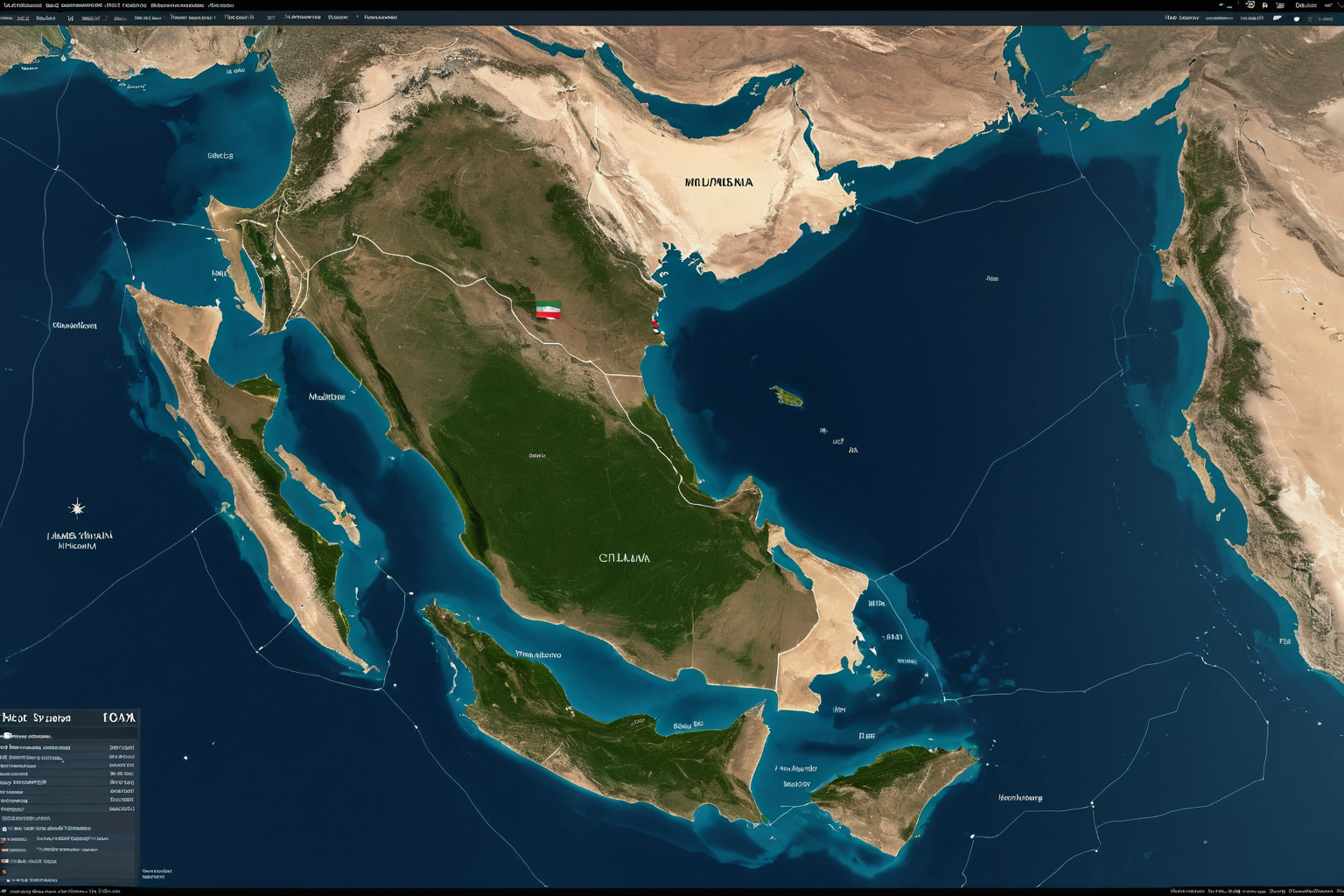
Trump Administration's Iran Sanctions Policy
The Trump administration has intensified economic sanctions against Iran, claiming the Strait of Hormuz as U.S. territory and announcing a 20% toll on Iranian goods. Iran dismissed this as 'delusional,' while the U.S. works with allies to build a blockade system.
Strait of Hormuz Toll Imposition
The Trump administration announced renewed maritime sanctions against Iran and a 20% safety fee on cargo passing through the Strait of Hormuz. This led to a 9% surge in global oil prices, measured by Brent and WTI benchmarks. The U.S. declared an 'economic isolation campaign' to intensify sanctions.
Iran's Response Strategy
Iran has maintained full preparedness, securing what it calls a 'buffer mechanism' to counter economic pressure. While the Trump administration signaled a focus on economic pressure rather than military action, Iran has emphasized the possibility of prosperity through negotiation as it counters U.S. pressures.
Changes in Strait of Hormuz Navigation
Following U.S. warnings about maritime sanctions, Iran warned it would 'fight back.' After Iran's announcement of re-imposing a blockade on the Strait of Hormuz, the number of navigating vessels dropped sharply from 35 to 12 ships, triggering an increase in global oil prices.
Trump Administration's Negotiation Strategy
The Trump administration is focusing on adjusting the pace of negotiations with Iran and planning post-agreement strategies. Some media outlets have assessed that Iran has successfully navigated U.S. pressure to secure favorable terms.
Impact on International Trade
The imposition of tolls at the Strait of Hormuz and reduced vessel traffic directly impacted international trade. While the U.S. pressured Iran through alliances and economic isolation, Iran's 'buffer mechanism' limited the effectiveness of the blockade.
On July 14, 2026, the Trump administration announced a 20% safety fee on cargo passing through the Strait of Hormuz. That same day, global oil prices rose by over 9% based on Brent and WTI benchmarks. On August 16, 2026, Trump claimed the Strait of Hormuz as U.S. territory and warned of additional sanctions against Iran.
On June 22, 2026, Iran announced a re-imposition of the blockade on the Strait of Hormuz, leading to a reported drop in navigating vessels from 35 to 12 ships. Iran warned it would 'fight back' against U.S. sanctions.
The Trump administration signaled a focus on economic pressure rather than military action against Iran. On August 10, 2026, Trump mentioned the possibility of prosperity through an agreement with Iran. The U.S. is building a blockade system in cooperation with allies, and South Korea is considering contributing military forces to the Strait of Hormuz.
The Trump administration's sanctions policy has reshaped international relations through economic pressure, with Iran's response strategies and rising oil prices as key outcomes. On August 25, 2026, the U.S. declared an 'economic isolation campaign' to intensify sanctions.
By restarting economic sanctions against Iran and imposing tolls on the Strait of Hormuz, the Trump administration triggered a sharp decline in vessel traffic and a rise in global oil prices. While Iran secured a 'buffer mechanism' limiting the blockade's effectiveness, the U.S. pursued pressure through alliances and economic measures.
As the Trump administration announced renewed maritime sanctions against Iran and a 20% toll on cargo passing through the Strait of Hormuz, Iran's response led to a sharp decline in vessel traffic and rising oil prices. The U.S. has built a blockade system with allies, but Iran's 'buffer mechanism' limited the impact.
Image
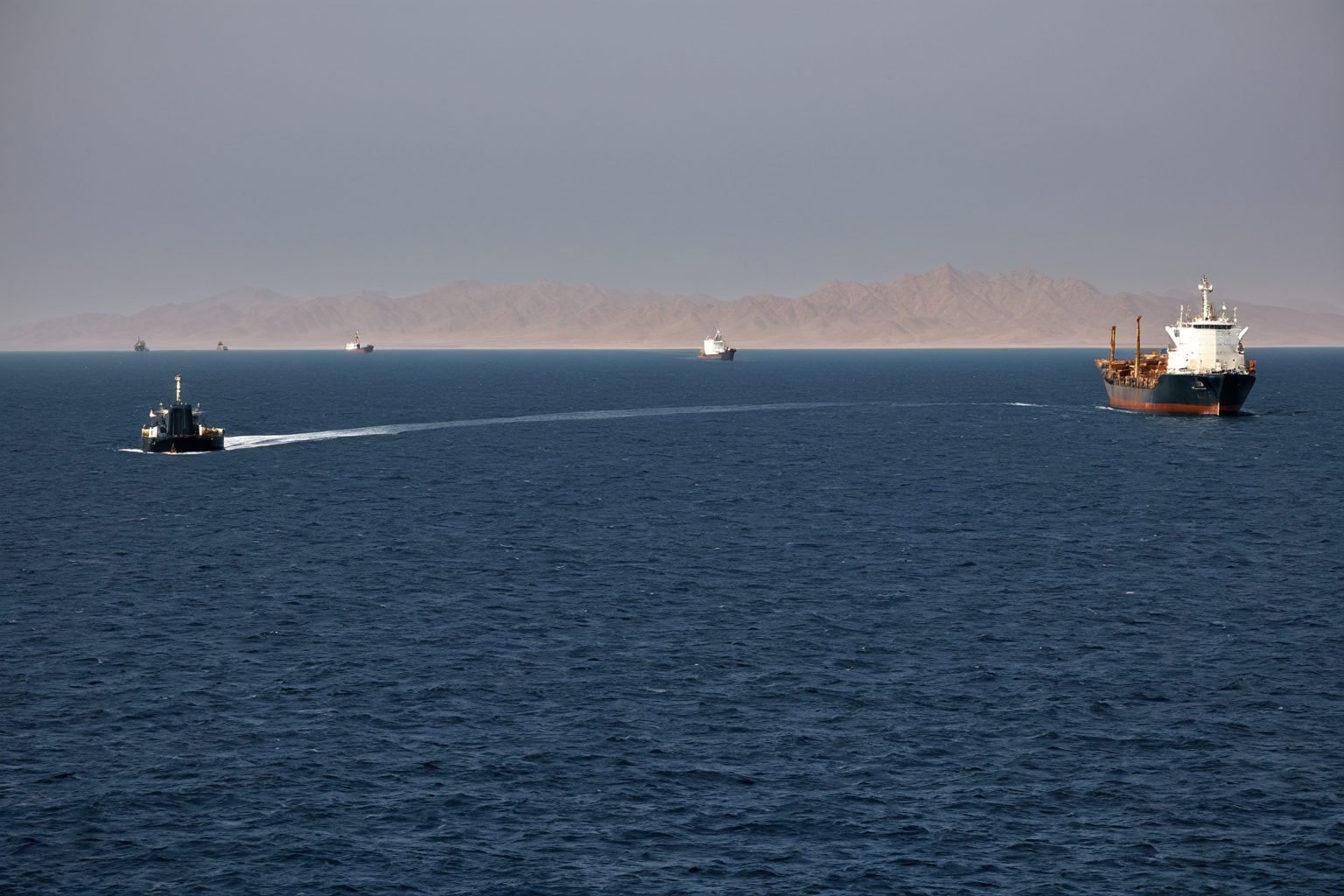
Trends in International Oil Prices
The imposition of tolls at the Strait of Hormuz caused international oil prices to rise by over 9% based on Brent and WTI benchmarks. This demonstrates the direct impact of U.S. economic pressure policies on global energy markets.
Iran's 'Buffer Mechanism' Strategy
Iran has maintained full preparedness, securing what it calls a 'buffer mechanism' to counter economic pressure. This represents Iran's flexible strategy for responding to U.S. sanctions.
Trump Administration's Negotiation Strategy
The Trump administration is focusing on adjusting the pace of negotiations with Iran and planning post-agreement strategies. This reflects consideration of the potential for long-term economic pressure from the sanctions policy.
Alliance Cooperation by the U.S.
The Trump administration is building a blockade system through cooperation with allies. South Korea is considering contributing military forces to the Strait of Hormuz, indicating expanding international support for U.S. policies toward Iran.
U.S. 'Economic Isolation Campaign'
The U.S. has declared an 'economic isolation campaign' to intensify sanctions. This represents a strategy to further strengthen economic pressure on Iran.
Iran's Response and International Reaction
Iran warned it would 'fight back' against U.S. sanctions, leading to a sharp decline in Strait of Hormuz vessel traffic. This event is assessed as directly impacting international trade.
Verified Information
Reports on the Trump administration's Iran sanctions policy require verification of accurate data regarding tolls at the Strait of Hormuz and vessel traffic reductions. The specific details of Iran's 'buffer mechanism' and U.S. alliance cooperation efforts need further investigation.
Frequently Asked Questions
Why did oil prices rise following the imposition of tolls on the Strait of Hormuz?
The tolls increased shipping costs for Iranian cargo, leading to a 9% surge in global oil prices based on Brent and WTI benchmarks.
How has Iran responded to U.S. sanctions policy?
Iran secured a 'buffer mechanism' and reduced vessel traffic as part of its response to U.S. economic pressure.
What is the Trump administration's negotiation strategy with Iran?
The Trump administration is focusing on adjusting the pace of negotiations with Iran and planning post-agreement strategies.
Frequently Asked Questions
The Trump administration's sanctions policy has reshaped international relations through economic pressure, with Iran's response strategies and rising oil prices as key outcomes. The imposition of tolls at the Strait of Hormuz and reduced vessel traffic directly impacted international trade. While the U.S. pressured Iran through alliances and an 'economic isolation campaign,' Iran's 'buffer mechanism' limited the effectiveness of the blockade.
You can view similar articles on this topic in one place.
View Related ArticlesFAQ
Why did oil prices rise following the imposition of tolls on the Strait of Hormuz?
The tolls increased shipping costs for Iranian cargo, leading to a 9% surge in global oil prices based on Brent and WTI benchmarks.
How has Iran responded to U.S. sanctions policy?
Iran secured a 'buffer mechanism' and reduced vessel traffic as part of its response to U.S. economic pressure.
What is the Trump administration's negotiation strategy with Iran?
The Trump administration is focusing on adjusting the pace of negotiations with Iran and planning post-agreement strategies.
Korean Source
This article is an English localization of a Korean-language report from BlogScore. Original: 트럼프 대이란 봉쇄가 미국과 이란 관계에 미친 영향