
Trump's Iran Nuclear Talks: Key Issues on Diplomacy and Sanctions
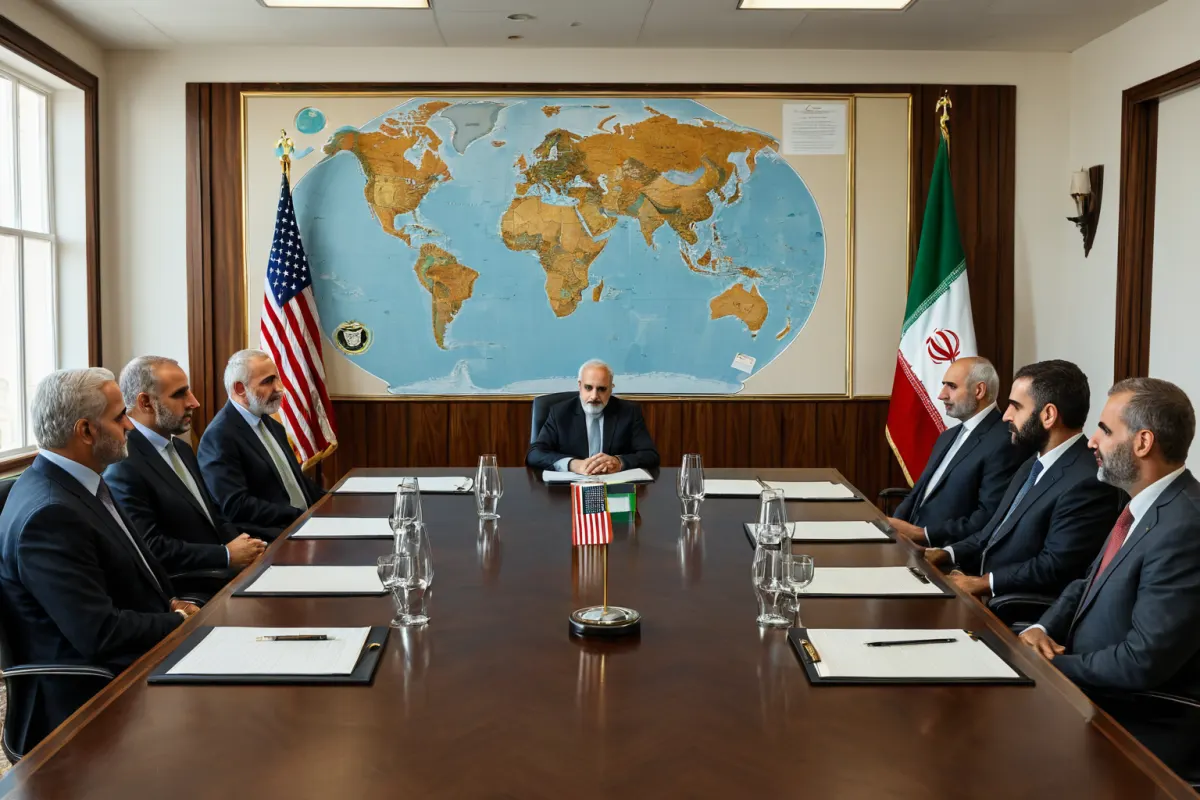
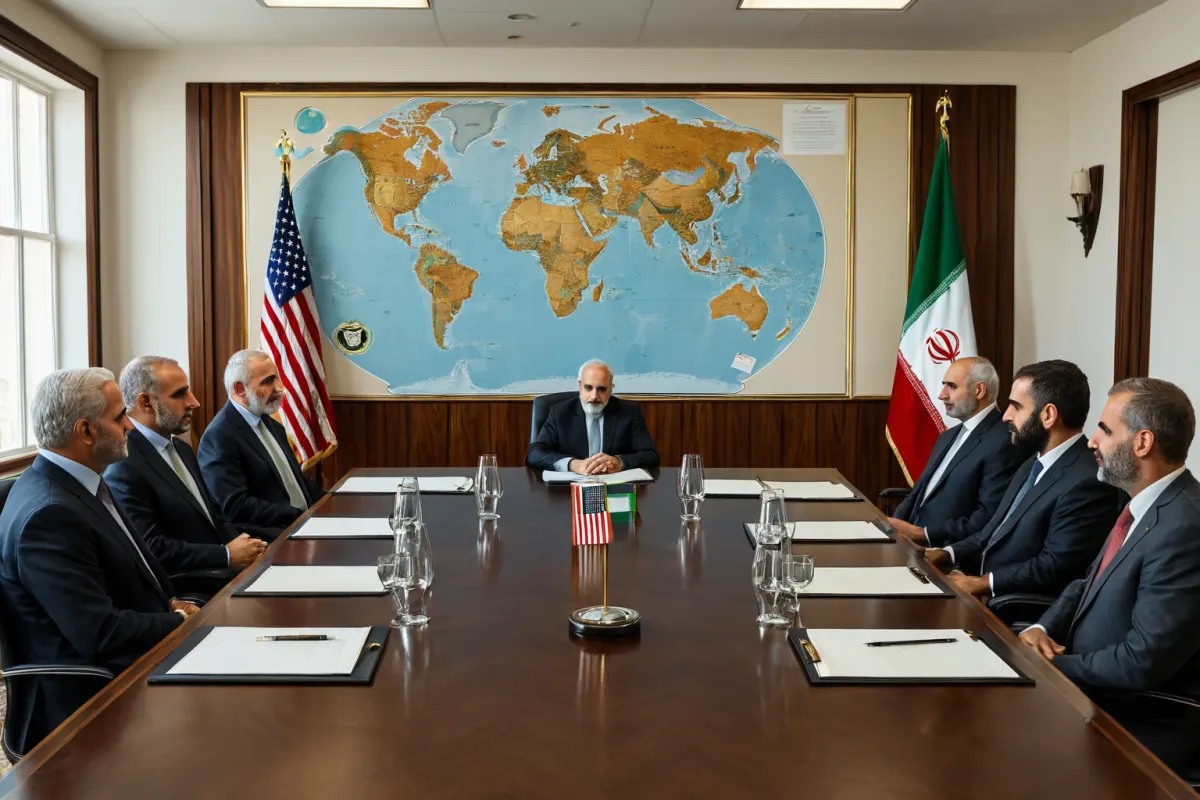
Trump and Iran Nuclear Talks: Dual Approach and Middle East Policy Conflicts
The Trump administration has sparked controversy with its dual approach to Iran's nuclear issue. Iran opposes a permanent nuclear abandonment pledge and demands follow-up talks, while Trump proposed reopening negotiations with the 'full opening of Hormuz' agreement. However, Middle East policy challenges have stalled progress, with ongoing disputes over intensified economic sanctions and ambiguity regarding a $30 billion agreement.
Key Facts: Dual Nature in Talks with Iran
The Trump administration demanded Iran cease nuclear development but faced criticism for excluding Israel relations normalization in the nuclear deal with Saudi Arabia. Iran has opposed a permanent nuclear abandonment pledge, seeking further discussions, while Trump aimed to prevent war through negotiations—though Middle East policy complications have hindered progress.
Trump's Warnings and Iran's Response
Trump warned that if Iran attempts nuclear development, disaster would follow. Iran has stated it will not retreat from its nuclear stance. The U.S. claims economic sanctions are more effective than airstrikes in pressuring Iran, with a $30 billion agreement framework remaining unclear.
Negotiation Renewal and Middle East Policy Issues
Trump announced plans to restart talks between the U.S. and Iran but faced obstacles due to fractured Middle East policy. On July 23, 2026, MBC News and News1 reported on Trump's dual approach and Middle East policy challenges. During a meeting with Netanyahu, Trump showed cracks over Iran war concerns at the White House.

Strengthening Economic Sanctions and Negotiation Direction
The Trump administration has intensified 50-year economic sanctions against Iran, advocating for its inclusion in anti-Russia sanction legislation. However, Iran appears to have successfully circumvented U.S. economic sanctions. Trump canceled an attack on Iran and proposed the 'full opening of Hormuz' agreement framework to initiate talks.
Key Events During Negotiations
On July 10, 2026, U.S.-Iran ceasefire negotiations collapsed before Trump acknowledged they were 'over.' On July 18, a WP/IPS poll indicated public opinion that Trump would handle Iran's nuclear deal worse than Obama. On July 23, MBC News and News1 reported on Trump's dual approach and Middle East policy issues.
Trump's Nuclear Negotiation Strategy
Trump centered negotiations with Iran around nuclear issues and economic sanctions. On May 26, 2026, he stated that nuclear weapons must never be possessed. On June 15, reports indicated ongoing talks on a 'Hormuz open but no nuclear change' framework. On June 18, discussions began over the $30 billion agreement plan, and on July 19, Trump advocated adding Iran to anti-Russia sanction legislation.
Iran's Negotiation Stance and U.S. Pressure
Iran opposes a permanent nuclear abandonment pledge and demands further discussion, while Trump sought negotiations to avoid war—though Middle East policy issues stalled progress. The U.S. emphasizes economic sanctions as more effective than airstrikes, with the $30 billion agreement framework remaining unclear.
Negotiation Renewal Timeline and International Reaction
President Trump announced the resumption of U.S.-Iran negotiations on August 3, 2026. However, Iran denied the request for talks, showing dual behavior, while Trump proposed initiating talks with the 'full opening of Hormuz' agreement framework. On August 2, 2026, reports indicated Trump canceled an attack on Iran and outlined the 'Hormuz open' agreement.
Difference Between Iran Nuclear Deal and Saudi Nuclear Agreement
The U.S. demanded a permanent nuclear abandonment pledge from Iran but proceeded with a nuclear deal with Saudi Arabia without including Israel relations normalization. This omission drew criticism, as Trump did not acknowledge the disparity. Iran opposes the U.S. nuclear abandonment pledge and seeks further discussion, while Trump announced the resumption of talks.
Economic Sanctions and Negotiation Direction
The Trump administration has intensified 50-year economic sanctions against Iran, advocating for its inclusion in anti-Russia sanction legislation. Despite this, Iran appears to have successfully navigated around U.S. economic sanctions. Trump is focusing on economic sanctions and nuclear issues as key negotiation points, with the $30 billion agreement framework remaining unclear.
Trump's Middle East Policy and Iran Negotiations
Trump centered U.S. strategy in the Middle East around Iran, but policy fractures have stalled negotiations. On July 27, 2026, Trump and Netanyahu displayed rifts over Iran war concerns during a White House meeting—highlighting how Middle East policy issues are hindering progress.
Future of Negotiations and International Relations
The Trump administration aimed to reshape U.S.-Iran relations through nuclear talks but faces challenges due to Middle East policy complications. With the $30 billion agreement framework still unclear, Iran opposes a permanent nuclear abandonment pledge and demands further discussion. The international community is closely watching the outcome of Trump's Middle East policy and Iran negotiations.
Information to Verify
It remains necessary to verify details about what exactly the 'full opening of Hormuz' agreement framework entails, why Iran refuses to retreat on nuclear possession, and specific aspects of how Trump's strategy was criticized for omitting Israel relations normalization in the Saudi deal. Additionally, further investigation is needed into how Iran has managed to circumvent U.S. economic sanctions.
Frequently Asked Questions
What stance did Trump take on Iran nuclear negotiations?
Trump warned that disaster would follow if Iran attempts nuclear development while proposing the 'full opening of Hormuz' agreement framework to restart talks. However, Middle East policy complications have stalled progress.
Why does Iran oppose a permanent nuclear abandonment pledge?
Iran opposes the U.S. demand for a permanent nuclear abandonment pledge and seeks further discussion. It has stated it will not retreat from its nuclear stance, aiming to differentiate itself from Saudi Arabia's nuclear deal without Israel relations normalization.
How did the U.S. utilize economic sanctions?
The U.S. claims economic sanctions are more effective than airstrikes in pressuring Iran. Trump emphasized economic pressure by advocating for adding Iran to anti-Russia sanction legislation and intensifying 50-year sanctions.
This article is based on current search results and sources, with some information still unconfirmed or at the reporting stage.
Explore more articles on this topic in one place.
View Related ArticlesFAQ
What stance did Trump take on Iran nuclear negotiations?
Trump warned that disaster would follow if Iran attempts nuclear development while proposing the 'full opening of Hormuz' agreement framework to restart talks. However, Middle East policy complications have stalled progress.
Why does Iran oppose a permanent nuclear abandonment pledge?
Iran opposes the U.S. demand for a permanent nuclear abandonment pledge and seeks further discussion. It has stated it will not retreat from its nuclear stance, aiming to differentiate itself from Saudi Arabia's nuclear deal without Israel relations normalization.
How did the U.S. utilize economic sanctions?
The U.S. claims economic sanctions are more effective than airstrikes in pressuring Iran. Trump emphasized economic pressure by advocating for adding Iran to anti-Russia sanction legislation and intensifying 50-year sanctions.
Korean Source
This article is an English localization of a Korean-language report from BlogScore. Original: 트럼프 이란 협상 주요 쟁점: 핵 협정과 경제 제재