
Trump's Claim on Hormuz Territory: Political Implications at Home and Abroad
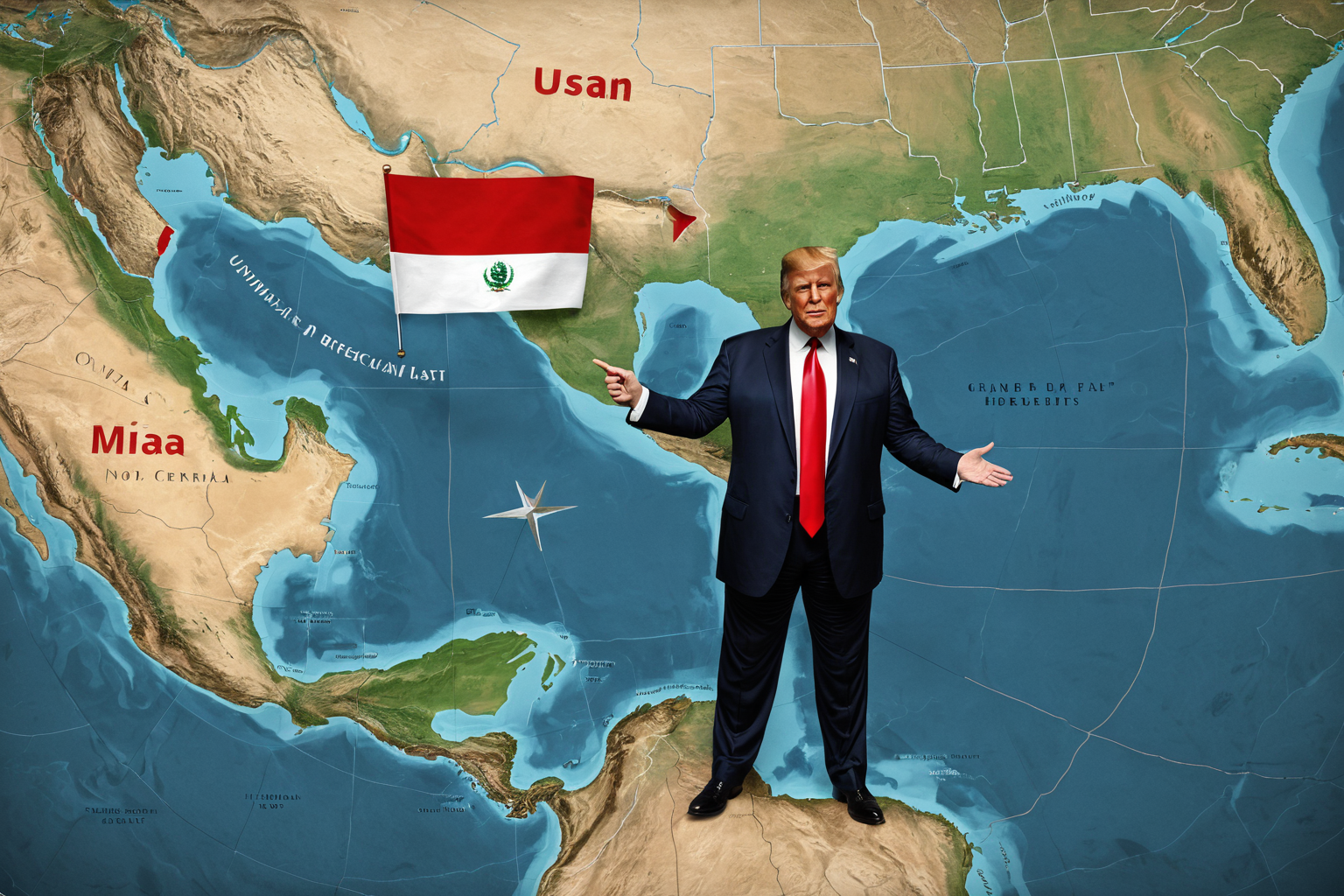
Trump's Hormuz Territory Claim and Iran's Reaction
Trump has asserted that the Strait of Hormuz will be declared U.S. territory, emphasizing control over the strait in nuclear negotiations with Iran. Iran countered by stating it has been, is, and always will be its own territory, vowing to maintain its blockade policy despite economic challenges.
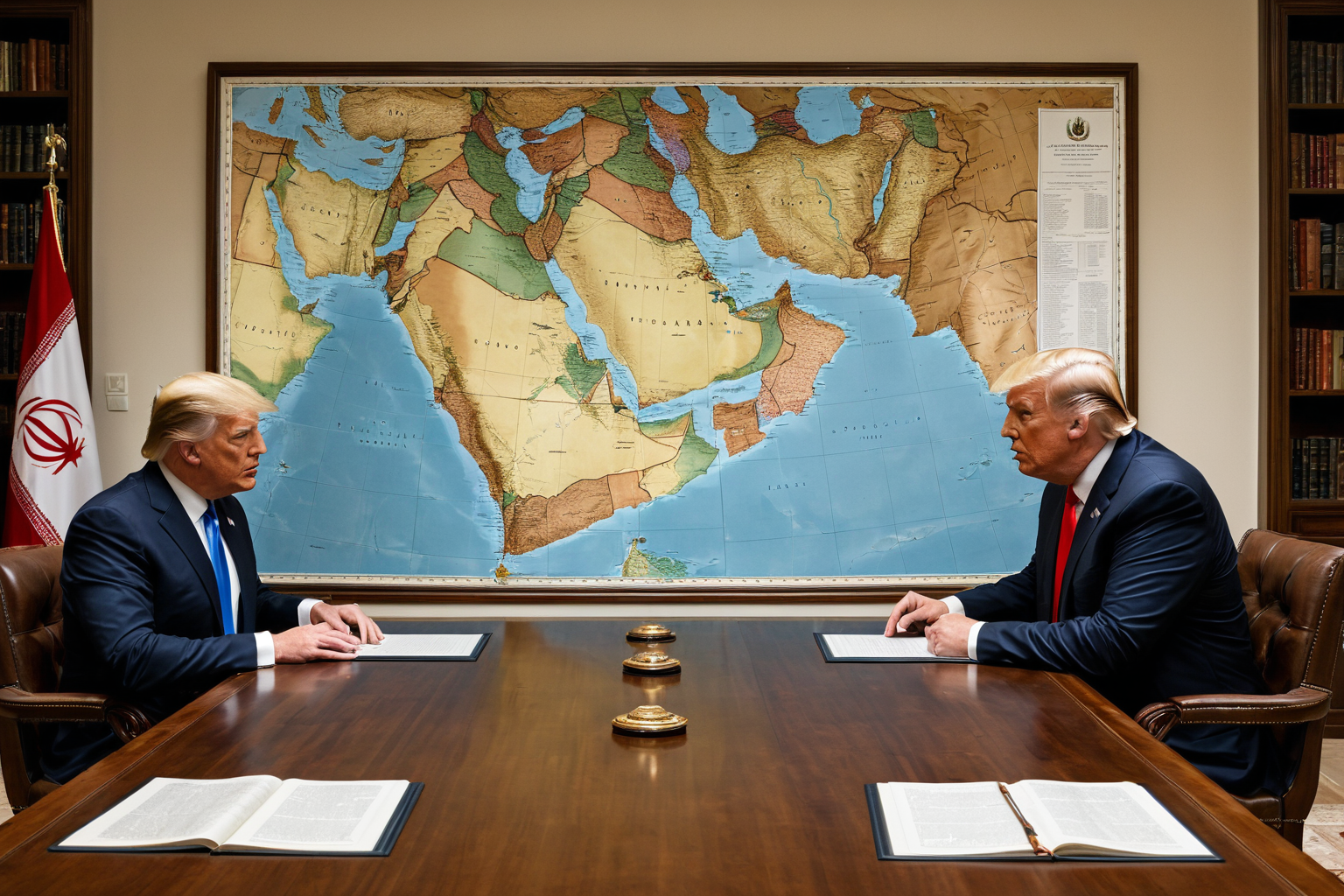
Key Facts
Trump announced that the Strait of Hormuz would be declared U.S. territory, emphasizing control in nuclear talks with Iran. On August 15, Trump stated, "The Hormuz is currently U.S. territory," pressuring Iran to reach a deal quickly.
Iran dismissed Trump's remarks as delusional, reiterating that the strait has always been its own territory and vowing to continue its blockade policy despite economic hardships. With inflation at 88%, Iran remains firm in resisting U.S. pressure.
Background of the Incident
On August 15, Trump announced his intention to declare the Strait of Hormuz as U.S. territory, seen as a strategic move to strengthen control over the strait in nuclear negotiations with Iran. He stated, "The Hormuz is currently U.S. territory," urging Iran to expedite an agreement.
On August 16, Iran rejected Trump's statement as baseless delusion, reaffirming its claim that the strait has been and always will be Iranian territory. The Iranian Foreign Ministry declared, "Past, present, and future—this is ours."
Trump's remarks heightened tensions between the U.S. and Iran, with Iran declaring on August 17 it would maintain its blockade policy despite economic challenges, including an inflation rate of 88%. Iran also threatened to retaliate "a hundredfold" against Trump's provocation.
Cause Analysis
Trump's declaration aims to strengthen U.S. control over the Strait of Hormuz in nuclear negotiations with Iran, seeking to expand American military and political influence in the Middle East. By declaring the strait as U.S. territory, Trump appears to be attempting to gain leverage in negotiations while addressing domestic concerns about rising energy prices.
Iran dismissed Trump's remarks as delusional, reiterating its historical claim over the strait. The Iranian Foreign Ministry emphasized that it has been, is, and will always be Iran's territory. Despite economic difficulties, Iran remains committed to maintaining its blockade policy.
Trump's statement connects to rising oil prices. Along with refusing to extend a previous nuclear deal (MOU), he announced the declaration of the Strait of Hormuz as U.S. territory, framing it as part of efforts to gain public understanding regarding escalating energy costs.
Response and Safety Information
Trump's announcement has heightened tensions in the Middle East. Iran threatened to retaliate "a hundredfold" against what it called Trump's provocation, potentially accelerating pressure on oil prices.
Domestically, some U.S. critics have raised concerns about Trump's declaration of Hormuz territory, calling it a short-sighted mistake related to reducing joint military exercises with South Korea. This criticism has contributed to growing distrust toward the Trump administration.
Iran remains committed to its blockade policy despite economic challenges, including an 88% inflation rate. Iran is expected to strengthen military and political measures in response to U.S. pressure, even as it faces significant economic strain.
Verified Information
Trump announced his intention to declare the Strait of Hormuz as U.S. territory on August 15. Iran dismissed this statement as delusional on that day and declared its commitment to maintaining the blockade policy despite economic hardships, including an 88% inflation rate, on August 17.
Trump made his announcement alongside refusing to extend a previous nuclear deal (MOU) with Iran, framing it as part of efforts to address public concerns about rising energy prices. This strategy appears aimed at expanding U.S. military and political influence in the Middle East.
Trump's statement also carries domestic political implications. Facing declining economic sentiment, Trump may be attempting to shift public attention to the Iran issue while seeking to avoid blame for rising energy costs.
Frequently Asked Questions
Why did Trump declare the Strait of Hormuz as U.S. territory?
Trump announced that he would declare the Strait of Hormuz as U.S. territory to strengthen control over the strait in nuclear negotiations with Iran, aiming to expand American military and political influence in the Middle East.
How did Iran respond to Trump's statement?
Iran dismissed Trump's remarks as delusional, reiterating that the Strait of Hormuz has always been its own territory. The Iranian Foreign Ministry declared, "Past, present, and future—this is ours," and vowed to maintain its blockade policy despite economic challenges.
What is Iran's current economic situation?
Iran faces significant economic difficulties, with an inflation rate of 88%. Despite this, it remains committed to resisting U.S. pressure by maintaining its blockade policy.
Frequently Asked Questions
Trump's declaration of the Strait of Hormuz as U.S. territory is seen as a strategic move in nuclear negotiations with Iran, aimed at strengthening U.S. control over the strait. Iran has dismissed this claim as delusional, reasserting its historical ownership and vowing to maintain its blockade policy despite economic hardship. With inflation at 88%, Iran's continued resistance suggests ongoing tensions in the region, which could further escalate military and political actions.
Trump faces domestic criticism for his stance on Hormuz territory, with some labeling it a short-sighted mistake related to reduced U.S.-South Korea joint military exercises. This has contributed to declining trust in the Trump administration's Middle East policy. Despite economic pressures, Iran is expected to strengthen its military and political responses to U.S. actions.
Explore more articles on similar topics.
View Related ArticlesFAQ
Why did Trump declare the Strait of Hormuz as U.S. territory?
Trump announced that he would declare the Strait of Hormuz as U.S. territory to strengthen control over the strait in nuclear negotiations with Iran, aiming to expand American military and political influence in the Middle East.
How did Iran respond to Trump's statement?
Iran dismissed Trump's remarks as delusional, reiterating that the Strait of Hormuz has always been its own territory. The Iranian Foreign Ministry declared, "Past, present, and future—this is ours," and vowed to maintain its blockade policy despite economic challenges.
What is Iran's current economic situation?
Iran faces significant economic difficulties, with an inflation rate of 88%. Despite this, it remains committed to resisting U.S. pressure by maintaining its blockade policy.
Korean Source
This article is an English localization of a Korean-language report from BlogScore. Original: 트럼프 미 영토 선언, 국내외 정치적 의미 분석