
Trump's Conditions for Opening the Hormuz Strait and Expected Changes
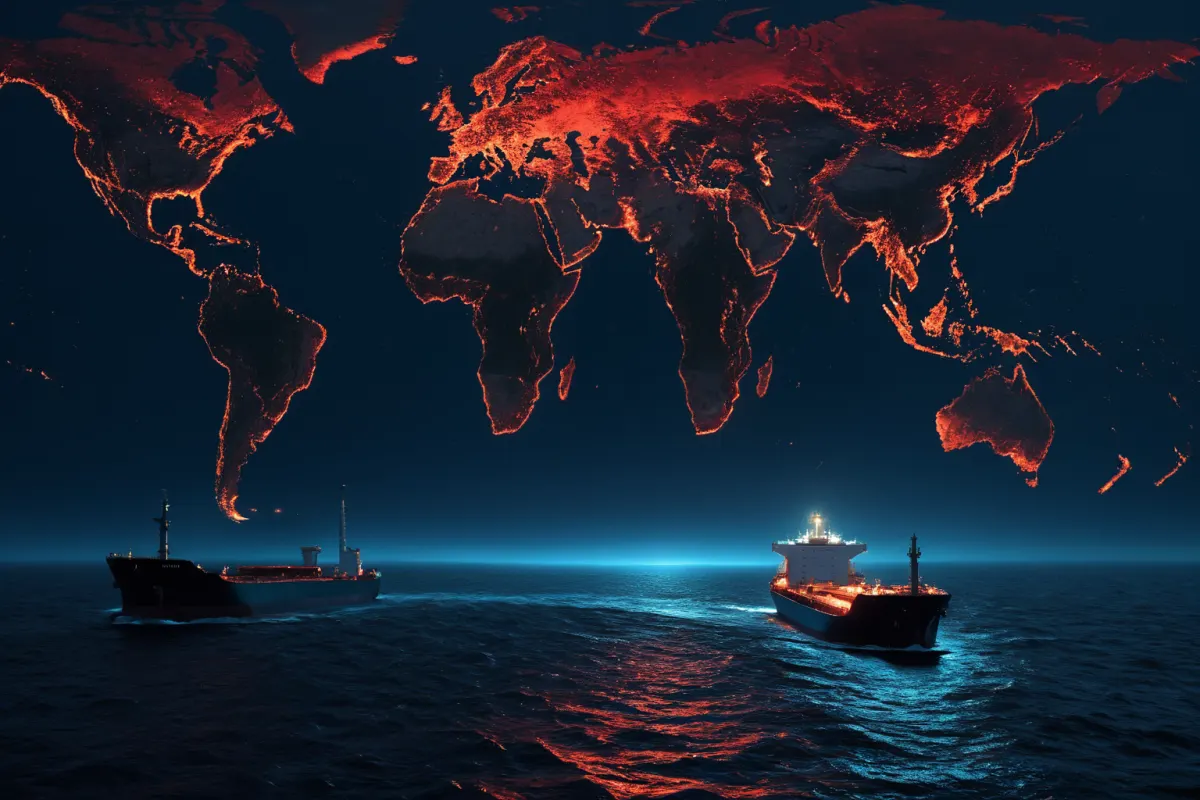
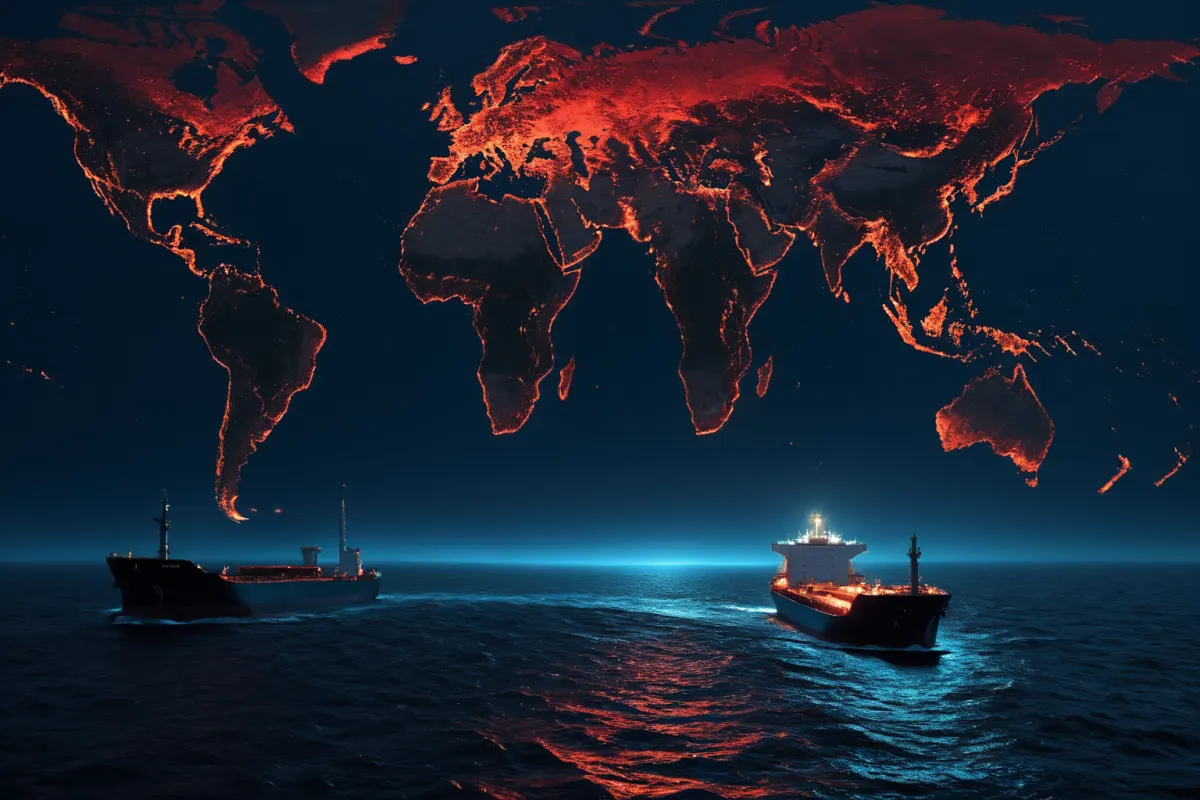
In simple terms, Trump's condition for opening maritime passage through the Hormuz Strait is that Iran must avoid threatening sea safety and not escalate tensions with the U.S. However, in reality, this isn't a matter of one person's decision—it involves complex military tensions among Iran, the U.S., and Gulf states, as well as maritime insurance, sanctions, and oil tanker safety.
Therefore, it's more realistic to focus on whether the 'risk premium' will decrease rather than whether passage will become completely free. Even if the route appears open, lingering military conflict risks mean that oil transportation costs and market anxiety won't vanish quickly.
Why the Hormuz Strait Matters
The Hormuz Strait is a critical maritime corridor for Middle Eastern oil and liquefied natural gas heading to global markets. If blocked or threatened, international oil prices can fluctuate rapidly, making it one of the most sensitive sea routes for nations worldwide.
For countries like South Korea that rely heavily on energy imports, the impact is particularly noticeable. Even if crude oil prices don't rise, transportation costs, insurance premiums, and refining procurement expenses will move together, putting pressure on domestic inflation.
You can find similar articles in one place.
View Related ArticlesTrump's Approach to Opening Maritime Passage
This kind of statement is closer to a political message aiming to build a secure navigation order through pressure rather than an unconditional opening. The actual conditions often involve Iran refraining from military responses, progress in nuclear and sanctions negotiations, cessation of maritime attacks, and coordination with allied nations.
What the U.S. seeks isn't just permission for passage but ensuring deterrence—ensuring that merchant ships and tankers can navigate without attack, which would stabilize insurance rates and freight costs.
For example, if Iran reduces missile tests or threats of seizing vessels near the strait, while the U.S. and neighboring countries strengthen naval escorts and maintain diplomatic channels, the market may interpret this as avoiding the worst-case scenario. Conversely, a mere ceasefire without action would limit the effect of any opening.
Key Points to Watch for Expected Changes
The first change likely to occur is in global oil prices. If tensions around Hormuz passage ease, previously spiked oil prices may stabilize; conversely, heightened tension could lead to repeated short-term price swings.
Next comes maritime freight rates and insurance premiums. As actual navigation risks decrease, shipping companies and insurers may reduce additional fees. While consumers might not feel this immediately, it directly affects import costs.
Finally, diplomatic signals matter. The more the U.S. emphasizes opening conditions, the more Iran may demand sanctions relief or renewed negotiations, while Gulf states could voice stronger calls to avoid military clashes.
Why Market Reactions Differ So Much
The Hormuz Strait isn't just a maritime route—it's also a battlefield for geopolitical psychology. The same event can lead to calm market reactions on one day and major oil price swings from minor statements on another.
This difference hinges on whether the market has already priced in current tensions. When tension is cumulative, even small signs of easing may appear as significant positive news; conversely, during calmer periods, warning statements might be taken more seriously.
For instance, after a report of an oil tanker being attacked, a statement about opening passage might be seen as only temporary relief. But if diplomatic negotiations are ongoing, the same statement could signal long-term stability.
Real-World Examples of Navigation Risks
In past instances when tensions around the Hormuz Strait rose, ships reviewed alternative routes, and some companies adjusted shipping schedules. During these periods, market reactions often occurred before actual blockades, driven by supply disruption fears.
Moreover, ship safety isn't resolved merely by the presence of warships. Threats from drone attacks, mine risks, and piracy mean shipping companies must act cautiously. Thus, 'passage possible' does not equate to 'safe navigation.'
This is why most people are more concerned with whether anxiety remains after passage opens rather than simply if it's open. Missing this distinction can lead to overestimating the situation based solely on headlines.
What South Korea Should Watch
South Korea, which depends heavily on Middle Eastern oil, is particularly sensitive to Hormuz Strait issues. Instability in the strait could affect costs for refineries, power generation, logistics, and airlines.
An important factor is exchange rates. If rising oil prices coincide with a stronger dollar, import burdens measured in won may increase further. Consumers might first feel pressure across the broader economy before seeing changes at gas stations.
Therefore, when reading related news, don't just look for headlines saying 'the strait has opened.' Instead, track oil futures, maritime freight rates, insurance premiums, and diplomatic progress together. Focusing on one factor alone can lead to misreading the direction of change.
Key Indicators to Monitor
- Whether Iran's military actions are de-escalating
- Whether U.S. and Gulf nations are strengthening naval coordination
- Whether oil futures show repeated sharp price swings
- Whether maritime insurance premiums and freight rates stabilize
- Whether nuclear negotiations or sanctions relief discussions continue
Monitoring these five factors together makes it easier to distinguish between mere political statements and actual market shifts. While transportation-related costs may lag behind news, once they change, their impact on the real economy tends to last longer.
FAQ
Q1. Is Trump's declared opening of the Hormuz Strait actually feasible?
A. It isn't a situation where military force or diplomatic pressure alone can fully control it. In reality, it depends on Iran's response, U.S. sanctions and negotiations, and coordination with neighboring countries.
Q2. Will oil prices drop immediately if passage is opened?
A. Prices could fall quickly, but if tensions remain high, the decline might be limited. Markets place more importance on actual safety assurance than just opening the route.
Q3. What change will South Korean consumers notice first?
A. International oil prices and maritime freight rates, along with exchange rates, typically move first; then fuel costs and overall inflation follow. There's usually a time lag before these changes are felt by consumers.
The key to Hormuz Strait issues isn't just statements—it's subsequent actions. For the latest updates, it's best to monitor both oil prices and news related to maritime safety.
Continue exploring similar topics.
View Category ArticlesFAQ
Is Trump's declared opening of the Hormuz Strait actually feasible?
It isn't a situation where military force or diplomatic pressure alone can fully control it. In reality, it depends on Iran's response, U.S. sanctions and negotiations, and coordination with neighboring countries.
Will oil prices drop immediately if passage is opened?
Prices could fall quickly, but if tensions remain high, the decline might be limited. Markets place more importance on actual safety assurance than just opening the route.
What change will South Korean consumers notice first?
International oil prices and maritime freight rates, along with exchange rates, typically move first; then fuel costs and overall inflation follow. There's usually a time lag before these changes are felt by consumers.
Korean Source
This article is an English localization of a Korean-language report from BlogScore. Original: 트럼프 호르무즈 통항 개방 조건과 예상되는 변화