
Trump's Hormuz Policy and Its Impact on International Relations
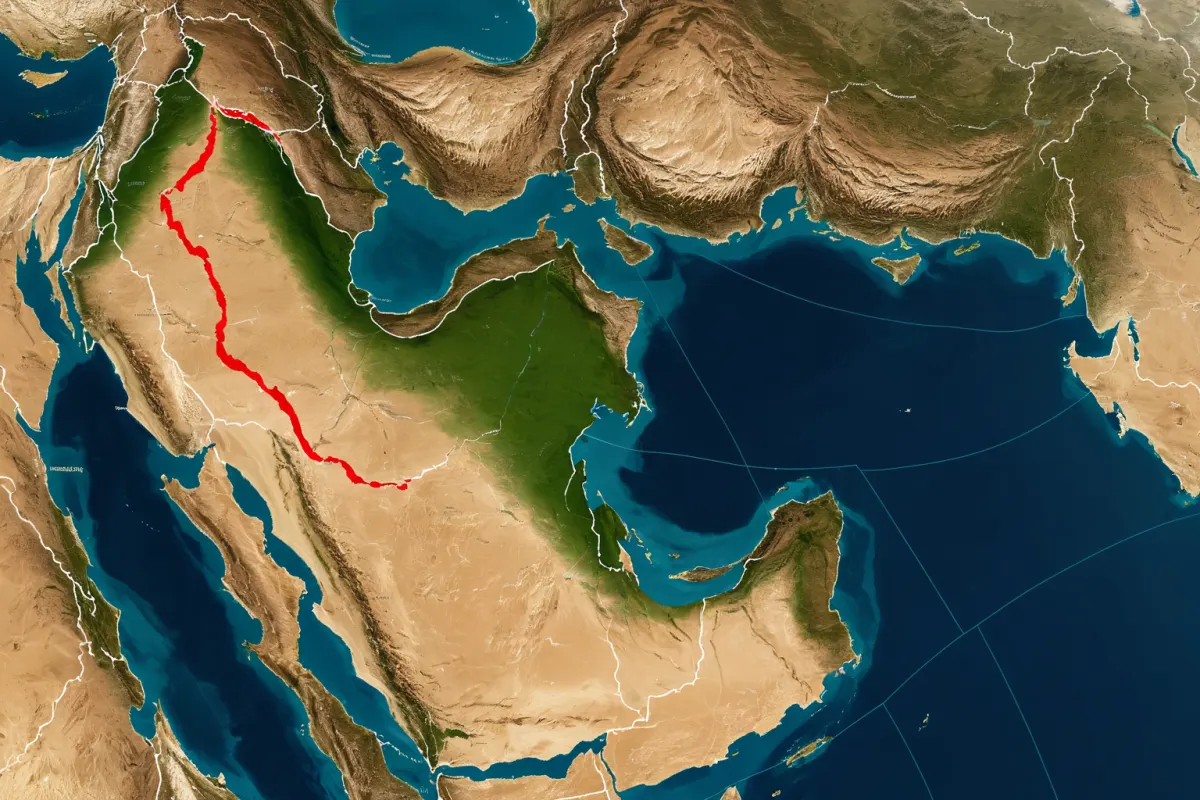
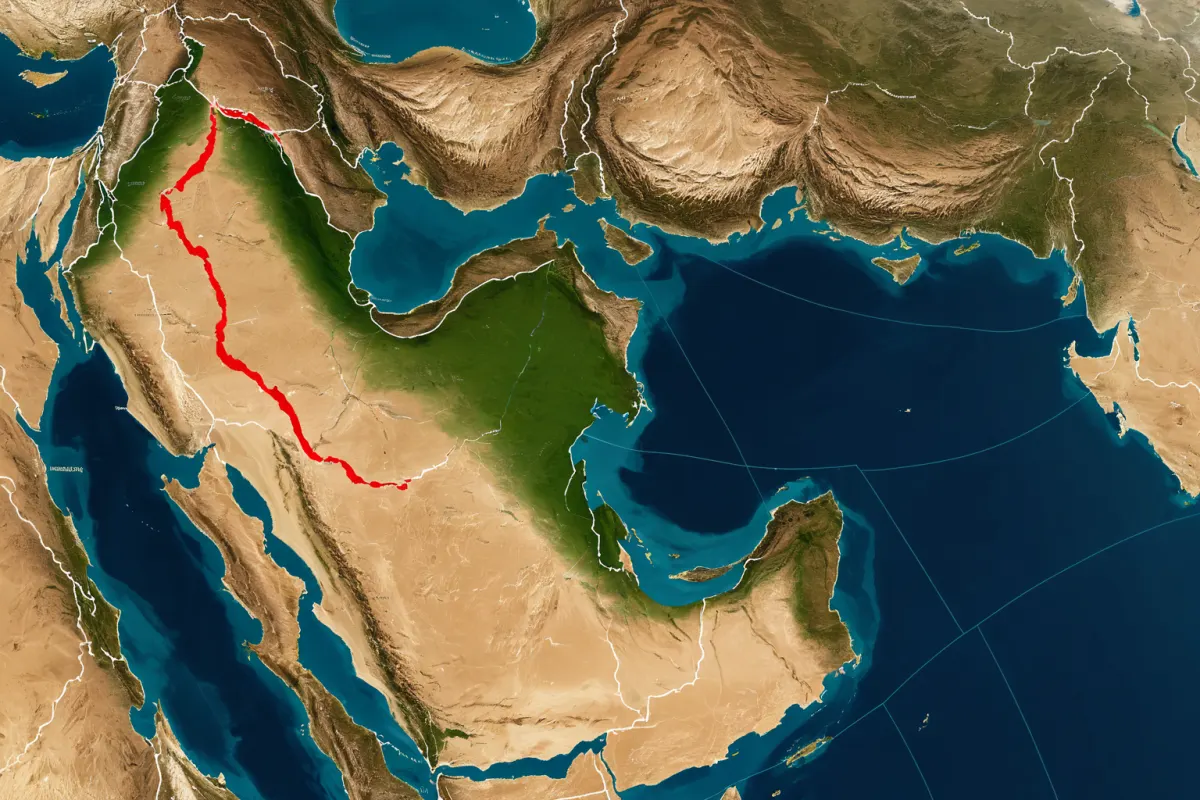
Trump's Claim to Control Hormuz and Iran's Rebuttal
The Trump administration declared its intention to fully control the Strait of Hormuz, but Iran warned this as misinformation, emphasizing that commercial vessels continue to use Iranian routes. After Trump's August 13, 2026, statement about 'full control' of Hormuz, Iran immediately dismissed it as false and announced a renewed blockade of the strait on the same day. Allies and media pointed out discrepancies between claims of U.S. control and reality, while U.S. intelligence assessed Iran's strategic priorities shifting from nuclear issues to Hormuz.
Trump Administration's Toll Fees and Blockade Resumption
The Trump administration proposed a 20% toll fee on shipping through the Strait of Hormuz and resumed blocking Iranian vessels, signaling efforts to exert control. On July 14, 2026, as negotiations with Iran deteriorated due to Trump's 'threat of Hormuz control,' Iran walked out of talks and shifted its strategy from 'retaliation' to 'offensive' action. Iran appears to be leveraging the Hormuz Strait to pressure the U.S., adopting a new strategy.
Trump claimed Hormuz would have no impact on America, but rising oil prices and economic shocks are anticipated. The 20% toll fee could cost up to 45 billion won per vessel, drawing criticism as 'highway robbery.' This is expected to significantly disrupt global trade.
Limits of International Cooperation and Compromise
The U.S. and China showed tentative agreement on opening Hormuz for cooperation but failed to reach a major compromise. On April 13, 2026, Trump raised the prospect of a 50% tariff on Chinese goods while warning against sanctions on Iran support, and Oman proposed a 'service fee' model. However, the Trump administration rejected this with military threats, escalating international tensions.
Oman's proposal to assert coastal state rights alongside Iran gained traction, but Trump's military warnings pushed international relations toward conflict rather than cooperation. This left U.S.-China collaboration at a theoretical agreement without meaningful compromise.
Economic Impact and Oil Price Surge
The economic ripple effects of the Trump administration's Hormuz control claims are significant. Rising oil prices directly impact global trade, and with toll fees potentially costing 45 billion won per vessel, logistics costs are expected to surge dramatically. This could heighten global economic instability.
U.S. intelligence assessed Iran’s strategic priorities shifting from nuclear issues to Hormuz, while Iran has transitioned from 'retaliation' to an 'offensive' strategy against the U.S., further straining U.S.-Iran relations.
Trump Administration's Military Warnings and International Response
The Trump administration warned that the U.S. Navy would immediately block Hormuz, threatening Iran with 'hell' if weapons were used. Following Trump’s March 12, 2026 statement, the international community began warning of an 'economic bomb' from a Hormuz blockade.
Trump’s proposal for a 20% toll fee has raised expectations of oil price surges and economic shocks, which could severely impact global trade. Major export nations like South Korea may face significant economic losses depending on whether the Strait remains open.
Trump Administration's Economic Strategy and International Cooperation
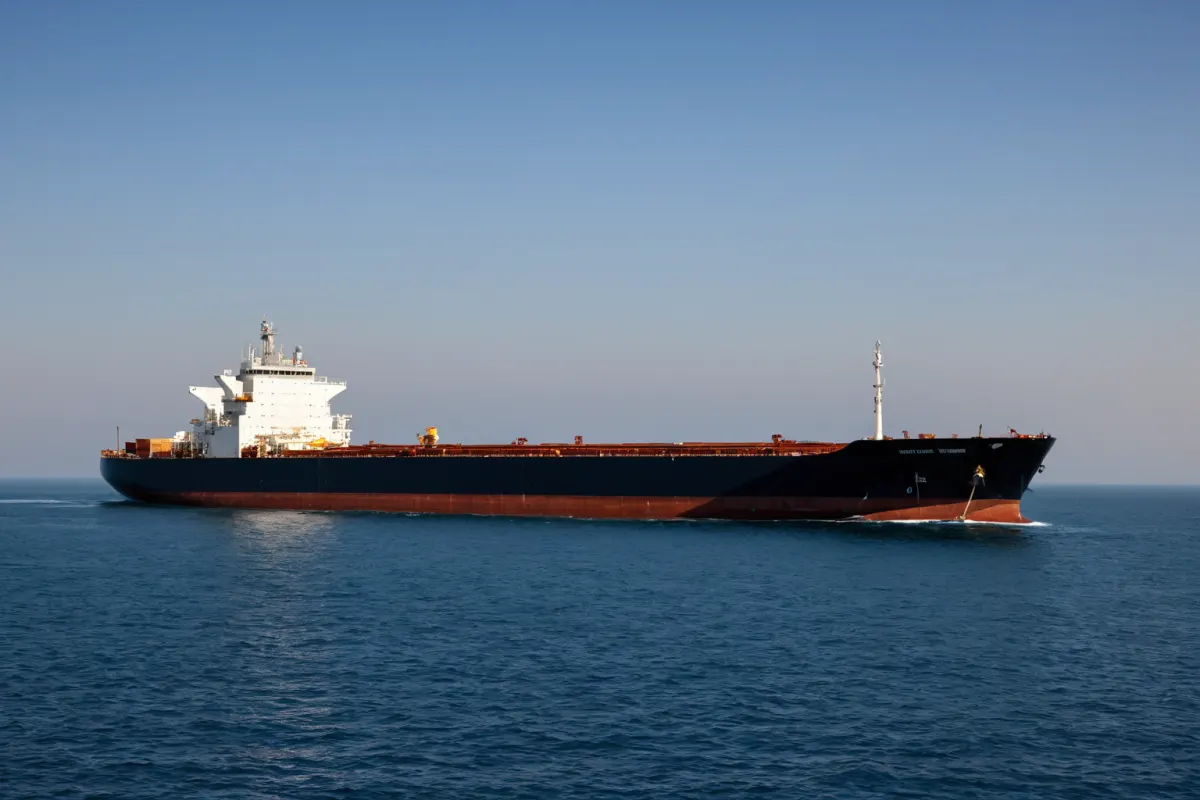
The Trump administration pushed for a 20% toll fee on cargo passing through Hormuz and announced the resumption of blocking Iranian vessels. Oman refined its 'service fee' model to assert coastal state rights alongside Iran, but the Trump administration countered with military threats. This left U.S.-China cooperation at a theoretical agreement without meaningful compromise.
The policy is expected to significantly impact global trade and energy markets. If toll fees reach 45 billion won per vessel, oil prices could surge globally, accelerating economic instability worldwide.
U.S.-China Cooperation and Lack of Compromise
The U.S. and China showed tentative agreement on opening Hormuz for cooperation but failed to reach concrete compromises. The Trump administration used the threat of a 50% tariff on Chinese goods to warn against supporting Iran, complicating the global trade environment.
Oman’s 'service fee' proposal gained attention as a new approach to managing passage through Hormuz, but Trump’s military warnings intensified global tensions, shifting focus from cooperation to conflict. This could have long-term implications for U.S.-China relations, Middle Eastern politics, and energy markets.
Trump Administration's Statements and International Response
The Trump administration’s claims about controlling Hormuz sparked debate domestically, while Iran dismissed the statements as misinformation. Following Trump’s August 14, 2026, assertion that he would 'soon declare Hormuz Strait as U.S. territory,' the international community emphasized the disconnect between his rhetoric and reality.
The administration’s announcement of renewed blocking of Iranian vessels worsened U.S.-Iran relations, yet commercial ships continue to use Iranian routes. This highlights a gap between Trump's statements and actual global conditions, drawing scrutiny.
Economic Impact Analysis
The economic impact of the Trump administration’s Hormuz control claims is severe. Rising oil prices directly affect global trade, with logistics costs expected to surge due to 45 billion won per vessel toll fees. This could heighten global economic instability significantly.
U.S. intelligence assessed Iran's strategic priorities shifting from nuclear issues to Hormuz, while Iran has transitioned from 'retaliation' to an 'offensive' strategy against the U.S., further straining relations.
Key Facts and Verified Information
The Trump administration’s proposal for a 20% toll fee on cargo through Hormuz and resumption of blocking Iranian vessels is confirmed. Oman’s 'service fee' model has been formalized, but the Trump administration rejected it with military threats.
On July 14, 2026, after Trump’s 'threat of Hormuz control' worsened negotiations, Iran walked out of talks and shifted to an offensive strategy. This demonstrates Iran’s new approach in confronting the U.S.
Frequently Asked Questions
Has Trump's administration actually taken control of the Hormuz Strait?
No, the Trump administration claimed it would fully control the Strait of Hormuz, but Iran dismissed this as misinformation and emphasized that commercial vessels continue to use Iranian routes.
What impact will a 20% toll fee on Hormuz have?
A proposed 20% toll fee could cost up to 45 billion won per vessel, significantly disrupting global trade and potentially triggering oil price surges.
What agreement did the U.S. and China reach regarding opening Hormuz?
The U.S. and China showed tentative agreement on opening Hormuz for cooperation but failed to reach concrete compromises. Instead, the Trump administration threatened a 50% tariff on Chinese goods while warning against supporting Iran.
Frequently Asked Questions
The Trump administration's claims about controlling Hormuz are expected to significantly impact global trade and energy markets. A 20% toll fee could lead to oil price surges and accelerated economic instability worldwide, with potential significant losses for major export nations like South Korea. While the U.S. and China showed initial agreement on opening Hormuz, they failed to reach meaningful compromise, leaving international cooperation at a theoretical level without concrete action.
You can explore more articles on similar topics.
View Related ArticlesFAQ
Has Trump's administration actually taken control of the Hormuz Strait?
No, the Trump administration claimed it would fully control the Strait of Hormuz, but Iran dismissed this as misinformation and emphasized that commercial vessels continue to use Iranian routes.
What impact will a 20% toll fee on Hormuz have?
A proposed 20% toll fee could cost up to 45 billion won per vessel, significantly disrupting global trade and potentially triggering oil price surges.
What agreement did the U.S. and China reach regarding opening Hormuz?
The U.S. and China showed tentative agreement on opening Hormuz for cooperation but failed to reach concrete compromises. Instead, the Trump administration threatened a 50% tariff on Chinese goods while warning against supporting Iran.
Korean Source
This article is an English localization of a Korean-language report from BlogScore. Original: 트럼프의 호르무즈 정책, 국제 관계에 미치는 영향