
Trump's Economic Pressure and Global Trade Environment Shifts
Trump Administration's Economic Pressure Policies and Global Trade Shifts
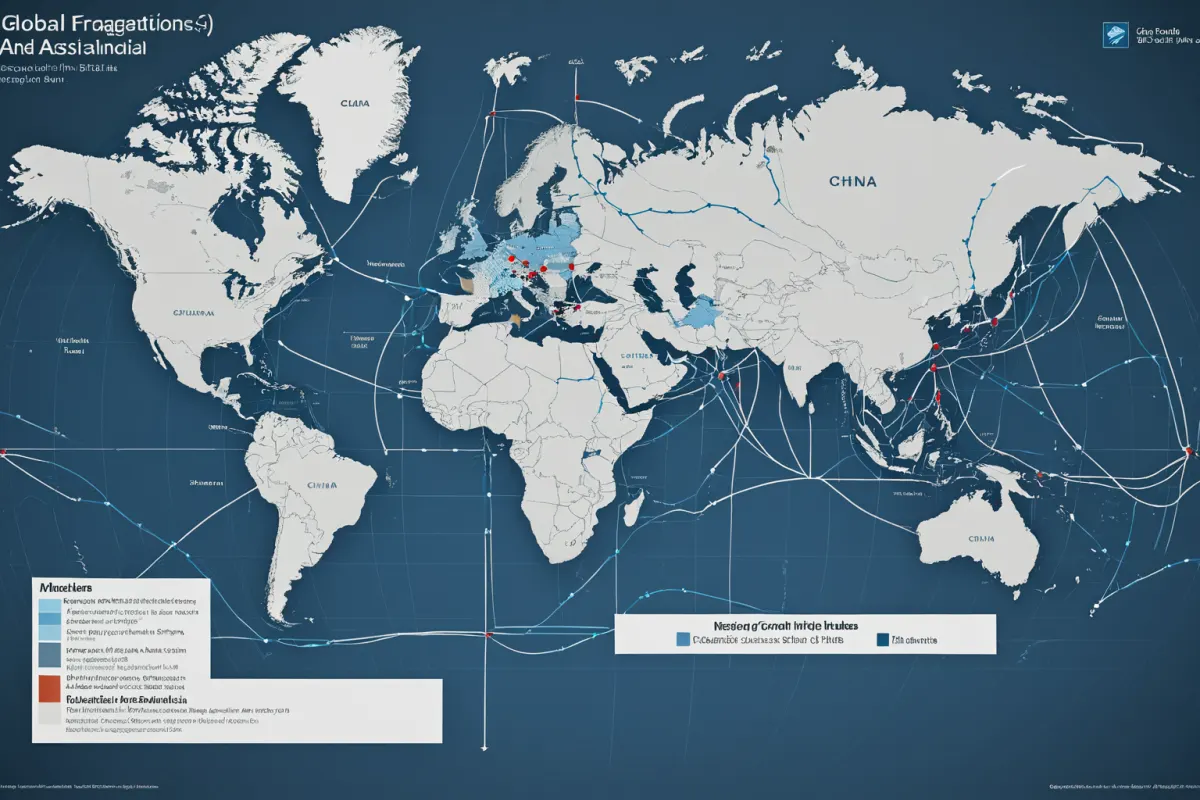
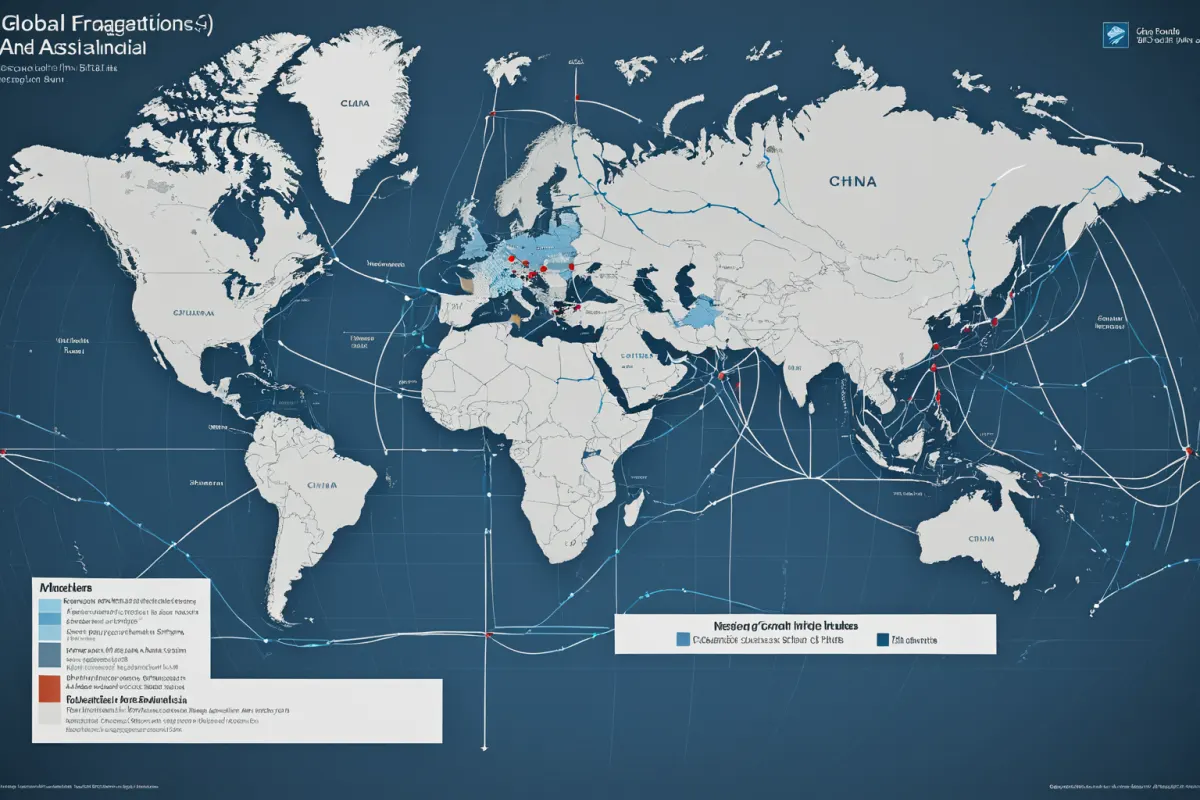
The Trump administration's tariff policies have intensified the US-China strategic competition, leading to significant changes in the global trade environment. By 2026, China recorded its largest-ever trade surplus, directly linked to supply chain fragmentation caused by America's tariff 'bomb'.
U.S. protectionist policies follow a historical pattern dating back to the nation's founding. The USTR (United States Trade Representative) has warned of sanctions against subsidiaries of Chinese companies, escalating economic tensions. This has shifted global markets from multilateralism toward fragmented regional blocs.
Particularly in digital trade, pressure is intensifying, requiring major economies including South Korea to develop response strategies. Trump's economic pressure has expanded beyond tariff disputes into full-scale trade wars with growing influence on global markets.
Trump Policies and China's Trade Surplus: Historical Context and Current State
Starting in 2025, Trump's tariff war has disrupted global trade. By 2026, China's trade surplus reached a historical high, directly connected to supply chain fragmentation from America's tariff policies.
The U.S. Trade Representative (USTR) issued warnings about sanctions against Chinese subsidiaries, with particular attention on Hanwha Ocean's subsidiary. This demonstrates that economic tensions between the U.S. and China are progressing as practical economic warfare rather than formal diplomatic relations.
Trump's economic pressure policies potentially signal a complete restructuring of the global economic order centered on free trade. Research institutions like the Korea Institute for Industrial Economics and Deloitte have re-examined the economic impact of Trump's policies, forecasting a resurgence of government-led industrial strategies.
Global Supply Chain Fragmentation and Industry-Specific Impacts
Trump's tariff policies have shifted global supply chains toward fragmented regional blocs. Industries like shipping and textiles have faced direct impacts from the tariff 'bomb,' experiencing pressure on freight rates and cargo volumes.
Deloitte's February 14, 2025 report specifically examined the economic impact of Trump's tariffs, emphasizing that high-export-dependence countries and firms face life-or-death decisions. This highlights the need for strategic reallocation of production bases.
Kim Soo-dong, Director of the Korea Institute for Industrial Economics, proposed a response strategy to Trump's second term policies on March 7, 2025. He stressed that South Korea needs strategic responses rather than simply 'taking sides,' offering national-level direction for adapting to changing global trade environments.
Trump Administration's Economic Pressure: Historical Context and Current Situation
U.S. protectionism follows a historical pattern dating back to the country's founding. A May 20, 2025 report suggested Trump's tariff war heralds the end of globalization.
Trump's economic pressure has intensified US-China strategic competition and reshaped global trade through America's protectionist policies. This creates urgency for major economies including South Korea to develop response strategies, particularly with growing pressure in digital trade.
A May 9, 2026 report by the U.S.-Korea Economic Analysis highlighted that American protectionism follows historical patterns, suggesting Trump's policies mirror past approaches.
USTR Warnings on Sanctions Against Chinese Subsidiaries
The USTR (United States Trade Representative) warned of sanctions against subsidiaries of Chinese companies. On October 3, 2025, specific measures targeting Hanwha Ocean's subsidiary were mentioned.
This warning demonstrates that economic tensions between the U.S. and China are progressing as practical economic warfare rather than formal diplomatic relations. With China recording its largest trade surplus in 2026, the potential global economic impact of these sanctions is being closely monitored.
The U.S. is strengthening tariff policies to protect domestic industries, directly linked to China's expanding trade surplus. Notably, by 2026, China's trade surplus reached a historical high, with America's tariff policies identified as one key factor.
Trump Administration's Economic Pressure and Global Market Impact
Trump's economic pressure has significantly reshaped global trade environments. By 2026, China recorded its largest-ever trade surplus, directly connected to supply chain fragmentation from America's tariff policies.
Institutions like the Korea Institute for Industrial Economics and Deloitte have re-examined the economic impact of Trump's policies, forecasting a resurgence of government-led industrial strategies. On March 7, 2025, Kim Soo-dong of the Korea Institute proposed response strategies to Trump's second term policies, offering strategic direction for South Korea's economy.
Trump's tariff policies have created life-or-death decisions for high-export-dependence countries and firms. As a result, global markets are shifting from multilateralism toward fragmented regional blocs, making strategic reallocation of production bases essential.
Trump Administration's Economic Pressure: Historical Background and Current Status
U.S. protectionism follows a historical pattern dating back to the nation's founding. A March 8, 2025 report titled 'Is Trump the Main Cause of Global Trade War?... Globalization Ended 17 Years Ago' highlighted this perspective.
Trump's economic pressure has intensified US-China strategic competition and reshaped global trade environments. This creates urgency for major economies including South Korea to develop response strategies, particularly with growing pressure in digital trade.
A May 9, 2026 report by the U.S.-Korea Economic Analysis reiterated that American protectionism follows historical patterns, suggesting Trump's policies mirror past approaches.
Trump Tariff Bomb and Global Shipping & Textile Industries
Trump's tariff 'bomb' has struck global shipping and textile industries directly. Since 2025, the administration's tariff policies have pressured freight rates and cargo volumes.
Institutions like the Korea Institute for Industrial Economics and Deloitte have re-examined Trump's economic impact, emphasizing that high-export-dependence countries and firms face critical decisions. Deloitte's February 14, 2025 report provided specific analysis of tariff policy impacts.
South Korea emphasizes the need for strategic responses rather than simply 'taking sides.' Kim Soo-dong of the Korea Institute proposed response strategies on March 7, 2025, offering national-level strategic direction for adapting to changing global trade environments.
Trump Administration's Economic Pressure and Digital Trade
Trump's economic pressure is intensifying in digital trade. A February 22, 2026 report predicted heightened pressure on South Korea's digital trade due to mutual tariff reductions by the U.S.
The U.S. strengthens tariff policies to protect domestic industries, directly linked to China's expanding trade surplus. Notably, by 2026, China recorded its largest-ever trade surplus, with America's tariff policies identified as one key factor.
U.S. protectionism is creating urgency for major economies to develop response strategies, potentially reshaping global economic structures. With intensifying pressure in digital trade, South Korea and similar countries are exploring new strategic directions.
Trump Administration's Economic Pressure: Key Reports and Analysis
The USTR (United States Trade Representative) warned of sanctions against Chinese subsidiaries. On October 3, 2025, specific measures targeting Hanwha Ocean's subsidiary were mentioned.
Trump's tariff war has been described as heralding the end of globalization, with May 20, 2025 reports presenting this analysis. U.S. protectionism follows a historical pattern dating back to the nation's founding.
Trump's economic pressure has significantly reshaped global trade environments, creating life-or-death decisions for high-export-dependence countries and firms through tariff wars that signal the end of globalization.
Trump Administration's Economic Pressure and Response Strategies
Institutions like the Korea Institute for Industrial Economics and Deloitte have re-examined Trump's economic impact, forecasting a resurgence of government-led industrial strategies. On March 7, 2025, Kim Soo-dong proposed response strategies to Trump's second term policies.
This strategy emphasizes the need for strategic responses rather than simply 'taking sides,' offering national-level direction for adapting to changing global trade environments. This is essential in a situation where high-export-dependence countries and firms face life-or-death decisions.
U.S. protectionism is creating urgency for major economies to develop response strategies, potentially reshaping global economic structures. With intensifying pressure in digital trade, South Korea and similar countries are exploring new strategic directions.
Trump Administration's Economic Pressure: Key Information to Verify
The USTR's specific warnings about sanctions against Chinese subsidiaries, including the timing and focus on Hanwha Ocean's subsidiary, highlight that economic tensions between the U.S. and China are progressing as practical economic warfare rather than formal diplomatic relations.
Trump's economic pressure policies and China's trade surplus are closely linked, with 2026 marking China's largest-ever trade surplus - directly connected to supply chain fragmentation from America's tariff policies.
A May 9, 2026 U.S.-Korea Economic Analysis report emphasized that American protectionism follows historical patterns dating back to the nation's founding, suggesting Trump's policies mirror past approaches.
Frequently Asked Questions
What is the impact of Trump's tariff policies on global trade?
Trump's tariff policies have intensified US-China strategic competition, reshaping global trade dynamics. This has led to China's expanding trade surplus and supply chain fragmentation, directly impacting industries like shipping and textiles while intensifying pressure in digital trade.
What historical context underpins Trump's economic pressure policies?
U.S. protectionism follows a historical pattern dating back to the nation's founding. A May 9, 2026 report by U.S.-Korea Economic Analysis confirmed this, noting Trump's policies mirror past approaches.
How should South Korea respond to Trump's economic pressure?
Kim Soo-dong of the Korea Institute for Industrial Economics stressed on March 7, 2025 that South Korea needs strategic responses rather than simply 'taking sides.' This offers national-level direction for adapting to changing global trade environments during a critical period for high-export-dependence countries and firms.
The article concludes with information relevant to 2026, providing important reference material on US-China relations and the restructuring of the global economic landscape.
You can view similar articles in one place.
View Related ArticlesFAQ
What is the impact of Trump's tariff policies on global trade?
Trump's tariff policies have intensified US-China strategic competition, reshaping global trade dynamics. This has led to China's expanding trade surplus and supply chain fragmentation, directly impacting industries like shipping and textiles while intensifying pressure in digital trade.
What historical context underpins Trump's economic pressure policies?
U.S. protectionism follows a historical pattern dating back to the nation's founding. A May 9, 2026 report by U.S.-Korea Economic Analysis confirmed this, noting Trump's policies mirror past approaches.
How should South Korea respond to Trump's economic pressure?
Kim Soo-dong of the Korea Institute for Industrial Economics stressed on March 7, 2025 that South Korea needs strategic responses rather than simply 'taking sides.' This offers national-level direction for adapting to changing global trade environments during a critical period for high-export-dependence countries and firms.
Korean Source
This article is an English localization of a Korean-language report from BlogScore. Original: 트럼프 경제 압박과 글로벌 무역 환경 변화