
Trump Drone Tariff Policy: What Changes Are Expected?
Trump Drone Tariff Policy: What Changes Are Expected?
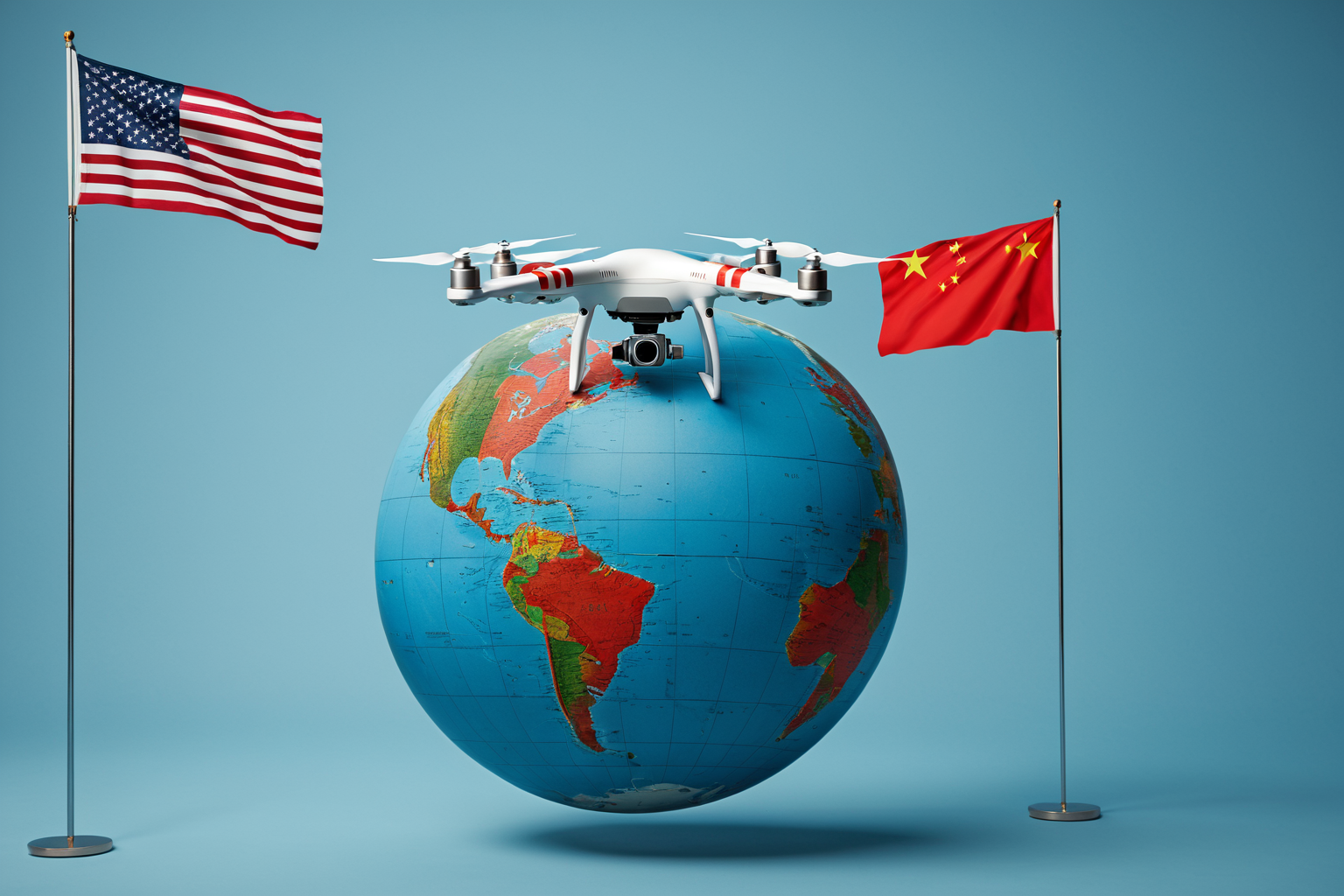
The Trump administration plans to impose up to 100% tariffs on Chinese drones and components, primarily targeting China. In contrast, South Korean drone products will face a conditional 15% tariff rate. The policy was first reported in media coverage starting August 13, 2026, with detailed reports published by Korea Economic Daily and Donga Ilbo on August 14, 2026. Analysts view this tariff strategy as part of U.S. economic pressure to weaken China's dominance in the drone market, drawing attention to its potential impact on global trade structures.
Overview of Trump Administration Drone Tariff Policy
The Trump administration plans to impose up to 100% tariffs on Chinese drones and components as an economic pressure tactic targeting China, particularly aiming to reduce China's market dominance in the drone industry. The policy was initially reported as a breaking news story on August 13, 2026, with detailed coverage by Donga Ilbo and Korea Economic Daily on August 14, 2026. The drone industry has seen increased Chinese exports over recent years, leading to higher global market share, which analysts believe contributed to U.S. concerns. Chinese drones have been noted for their competitive pricing and technological advantages in international markets.
South Korea's Special Treatment: Conditional 15% Tariff
South Korean drone products and components will face a conditional 15% tariff, unlike China. This is seen as special treatment considering South Korea's status as a U.S. ally. Details can be found in sources 2, 3, and 4, with legal firm Taepyeongyang and the Korean International Trade Association holding a seminar on August 14 to analyze this policy. South Korean companies are focusing on increased demand for alternatives to Chinese drones due to this tariff policy, while also exploring strategies to maintain competitiveness amid rising import costs for drone components. This reflects South Korea's important position in U.S. trade relations.
China's Reaction: Criticism of Unilateralism and Protectionism
The Chinese Ministry of Commerce has strongly criticized the U.S. drone tariff policy as unilateralism and protectionism. This indicates China is seeking responses to U.S. economic pressure. China argues that this policy will undermine international trade order, with related discussions reported on August 13, 2026. China views the tariff policy as a violation of free trade principles and has warned of potential further trade disputes. Given China's history of technological innovation and export expansion in the drone industry, its reaction to this policy is expected to be particularly strong.
Implementation Timeline and Related Seminars
The Trump administration's drone tariff policy was first reported on August 13, 2026, with detailed coverage by Korea Economic Daily and Donga Ilbo on August 14. Following this, legal firm Taepyeongyang and the Korean International Trade Association held a seminar on the same day titled 'Trump Tariff War,' discussing how the 1930 Act is being utilized in tariff policies. The seminar featured expert opinions on how this 1930s-era U.S. tariff law, traditionally used for economic protection, is being repurposed by the Trump administration to target China.

Securing Alternative Supply Chains and Corporate Response Strategies
The drone industry's high reliance on Chinese supply chains has made securing alternative supply chains a key focus following this tariff policy. Companies like Airex have emerged as potential alternatives, with related coverage available in source 5. Meanwhile, companies are developing strategies to respond to the tariff policy. South Korean firms, in particular, are considering expanding supply chains into Southeast Asia and Europe to replace Chinese drone components, seen as a strategic move to prepare for long-term market changes. Strengthening cooperation with U.S. drone manufacturers is also emerging as a key strategy.
Use of the 1930 Act and International Discussions
The United States is repurposing the tariff law enacted in the 1930s to implement drone industry tariffs. This law has traditionally been used by the U.S. for economic protection, and the Trump administration is now leveraging it to strengthen policies targeting China. Discussions include academic and legal analyses of tariff policies based on the 1930 Act. International trade experts warn that this law could revive U.S. protectionism in global trade, with active discussions about its potential impact on the global trading environment.
South Korean Corporate Response: Conditional Tariff Application and Strategy
South Korea is expected to face a conditional 15% tariff rate, seen as special treatment compared to China. South Korean companies are reviewing supply chain restructuring and export strategies in response to this policy. With potential increases in import costs for drone components, the industry is preparing to secure alternative suppliers. South Korea's drone industry has shown growth in overseas markets over recent years, and this tariff policy may alter the competitive landscape against Chinese products, signaling the need for strategic responses to maintain global competitiveness.
Potential Policy Changes and Key Points to Watch
The tariff policy was announced on August 13, 2026, with further details published on August 14. However, it has not yet been officially implemented, leaving room for additional review and adjustments. Details can be confirmed in Donga Ilbo's coverage on August 15, 2026, as companies develop response strategies considering possible policy changes. Key points for readers to watch include official announcements from the U.S. International Trade Commission (USITC) and whether related legislation passes, both of which could directly impact implementation timing.
Frequently Asked Questions
How will Trump's drone tariff policy affect South Korea?
South Korean drone products are expected to face a conditional 15% tariff rate, offering special treatment compared to China. This is seen as part of U.S.-South Korea alliance considerations. In particular, South Korean companies are expanding supply chains into Southeast Asia and Europe to replace Chinese drone components, viewed as strategic measures for long-term market changes.
How has China reacted to this policy?
The Chinese Ministry of Commerce has strongly criticized the U.S. drone tariff policy as unilateralism and protectionism. China argues that this policy will undermine international trade order and has warned of potential further trade disputes.
What is the 1930 Act?
The 1930 Act refers to a U.S. tariff law enacted in the 1930s, traditionally used as an economic protection tool. The Trump administration is repurposing it to strengthen policies targeting China. Experts warn this law could revive U.S. protectionism in global trade disputes.
You can view similar articles on this topic together.
View Related ArticlesFAQ
How will Trump's drone tariff policy affect South Korea?
South Korean drone products are expected to face a conditional 15% tariff rate, offering special treatment compared to China. This is seen as part of U.S.-South Korea alliance considerations. In particular, South Korean companies are expanding supply chains into Southeast Asia and Europe to replace Chinese drone components, viewed as strategic measures for long-term market changes.
How has China reacted to this policy?
The Chinese Ministry of Commerce has strongly criticized the U.S. drone tariff policy as unilateralism and protectionism. China argues that this policy will undermine international trade order and has warned of potential further trade disputes.
What is the 1930 Act?
The 1930 Act refers to a U.S. tariff law enacted in the 1930s, traditionally used as an economic protection tool. The Trump administration is repurposing it to strengthen policies targeting China. Experts warn this law could revive U.S. protectionism in global trade disputes.
Korean Source
This article is an English localization of a Korean-language report from BlogScore. Original: 트럼프 드론 관세 정책, 어떤 변화가 있을까?