
Trump's Decision to Scale Back US-South Korea Joint Military Drills: Reasons and Implications
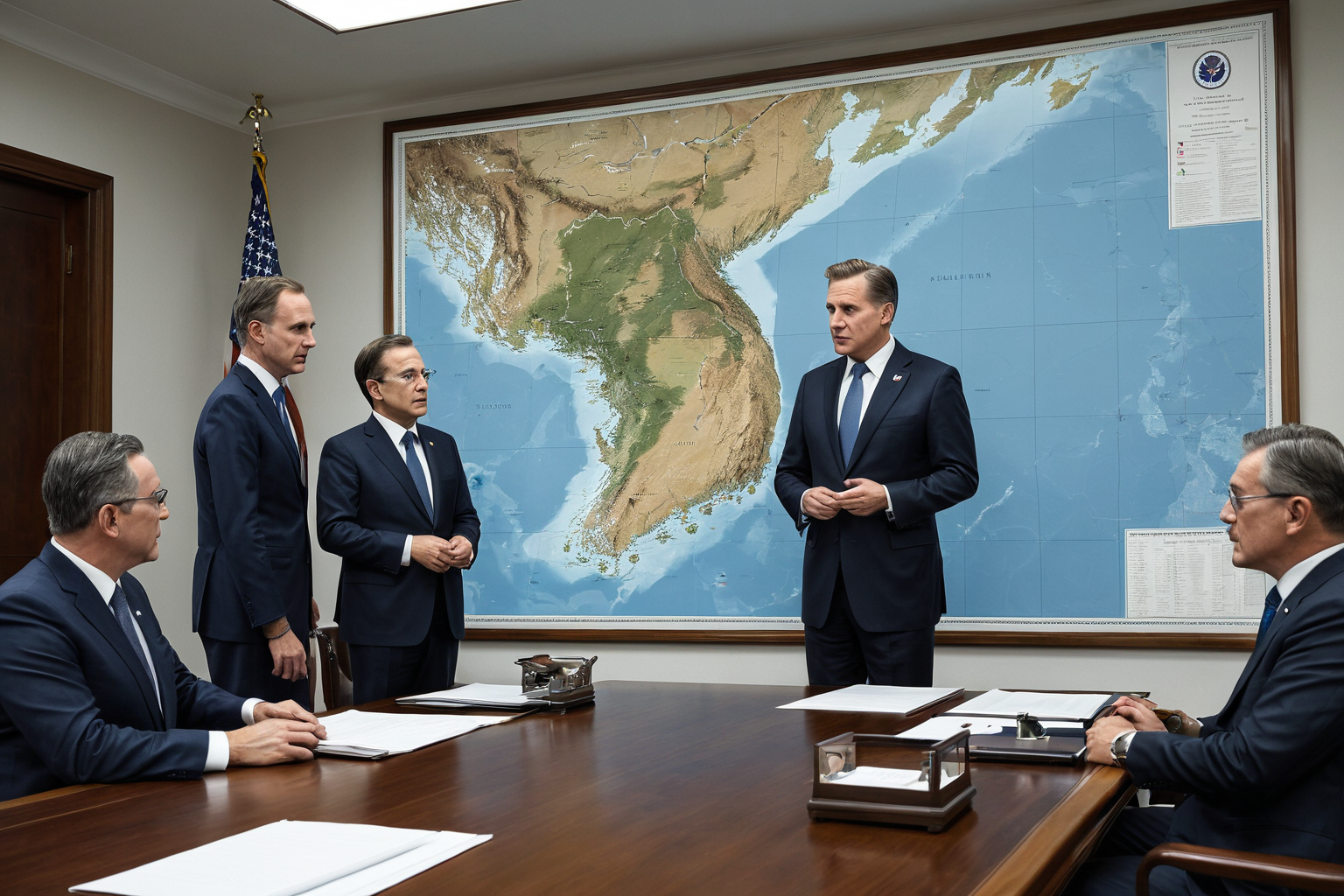
Trump Administration Decides to Significantly Reduce Scale of US-South Korea Joint Exercises
President Trump decided on August 17, 2026, to significantly reduce the scale of US-South Korea joint military exercises. The decision has drawn criticism from U.S. senators concerned about weakening alliance trust. The training schedule has been halved, and outdoor drills have also been substantially adjusted.
The move appears to be a strategic choice aimed at improving relations with North Korea. Trump sought to restart dialogue with Kim Jong Un and increase economic cooperation, analyzing that reducing joint military exercises would send a signal for talks to North Korea.
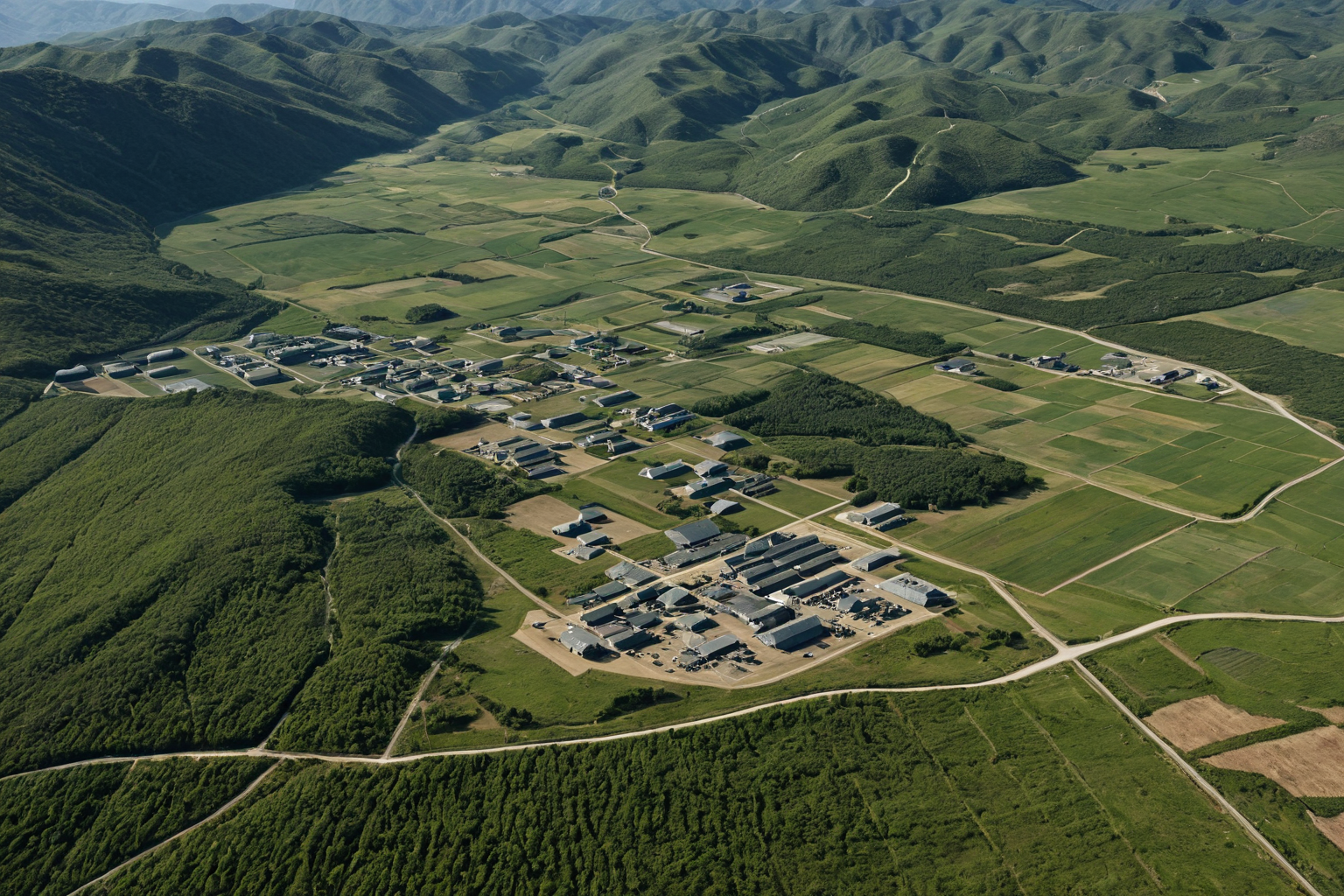
Reduction in Scale and Schedule Adjustment of US-South Korea Joint Exercises
The news that President Trump decided to significantly reduce the scale of US-South Korea joint military exercises was reported by MBC News on August 18. The training schedule has been halved from the original two weeks, and outdoor drills have also been substantially adjusted.
On August 19, Hankyoreh newspaper reported under the headline 'Trump's Single Statement Halves US-South Korea Joint Exercise Schedule,' noting that the decision sparked strong backlash within both U.S. political parties. In particular, senators expressed concern about weakened alliance trust and sent a letter demanding the cancellation of the exercise reduction.
U.S. Senators' Backlash and Criticism
On August 20, BBC reported that U.S. senators conveyed concerns about weakening alliance trust. They warned that reducing training could weaken South Korea's security and criticized Trump for 'taking sides with an adversary while confronting an ally.'
On August 19, both Democratic and Republican senators sent a letter demanding the cancellation of the US-South Korea joint exercise reduction. This emphasized that Trump's decision was a short-sighted mistake that could negatively impact alliance relations.
North Korea Resumes Missile Launches
Meanwhile, North Korea resumed large-scale ballistic missile launches on August 21, despite the reduction in US-South Korea joint exercises. This shows that international tensions have intensified rather than eased as some had anticipated following the exercise cutback.
Yonhap News TV reported on August 21 under the headline 'US-South Korea UFS Joint Exercises Reduced... Early Termination on 21st,' noting that the training ended earlier than scheduled on August 21.
Background and Strategic Calculations Behind Trump's Decision
The Trump administration appears to have decided to significantly reduce the scale of US-South Korea joint exercises. This is seen as a measure aimed at improving relations with North Korea, targeting the resumption of dialogue with Kim Jong Un and increased economic cooperation.
Some media reported that Trump was retaliating against South Korea for not supporting the Iran war. However, other analyses suggest this decision was a strategic move to send a signal for talks to North Korea, intentionally reducing exercise scale to improve relations with Kim Jong Un.
On August 18, Trump explained on Twitter that 'reducing US-South Korea joint exercises is a strategic move to restart dialogue with North Korea.' Despite political backlash in the U.S., this decision appears to reflect an attempt to simultaneously achieve investment from South Korea and improve relations with North Korea.
South Korean Government's Response and Diplomatic Considerations
The South Korean government has not officially responded to the decision to reduce the scale of joint exercises but expressed internal concerns. Some media reported that this reduction was due to diplomatic mistakes by President Yoon's administration, though this remains unconfirmed.
Claims that Trump retaliated against South Korea for not supporting the Iran war have been raised by some media, but further verification is needed. It remains unclear whether there is a direct link between this claim and Trump's decision.
International Reactions and Strategic Impact
The reduction in US-South Korea joint exercises has intensified international tensions. North Korea resumed large-scale ballistic missile launches on August 21 despite the exercise cutback, showing that tensions have escalated rather than eased as some had expected.
The alliance between South Korea and the U.S., which is a concern for weakened trust due to Trump's decision, is being interpreted as a strategic choice aimed at improving relations with North Korea. This could have significant implications for future US-South Korea relations and resolution of the nuclear issue on the Korean Peninsula.
While the Trump administration aimed to restart dialogue with North Korea through reducing joint exercises, international tensions have intensified due to political backlash within the U.S. and North Korea's ballistic missile launches.
Information to Verify
The decision by President Trump to reduce the scale of US-South Korea joint military exercises has drawn criticism from U.S. senators concerned about weakening alliance trust, which is noteworthy.
The claim that Trump retaliated against South Korea for not supporting the Iran war, based on some media reports, requires further verification. This is an important issue related to building trust in diplomatic relations.
North Korea resumed large-scale ballistic missile launches on August 21 despite the reduction in joint exercises, showing that international tensions are escalating. Additional information regarding future North Korean policy will be necessary.
Frequently Asked Questions
Why was the decision made to reduce the scale of US-South Korea joint military exercises?
President Trump decided to significantly reduce the scale of US-South Korea joint military exercises to improve relations with North Korea. This aims at restarting dialogue with Kim Jong Un and increasing economic cooperation.
Frequently Asked Questions
How did U.S. senators react to the reduction in the scale of US-South Korea joint military exercises?
U.S. senators from both parties sent a letter demanding the cancellation of the exercise reduction, expressing concern about weakened alliance trust. They emphasized that Trump's decision was a short-sighted mistake that could negatively impact South Korea's security.
Frequently Asked Questions
Did North Korea resume ballistic missile launches despite the reduction in US-South Korea joint exercises?
Yes, North Korea resumed large-scale ballistic missile launches on August 21. This shows that international tensions have intensified rather than eased as some had anticipated following the exercise cutback.
The Trump administration's decision to significantly reduce the scale of US-South Korea joint military exercises appears to be a strategic choice aimed at improving relations with North Korea. Despite political backlash in the U.S., this move has led to increased international tensions due to concerns about weakened alliance trust and North Korea's resumed ballistic missile launches.
You can view similar articles on this topic all at once.
View Related ArticlesFAQ
Why was the decision made to reduce the scale of US-South Korea joint military exercises?
President Trump decided to significantly reduce the scale of US-South Korea joint military exercises to improve relations with North Korea. This aims at restarting dialogue with Kim Jong Un and increasing economic cooperation.
How did U.S. senators react to the reduction in the scale of US-South Korea joint military exercises?
U.S. senators from both parties sent a letter demanding the cancellation of the exercise reduction, expressing concern about weakened alliance trust. They emphasized that Trump's decision was a short-sighted mistake that could negatively impact South Korea's security.
Did North Korea resume ballistic missile launches despite the reduction in US-South Korea joint exercises?
Yes, North Korea resumed large-scale ballistic missile launches on August 21. This shows that international tensions have intensified rather than eased as some had anticipated following the exercise cutback.
Korean Source
This article is an English localization of a Korean-language report from BlogScore. Original: 트럼프, 한미연합훈련 규모 축소 결정 이유와 영향