
Trump's Claim to U.S. Territory in Hormuz Strait: International Reactions and Domestic Debate
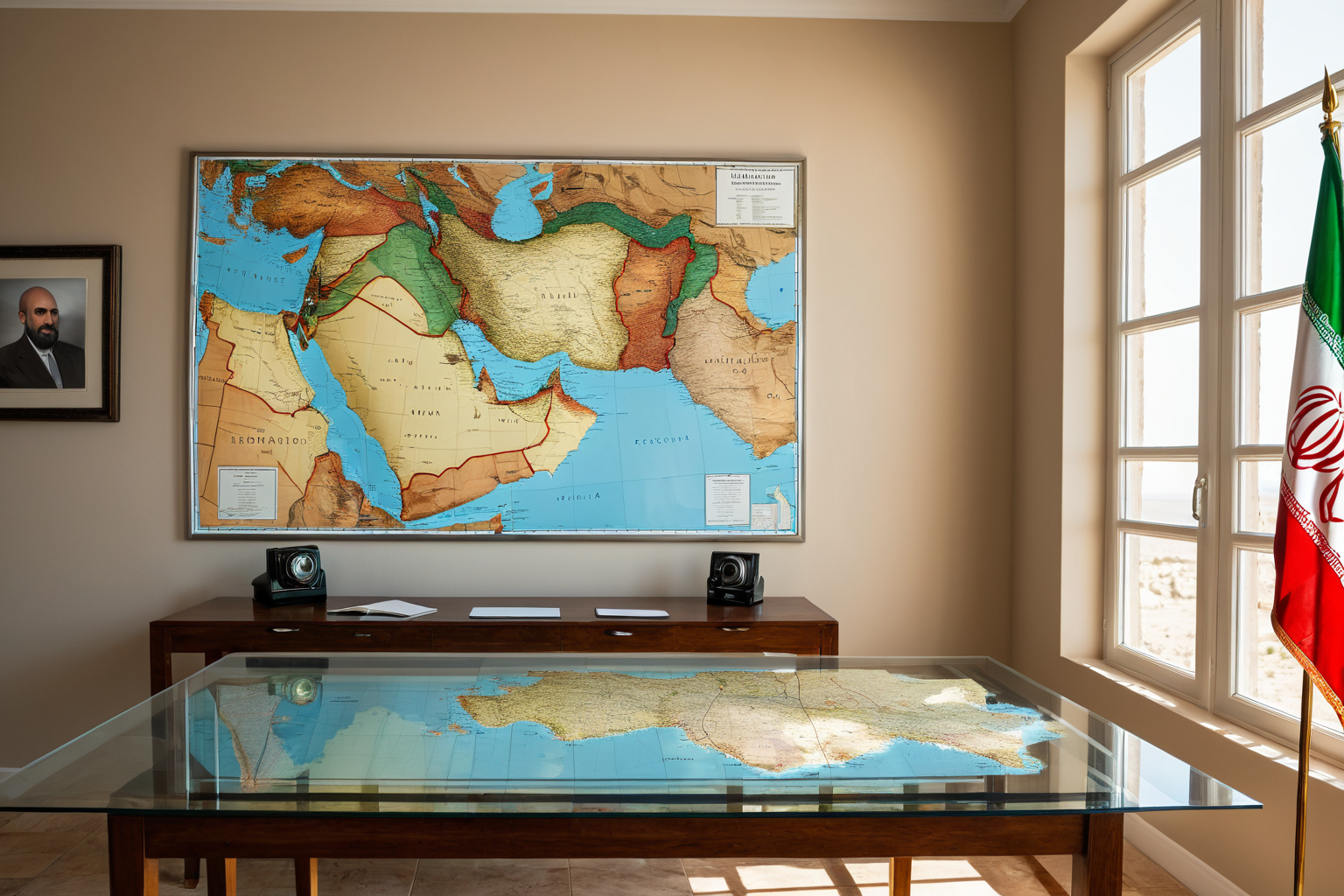
Trump's Claim to U.S. Territory in Hormuz Strait: Key Facts and International Reactions
Former President Trump stated he would declare the Hormuz Strait as U.S. territory on August 15, 2026, foreshadowing worsened relations with Iran. The announcement appears to follow the end of a 60-day negotiation period, and Iran has criticized it as 'baseless fantasy,' warning of destructive responses. Domestically, the move has sparked debate over its lack of international legal basis, coinciding with Trump's refusal to extend a military agreement (MOU) with Iran.
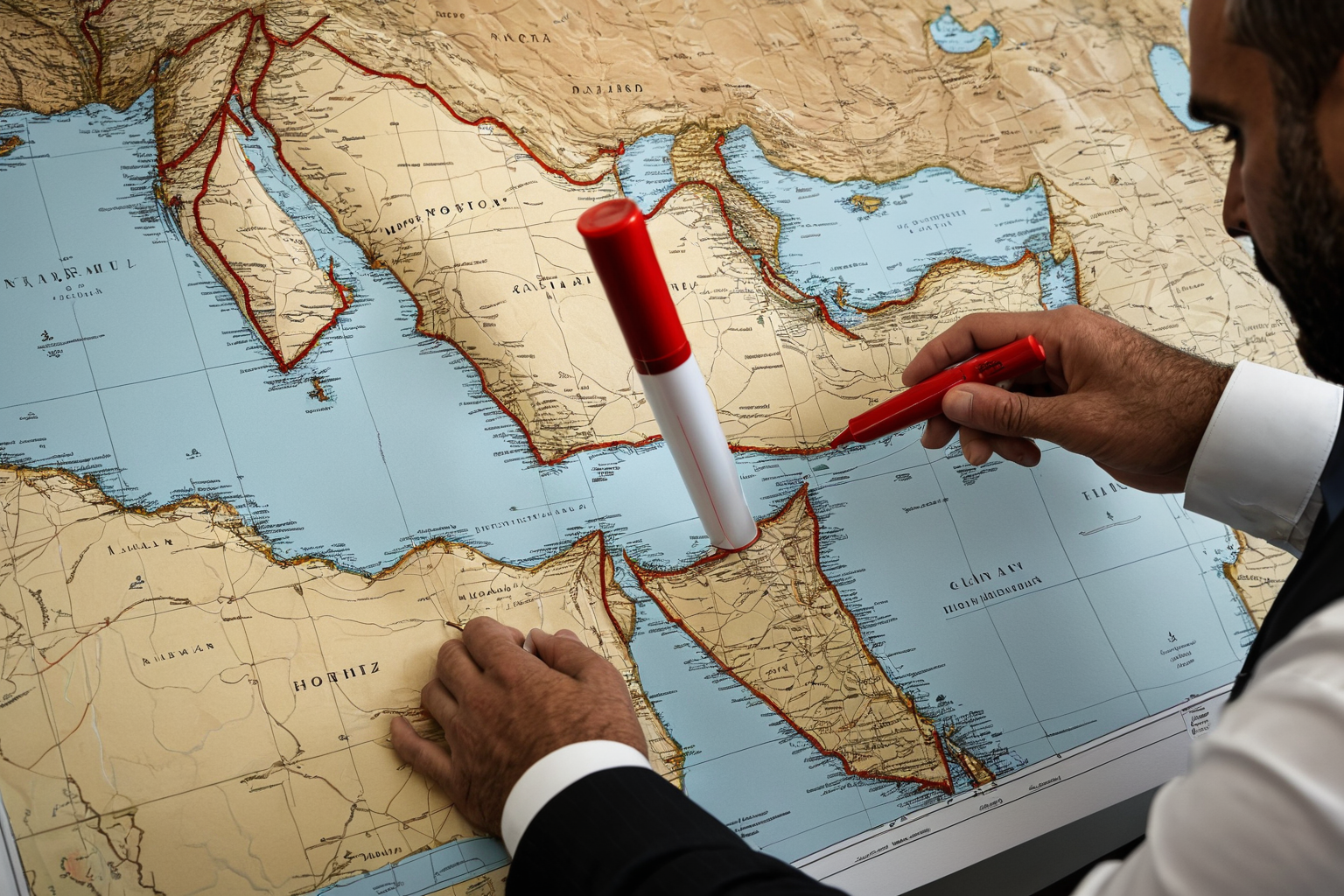
Trump's Declaration on Hormuz Strait Territory
President Trump officially announced plans to declare the Hormuz Strait as U.S. territory on August 15, 2026. The statement appears to have been made after the conclusion of a 60-day negotiation period with Iran, and multiple media outlets reported similar details. Trump shared a fabricated map showing the area as U.S. territory, which experts confirmed lacks international legal basis.
On August 18, Trump reiterated his claim using the fabricated map, stating he would declare the Hormuz Strait as U.S. territory. By August 22, he claimed it was already under U.S. control. The announcement has drawn criticism domestically for lacking legal foundation and sparked internal government dissent.
Iran's Strong Condemnation
Iran criticized Trump’s statement as a 'baseless fantasy,' warning of destructive responses. Iran’s foreign ministry stated the declaration violates international law and threatens regional stability, issuing strong condemnation on August 23. Iran has warned of further military measures if relations with the U.S. deteriorate, particularly regarding actions threatening maritime security around the Hormuz Strait.
This escalation could heighten geopolitical tensions in the Middle East, a region already facing significant instability.
Refusal to Extend Military Agreement and Legal Controversy
Trump announced his declaration following his refusal to extend a military agreement (MOU) with Iran. This marks a significant shift in U.S.-Iran relations, with some arguing that under international law, the U.S. cannot claim sovereignty over the Hormuz Strait. The lack of legal basis has fueled domestic debate within the U.S. government.
Internal discussions focused on finding alternatives to prevent worsening relations, though Trump expressed satisfaction with his stance, calling it a 'win.'
International Community Response
The international community has expressed concern that Trump’s declaration could heighten tensions in the Middle East. The UN has not issued an official statement but maintained a neutral position, urging dialogue. Other major countries emphasized the need for diplomatic efforts to prevent further deterioration of U.S.-Iran relations.
Asian nations, which rely on the stability of the Hormuz Strait for trade routes, are closely monitoring developments. The strait is critical for global trade and energy supplies, making its security a matter of international concern.
Context Behind Trump's Policy
The announcement appears to follow the end of a 60-day negotiation period with Iran, signaling a hardline stance consistent with Trump’s approach. It is seen as part of broader efforts to curb Iran’s nuclear program and limit its influence in the Middle East.
By refusing to extend the military agreement and declaring sovereignty over the Hormuz Strait, Trump aimed to increase pressure on Iran. However, experts warn this move could weaken U.S. diplomatic standing due to its lack of legal basis.
Domestic Debate and Response
U.S. domestic reaction has centered on the legality of Trump’s claim. Legal experts have stated that declaring sovereignty over the Hormuz Strait lacks international legal foundation, potentially destabilizing the region.
Congressional criticism emerged, with Democratic lawmakers arguing Trump's foreign policy risks worsening international relations. Some Republican members supported his hardline approach, highlighting internal divisions within U.S. politics.
Verified Information
The announcement that Trump would declare the Hormuz Strait as U.S. territory began on August 15, 2026, following a 60-day negotiation period. Iran dismissed it as 'baseless fantasy' and warned of destructive responses.
Trump’s government refused to extend the military agreement with Iran before making this declaration. However, no legal basis was provided for the claim, sparking domestic debate without concrete actions being announced yet.
Frequently Asked Questions
Does Trump's declaration of Hormuz Strait as U.S. territory have any legal basis?
No specific international legal basis has been provided for the claim, which appears to be a warning of deteriorating U.S.-Iran relations.
How has Iran responded?
Iran criticized Trump’s statement as 'baseless fantasy,' stating it violates international law and threatens regional stability. The Iranian government issued strong condemnation on August 23, warning of destructive responses.
What domestic debate has occurred in the U.S.?
The announcement sparked legal debates over its lack of international foundation. Domestically, opinions are divided between those supporting Trump’s hardline stance and critics concerned about worsening global relations.
You can find similar articles on this topic in one place.
View Related ArticlesFAQ
Does Trump's declaration of Hormuz Strait as U.S. territory have any legal basis?
No specific international legal basis has been provided for the claim, which appears to be a warning of deteriorating U.S.-Iran relations.
How has Iran responded?
Iran criticized Trump’s statement as 'baseless fantasy,' stating it violates international law and threatens regional stability. The Iranian government issued strong condemnation on August 23, warning of destructive responses.
What domestic debate has occurred in the U.S.?
The announcement sparked legal debates over its lack of international foundation. Domestically, opinions are divided between those supporting Trump’s hardline stance and critics concerned about worsening global relations.
Korean Source
This article is an English localization of a Korean-language report from BlogScore. Original: 트럼프 미 영토 선언, 미국 내 논란과 국제 반응