
Trump Administration's Iran Blockade Sparks Middle East Tensions
Trump Administration's Iran Blockade Policy and Middle East Tensions
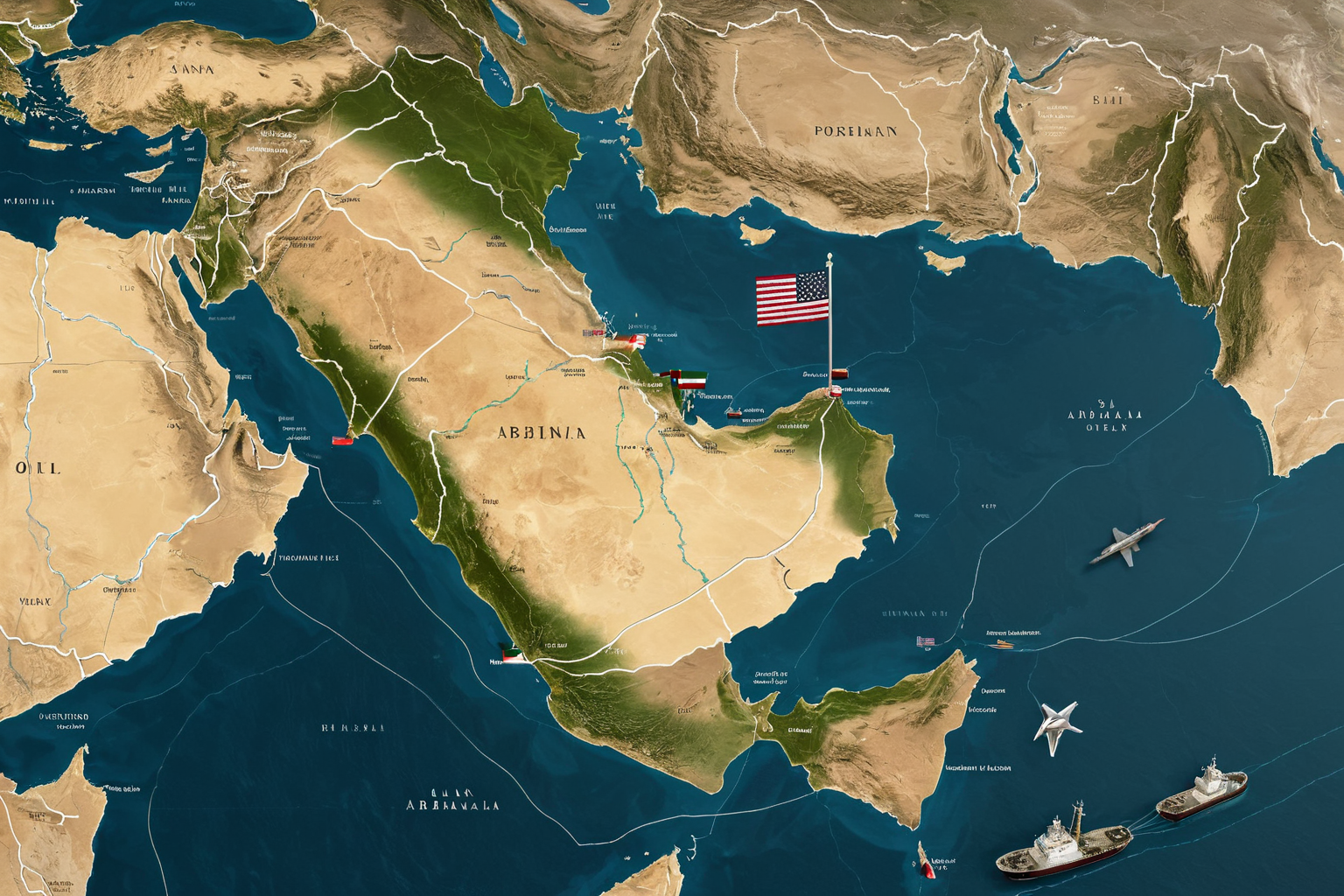
The Trump administration has intensified its maritime blockade against Iran, escalating tensions in the Middle East. The U.S. has taken measures to restrict Iran's maritime activities centered around the Strait of Hormuz, while Iran has threatened attacks on U.S. military bases and vowed to counter the blockade.
In this context, the Houthi armed forces have strengthened their blockade in the Red Sea, further expanding Middle East tensions. With rising global oil prices expected to prolong the era of high inflation, potential impacts on the global economy are being anticipated.
Trump Administration's Iran Blockade Policy and Agreement
On June 12, 2026, President Trump announced the cancellation of a planned airstrike against Iran and approved a high-level agreement. This resulted in the maintenance of the maritime blockade but an agreement regarding the opening of the Strait of Hormuz.
Previously, the U.S. had continued airstrikes against Iran while strengthening the blockade of the Strait of Hormuz, with Iran threatening attacks on U.S. military bases and vowing to continue blocking the strait. On April 14, 2026, tensions escalated due to a 'counter-blockade' by U.S. forces, raising the possibility of a second round of negotiations.
On July 14, 2026, after announcing a blockade against Iran, President Trump made strong statements alleging that Iran attempted an attack on a U.S. military base in Kuwait. Subsequently, on July 21, reports emerged of 'the tenth consecutive day of U.S. airstrikes on Iran' and Iran's 'declaration of all-out war.'
Rising Middle East Tensions and Increasing Global Oil Prices
The Trump administration's blockade policy against Iran has heightened tensions in the Middle East, leading to rising global oil prices. On April 20, 2026, President Trump claimed that Iran's vessels attempting to breach the U.S. blockade had been 'pierced,' escalating negotiation tensions to a peak.
Iran is preparing for U.S. economic pressure, with both China and South Korea monitoring the situation closely. On August 20, 2026, the Trump administration declared what it called the 'largest financial offensive in history' and the 'strongest economic operation' against Iran.
The Trump administration's declaration of an 'economic war' against Iran ahead of Chinese President Xi Jinping's visit to the U.S. reportedly exacerbated U.S.-China tensions. On August 25, 2026, it was reported that Iran was preparing for what the U.S. described as its 'largest financial offensive in history.'
Trump Administration's Economic Pressure Strategy
The Trump administration implemented a maritime blockade to intensify economic pressure on Iran, deepening tensions across the Middle East. On July 15, 2026, the U.S. began its maritime blockade against Iran.
It appears President Trump may have ordered an attack on Iran after receiving assassination intelligence. Iran has hinted at the possibility of re-imposing a blockade on the Strait of Hormuz, with ongoing negotiations between the U.S. and Iran reportedly underway.
The Trump administration's blockade against Iran is analyzed as having intended to leverage China's influence in Iran. China has been strengthening its relationship with Iran to counter U.S. economic pressure.
China and South Korea Monitoring the Situation
China and South Korea are closely monitoring the escalation of Middle East tensions due to the Trump administration's blockade policy against Iran. On August 24, 2026, President Trump reported on Iran's 'economic D-day' declaration and South Korea's situation within China's sphere of influence.
China is strengthening its cooperation with Iran to counter U.S. economic pressure, while South Korea is closely watching the economic impacts related to rising global oil prices caused by heightened Middle East tensions.
By August 28, 2026, six months after the 'Iran War' began, reports indicated that global security and economies were destabilized, casting a shadow over the Korean Peninsula as well. This reflects the long-term impacts of rising Middle East tensions.
Trump Administration's Hardline Statements and Market Reactions
Hardline statements by Trump have reignited Middle East tensions, with U.S. semiconductor stocks breaking through 10,000 for the first time on April 24, 2026. This reflects market anxiety over the Trump administration's tough policies.
Trump stated that 'gas prices must be endured' as he vowed to continue blocking Iran in the Strait of Hormuz. On August 16, 2026, Iran declared it would 'continue the Strait of Hormuz blockade.'
Ongoing economic pressure from the Trump administration has led to sustained increases in global oil prices, with a prolonged era of high inflation expected. On August 16, 2026, Iran reiterated its declaration to 'continue the Strait of Hormuz blockade.'
Trump Administration's Iran Blockade Policy and Negotiation Process
On June 12, 2026, President Trump announced the cancellation of a planned airstrike against Iran and approved a high-level agreement. This resulted in the maintenance of the maritime blockade but an agreement regarding the opening of the Strait of Hormuz.
Previously, the U.S. had continued airstrikes against Iran while strengthening the blockade of the Strait of Hormuz, with Iran threatening attacks on U.S. military bases and vowing to continue blocking the strait. On April 14, 2026, tensions escalated due to a 'counter-blockade' by U.S. forces, raising the possibility of a second round of negotiations.
On July 14, 2026, after announcing a blockade against Iran, President Trump made strong statements alleging that Iran attempted an attack on a U.S. military base in Kuwait. Subsequently, on July 21, reports emerged of 'the tenth consecutive day of U.S. airstrikes on Iran' and Iran's 'declaration of all-out war.'
Rising Middle East Tensions and Increasing Global Oil Prices
The Trump administration's blockade policy against Iran has heightened tensions in the Middle East, leading to rising global oil prices. On April 20, 2026, President Trump claimed that Iran's vessels attempting to breach the U.S. blockade had been 'pierced,' escalating negotiation tensions to a peak.
Iran is preparing for U.S. economic pressure, with both China and South Korea monitoring the situation closely. On August 20, 2026, the Trump administration declared what it called the 'largest financial offensive in history' and the 'strongest economic operation' against Iran.
The Trump administration's declaration of an 'economic war' against Iran ahead of Chinese President Xi Jinping's visit to the U.S. reportedly exacerbated U.S.-China tensions. On August 25, 2026, it was reported that Iran was preparing for what the U.S. described as its 'largest financial offensive in history.'
Trump Administration's Economic Pressure Strategy
The Trump administration implemented a maritime blockade to intensify economic pressure on Iran, deepening tensions across the Middle East. On July 15, 2026, the U.S. began its maritime blockade against Iran.
It appears President Trump may have ordered an attack on Iran after receiving assassination intelligence. Iran has hinted at the possibility of re-imposing a blockade on the Strait of Hormuz, with ongoing negotiations between the U.S. and Iran reportedly underway.
The Trump administration's blockade against Iran is analyzed as having intended to leverage China's influence in Iran. China has been strengthening its relationship with Iran to counter U.S. economic pressure.
China and South Korea Monitoring the Situation
China and South Korea are closely monitoring the escalation of Middle East tensions due to the Trump administration's blockade policy against Iran. On August 24, 2026, President Trump reported on Iran's 'economic D-day' declaration and South Korea's situation within China's sphere of influence.
China is strengthening its cooperation with Iran to counter U.S. economic pressure, while South Korea is closely watching the economic impacts related to rising global oil prices caused by heightened Middle East tensions.
By August 28, 2026, six months after the 'Iran War' began, reports indicated that global security and economies were destabilized, casting a shadow over the Korean Peninsula as well. This reflects the long-term impacts of rising Middle East tensions.
Trump Administration's Hardline Statements and Market Reactions
Hardline statements by Trump have reignited Middle East tensions, with U.S. semiconductor stocks breaking through 10,000 for the first time on April 24, 2026. This reflects market anxiety over the Trump administration's tough policies.
Trump stated that 'gas prices must be endured' as he vowed to continue blocking Iran in the Strait of Hormuz. On August 16, 2026, Iran declared it would 'continue the Strait of Hormuz blockade.'
Ongoing economic pressure from the Trump administration has led to sustained increases in global oil prices, with a prolonged era of high inflation expected. On August 16, 2026, Iran reiterated its declaration to 'continue the Strait of Hormuz blockade.'
Verified Information
The latest reports related to the Trump administration's Iran blockade policy are based on information up to August 28, 2026. It has been reported that six months after the 'Iran War' began, global economy and security have been destabilized, with an agreement reached regarding the opening of the Strait of Hormuz.
The Trump administration canceled a planned airstrike against Iran and approved a high-level agreement but maintained its maritime blockade. This has signaled some easing of Middle East tensions, though uncertainty remains due to Iran's continued declaration of blocking the Strait of Hormuz.
China and South Korea are monitoring the situation closely, with China strengthening cooperation with Iran to counter U.S. economic pressure. The potential for a prolonged era of high inflation due to rising oil prices continues to be a concern.
Frequently Asked Questions
Why did the Trump administration intensify the blockade against Iran?
The Trump administration intensified its maritime blockade against Iran to restrict Iran's maritime activities and escalate Middle East tensions. This is part of the U.S.'s economic pressure strategy, analyzed as having intended to hinder China's growing influence in Iran.
How is Iran responding to U.S. economic pressure?
Iran has declared it will continue blocking the Strait of Hormuz while threatening attacks on U.S. military bases. It has also been preparing for what the U.S. describes as its 'largest financial offensive in history.' Iran is cooperating with China to counter U.S. economic pressure.
What impact do Middle East tensions have on global oil prices?
The Trump administration's blockade policy against Iran has heightened Middle East tensions, leading to rising global oil prices. This has led to expectations of a prolonged era of high inflation and potential impacts on the global economy.
FAQ
Why did the Trump administration intensify the blockade against Iran?
The Trump administration intensified its maritime blockade against Iran to restrict Iran's maritime activities and escalate Middle East tensions. This is part of the U.S.'s economic pressure strategy, analyzed as having intended to hinder China's growing influence in Iran.
How is Iran responding to U.S. economic pressure?
Iran has declared it will continue blocking the Strait of Hormuz while threatening attacks on U.S. military bases. It has also been preparing for what the U.S. describes as its 'largest financial offensive in history.' Iran is cooperating with China to counter U.S. economic pressure.
What impact do Middle East tensions have on global oil prices?
The Trump administration's blockade policy against Iran has heightened Middle East tensions, leading to rising global oil prices. This has led to expectations of a prolonged era of high inflation and potential impacts on the global economy.
Korean Source
This article is an English localization of a Korean-language report from BlogScore. Original: 트럼프 정부의 이란 봉쇄로 인한 중동 지역 긴장 상황