
The True Meaning and Historical Background of Kamikaze Explained Simply
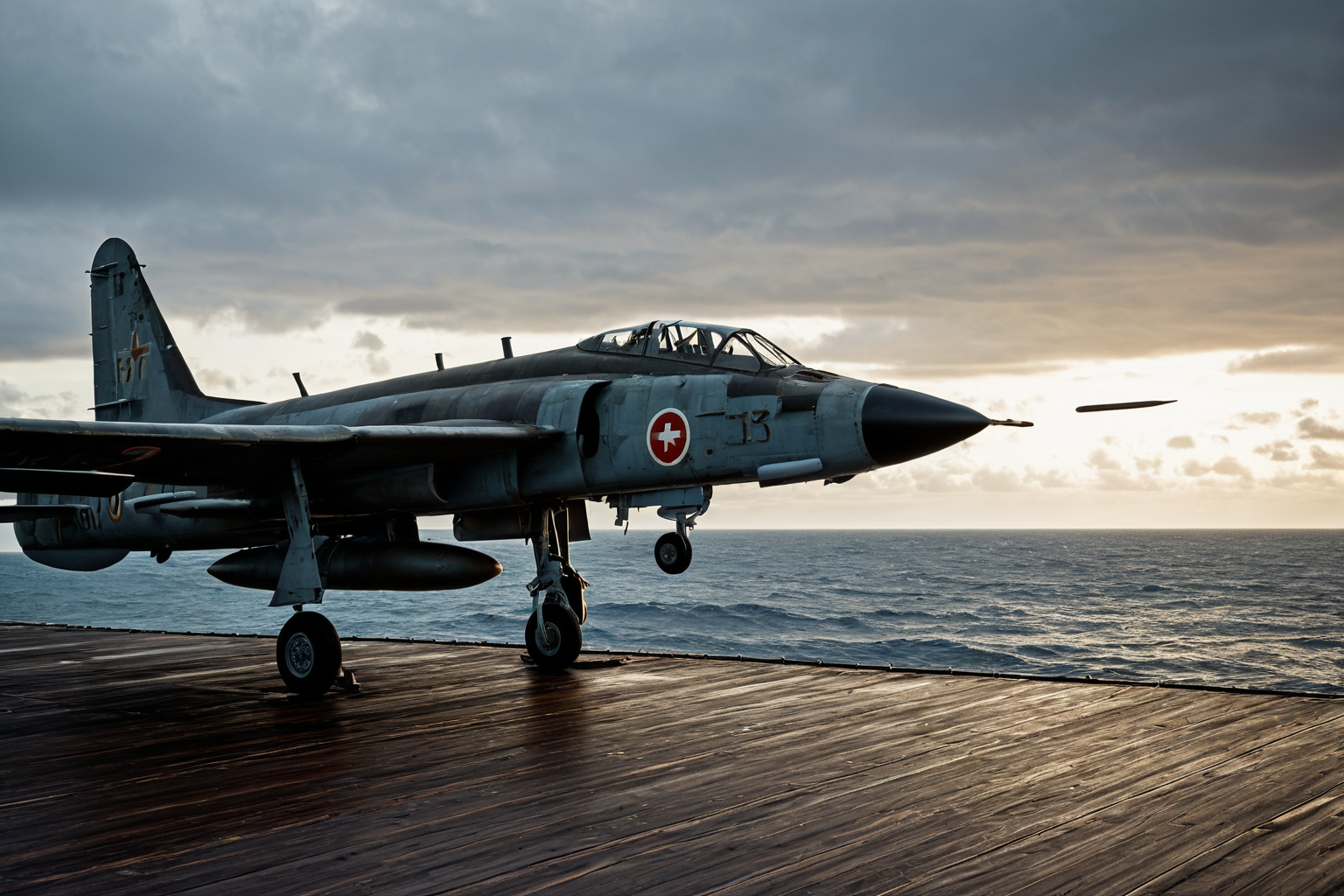
The True Meaning of Kamikaze
Kamikaze is a Japanese term meaning 'divine wind' or 'divine sacrifice.' It became historically known when the Imperial Japanese Navy organized suicide air attacks during World War II.
Historical Background of Kamikaze
The word 'kamikaze,' meaning 'divine wind' in Japanese, originally had religious connotations. It originated from Shinto beliefs that gods travel by wind, and was commonly used in religious ceremonies and festivals.
During World War II in the 1940s, the Imperial Japanese military organized suicide air attacks under the name 'kamikaze.' This tactic involved crashing planes into enemy ships or bases to destroy them, with special attack pilots risking their lives in these missions.
Koreans and Kamikaze
Historical records indicate that 16 Koreans participated in the kamikaze special attack units. According to a 2017 report by Jilssoul, Korean-origin pilots were incorporated into the Japanese military and carried out kamikaze missions.
The Imperial Japanese Army recruited soldiers from Korea and other Asian regions during its colonial rule, often through forced conscription or pressure. Some of those who joined the kamikaze special attack units were of Korean descent.
Modern Controversy Over Kamikaze Commercialization
Today, 'kamikaze' is used in Japan as a name for fashion items and souvenirs. Some online stores sell products featuring the Rising Sun Flag alongside 'kamikaze,' with many Japanese people unaware of the term's true meaning.
A May 2025 Yonhap News report states that 'kamikaze' trademarks are still being used worldwide, sparking controversy related to historical facts. Some groups criticize these items as glorifying war criminals and demand proper recognition of history.
Kamikaze and Historical Facts
The kamikaze tactic was employed by the Imperial Japanese military during World War II in the Pacific Theater, aiming to destroy enemy naval forces through suicide air attacks. This was organized under the Japanese government's emphasis on 'divine sacrifice' for citizens.
While 'kamikaze' literally means 'divine wind' in Japanese and originated from religious context, historically it has become a symbol of wartime violence. Its use remains sensitive to this day.
Kamikaze in Modern Culture
In modern media, kamikaze is sometimes used metaphorically to describe suicide drones or risky behavior. However, this usage often diverges completely from the historical context.
An April 2019 play titled 'Kamikaze Arirang' was performed, addressing the fact that Koreans participated in kamikaze missions. This serves as an example of re-examining historical facts.
Kamikaze and War Criminal Memorabilia
In Japan, products featuring 'kamikaze' alongside the Rising Sun Flag are sold, criticized for glorifying wartime violence. Some international online stores also trade these items, causing controversy due to lack of historical awareness.
A May 2025 report notes that kamikaze merchandise is still being sold globally, with growing calls for proper historical recognition. This reflects a contemporary need for reflection on war and violence.
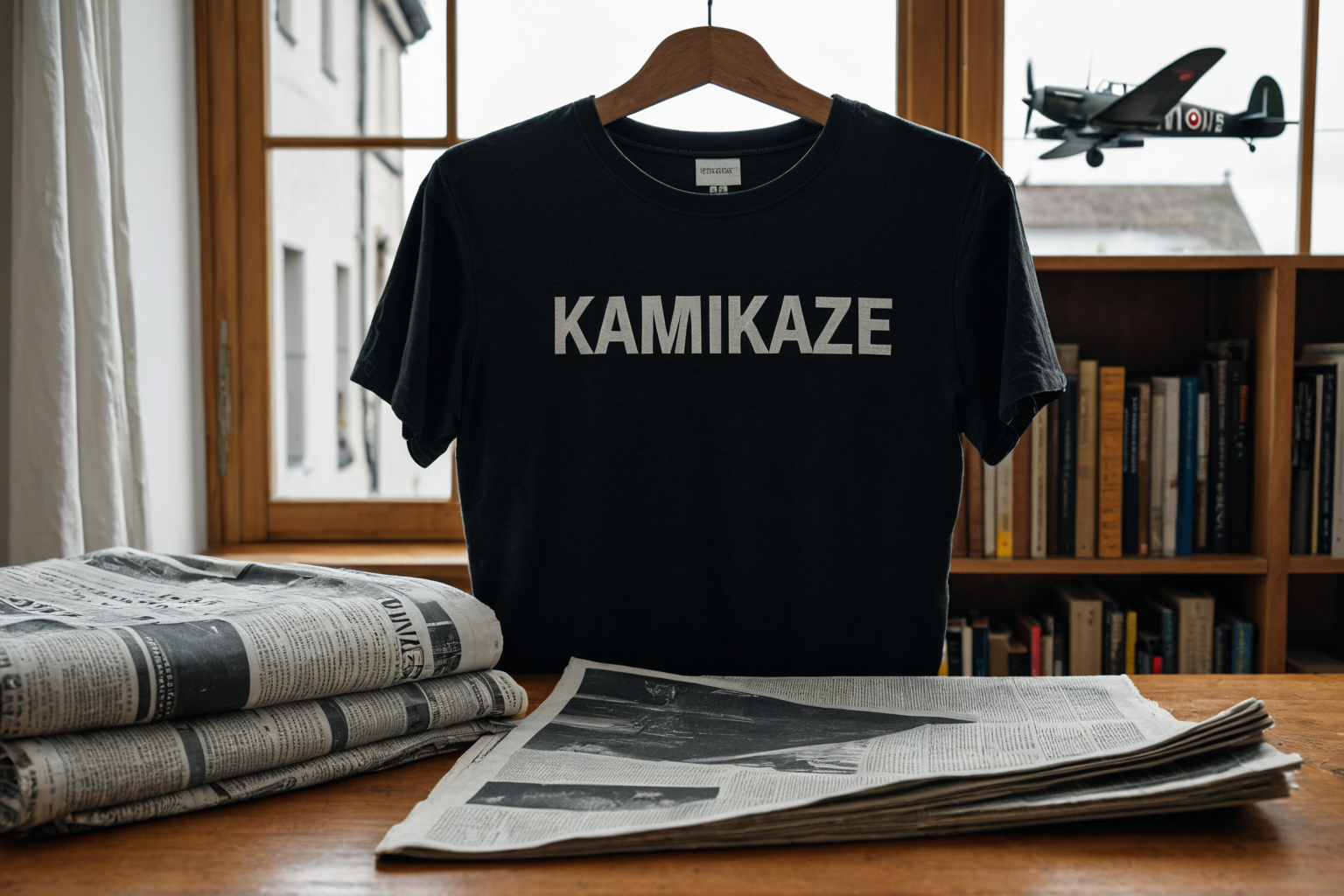
The Correct Meaning of Kamikaze
Kamikaze is a Japanese term meaning 'divine wind' or 'divine sacrifice.' It became historically known when the Imperial Japanese Navy organized suicide air attacks during World War II.
Originally derived from Shinto beliefs that gods travel by wind, used in religious ceremonies and festivals. However, during the 1940s war, the Imperial Japanese military adopted 'kamikaze' for their suicide air attack units.
Korean Participation in Kamikaze
According to a 2017 Jilssoul report, 16 Koreans participated in kamikaze special attack units. This is believed to have occurred under forced conscription or pressure from the Japanese military.
The Imperial Japanese Army recruited soldiers from Korea and other Asian regions during its colonial rule, with some joining the kamikaze special attack units for suicide air missions.
Controversy Over Kamikaze Commercialization
Currently in Japan, 'kamikaze' is used as a name for fashion items and souvenirs. Some online stores sell products featuring the Rising Sun Flag alongside 'kamikaze,' which critics argue glorifies war criminals.
A May 2025 Yonhap News report states that 'kamikaze' trademarks are still used worldwide, with increasing calls to correct historical understanding. This reflects a contemporary need for reflection on the violence of war.
Kamikaze and Historical Awareness
The use of the term 'kamikaze' began with religious meaning but historically became symbolic of wartime violence. When using this term today, it's important to consider its historical context.
Some Japanese government entities and companies promote kamikaze as part of 'tradition' or 'historical heritage,' but doing so risks glorifying the violence of war. Accurate recognition and reflection on historical facts is crucial.
Kamikaze FAQs
Does 'kamikaze' literally mean 'divine wind'?
Yes, kamikaze means 'divine wind' or 'divine sacrifice' in Japanese. Originally a religious term, it became historically associated with the suicide air attack units during World War II.
Did Koreans participate in kamikaze missions?
Yes, historical records confirm that 16 Koreans participated in kamikaze special attack units. This is believed to have occurred under forced conscription or pressure from the Japanese military.
Is 'kamikaze' merchandise still being sold today?
Yes, in Japan and some international online stores, 'kamikaze' items are sold alongside the Rising Sun Flag as fashion accessories or souvenirs. This practice is criticized for glorifying war criminals due to a lack of historical awareness.
Frequently Asked Questions
Kamikaze is a Japanese term meaning 'divine wind' or 'divine sacrifice.' Originally rooted in religious context, it became historically associated with the suicide air attack units during World War II.
Historical records indicate 16 Koreans participated in kamikaze special attack units, likely under forced conscription by the Japanese military. Today, 'kamikaze' is used as a name for fashion items, criticized for glorifying wartime violence.
Accurate historical recognition and reflection are important. While kamikaze originated from religious meaning, historically it has become symbolic of wartime violence. Proper understanding and reflection on this term's history are necessary.
You can view all articles related to this topic in one place.
View Related ArticlesFAQ
Does 'kamikaze' literally mean 'divine wind'?
Yes, kamikaze means 'divine wind' or 'divine sacrifice' in Japanese. Originally a religious term, it became historically associated with the suicide air attack units during World War II.
Did Koreans participate in kamikaze missions?
Yes, historical records confirm that 16 Koreans participated in kamikaze special attack units. This is believed to have occurred under forced conscription or pressure from the Japanese military.
Is 'kamikaze' merchandise still being sold today?
Yes, in Japan and some international online stores, 'kamikaze' items are sold alongside the Rising Sun Flag as fashion accessories or souvenirs. This practice is criticized for glorifying war criminals due to a lack of historical awareness.
Korean Source
This article is an English localization of a Korean-language report from BlogScore. Original: 카미카제의 진짜 뜻과 역사적 배경, 이해하기 쉬운 설명