
Tracing Historical Figures Through Clan Origins: A Guide to Identifying Pro-Japanese Collaborators
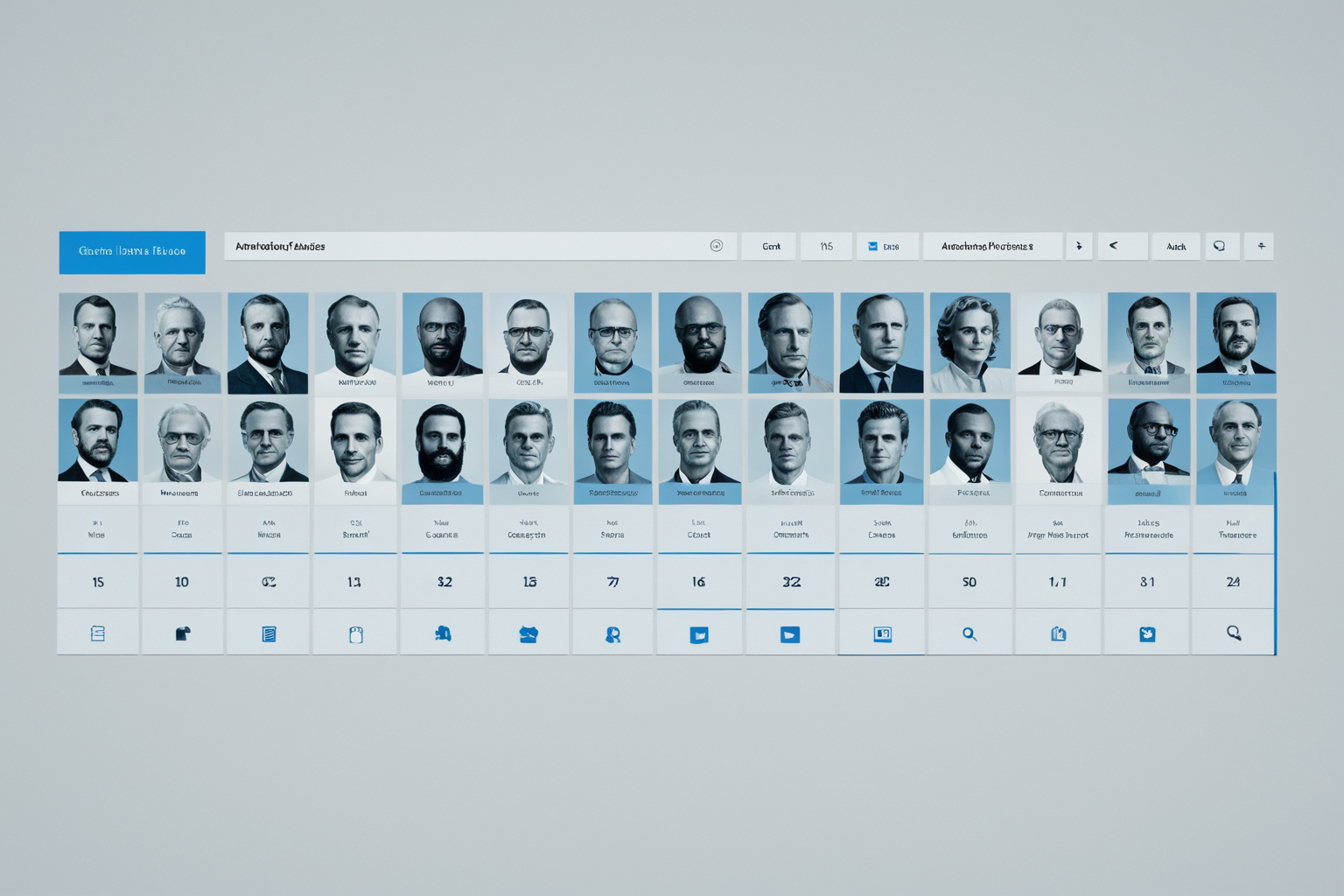
A 'Pro-Japanese Collaborator Scanner' service, which allows users to check if their ancestors were pro-Japanese collaborators by entering clan origin information, has become a social phenomenon since early August 2026. The trend began after controversy arose over an actress's great-great-grandfather being identified as a collaborator. Media coverage of the service started on August 16, 2026, with many people using it to investigate their family history.
Background of the Pro-Japanese Collaborator Scanner Service
The service emerged following controversy on August 16, 2026, when a famous actress's great-great-grandfather was identified as a pro-Japanese collaborator. The service allows users to enter their surname and clan origin (bon-gwan) to access historical information about related figures. On August 17, 2026, Yonhap News TV and Seattle News began reporting on the service.
Daily News and Maeil Business Newspaper published an article titled 'Enter Surname and Clan Origin, See Independence Heroes and Pro-Japanese Figures at a Glance... 'Pro-Japanese Collaborator Scanner' Becomes Trending Topic' on August 17. This coverage reflected public interest sparked by the actress's family controversy, with many people using the service to check if their ancestors were collaborators.
Social Trend Following National Liberation Day
The 'family history search' trend began around August 15, 2026, Korea's National Liberation Day. This trend is directly connected to the actress's family controversy, with many people seeking to determine if their families included collaborators or independence activists. From August 17 to 23, 2026, articles titled 'Is Our Family Descended from Collaborators?' reported on an unexpected surge in interest in tracing family roots.
Korean Economic Daily and Naewae News covered the service further on August 18. Korean Economic Daily emphasized its social significance in an article titled 'Should Be Called Traitors... 'Family Search' Trend Following Actress's Great-Great-Grandfather Controversy,' noting that the service had become more than just a tool for information retrieval—it was prompting people to re-examine their historical identity and family values.
From August 17 to 23, major media outlets including Daily News, Maeil Business Newspaper, and Korean Economic Daily concentrated on reporting about the 'Pro-Japanese Collaborator Scanner.' This coverage reflected how public interest in the actress's family controversy had driven widespread engagement with the service as people sought to connect their ancestors with historical events.
Service Usage and Response Measures
User numbers for the 'Pro-Japanese Collaborator Scanner' began rising sharply from August 17, 2026. The service provides information about historical figures related to a user's surname and clan origin, allowing people to quickly see if they were independence heroes or collaborators. By August 18, the service had garnered significant media attention.
Users entered their surname and clan origin to check if their ancestors were collaborators, with many gaining new insights into their family history. Some users expressed happiness upon discovering they were descendants of independence activists, while others were shocked to learn their ancestors had collaborated with Japan.
From August 17 onward, media outlets emphasized the social significance of the service, noting it was more than just an information tool—it was prompting people to re-examine historical identity. The National Liberation Day in particular encouraged many to connect their family history with historical events.
Factual Verification and Reliability Assurance
The information provided by the 'Pro-Japanese Collaborator Scanner' is based on official records and historical materials. The service allows users to enter their surname and clan origin to verify a related figure's historical background. Media coverage from August 17 onward highlighted the service's reliability.
However, some users expressed concerns that the service goes beyond providing information by making judgments about ancestors' historical roles. Some worried that learning an ancestor was a collaborator could make family discussions difficult.
From August 17 to 23, media outlets reported on the service's reliability and limitations, aiming to help users interpret information correctly and understand their ancestors' historical roles objectively.
User Reactions and Social Significance
The 'Pro-Japanese Collaborator Scanner' provided many users with new perspectives. Some expressed pride upon learning their ancestors were independence activists, while others shared personal emotions after discovering collaborators in their family line.
From August 17 onward, social discussions intensified as people connected their families to historical events, deepening their understanding of their ancestors. Particularly around National Liberation Day, the 'family history search' trend spread widely, with many participating in re-examining their ancestors' roles.
From August 17 to 23, media outlets reported on user reactions, emphasizing that the service had become more than just an information tool—it was acting as a catalyst for social dialogue about family history and historical identity.
Frequently Asked Questions
What information does the 'Pro-Japanese Collaborator Scanner' provide when entering surname and clan origin?
Entering your surname and clan origin provides information about related historical figures, particularly whether they were independence activists or collaborators. This is based on official records and historical materials.
Can the 'Pro-Japanese Collaborator Scanner' be used only as an information tool?
No. The service helps users objectively understand their ancestors' historical roles and serves as a catalyst for family discussions and re-examining historical identity.
What should users be cautious about when using the 'Pro-Japanese Collaborator Scanner'?
Users should strive to objectively understand their ancestors' roles without emotional judgment. Information is based on official records, so it's recommended to approach it with an objective perspective rather than personal interpretation.
This article has covered the background of the 'Pro-Japanese Collaborator Scanner,' from its emergence following the actress's family controversy through its social significance around National Liberation Day in 2026. The service began as a result of controversy over an actress's great-great-grandfather and became a widespread phenomenon that encouraged many to connect their families with historical events.
You can view similar articles all at once.
View Related ArticlesFAQ
What information does the 'Pro-Japanese Collaborator Scanner' provide when entering surname and clan origin?
Entering your surname and clan origin provides information about related historical figures, particularly whether they were independence activists or collaborators. This is based on official records and historical materials.
Can the 'Pro-Japanese Collaborator Scanner' be used only as an information tool?
No. The service helps users objectively understand their ancestors' historical roles and serves as a catalyst for family discussions and re-examining historical identity.
What should users be cautious about when using the 'Pro-Japanese Collaborator Scanner'?
Users should strive to objectively understand their ancestors' roles without emotional judgment. Information is based on official records, so it's recommended to approach it with an objective perspective rather than personal interpretation.
Korean Source
This article is an English localization of a Korean-language report from BlogScore. Original: 본관으로 찾는 역사 인물 기록: 친일파 관련 정보 정리