
Three Key Factors Influencing Han River Belt Apartment Prices
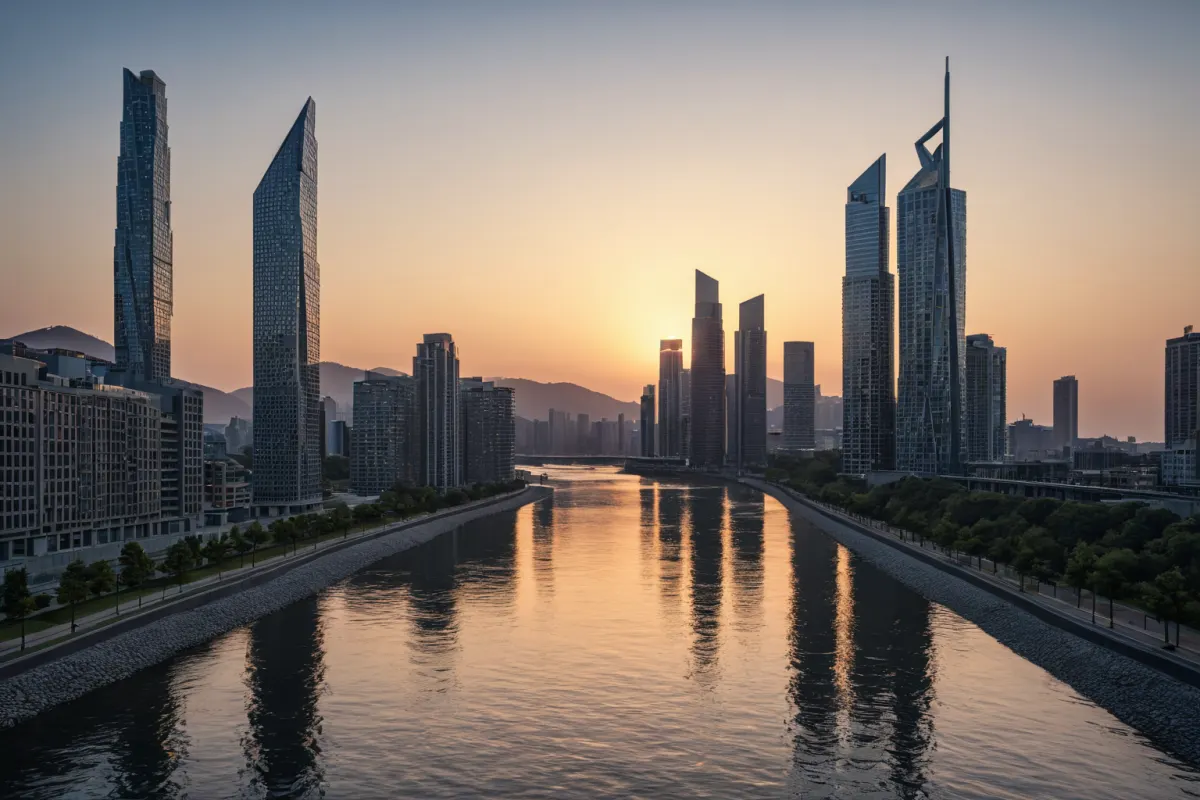
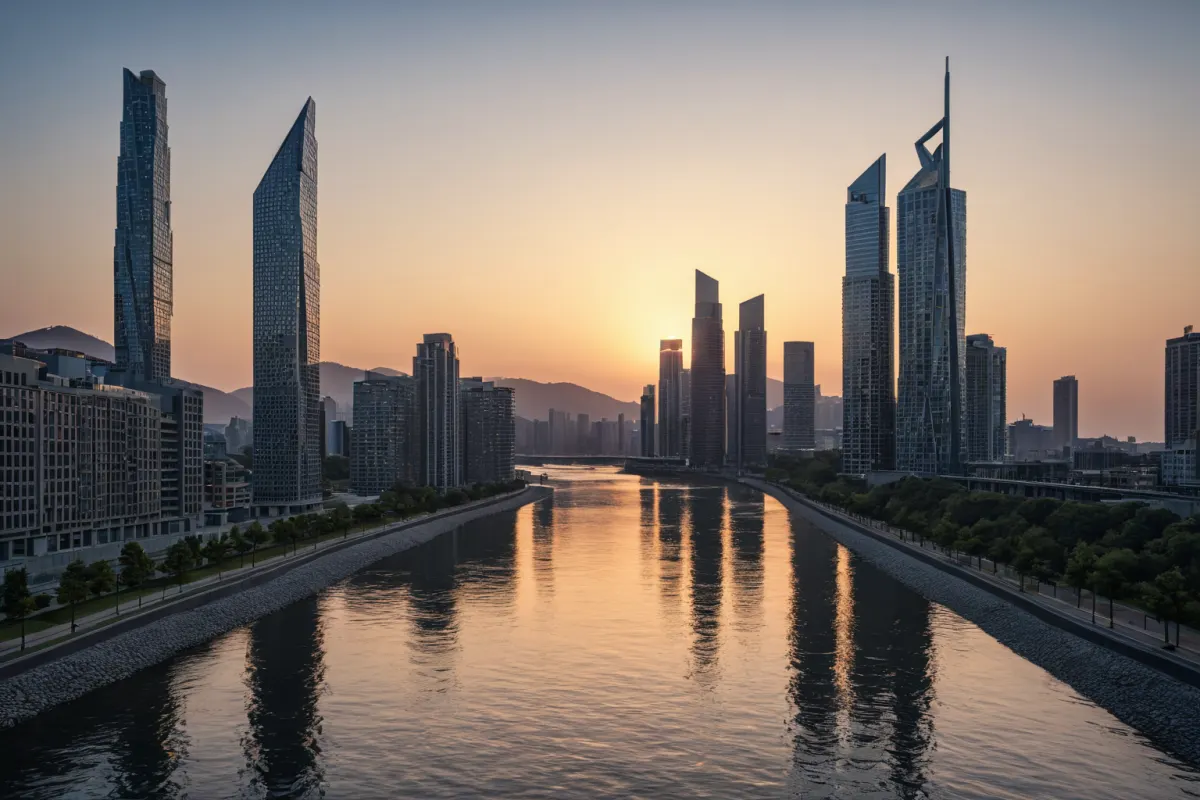
Prices for Han River Belt apartments don't move all at once. The three main factors working together are location desirability, interest rates and loan conditions, and regulations and supply expectations. That's why it's not just about 'having a view of the Han River'—even within the same Han River Belt area, prices can vary significantly between different developments.
When looking at recent market trends, what matters most isn't vague sentiment but actual transaction volumes, how well rental prices support the market, and how much new housing supply is expected to enter the market. Looking at these three factors together makes it easier to understand why certain developments are strong while others take a temporary pause.
Why Han River Belt Apartments Command Strong Prices
The main reason Han River Belt apartments consistently attract attention is their irreplaceable nature. These areas combine river views, urban accessibility, living infrastructure, and popular school districts—all in one location—making demand resilient to market fluctuations.
For example, within the same district, developments with Han River views, located near train stations, or with redevelopment potential often see overlapping buyer interest, leading to more stable price growth. Conversely, properties with poor maintenance or those far from transit hubs and not part of large-scale developments may rise at a slower pace even in the same area.
You can find more articles on similar topics all in one place.
View Related ArticlesHow Location Desirability Creates Price Differences
The first thing to look at in the Han River Belt is location scarcity. It's not just about being near the river on a map—what matters more is how easy it is to live with the river as part of your daily life, whether commute routes are convenient, and if surrounding commercial areas are well-established.
For instance, districts like Mapo, Yongsan, and Seongdong have strong work-residence proximity demand, leading to steady residential interest. Areas like Gwangjin or Gangdong, with clear living environments, tend to attract family-oriented buyers who provide stable demand. In these areas, prices often rise first on asking prices before transactions catch up, followed by market re-evaluation.
Another factor is the development's product quality. Even for similar-sized units, differences in building spacing, views, community facilities, and parking availability can significantly affect perceived value. In practice, it's not just about 'being near the Han River'—the direction of the view often has a more direct impact on price.

How Interest Rates and Loan Conditions Shift Buying Power
Han River Belt apartment prices are highly sensitive to interest rates. Lower rates reduce financing burdens, making it easier for both owner-occupiers and those looking to switch properties to move. Conversely, tighter loan conditions can slow transactions more significantly in higher-priced developments.
For example, buyers targeting apartments around 1.5 billion won may need to prepare a larger cash portion if available loan amounts decrease. This reduces the pool of immediate buyers, while sellers hesitate to lower prices easily—leading to reduced transaction volumes without an immediate price drop.
In such cases, prices don't typically collapse right away but instead enter a 'holding period' where transactions slow down. When financing pressures ease or loan conditions improve, pent-up demand can surge, causing prices to rebound quickly.
How Regulations and Supply Expectations Affect Market Prices
Han River Belt apartment prices are also sensitive to regulatory news. Announcements about land transaction permits, lending restrictions, or tax policies can immediately shake short-term trading sentiment. While regulations often reduce transaction volumes, they can sometimes emphasize scarcity in the long run.
Supply is equally important. Redevelopment projects and expected new housing supply can shift buyer psychology. If a large number of new units are anticipated to enter the market soon, immediate 'chase buying' may slow down. Conversely, if few new units are expected and alternative housing options are scarce, existing properties gain even greater scarcity value.
For example, in areas where many new constructions are expected, buyer preferences within similar price ranges can diverge. However, if buyers recognize that well-located existing developments remain rare despite new construction expectations, those older properties may not see significant price drops.
Key Factors to Check When Evaluating Han River Belt Prices
When assessing market trends, look beyond simple per-square-meter prices and consider transaction flows. High asking prices with no actual transactions indicate weak market response, while quickly sold low-priced units suggest active buyer interest.
- If recent sales have consistently increased in price
- If rental rates remain stable
- How many similar-sized units are still available
- Whether redevelopment or renovation expectations are reflected in prices
- If transaction volumes have slowed after loan regulations
For example, developments with strong rental markets often see lower 'gap' pressure between rent and purchase, supporting both owner-occupier and investment demand. Conversely, weaker rental markets can reduce the support for price growth, leading to slower market momentum.
Different Market Temperatures Across Regions
Even though areas are grouped under 'Han River Belt,' their characteristics vary significantly. Yongsan benefits from urban accessibility and development expectations, while Mapo attracts professionals with its convenience. Seongdong draws interest from both new construction and redevelopment projects, and Gwangjin is known for school districts and residential stability.
Within Seoul itself, some areas see sellers holding firm on prices, while others adjust asking prices to facilitate transactions. Ultimately, the market isn't just about 'the Han River'—it weighs transportation options, school districts, development size, future supply, and financing conditions together.
This is why it's important to look at actual transaction examples in the surrounding area rather than just a development name when evaluating prices. Even within the same neighborhood, differences in floor level, orientation, or building location can lead to price differences of several million won.
Practical Tips Before Buying
When first approaching the market, real-world conditions matter more than price listings. Don't rely solely on platforms like Naver Real Estate—also check recent transactions, rental inventory, surrounding move-in schedules, and school district demand.
For example, if you're considering a property swap, look at both your current home's transaction speed and the target home's market activity. If your home isn't selling well but the one you want is rising quickly, the financial burden can feel much greater. Conversely, when both properties are moving similarly, it's easier to make a move.
Another important point is managing unrealistic expectations. While Han River Belt areas tend to maintain long-term desirability, short-term adjustments due to interest rates and transaction volumes can prolong market corrections. Therefore, focus on whether current prices align with your financial situation rather than assuming prices will always rise.
The Core of Understanding Han River Belt Price Fluctuations
Ultimately, the three key factors influencing Han River Belt apartment price fluctuations are location desirability, interest rates and loan conditions, and regulatory and supply expectations. Considering these together clarifies why some developments remain strong while others experience temporary pauses.
In short, the Han River Belt market isn't driven by name alone—it's a market where scarcity and financing conditions are simultaneously reflected. That's why checking actual transactions, rental markets, and upcoming housing supply is the most important habit for buyers to develop.
FAQ
Q1: Will Han River Belt apartment prices continue to rise?
A: It's not certain they will keep rising. However, developments with strong location scarcity and stable demand tend to hold up better during market turbulence.
Q2: What exactly does 'Han River Belt' mean?
A: The term generally refers to popular residential areas in Seoul centered around the Han River. It's not an official administrative designation but a commonly used market expression.
Q3: What should I check before buying?
A: Recent transaction prices, rental rates, and surrounding new housing supply. Looking at these three factors together helps determine if prices are overheated or just taking a pause.
Keep in mind that regulations, tax policies, and loan conditions can vary by market, so always verify the latest information alongside actual transactions before making decisions.
Check out more articles on similar topics.
View Category ArticlesFAQ
Will Han River Belt apartment prices continue to rise?
It's not certain they will keep rising. However, developments with strong location scarcity and stable demand tend to hold up better during market turbulence.
What exactly does 'Han River Belt' mean?
The term generally refers to popular residential areas in Seoul centered around the Han River. It's not an official administrative designation but a commonly used market expression.
What should I check before buying?
Recent transaction prices, rental rates, and surrounding new housing supply. Looking at these three factors together helps determine if prices are overheated or just taking a pause.
Korean Source
This article is an English localization of a Korean-language report from BlogScore. Original: 한강 벨트 아파트 가격 변동 요인 3가지