
The True Meaning of Kamikaze and Its Role in Japanese History
The True Meaning of Kamikaze
Kamikaze is a Japanese term meaning 'divine wind' or 'godly breeze.' It became associated with the suicide attack squad used by the Imperial Japanese military during World War II.
In Japanese, 'kami' (神) means god, and 'kaze' (風) means wind. The phrase was interpreted as 'divine assistance,' but historically it was adopted by the Japanese military to refer to their special attack units.
Historical Context
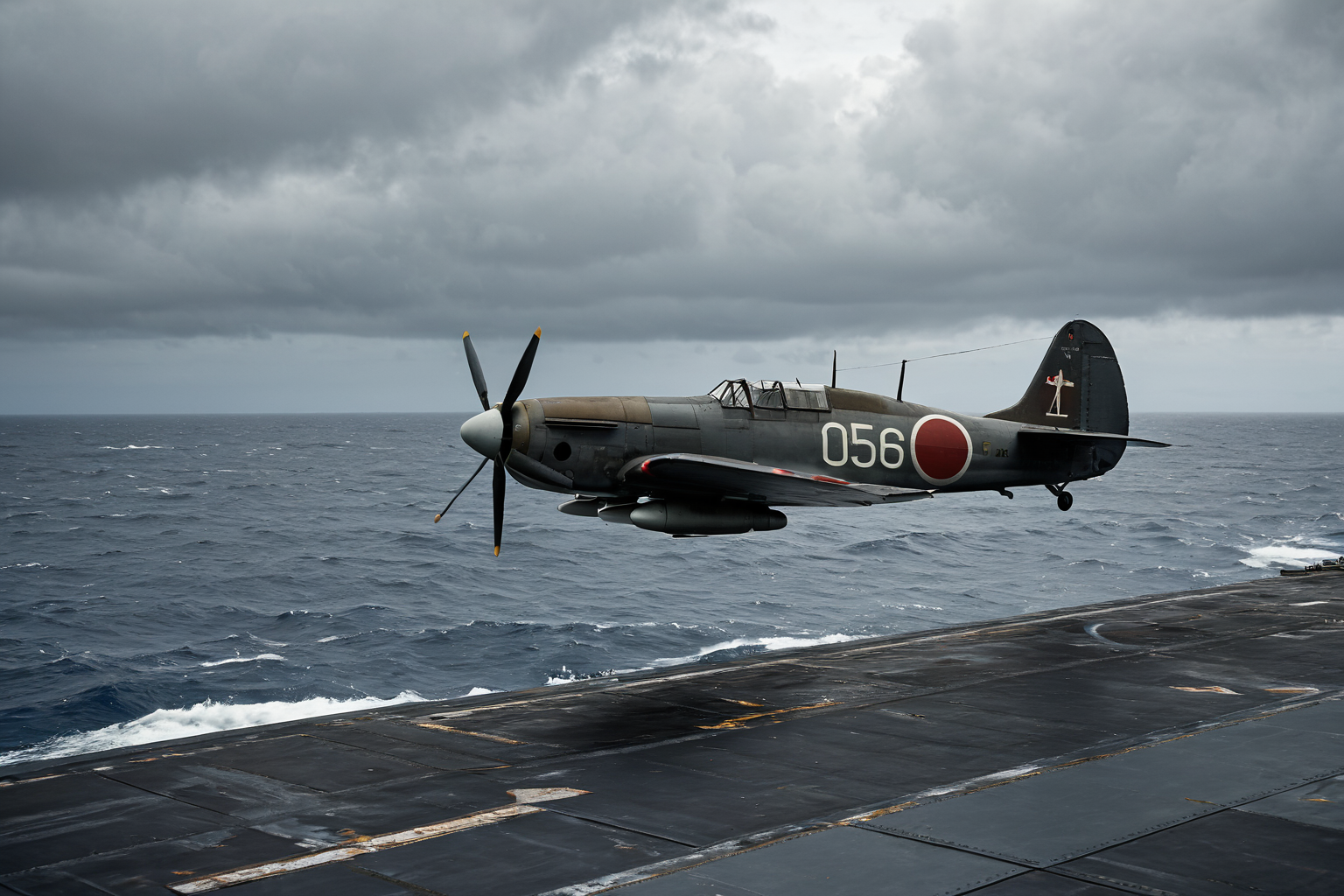
During World War II in the 1940s, when Japan faced defeat, they formed suicide attack squadrons. These units flew planes loaded with bombs to crash into enemy aircraft carriers and ships.
The term 'kamikaze' originated from the phrase 'divine wind,' which Japan used to describe their strategy of destroying enemy targets. This was a special operation employed by the Imperial Japanese Navy, deployed in actual combat during the war.
Especially during the Pacific War in the 1940s, kamikaze squadrons were active and seen as Japan's last resort. However, it has also come to symbolize aggressive wartime actions that many now view critically.
Modern Misuse
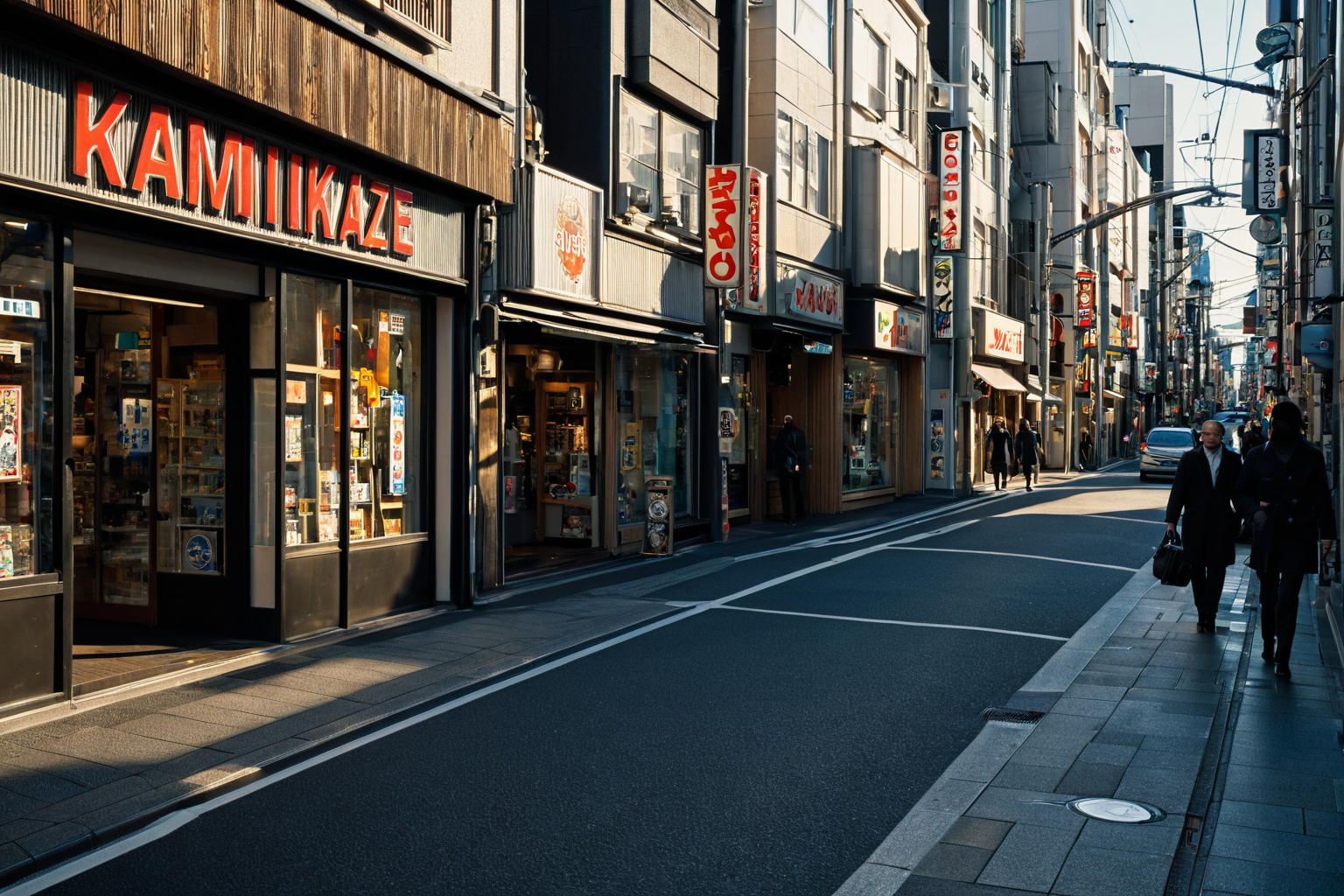
Even today, 'kamikaze' is used in Japan for products and business names. In Tokyo, items like stickers and clothing with the kamikaze theme are sold, and some Japanese people may not fully understand its historical meaning.
Some Japanese businesses treat 'kamikaze' as a traditional symbol, but this commercialization distorts history, especially since it relates to an aggressive war. Recent controversies include a TV drama about kamikaze operations that sparked debates over glorifying war. Telegram even banned the use of 'kamikaze' emojis due to negative connotations.
Reports on Korean Kamikaze Units
Somewhat reported, some Koreans were said to have been part of the kamikaze units. However, this information is only moderately reliable and requires further verification.
A report mentioned 16 Koreans being included in the kamikaze squadrons, but it's likely that Japan’s navy formed a mixed group including Koreans. Since sources are unclear, no firm conclusion can be drawn.
These claims appear mainly in media reports and lack clear historical records, so they should be treated as ongoing investigations.
How Kamikaze Units Operated
Kamikaze units flew bomb-laden planes to directly crash into enemy aircraft carriers and ships. This was a last-ditch tactic used by Japan during defeat, resulting in many casualties.
During the Pacific War, kamikaze squadrons were primarily active and helped Japan achieve strategic goals, though they are now viewed as symbols of aggressive wartime actions. Modern society should be cautious about historical distortion related to this term.
The Imperial Japanese military's kamikaze operations sparked global controversy, especially among countries like South Korea and China that suffered during the war. Thus, using 'kamikaze' today requires awareness of its historical context.
Recent Drama Controversy
A recent TV drama about kamikaze units caused debate over romanticizing wartime actions. Some viewers criticized it for distorting historical facts.
Telegram banned the use of 'kamikaze' emojis due to its negative associations with aggressive war. Therefore, using this term today requires caution.
While some in Japan view kamikaze as a traditional symbol, this perspective can distort history. Modern society should consider the negative connotations tied to this term when using it.
Verifying Historical Facts About Kamikaze
Kamikaze is a Japanese word meaning 'divine assistance,' referring to Japan's suicide attack squad during World War II. The term comes from the combination of 'kami' (god) and 'kaze' (wind).
The kamikaze special attack units used planes loaded with bombs to crash into enemy aircraft carriers and ships directly. This was a last-resort tactic employed by Japan when facing defeat, resulting in significant casualties.
The Imperial Japanese Navy deployed these squadrons during the Pacific War, but they are now seen as symbols of aggressive warfare. Modern society should be cautious about historical distortion related to this term.
Responses and Safety Information
Commercializing 'kamikaze' in modern Japan can be viewed as glorifying an aggressive war. Therefore, using the term requires consideration of its historical context.
Especially among countries like South Korea and China that suffered during the war, kamikaze carries negative connotations. Using this name for products or businesses is inappropriate. Thus, caution should be exercised when using 'kamikaze' today.
Platforms like Telegram have banned 'kamikaze' emojis to prevent historical distortion. This is part of efforts to avoid misrepresenting the past.
Key Information to Verify
To understand kamikaze's true meaning and historical background, note that in Japanese, 'kami' means god and 'kaze' means wind. The term translates as 'divine assistance' or 'godly breeze.'
The kamikaze special attack units were suicide operations used by the Imperial Japanese military during WWII. They attacked enemy carriers with bomb-laden planes. This was Japan’s last strategy in desperate times.
Commercializing kamikaze distorts historical facts and is viewed negatively, especially in countries that suffered during the war. Thus, using this term today requires careful consideration of its negative historical meaning.
Frequently Asked Questions
What does 'kamikaze' mean?
Kamikaze is a Japanese word meaning 'divine wind' or 'godly breeze.' It became associated with the suicide attack squad used by Japan during World War II.
How is 'kamikaze' used today?
Even now, some businesses in Japan use 'kamikaze' for products and names. In Tokyo, items like stickers and clothing with the theme are sold, but many Japanese people may not fully understand its historical meaning.
Were Koreans part of kamikaze units?
Some reports suggest Koreans were included in kamikaze squadrons, but this information is only moderately reliable and needs verification.
Frequently Asked Questions
Kamikaze means 'divine wind' in Japanese, referring to Japan's suicide attack units during WWII. In historical context, it carries negative connotations and is now seen as a symbol of aggressive wartime actions.
Modern Japan commercializes kamikaze for products, with some people unaware of its true meaning. However, this distorts history, especially since Korea and China suffered during the war. Thus, using 'kamikaze' today requires awareness of its negative historical associations.
Therefore, caution should be exercised when using 'kamikaze,' as it symbolizes aggressive warfare and commercializing it is inappropriate.
You can find similar articles on this topic all in one place.
View Related ArticlesFAQ
What does 'kamikaze' mean?
Kamikaze is a Japanese term meaning 'divine wind' or 'godly breeze,' historically associated with suicide attack squadrons used by Japan during World War II.
How is 'kamikaze' used today?
In modern Japan, it's sometimes used for products and business names without awareness of its historical meaning, leading to controversy over war glorification.
Were Koreans part of kamikaze units?
Some reports suggest 16 Koreans may have been included in kamikaze squadrons, but this information is only moderately reliable and requires further verification.
Korean Source
This article is an English localization of a Korean-language report from BlogScore. Original: 카미카제의 정확한 뜻과 일본 역사에서의 역할