
The Road to Free Ma Chang Bridge: What You Need to Know About the Fee Removal Plan
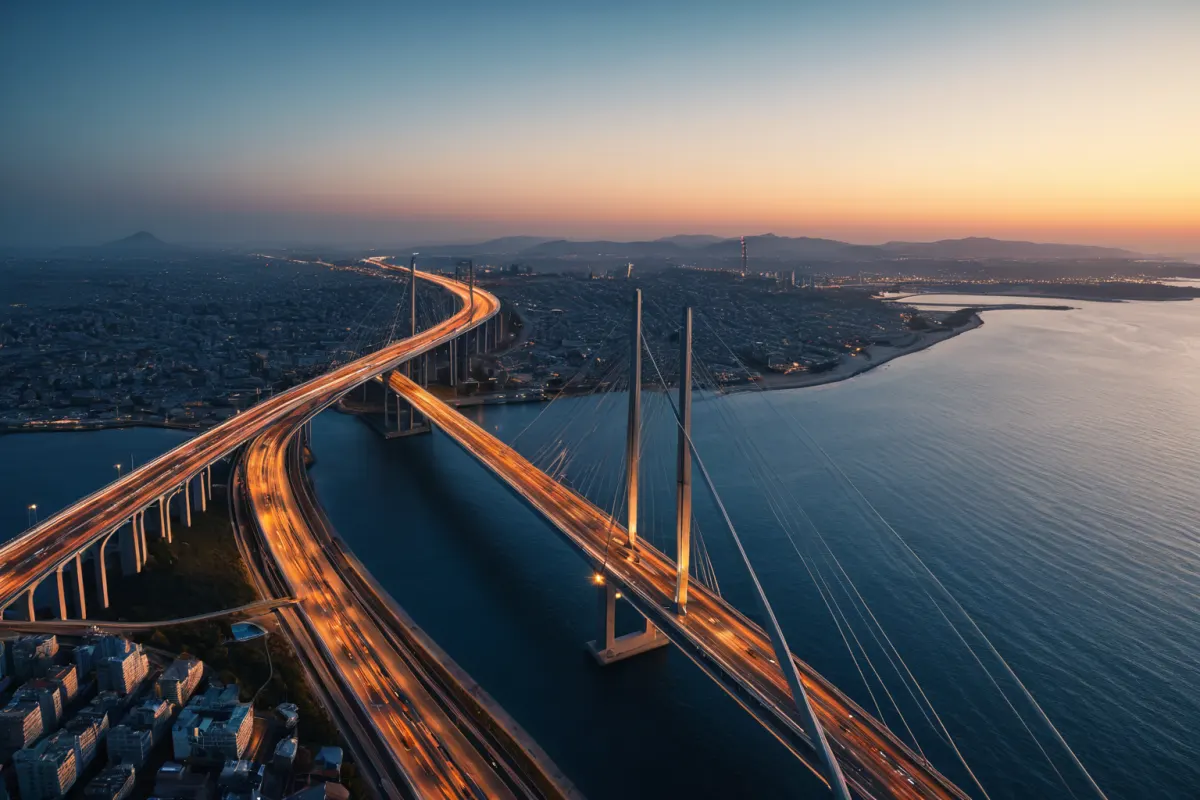
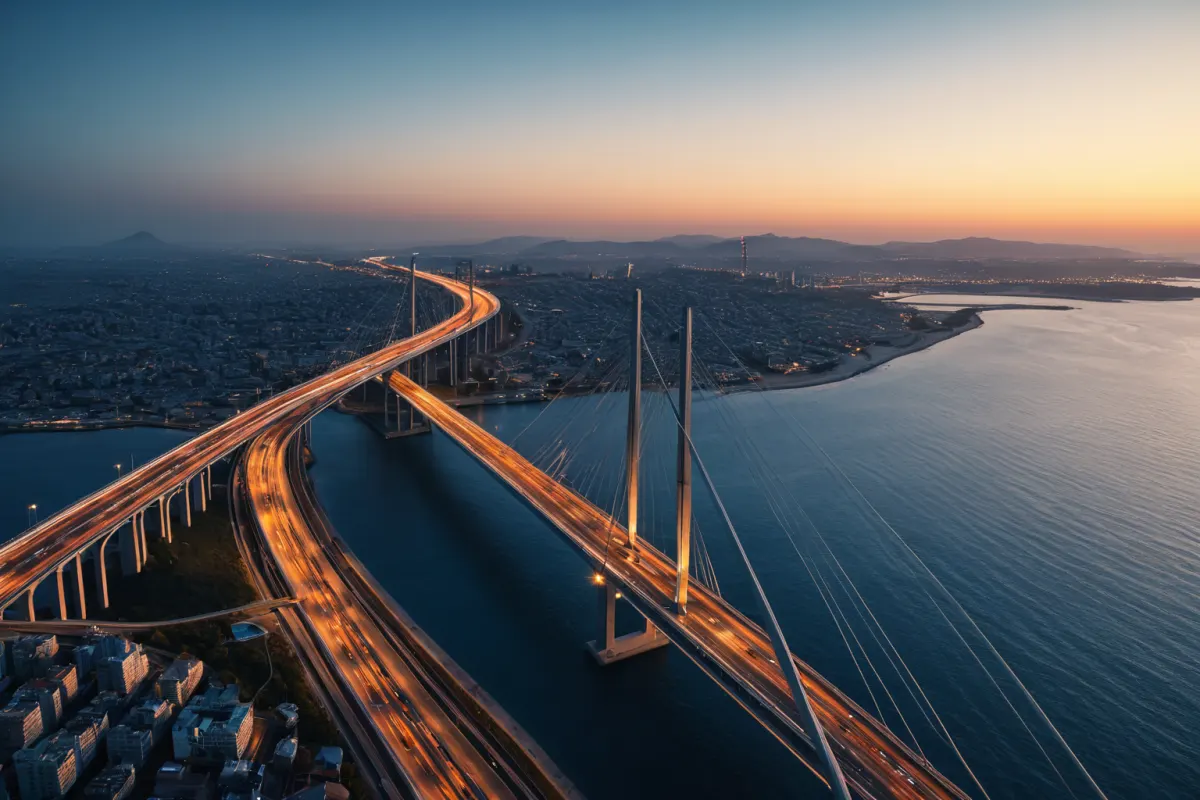
The news about making Ma Chang Bridge free is essentially that discussions are underway to either eliminate or significantly reduce tolls, but no specific dates or methods have been finalized yet. The main questions right now are likely "When will it be free?" and "What changes will this bring?" For now, the situation remains in the discussion and review phase.
This article breaks down why the Ma Chang Bridge fee removal plan continues to draw attention, what steps need to be taken for implementation, and what effects might be expected if tolls are removed.
Why the Ma Chang Bridge Fee Removal Plan is Being Watched
Ma Chang Bridge connects Changwon and Masan, serving as a key transportation route with high daily traffic volume. If tolls remain in place, commuters face ongoing costs that add up over time, while detour roads become increasingly congested.
Thus, the fee removal discussion is not just about eliminating tolls—it's seen as a policy that could lower regional commuting costs and reshape urban flow. In fact, bridges with tolls can have a significant impact on how residents perceive their local area.
You can find more articles on similar topics here.
View Related ArticlesKey Points in Current Discussions
The most important aspect of the fee removal plan is funding. How the construction and operational costs were settled, and who will cover future losses, will determine how quickly the process moves forward.
Another key issue is the operational approach: whether it will be fully free, limited to certain sections, or implemented in phases such as during rush hours for specific users. The choice here significantly affects both public perception and administrative procedures.
An often-overlooked point is that there can be a significant gap between policy announcements and actual implementation. Budgeting, adjusting agreements, and reaching consensus with operators all require time.
Why the Timeline Might Be Delayed
Bridge toll removal isn't just an announcement—it requires clear plans for replacing toll revenue, along with legal and administrative adjustments.
For example, if local governments cover the costs, they'll need to calculate annual expenses first. If responsibilities are shared between central and local authorities, negotiations could take longer. This is why news about progress often precedes actual implementation dates by a considerable margin.
In reality, similar transportation policies typically take much longer from initial review to full implementation. Therefore, it's more realistic to focus on "what conditions need to be met" rather than "when it will be confirmed."

Potential Effects of Fee Removal
The most immediate effect would be reduced commuting costs. For daily commuters, truck drivers, and local business workers, even small savings accumulate over time.
A second change could be shifts in traffic patterns. Without tolls, more vehicles may use Ma Chang Bridge instead of detours, potentially easing congestion on surrounding roads. Ultimately, this redistribution of traffic volume is expected to occur regardless of direction.
The third effect relates to the local economy. Lower transportation costs can expand living areas and improve access to commercial zones. However, these benefits are likely to be more pronounced when combined with road improvements and better public transit connections—not just from toll removal alone.
What Residents Should Look Out For
The first thing to check after hearing about fee removal is the scope of coverage. Will all vehicles qualify, or will only certain types (like commuting cars) be included? The impact varies greatly depending on these details.
The second point is the implementation date. "Under consideration" isn't the same as "confirmed." Don't assume free access based solely on news headlines; verify actual start dates and vehicle types covered.
For example, a commuter driving from Changwon to work every weekday might face significant monthly toll costs. In contrast, someone who uses the bridge only occasionally on weekends may not notice much difference after removal.
Realistic Changes for Regional Traffic
If fees are removed, vehicle traffic on the bridge is likely to increase. While this improves convenience for bridge users, it could also create new congestion at access roads and nearby intersections.
Successful implementation requires more than just removing tolls—it must be accompanied by broader improvements to surrounding transportation systems. Adjusting traffic signals, managing entry points, and distributing traffic across alternative routes are all necessary for stable results.
Without proper planning, simply removing tolls could worsen congestion during peak hours. While users may be satisfied with lower costs, the administrative burden on traffic management would increase accordingly.
Key Points to Keep in Mind
When following updates about Ma Chang Bridge fee removal, focus on three key points: first, whether it's still under review or has been confirmed; second, whether free access applies to all vehicles or only specific ones; and third, how the funding will be covered.
These factors determine the feasibility of actual implementation. Especially with funding, which is likely to be a major variable later on, it’s important to look at the structure rather than just the expectations.
Another consideration is coordination with neighboring areas' transportation systems. If Ma Chang Bridge becomes more convenient but surrounding roads become congested, overall satisfaction may not reach expected levels. Therefore, policy effects should always be viewed as part of a broader regional transportation strategy—not just focused on one bridge.
What the Fee Removal Discussion Means
This discussion matters to local residents because it affects both living costs and commuting convenience. It's more than just a transportation news story—it has the potential to influence daily commutes and urban flow patterns, which is why it continues to draw attention.
For now, the most realistic approach is to balance anticipation with verification. News about progress doesn't guarantee immediate implementation, and timelines may shift based on various factors.
In the future, rather than focusing solely on whether tolls will be removed, the key points for monitoring will likely be "when" and "how" it's implemented—and how these changes affect traffic congestion patterns.
FAQ
Q1. Will Ma Chang Bridge fee removal happen immediately?
No, the plan is currently in discussion and review stages, so immediate implementation isn't guaranteed. Actual application depends on resolving funding and procedural details.
Q2. Will all vehicles benefit from free access?
This is possible, but partial or conditional support (e.g., limited to certain times) might come first. The final details will depend on official announcements.
Q3. Will traffic definitely improve after fee removal?
While toll costs decrease, increased vehicle volume could lead to new congestion. Therefore, complementary measures for surrounding roads are necessary for stable results.
Latest schedules and application methods may change based on future official announcements, so it's best to follow updates from relevant authorities.
Check out more articles on similar topics.
View Category ArticlesFAQ
Will Ma Chang Bridge fee removal happen immediately?
No, the plan is currently in discussion and review stages, so immediate implementation isn't guaranteed. Actual application depends on resolving funding and procedural details.
Will all vehicles benefit from free access?
This is possible, but partial or conditional support (e.g., limited to certain times) might come first. The final details will depend on official announcements.
Will traffic definitely improve after fee removal?
While toll costs decrease, increased vehicle volume could lead to new congestion. Therefore, complementary measures for surrounding roads are necessary for stable results.
Korean Source
This article is an English localization of a Korean-language report from BlogScore. Original: 마창대교 무료화추진 소식, 일정과 예상 효과는?