
The Real Downsides of the Minix Food Waste Disposer: A Firsthand Review
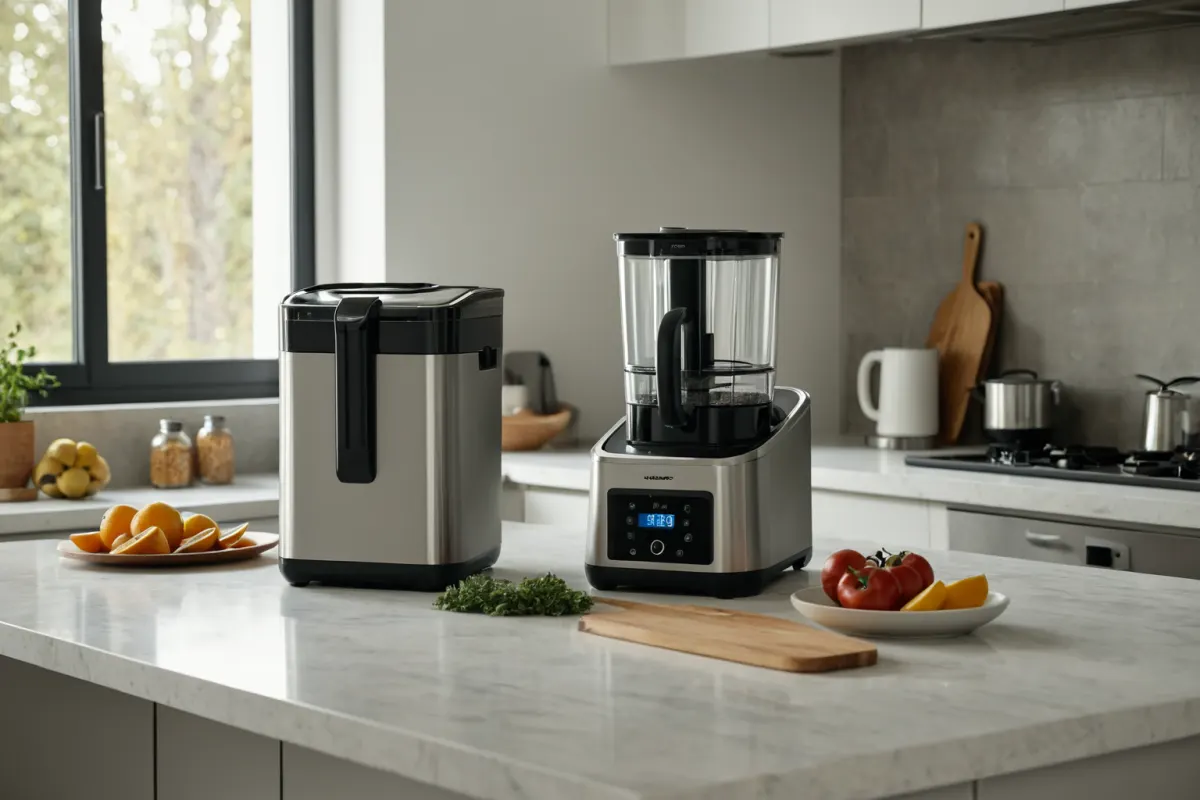
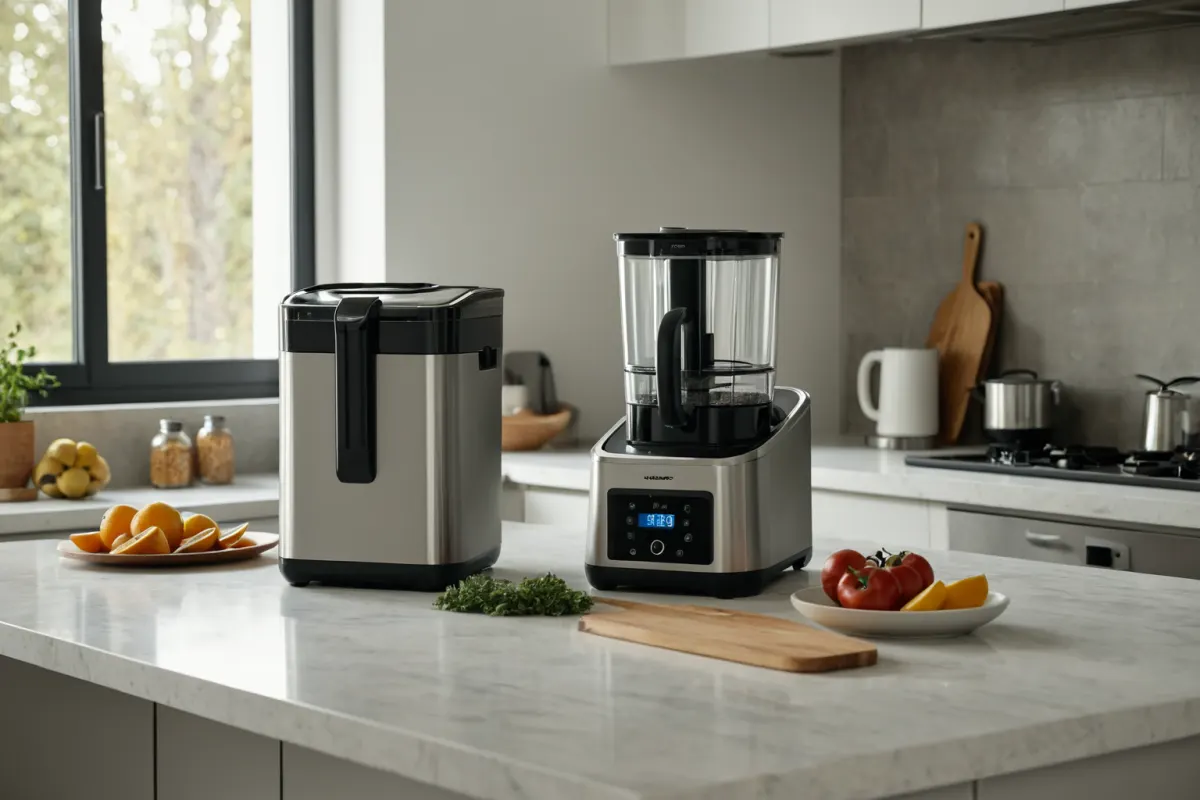
The main downsides of the Minix food waste disposer boil down to one key point: "It requires adjusting your installation and usage habits, and dry residue needs regular management." While the convenience shown in ads is real, actual use reveals noticeable differences in noise levels, odors, processing capacity, electricity costs, and filter maintenance. That's why it's crucial to assess whether your kitchen environment and daily routines align with this appliance before purchasing.
Especially since food waste disposers are long-term appliances once installed, how comfortable it is for you to use daily matters more than the brand name. People searching for Minix products often ask similar questions: "Is the odor really less noticeable?" "Does it handle enough waste?" "Is cleaning inconvenient?"
Why People Want to Know the Downsides First
Most readers looking for reviews care more about whether the inconveniences could become significant stressors in daily life rather than the positive aspects. Food waste disposers aren't one-time-use appliances—they're devices you encounter daily near your sink.
So, "it's good" isn't as realistic as understanding "where it might be inconvenient." For example, households with small kitchens, those needing to run it late at night often, or families eating lots of watery dishes will experience different pain points.
You can find similar articles in one place.
View Related ArticlesMost Common Complaints After Real Use
The most frequently mentioned issue is noise. During operation, the grinding and drying sounds can be quite noticeable, especially in open-concept kitchens where the living room and kitchen are connected. While daytime use isn't a problem, running it late at night often bothers users.
The second major concern is odor management. Despite being called a food waste disposer, it's not completely odor-free. Smells vary by food type, and delayed filter or internal maintenance can lead to stronger odors than expected. Fish, heavily spiced side dishes, and soups are particularly sensitive.
The third common issue is processing capacity and moisture content. Overloading it at once may not result in a clean finish, and foods with high water content require longer drying times. Expecting to "load everything at once and be done" can lead to disappointment.
Electricity Costs and Maintenance Burden
The food waste disposer is convenient but still uses electricity. Running it frequently or extending the drying time will have some noticeable impact on monthly electricity bills, though usage patterns vary by household.
Maintenance matters more than expected. It's not just about emptying the unit—it requires filter replacements and internal cleaning. Skipping these steps can lead to odors or reduced performance, so treating it as a "set-and-forget" appliance will likely result in disappointment.
How Kitchen Environment Affects Perception of Downsides
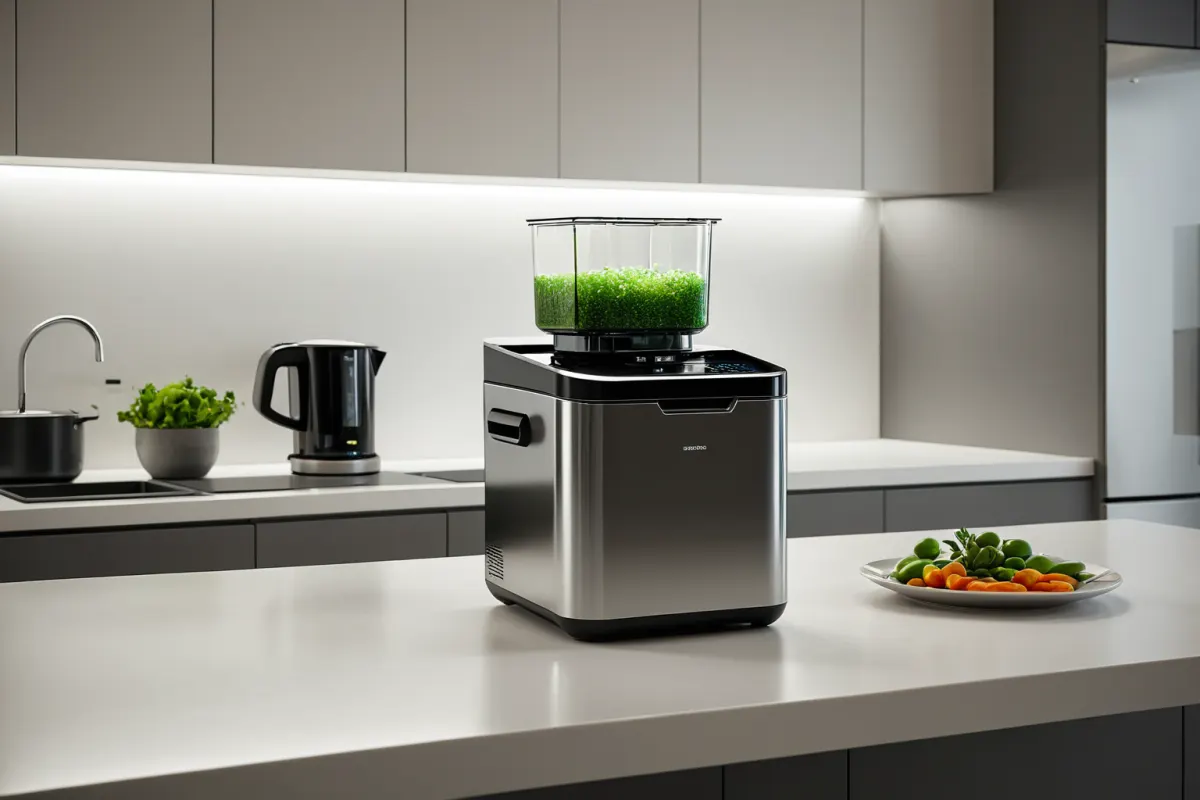
The downsides of the Minix food waste disposer are often more noticeable due to your home layout and daily habits than the product itself. For instance, in small apartments or studios where the kitchen is close to living areas, noise becomes more distracting. Households with frequent meals may find maintenance burdens increase with higher processing frequency.
Conversely, if your kitchen is separate, food waste output is low, and you don't run it late at night, the downsides might not be as noticeable. So rather than judging solely based on reviews, check whether it fits your lifestyle first.
Key Points to Check Before Buying
A common oversight for first-time buyers is installation space. Many buy based on appearance alone and later find the door doesn't close properly or drainage/power locations create awkward movement. Especially if planning to place it under the sink or in a kitchen cabinet, measure actual dimensions before purchasing.
Another key point is daily food waste output. The needs of a single-person household differ greatly from those of a four-person family. For example, a 1–2 person household might prefer collecting waste and running it less frequently, while larger families may find this inconvenient due to more frequent emptying.
To illustrate: households that eat mostly dry side dishes tend to manage easier. In contrast, those with frequent fruit peels, fish bones, or watery soups need more careful handling of processing habits.
When Minix Food Waste Disposer Downsides Are Less Noticeable
The downsides are less noticeable for households that meet these conditions: spacious kitchens, daytime usage patterns, low food waste volume, and consistent maintenance habits. In such environments, the convenience of the device will likely outweigh its drawbacks.
Conversely, if your kitchen is cramped, you often run it late at night, generate lots of waste, and tend to neglect filter or cleaning routines, consider alternative disposal methods. Ultimately, a food waste disposer's success depends more on how well it fits your daily habits than its technical specifications.
Real-Life Examples for Decision-Making
For example, a two-person household that prepares breakfast and dinner at home and clears food waste immediately might find high satisfaction. On the other hand, a four-person family eating three meals daily with frequent spiced or soupy dishes may feel higher processing frequency and maintenance demands.
In such cases, instead of assuming "it's always convenient," calculate how often you'll actually use it: how many times per day, at what time, and what types of food waste will accumulate. Writing these down makes the impact much clearer.
Common One-Liners in Minix Food Waste Disposer Reviews
Summarizing reviews, satisfied users generally highlight reduced sink odors and not having to dispose of food waste as often. Dissatisfied users cite noise, maintenance requirements, and the need for more careful usage habits as drawbacks.
In short, this product isn't "a magical appliance that solves everything" but rather one that enhances quality of life when it fits your lifestyle. Setting realistic expectations before purchasing can reduce buyer's remorse.
FAQ
Q1: What downside do most users find most noticeable?
A1: Noise, odor management, and the maintenance burden like filter replacement are commonly mentioned. Perception varies based on home layout and usage timing.
Q2: Will it work well in a small apartment or studio?
A2: It can work but may cause more noise if the kitchen is close to living areas. Consider placement and operating times first.
Q3: Does having this appliance mean no more food waste worries?
A3: Not completely. Depending on food types, ongoing maintenance is needed, including internal cleaning and filter management for a pleasant experience.
Continue exploring similar topics.
View Category ArticlesFAQ
What downside do most users find most noticeable?
Noise, odor management, and the maintenance burden like filter replacement are commonly mentioned. Perception varies based on home layout and usage timing.
Will it work well in a small apartment or studio?
It can work but may cause more noise if the kitchen is close to living areas. Consider placement and operating times first.
Does having this appliance mean no more food waste worries?
Not completely. Depending on food types, ongoing maintenance is needed, including internal cleaning and filter management for a pleasant experience.
Korean Source
This article is an English localization of a Korean-language report from BlogScore. Original: 미닉스 음식물처리기 단점 실제 사용 후기 체크