
The Real Battle of Bonghwa-dong: How the Film Differed from History
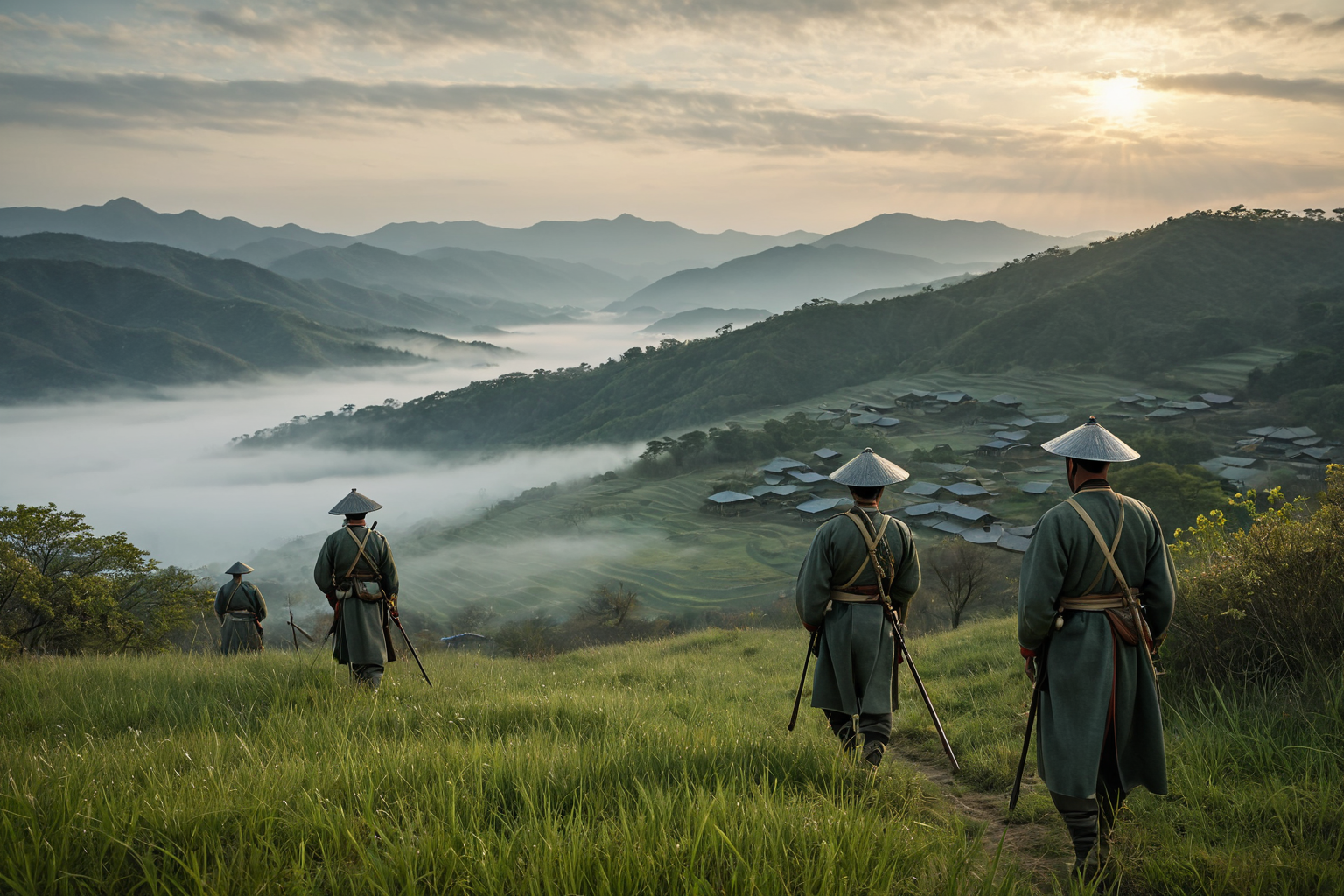
The Actual Battle Situation at Bonghwa-dong
The Battle of Bonghwa-dong took place on April 28, 1920, marking the first victory for Korean independence forces against Japanese troops, with only one official Japanese military fatality reported. This small but significant win during Japan's colonial rule is recorded in history. While the film 'Bonghwa-dong Battle' was based on this real event, it contains some distortions regarding key figures and battle tactics.
Differences Between Film and Historical Facts
The film depicts General Hong Beom-do as leading the battle, but in reality, Commander Choi Jindong was the overall commander, overshadowed by Hong's prominence. Choi Jindong made strategic decisions for the independence forces, particularly with the three Choi brothers playing central roles, which is confirmed in historical records. This has become a well-known example of how the film distorted facts to emphasize Hong Beom-do's image.
The official Japanese casualty count was just one soldier, indicating that independence forces accurately assessed and effectively attacked Japanese strategic positions. The film somewhat exaggerated this fact to highlight the independence forces' victory more dramatically.
Historical Significance of the Battle of Bonghwa-dong
The Battle of Bonghwa-dong has become a symbol of hope and courage for overcoming Japan's colonial rule. Though it was a small victory, this battle contributed to shaping national identity. The film 'Bonghwa-dong Battle,' based on historical facts, successfully conveyed this significance to modern audiences.
The director mentioned that Japan tried to conceal historical facts and that gathering materials was challenging, emphasizing efforts to present accurate information. As a result, the film balanced historical accuracy with artistic interpretation, helping to re-evaluate the role of independence forces.
Analysis of Battle Situation and Strategy
The Battle of Bonghwa-dong occurred on April 28, 1920, when independence forces fought in the Bonghwa-dong area to halt Japanese advances. With only one official Japanese fatality recorded, this indicates that independence forces effectively utilized strategic positions and pre-planned defensive lines. The independence forces maximized the terrain of the Bonghwa-dong region to prepare their attack.
In reality, Commander Choi Jindong led strategic decisions, with the three Choi brothers playing key roles in the battle. They directly participated in operational planning and execution, contributing to breaking through Japanese defensive lines. The film portrays this as Hong Beom-do's leadership, clearly showing a discrepancy between historical fact and cinematic depiction.
Production Background and Process of the Film
'Bonghwa-dong Battle' is based on the real-life event of the Cheongsanri Victory. The director noted that gathering Japanese military records was difficult, requiring significant effort to accurately convey historical facts. During filming, environmental restoration work was carried out after shooting due to concerns about ecological damage.
The film reinterprets Japan's colonial period as a story of 'hope and courage,' emphasizing the independence forces' victory. This approach successfully conveyed historical events artistically while inspiring modern audiences, earning positive reviews from viewers.
Methods for Verifying Historical Facts
Historical facts about the Battle of Bonghwa-dong can be verified through multiple sources. The battle occurred on April 28, 1920, with only one official Japanese fatality, confirming the independence forces' victory. Commander Choi Jindong and the three Choi brothers' roles are confirmed in historical records, allowing analysis of differences between film portrayal and actual events.
The director's comments about difficulties collecting Japanese military data show the challenges faced in accurately presenting history during production. Despite some exaggeration, the film succeeded in emphasizing the sacrifices and victories of independence forces.
Modern Significance of the Battle of Bonghwa-dong
The Battle of Bonghwa-dong remains a symbol of hope for overcoming Japan's colonial period, with its small victory contributing to national identity formation. This battle serves as a reminder for modern audiences of the struggle for independence and its value.
For the 2026 Liberation Day special screening, KBS, MBC, SBS, and EBS plan to feature related films. This reflects the ongoing relevance of Bonghwa-dong's historical significance and is expected to play an important role in remembering the history of independence forces.
Summary of Differences Between Film and Actual Battle
The film portrays General Hong Beom-do as leading the battle, but the actual overall commander was Choi Jindong, with the three Choi brothers playing central roles. The official Japanese military fatality count was just one, showing that independence forces effectively utilized strategic positions.
Frequently Asked Questions
Who was the actual commander of the Battle of Bonghwa-dong?
The actual overall commander was Choi Jindong, overshadowed by Hong Beom-do. This is confirmed in historical records, while the film depicted Hong Beom-do as leading the battle, distorting the facts.
How many Japanese military fatalities were there at Bonghwa-dong?
The official number of Japanese military fatalities was just one. This data confirms that independence forces achieved a small but significant victory against Japanese troops.
Was the film 'Bonghwa-dong Battle' based on real events?
The film is based on historical fact, drawing from the Cheongsanri Victory. However, it contains some exaggerated depictions regarding key figures and battle progression.
What historical significance does the Battle of Bonghwa-dong hold?
The Battle of Bonghwa-dong was a small victory for independence forces that contributed to shaping national identity. It symbolizes hope and courage in overcoming Japan's colonial period.
Frequently Asked Questions
The Battle of Bonghwa-dong took place on April 28, 1920, marking the first victory for Korean independence forces against Japanese troops, with only one official Japanese fatality. The film 'Bonghwa-dong Battle' was based on this real event but portrayed General Hong Beom-do as leading the battle when in fact Commander Choi Jindong was in charge, with the three Choi brothers playing key roles. This small victory contributed to national identity formation and is remembered as a symbol of hope and courage. The film successfully conveyed these elements through its artistic interpretation.
Based on historical facts, film production serves as a reminder of past struggles and their value for modern audiences. Understanding the differences between the actual battle situation and the film's portrayal helps in correctly remembering independence forces' history and passing it on to future generations.
You can view similar articles all at once.
View Related ArticlesFAQ
Who was the actual commander of the Battle of Bonghwa-dong?
The actual overall commander was Choi Jindong, overshadowed by Hong Beom-do. This is confirmed in historical records.
How many Japanese military fatalities were there at Bonghwa-dong?
The official number of Japanese military fatalities was just one.
Was the film 'Bonghwa-dong Battle' based on real events?
Yes, it is based on historical fact from the Cheongsanri Victory, but contains some exaggerated depictions regarding key figures and battle progression.
What historical significance does the Battle of Bonghwa-dong hold?
It was a small victory for independence forces that contributed to shaping national identity and symbolizes hope and courage in overcoming Japan's colonial period.
Korean Source
This article is an English localization of a Korean-language report from BlogScore. Original: 봉오동 전투의 실제 전투 상황과 영화의 차이점