
The Progress of South Korea's Won Internationalization Roadmap
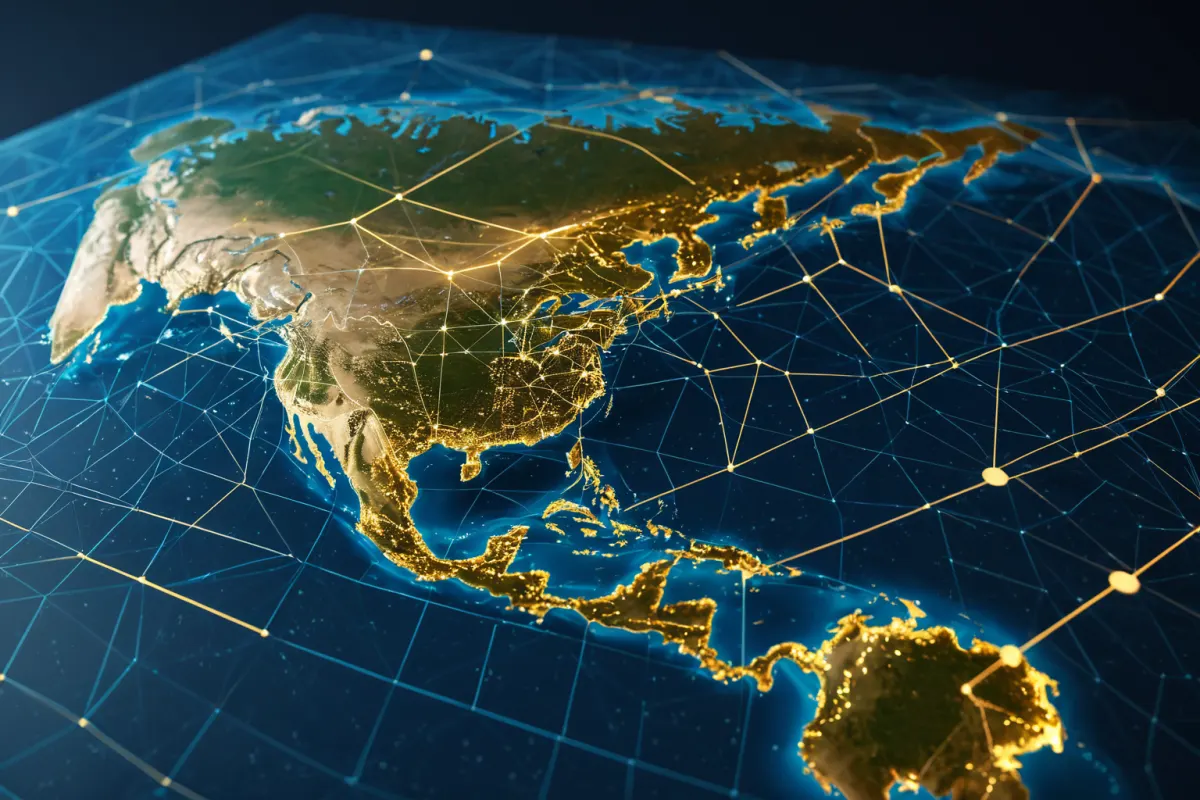
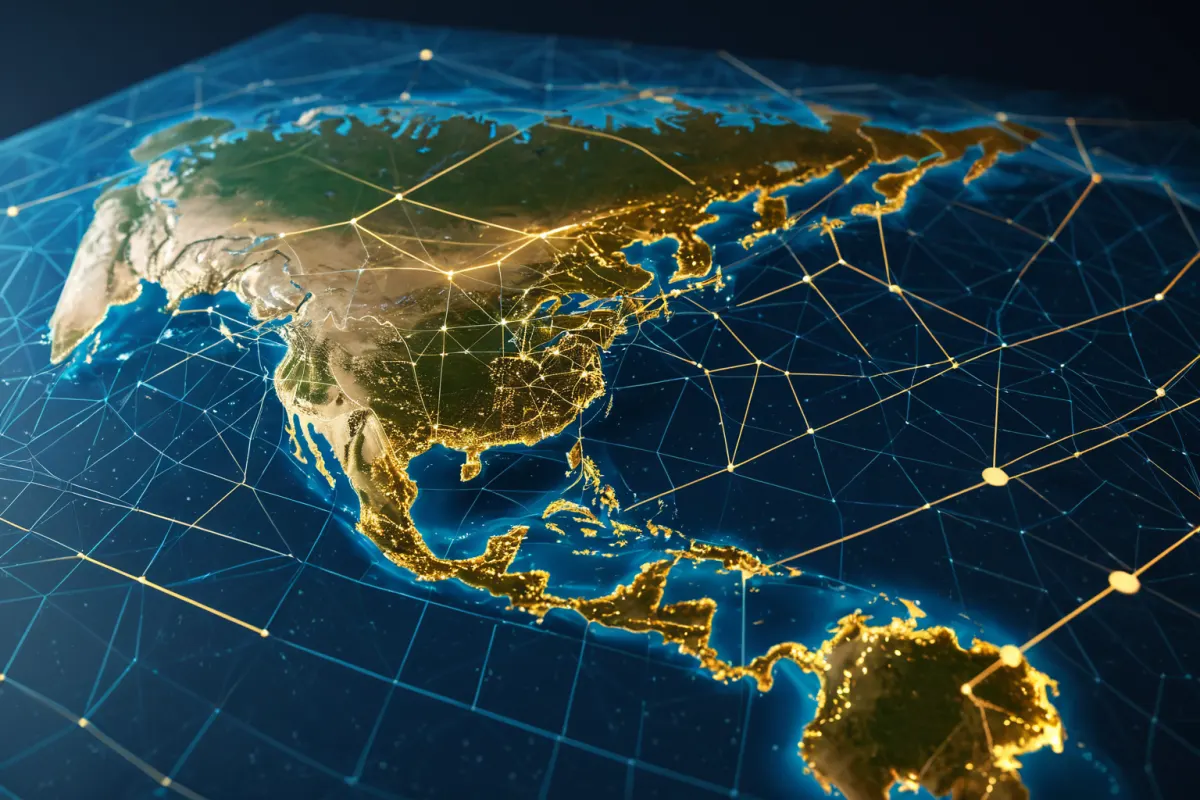
The won internationalization roadmap can be summarized as "a step-by-step plan to encourage more global use of the Korean won." So far, efforts have focused on building payment systems, trade infrastructure, and foreign exchange market foundations, rather than reaching a level where it's used like the US dollar. Therefore, the most accurate answer to the question "how far has this progressed?" is that institutional improvements and expanded usage are underway, but the won hasn't yet become a currency widely recognized internationally.
This topic isn't just about foreign exchange policy—it also involves capital market liberalization, foreign investor accessibility, offshore won usage environments, and mechanisms to stabilize exchange rates during crises. When assessing progress on the roadmap, it's more accurate to focus on "how much is actually being used" rather than simply "what has been announced."
The Core Direction of Won Internationalization
The core goal of won internationalization is to make it easier for the won to be paid, held, and invested in overseas transactions. This includes increasing the won's share in trade settlements, creating a more accessible environment for foreign investors to buy Korean stocks and bonds, and expanding conditions for overseas financial institutions to handle won assets.
For example, if Korean companies can settle part of their transactions with Southeast Asian supply chains directly in won rather than going through dollars, it reduces currency conversion costs and exchange rate risks. From a foreign investor's perspective, the ability to easily buy won-denominated bonds or currency products would transform the won from just a domestic currency into an investment asset.
You can find similar articles in one place.
View Related ArticlesCurrent Key Developments
Recent trends show that the foundational elements needed for won internationalization are gradually expanding. Improvements in foreign investor access to domestic securities markets, relaxation of forex transaction regulations, and expansion of overnight and offshore trading infrastructure are key examples. While these changes may not be immediately noticeable, they significantly impact practical usability.
Especially in foreign exchange markets, the trend is moving toward a near-24-hour trading environment, with domestic financial institutions updating systems to handle won transactions more flexibly with overseas institutions. However, these improvements don't mean the won is suddenly becoming closer to an international reserve currency—it's still focused on enhancing convenience and accessibility.
Why Internationalization Feels Slow
The reason won internationalization isn't progressing rapidly is straightforward: for a currency to be widely used internationally, trust, scale, and liquidity must all align. While South Korea has a large economy, it still lacks the network effect of a global currency like the US dollar.
Another factor is stability concerns regarding capital flows. For a currency to be widely used overseas, foreign investors need flexibility to hold, convert, and invest in it—but this also increases market volatility. Therefore, policymakers must balance accelerating internationalization with maintaining financial stability measures.
For example, making Korean bonds easier for foreigners to buy and sell helps internationalization. But if the won experiences sharp fluctuations during global shocks, it could increase burdens on domestic businesses and households. Thus, "increasing usage" and "ensuring stability" must both be achieved together.

Where You'll First Notice the Impact
Won internationalization is more likely to be felt first by businesses and financial markets rather than individual consumers. Export companies can reduce hedging costs, and transaction settlement methods with overseas partners become more diverse. The financial sector sees broader applications in areas like won-denominated bonds, derivatives, and swap transactions.
For individual investors, the most direct impact may be increased foreign demand for domestic assets rather than easier access to overseas investments. If foreign capital flows more stably into Korea's bond market, it can influence interest rate environments and funding conditions. However, these effects take time to materialize, so short-term news alone shouldn't lead to misinterpretation.
Necessary Conditions for Internationalization
For the roadmap to yield tangible results, several conditions must be met simultaneously. First, foreign exchange and capital transaction restrictions should not be overly burdensome. Second, transparency and predictability in Korea's financial markets need improvement. Third, won assets must appear stable and attractive to foreign investors.
These conditions don't move independently. For instance, to increase foreign bond investments, tax policies, payment infrastructure, exchange convenience, and information access all need to improve together. Improving just one area isn't enough for meaningful usage expansion.
Key Points for Investors and Businesses
News about won internationalization doesn't immediately change exchange rates. Still, businesses and investors should pay attention to certain indicators: flows of foreign capital, shifts in won settlement share, improvements in forex market regulations, and growth in offshore demand for the won.
In practical terms, ask "Can we include won payments in our transactions?" "Are foreign investors able to easily buy won assets?" and "Is the structure reducing conversion costs?" As answers to these questions improve over time, it indicates that the roadmap is effectively working.
Realistic Expectations for This Stage
Currently, won internationalization is best seen as a stage focused on building foundational infrastructure. While usage has increased in some areas, the won isn't yet functioning as a major currency in global transactions. In other words, "progress is being made but it's not complete" is the most realistic description.
Therefore, rather than expecting rapid results, it's more important to monitor whether institutional improvements translate into actual transaction volumes and investment inflows. Especially for forex market liberalization, implementation matters more than announcements, and stability matters more than implementation.
Frequently Asked Questions
Q1. Will won internationalization stabilize exchange rates?
Not necessarily. Internationalization is about expanding usage—not eliminating exchange rate volatility. In fact, increased trading could introduce new short-term volatility factors to consider.
Q2. Will individual consumers feel direct effects?
Direct impacts may not be significant for most people, but there could be indirect influences on foreign exchange fees, overseas investment convenience, and domestic interest rate environments. Those with frequent international transactions might notice changes more clearly.
Q3. What's the most important metric to watch?
The key metrics are won settlement share, scale of foreign ownership of won assets, forex market liquidity, and activation of offshore trading. Actual transaction data matters more than official announcements.
The won internationalization roadmap is currently in a phase where "direction has been set and foundational elements expanded." Since recent policy changes can evolve rapidly, it's advisable to verify the latest announcements before applying them to actual transactions or investments.
Continue exploring similar topics.
View Category ArticlesFAQ
Will won internationalization stabilize exchange rates?
Not necessarily. Internationalization is about expanding usage—not eliminating exchange rate volatility. In fact, increased trading could introduce new short-term volatility factors to consider.
Will individual consumers feel direct effects?
Direct impacts may not be significant for most people, but there could be indirect influences on foreign exchange fees, overseas investment convenience, and domestic interest rate environments. Those with frequent international transactions might notice changes more clearly.
What's the most important metric to watch?
The key metrics are won settlement share, scale of foreign ownership of won assets, forex market liquidity, and activation of offshore trading. Actual transaction data matters more than official announcements.
Korean Source
This article is an English localization of a Korean-language report from BlogScore. Original: 원화 국제화 로드맵, 어디까지 진행됐나