
The Life and Legacy of Gan Song Jeon Hyung-pil: Why the Gan Song Art Museum Was Founded
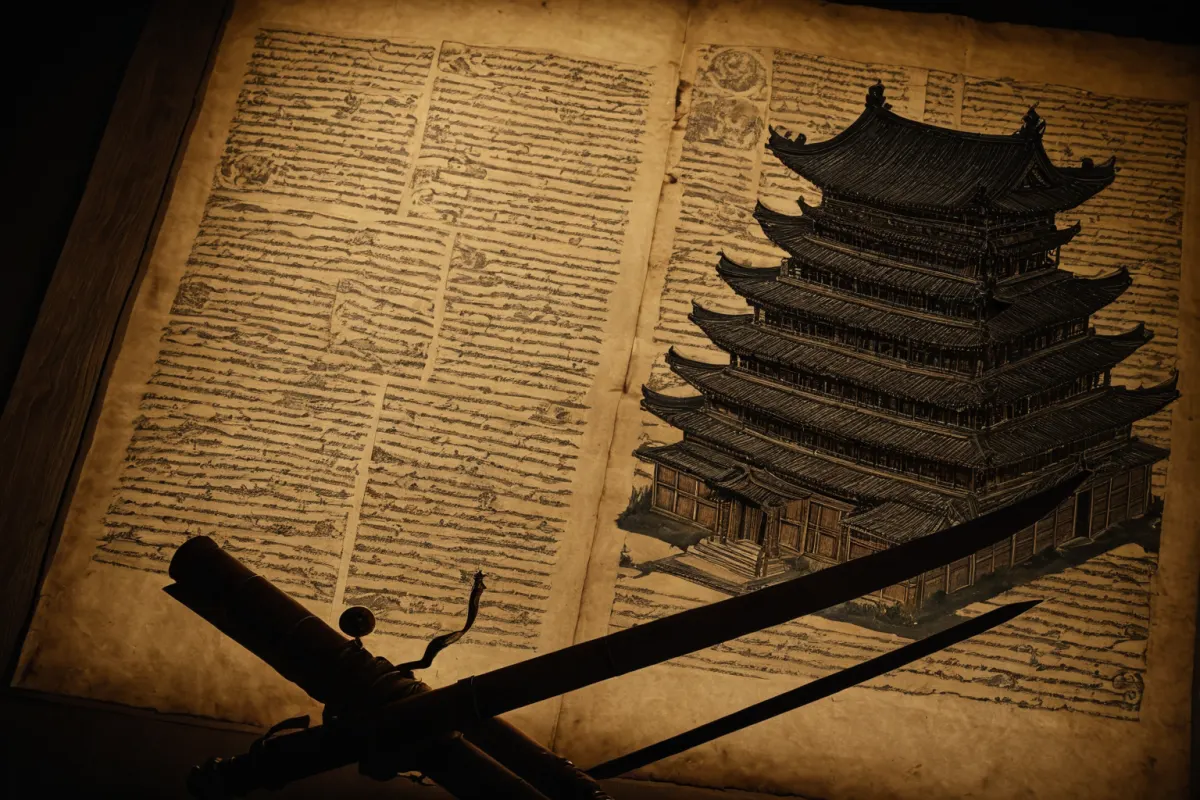
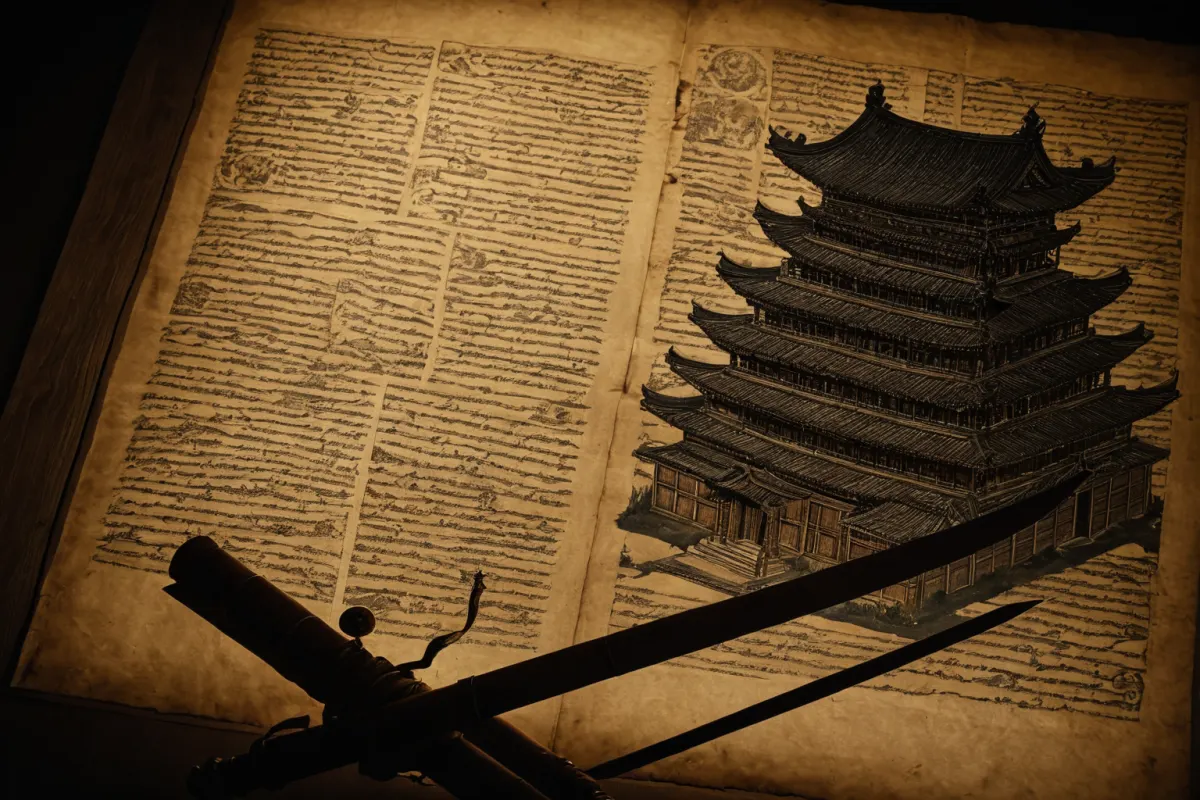
Jeon Hyung-pil was a figure who spared no expense in protecting Korea's cultural treasures during the Japanese colonial period. The Gan Song Art Museum was established to preserve and publicly display the artifacts he collected, not as a wealthy collector hoarding items for personal gain but as someone who safeguarded culturally significant pieces for future generations.
Many wonder: Why did an individual establish an art museum? What cultural treasures did he protect? How much of his wealth did he invest? This article traces Jeon Hyung-pil's life and explains the origins of the Gan Song Art Museum in a natural, cohesive narrative.
The Starting Point of Jeon Hyung-pil's Life
Jeon Hyung-pil was born in Seoul in 1906. His family lineage traces to Jeonju, and he grew up in a relatively affluent household with early exposure to learning and cultural environments.
The era of his youth was marked by the weakening sovereignty of Korea. Cultural treasures were being exported abroad or sold at low prices, prompting him to view artifacts not merely as objects but as part of the nation's collective memory.
While many mistakenly assume Jeon Hyung-pil was simply a wealthy heir with a collecting hobby, his actions were driven by a strong conviction: protect what needed protection and reclaim what was about to be taken before it was too late.
You can find more articles on similar topics in one place.
View Related ArticlesWhy His Efforts Were About Preservation, Not Collection
Jeon Hyung-pil's work was fundamentally different from collecting antiques. Instead of amassing expensive items, he focused on preventing historically significant artifacts from being exported.
A prime example is the Hunminjeongeum Haeryebon (the earliest known copy of the Hangeul alphabet manual). Jeon Hyung-pil famously spent a large sum to rescue this book just before it was about to be sold abroad. This act alone illustrates why he is celebrated as a cultural preserver.
He protected more than just one artifact. From Buddhist statues and paintings to ceramics and ancient manuscripts, his collection laid the foundation for future Korean cultural research. Many of the precious materials we see in museums today might not exist without his efforts.
How Jeon Hyung-pil Invested His Wealth in Cultural Preservation
The reason Jeon Hyung-pil's financial contributions are often discussed is that he spent a significant portion of his wealth on acquiring and preserving cultural artifacts. At the time, this was an enormous sum, and he prioritized saving these items over maintaining a lavish lifestyle.
For instance, when an artifact was about to be sold to Japanese collectors or dealers, he would directly negotiate the price. This required not just money but also time, information, and networks—monitoring where artifacts were coming from, who owned them, and when transactions occurred.
Because of this, he is remembered as someone who spent his fortune selflessly on cultural preservation rather than personal luxury. Today, what matters most in discussing his legacy is not the scale of his wealth but how he chose to use it for public good.
The Background Behind the Creation of Gan Song Art Museum
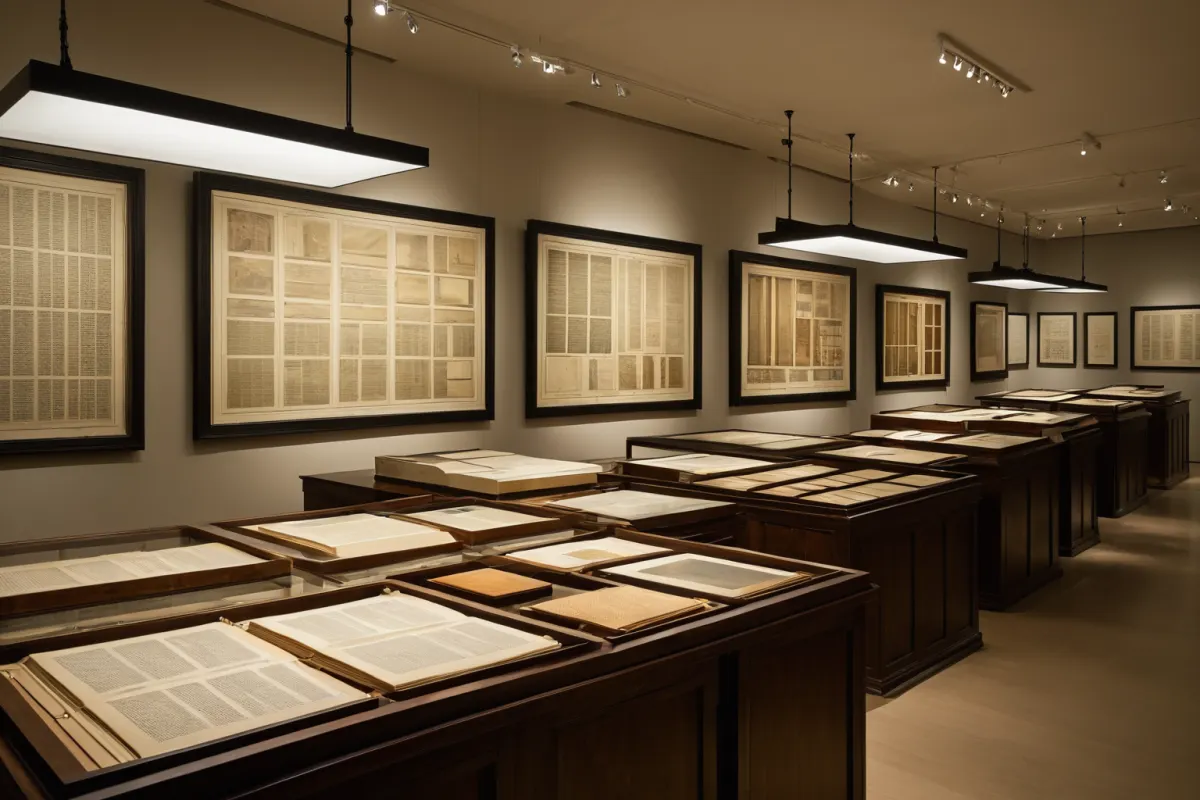
The Gan Song Art Museum was created to house and study the artifacts Jeon Hyung-pil collected. It wasn't initially designed as a grand exhibition space but rather as a secure place to preserve these treasures for future generations.
His collection went beyond private ownership; it required careful management of humidity, light, and storage conditions due to their historical significance. This need eventually led to the establishment of the museum.
The Gan Song Art Museum is more than just a building—it embodies Jeon Hyung-pil's vision: not a place to boast about personal possessions but a space dedicated to safeguarding artifacts before they could fall into others' hands, ensuring future generations could view them.
The Significance of the Cultural Treasures Jeon Hyung-pil Preserved
What makes Jeon Hyung-pil's preserved treasures significant goes beyond their individual value. They provide critical historical connections that help us understand Korea’s cultural and artistic evolution as a whole.
His efforts enriched Korean art history, manuscript studies, and calligraphy research. Treasures like the Hunminjeongeum Haeryebon—directly tied to national identity—are especially important, while paintings and crafts also offer valuable insights into historical lifestyles, aesthetics, and craftsmanship.
For example, when visiting museums today, understanding why certain ancient documents matter often traces back to preservation efforts like Jeon Hyung-pil's. The existence of these artifacts enables scholarly research, which deepens our historical understanding. In essence, his choices preserved the backbone of Korean culture.
Jeon Hyung-pil’s Descendants and Current Interest
Interest in Jeon Hyung-pil's descendants remains steady, but public curiosity focuses more on how his legacy continues today than on bloodline alone.
The Gan Song Art Museum is still a special space for many visitors. Unlike large commercial museums, it stands as a testament to one person’s unwavering belief. Visitors don't just see the artworks—they also learn about why these pieces survived the challenges of history.
For example, when visiting with children, consider sharing not only that they're viewing beautiful art but also how someone's choice helped save it for them. This approach transforms Jeon Hyung-pil’s story from a simple biography into a living example of cultural preservation.
How to Find Books and Materials on Jeon Hyung-pil
Those seeking books about Jeon Hyung-pil often want an overview of his entire life. Biographies or materials that cover both his life and the broader context of cultural preservation are most helpful.
When reading, focus less on how many artifacts he acquired and more on the circumstances and decisions behind each acquisition. Understanding why he felt compelled to save certain items and what the market and historical climate were like at the time will provide deeper insight.
Additionally, exploring his hometown or family background can enhance understanding of the person behind the legacy. A person's achievements rarely arise in isolation—they are shaped by their environment and the pressures of their era.
One-Sentence Summary of Jeon Hyung-pil’s Life
In one sentence: Jeon Hyung-pil was a man who spent his wealth protecting cultural treasures, then created a space to preserve them for future generations.
The greatest value he left behind isn't the rarity of his collection but his choice to prevent Korea's cultural heritage from vanishing—and ensuring that future generations could witness it. This is why his name is remembered far beyond that of a mere collector today.
FAQ
Q1. Why is Jeon Hyung-pil famous?
He is known for rescuing Korea's cultural treasures during the Japanese colonial period, spending significant sums to protect them and ensuring their preservation for future generations.
Q2. Why was the Gan Song Art Museum established?
The museum was created to safely preserve, study, and publicly display the cultural artifacts Jeon Hyung-pil collected.
Q3. What is the most important aspect of Jeon Hyung-pil's legacy?
Preserving culturally significant treasures like the Hunminjeongeum Haeryebon, which laid the foundation for Korean cultural research and national identity.
Note: Information about exhibitions or collections related to Jeon Hyung-pil may vary by season. It is advisable to check the latest updates before planning a visit.
Continue exploring articles on similar topics.
View Category ArticlesFAQ
Why is Jeon Hyung-pil famous?
He is known for rescuing Korea's cultural treasures during the Japanese colonial period, spending significant sums to protect them and ensuring their preservation for future generations.
Why was the Gan Song Art Museum established?
The museum was created to safely preserve, study, and publicly display the cultural artifacts Jeon Hyung-pil collected.
What is the most important aspect of Jeon Hyung-pil's legacy?
Preserving culturally significant treasures like the Hunminjeongeum Haeryebon, which laid the foundation for Korean cultural research and national identity.
Korean Source
This article is an English localization of a Korean-language report from BlogScore. Original: 간송 전형필 생애와 업적, 간송미술관이 생긴 이유