
The Historical Context and Current Impact of the Ceuta Protests
The Historical Background of the Ceuta Protests
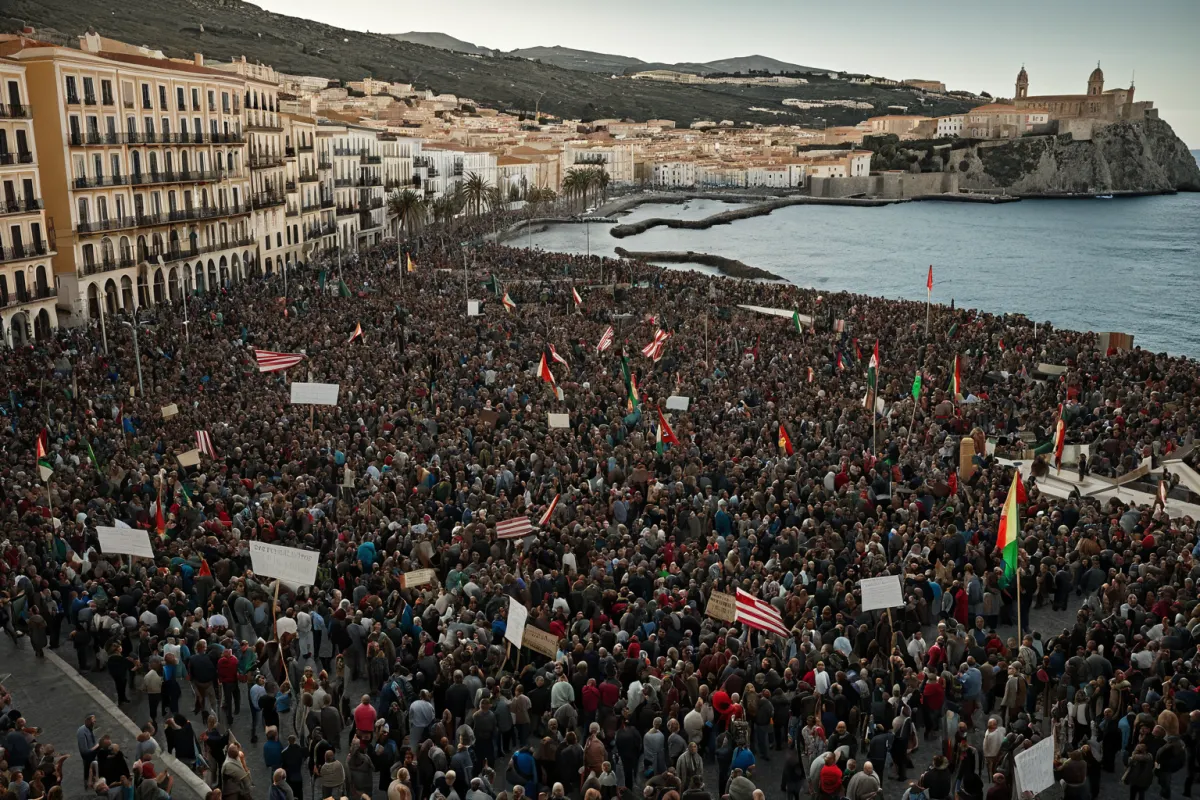
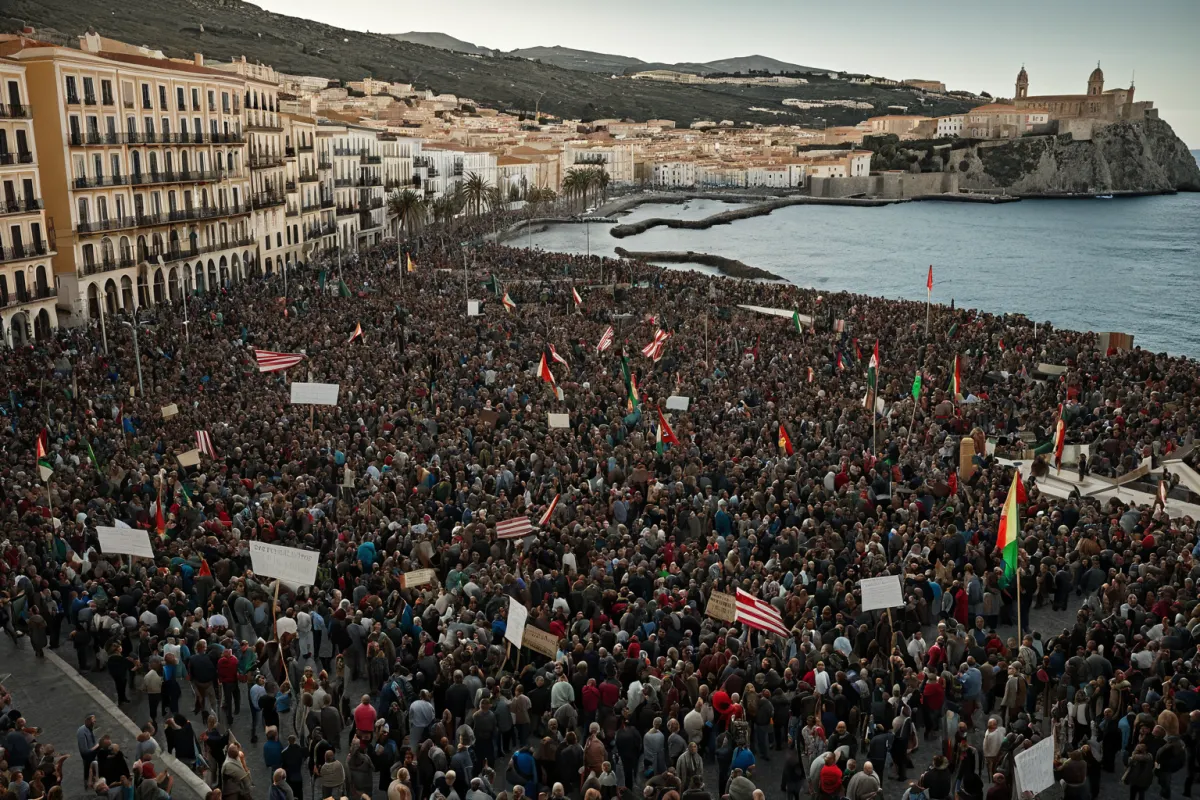
In early August 2026, large-scale protests erupted in Ceuta, a Spanish territory in North Africa, as residents demanded solutions to migration issues. Tens of thousands of locals participated, urging the Spanish government and European Union to address migrant management policies. The influx of over 60,000 migrants into Ceuta led to business closures and social unrest. Ceuta, a Spanish enclave bordering Morocco, has historically faced migration-related tensions, particularly becoming a major transit point for migrants heading to Europe from Morocco in the 2010s.
The Protagonists and Demands of the Ceuta Protests
Thousands to tens of thousands of local residents participated in the protests, calling on Spain and the EU to resolve migration challenges. The main organizers were Ceuta's residents, who demanded improved migrant management policies and regional stability. Notably, the Ceuta mayor formally requested the construction of reception and deportation facilities amid over 8,000 migrants remaining in the area.
The protests began on August 1, 2026, when thousands of migrants entered Ceuta, triggering widespread demonstrations. This led to business closures and social unrest, with the mayor calling for new facilities to handle migration issues. The demand reflects local residents' dissatisfaction with Spain's immigration policies and their call for concrete solutions.
The Course of the Ceuta Crisis
On August 3, 2026, the death toll from illegal border crossings exceeded 70, prompting an emergency EU meeting. This marked a significant escalation in international attention to the crisis. The European Commission criticized Spain's handling of the situation as inadequate and called for improved European-wide migration policies.
On August 4, Italy closed its borders and intensified inspections, escalating tensions with Spain. Prime Minister Giorgia Meloni's approval ratings rose amid the political debate over immigration policy. That same day, Spain also introduced border checks in response to the crisis.
By August 8, 48,000 migrants had been repatriated from Ceuta. This was a direct result of Spanish government action, despite widespread protests demanding better migrant management. However, this temporary solution highlighted the need for long-term migration policy reforms in Ceuta.
The Spain-EU Standoff
The EU criticized Spain as 'selfish' and demanded a review of border management policies following the Ceuta crisis. This deepened tensions between Spain and the EU, with the European Commission arguing that Spain failed to address migration challenges adequately and called for broader European policy improvements.
While EU leaders initially emphasized cooperation with Spain, disagreements intensified as the crisis persisted. The EU accused Spain of focusing on localized responses rather than addressing migration as a continental issue, highlighting the need for integrated European immigration policies.
The International Impact of the Ceuta Crisis
The crisis exacerbated tensions between Spain and Morocco over border management, accelerating debates about European immigration policy. As a Spanish territory bordering Morocco, Ceuta has long struggled with migration due to Morocco's historical claims to the area and its firm stance on border control.
Spain and Italy intensified border checks following the crisis, deepening their diplomatic rift. Italy closed borders and strengthened inspections, while Spain followed suit, illustrating how regional immigration policies can strain international relations within Europe.
The death toll from illegal crossings surpassing 70 led to an emergency EU meeting, drawing global attention as a case highlighting shortcomings in European migration policy. The EU began exploring integrated solutions for the continent's immigration challenges, signaling potential shifts in future EU policy direction.
Response to the Ceuta Crisis and Safety Information
The Spanish government repatriated 48,000 migrants from Ceuta, easing local social tensions. However, the EU criticized Spain's approach as 'selfish' and called for a review of border management policies. This demonstrates how the crisis has expanded beyond a regional issue into a broader European immigration policy debate.
The Ceuta mayor requested reception and deportation facilities, reflecting residents' demand for concrete solutions to migration challenges. However, Spain's response led to increased tensions with the EU, showing the clash between local demands and national policies.
Key Facts About the Ceuta Protests
The protests began on August 1, 2026, escalating when the death toll from illegal border crossings exceeded 70 on August 3, prompting an emergency EU meeting. The crisis intensified Spain-Morocco border management tensions and accelerated European immigration policy debates. Local residents' demands for migrant issue resolution are confirmed facts, with Spain repatriating 48,000 migrants in response.
The EU criticized Spain's approach as 'selfish' and demanded a review of border policies, confirming the crisis has expanded into a European-level debate on immigration policy. Readers should consider Spain-Morocco historical relations, evolving European migration policies, and EU-member state dynamics to fully understand the Ceuta situation.
Frequently Asked Questions
What was the main cause of the Ceuta protests?
The Ceuta protests were triggered by migration issues in this Spanish territory in North Africa. Over 60,000 migrants flooded into Ceuta, causing business closures and social unrest.
How did the Ceuta crisis affect Spain-EU relations?
The EU criticized Spain as 'selfish' over its handling of the migration crisis and demanded a review of border management policies. This deepened tensions between Spain and the EU.
How many deaths occurred due to illegal border crossings during the Ceuta crisis?
On August 3, 2026, the death toll from illegal border crossings exceeded 70, prompting an emergency EU meeting.
You can view similar articles on this topic in one place.
View Related ArticlesFAQ
What was the main cause of the Ceuta protests?
The Ceuta protests were triggered by migration issues in this Spanish territory in North Africa. Over 60,000 migrants flooded into Ceuta, causing business closures and social unrest.
How did the Ceuta crisis affect Spain-EU relations?
The EU criticized Spain as 'selfish' over its handling of the migration crisis and demanded a review of border management policies. This deepened tensions between Spain and the EU.
How many deaths occurred due to illegal border crossings during the Ceuta crisis?
On August 3, 2026, the death toll from illegal border crossings exceeded 70, prompting an emergency EU meeting.
Korean Source
This article is an English localization of a Korean-language report from BlogScore. Original: 세우타거리 시위의 역사적 맥락과 현재 영향력