
THAAD Missile Stock Down 80%, What's the Local Reaction?


THAAD Missile Stockpile at 80% Depletion
The U.S. military's THAAD (Terminal High Altitude Area Defense) system intercept missiles have reportedly depleted by approximately 80%. Multiple media outlets, including CNN and Xinhua News Agency, have reported this with warnings that the situation is 'dangerously low.' This depletion rate follows a similar pattern to the Patriot missile system, which has about half its stock remaining. The significant reduction in THAAD intercept missiles raises serious strategic concerns for military defense planning.
Major Media Coverage
The U.S. military's THAAD missile depletion report began on August 4, 2026, with additional coverage from MBC News and Newsis on August 5. Xinhua News Agency cited a CNN report on August 6, reinforcing the same narrative. The repeated phrase 'dangerous level of air defense capability' across these reports highlights growing concerns about the U.S. military's defensive systems. CNN specifically emphasized THAAD's strategic importance and analyzed how this depletion could impact regional security in East Asia.
THAAD vs Patriot Missile Stock Comparison
While the U.S. military has depleted about 80% of its THAAD intercept missiles, Patriot missiles are reported to have only half their stock remaining. This indicates a critical shortage of precision strike missiles. Some media outlets have noted that 'stockpiles are dangerously low,' linking this to concerns over weakened deterrence against North Korea, China, and Russia. THAAD is designed for high-altitude missile defense, while Patriot handles low-altitude threats; thus, the depletion in both systems signifies a broader weakening of comprehensive air defense capabilities.
Depletion Linked to Iran Conflict
The THAAD missile depletion appears to be due to combat losses during the Iran conflict. Analysts suggest this could affect military operations along the China-Russia-North Korea front lines. Some reports indicate that approximately half of intercept missiles and one-third of offensive missiles have been used, leaving around 1,000 total missiles remaining across both systems. The fighting in Iran has effectively tested U.S. defensive capabilities, accelerating the depletion rate.
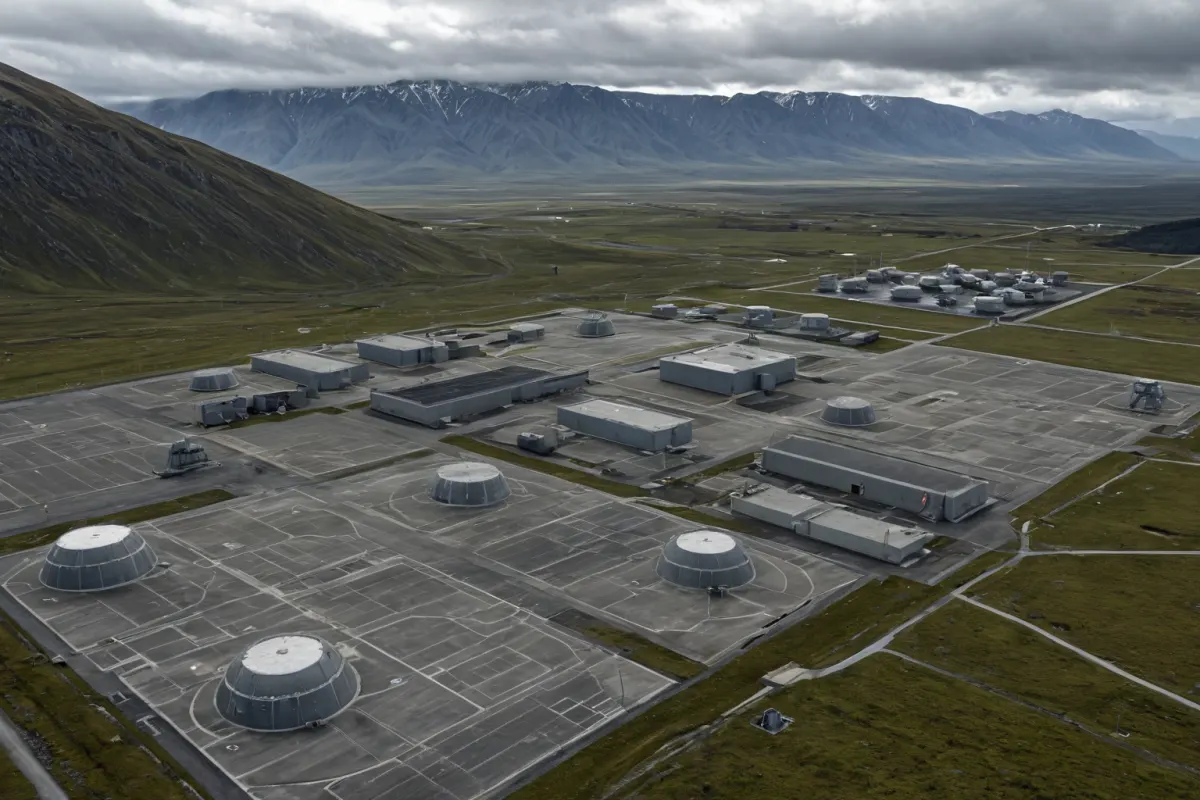
Air Defense Capability at Critical Level
The U.S. military's air defense capability is now considered to be at a 'red alert' level due to THAAD missile depletions and the half remaining Patriot stock. Multiple media outlets have warned that this represents strategic weakness, with the Iran conflict cited as a primary cause. The decline in air defense capacity suggests reduced ability for the U.S. military to respond to large-scale attacks, potentially destabilizing security balances across East Asia.
Local Community Reactions Unreported
According to available reports, there has been no mention of local community reactions. This is likely because coverage of the THAAD depletion and air defense concerns has focused on military analysis rather than public response. If residents in areas where THAAD systems are deployed were directly affected, more specific responses would have been reported. However, it's possible that local communities near THAAD deployment sites may express safety concerns due to reduced U.S. defensive capabilities.
Iran Conflict Impact on Global Strategy
The depletion of THAAD missiles is believed to stem from combat losses in the Iran conflict. Analysts suggest this could affect military operations along the China-Russia-North Korea front lines. From an international perspective, this represents a significant strategic shift, particularly regarding security dynamics in East Asia. China and Russia may take more aggressive military actions exploiting U.S. defensive weaknesses, while North Korea might pursue further provocations.
Proposed Responses to Depleted Air Defense
The U.S. military is likely exploring strategies to address the THAAD and Patriot missile stock depletion. This could include revising strategic plans or increasing production and supply of new missiles. However, no specific response measures have been reported yet. Military experts are calling for technological innovation and enhanced manufacturing capacity to restore THAAD inventory, which will impact long-term military strategy.
Key Information to Verify
The reports on U.S. THAAD missile depletion come from multiple reputable media outlets. However, local community reactions have not been covered in these reports. This focus on military analysis rather than public response is consistent with the nature of the coverage. Additionally, specific details about how Iran conflict losses might affect operations against China, Russia, and North Korea remain unreported. Readers should note: 1) Current THAAD stock levels, 2) Impact of declining air defense on East Asian security, and 3) U.S. military response strategies and future plans.
Frequently Asked Questions
What does an 80% depletion of THAAD missiles mean?
The U.S. military's THAAD intercept missile stockpile is reported to be down by about 80%. This indicates that air defense capabilities have reached a dangerous level, with Patriot missiles at half their remaining capacity, reflecting a critical shortage of precision strike missiles.
Have local community reactions been reported?
No specific local community responses have been covered in the reports. Coverage has focused on military analysis rather than public reaction to THAAD depletion and air defense concerns.
Could Iran conflict losses impact operations against China, Russia, and North Korea?
Some reports suggest that the 80% THAAD depletion from the Iran conflict could affect operations along the China-Russia-North Korea front lines. However, specific details on this impact have not been reported.
You can find more articles on similar topics in one place.
View Related ArticlesFAQ
What does an 80% depletion of THAAD missiles mean?
The U.S. military's THAAD intercept missile stockpile is reported to be down by about 80%. This indicates that air defense capabilities have reached a dangerous level, with Patriot missiles at half their remaining capacity, reflecting a critical shortage of precision strike missiles.
Have local community reactions been reported?
No specific local community responses have been covered in the reports. Coverage has focused on military analysis rather than public reaction to THAAD depletion and air defense concerns.
Could Iran conflict losses impact operations against China, Russia, and North Korea?
Some reports suggest that the 80% THAAD depletion from the Iran conflict could affect operations along the China-Russia-North Korea front lines. However, specific details on this impact have not been reported.
Korean Source
This article is an English localization of a Korean-language report from BlogScore. Original: 사드 80% 소진, 지역 주민의 반응은?